
Mastering Beveling Edges: Best Techniques and Burr Selection for Manufacturing Pros
Most drilled holes carry hidden stress points that chip away at your project’s strength. Using the right taper radius end burr to bevel edges not only smooths surfaces but also makes tool insertion easier and protects your materials. In this post, you’ll learn the best beveling techniques and how to choose burrs that boost your project efficiency and finish quality. For more insights, check out this guide on bevel radius edges.
We have the perfect tools you need for safe cracking and manipulation used by professionals
Key Techniques for Beveling Edges
Beveling edges is a critical step in many machining projects. It not only enhances the appearance but also strengthens your work. Let’s dive into the key techniques that make all the difference.
Understanding Taper Radius End Burrs
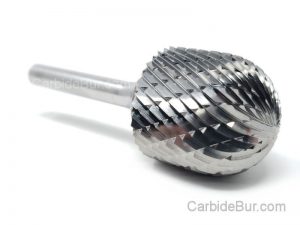
To get started, you need the right tool. Taper radius end burrs are specially designed to bevel edges effectively. These tools help you reduce stress points and make tool insertion smoother. When selecting a burr, consider the material you’re working with and the specific edge requirements. With the right burr, you can achieve a seamless edge that enhances the overall quality of your project. For more details, explore this ultimate guide to carbide burrs for steel.
Achieving a Smooth Finish
A smooth finish is not just about aesthetics; it ensures durability. To achieve this, use a consistent hand pressure and moderate speed. This prevents overheating and uneven edges. Regularly check your burr’s condition to maintain its sharpness. If you notice any wear, it’s time to replace it. A well-maintained burr is your best ally for a flawless finish.
Precision in Beveling Techniques
Precision is key in beveling. Start by aligning your burr correctly with the edge of the material. Make sure your movements are steady and controlled. The goal is to remove just enough material to create a clean bevel without compromising the structure. Regular practice will improve your precision, leading to better results in every project. For more precision tips, visit this article on beveling techniques.
Burr Selection for Optimal Results
Choosing the right burr can make or break your project. This section will guide you through the selection process for the best results.
Choosing the Right Style and Size
When it comes to burrs, size and style matter. Smaller burrs are perfect for tight spots and intricate work, while larger ones are suitable for broader strokes. Consider the material’s thickness and hardness when selecting your burr. A thicker material may require a tougher burr to ensure efficiency. By choosing wisely, you save time and improve your project’s quality.
Matching Burrs to Drilled Holes
Every drilled hole has unique characteristics. Matching your burr to these specifics can significantly affect the outcome. For example, if your hole is particularly deep, opt for a longer burr to reach all the way through. This ensures even beveling around the entire edge. With the right match, your projects will be cleaner and more precise.
Enhancing Project Efficiency
Efficiency in beveling translates to better productivity. Ensure your tools are always ready and in top condition. Regular maintenance, such as cleaning and sharpening, keeps them performing at their best. By avoiding downtime for repairs or replacements, you maintain a steady workflow and achieve your project goals faster.
Best Practices for Machining Tools
To maximize your machining tools’ potential, follow these best practices. They ensure longevity and precision in every project.
Ensuring Tool Longevity
Extend the life of your tools through proper care. Always clean your tools after use to prevent rust and buildup. Store them in a dry, secure place. Regularly check for any signs of wear or damage. By keeping your tools in peak condition, you reduce replacement costs and maintain project quality.
Maintaining Precision and Control
Precision and control are crucial in machining. Secure your workpiece firmly to prevent any movement during the process. Use steady, controlled movements to avoid mistakes. Practicing these habits ensures that your final product meets the highest standards. For more tips on maintaining control, check out this edge conditioning guide.
Maximizing Effectiveness in Projects
To get the most out of your projects, plan and prepare thoroughly. Understand the requirements and choose the right tools from the start. Regularly evaluate your technique and adjust as needed. By staying proactive, you achieve better results and take your skills to the next level.
We have the perfect tools you need for safe cracking and manipulation used by professionals
Why Choose USA-Made Die Grinder Bits
Automotive Repair Essentials: Why Choose USA-Made Die Grinder Bits Most die grinder bits look the same until you put them to the test on tough engine work or stubborn rust removal. USA-made bits stand out [...]
Are Diamond Burs or Carbide Burs Better for Your Dental Work?
The Great Debate: Are Diamond Burs or Carbide Burs Better for Your Dental Work? Choosing between diamond burs and carbide burs can make or break your dental cutting tools’ performance. If you’ve ever felt stuck [...]
Innovations in Carbide Tool Manufacturing
Innovations in Carbide Tool Manufacturing: USA's Cutting Edge Forget the old limits of carbide tools. New advances in American-made carbide tools bring improved coatings and smarter designs that push your high-speed machining further than ever [...]
User Reviews of CarbideBurr.net and Other Leading Brands
Porting Applications Simplified: User Reviews of CarbideBurr.net and Other Leading Brands Most carbide bur brands promise precision, but few deliver the tool efficiency you need for serious head porting. You’ve tried different options, yet the [...]
What Users Say About Our USA-Made Carbide Tools
Reviews Roundup: What Users Say About Our USA-Made Carbide Tools You’ve probably seen plenty of carbide burrs and die grinder bits claiming to be tough. But do they really hold up when your project demands [...]
Port Timing and Expansion Chamber Matching with Carbide Burs
Unlocking Engine Performance: Port Timing and Expansion Chamber Matching with Carbide Burs Most 2-stroke engine tuning guides skip the key step that separates average builds from top performers: precise port timing and expansion chamber matching. [...]
Unlock Potential with USA-Made Carbide Burr Sets
Custom Fabrication: Unlock Potential with USA-Made Carbide Burr Sets Custom metal fabrication often demands tools that can handle complex shapes and flawless finishes. USA-made burrs stand out by offering precision and durability that help you [...]
How New Carbide Bur Designs Are Shaping the Future of Welding
Cutting Edge: How New Carbide Bur Designs Are Shaping the Future of Welding Forget everything you know about carbide bur design. The latest welding advancements are reshaping how tools perform, with new coatings cutting down [...]
Optimizing Children’s Dental Procedures with Gentle Carbide Burs
Optimizing Children's Dental Procedures with Gentle Carbide Burs Many dentists treat children as if their teeth are just smaller versions of adult teeth. This approach can lead to discomfort and longer procedures. Choosing the right [...]
How USA-Made Die Grinder Bits Reduce Workshop Accidents
Safety First: How USA-Made Die Grinder Bits Reduce Workshop Accidents Most workshop accidents happen because a tool fails at the worst moment. USA-manufactured tools stand out by using balanced tool designs and high-grade tool materials [...]
Non-Dental Uses of Carbide Burs in Metal Shaping and Engraving
Beyond Teeth: Non-Dental Uses of Carbide Burs in Metal Shaping and Engraving Carbide burs aren’t just for dentists—they’re secret weapons for jewelry makers and woodworkers who need precision. If you’ve struggled with shaping metal or [...]
The History of Carbide Cutting Tools and Why USA Leads the Way
The History of Carbide Cutting Tools and Why USA Leads the Way American-made carbide tools have shaped the way industries cut and create. If you rely on tools that don’t keep pace with manufacturing breakthroughs, [...]
