
Mastering Hard Materials: Essential Carbide Burr Techniques for Stainless Steel and Cast Iron
Handling stainless steel and cast iron with the wrong approach wastes time and tools. Carbide burrs offer a powerful edge, but only if you know which types to pick and how to run them. In this guide, you’ll get clear advice on tool selection for hard materials, cutting speeds, and techniques that fit each metal’s quirks. Stick around to sharpen your skills and extend your tool’s life on these tough jobs. For more insights, visit this guide on carbide burrs.
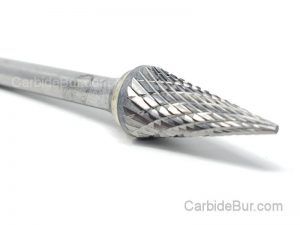
Click here for our entire selection of carbide bur tools
Essential Carbide Burr Techniques
Navigating hard materials like stainless steel and cast iron requires the right tools and techniques. With carbide burrs, you have an ally to tackle these challenges. Let’s explore the essentials to get your work done efficiently.
Tool Selection for Hard Materials
Choosing the right carbide burr is crucial. You need a tool that matches the material’s toughness. For stainless steel, tungsten carbide burrs are ideal due to their strength and heat resistance. Cast iron needs a different approach, often requiring a double cut carbide burr for smoother finishes.
-
Look for burrs with high-grade tungsten for durability.
-
Ensure the burr size suits the scale of your project.
-
Choose a shape that complements the contours you’re working on.
Remember, the right burr reduces strain on your tools, saving time and money. Check out more about carbide burrs for detailed tool options.
Optimal Cutting Speeds Explained
Speed matters, especially in metalwork. Too fast, and you risk damaging the burr or the material. Too slow, and you lose efficiency. Here’s the key:
-
For stainless steel, aim for 25,000 to 35,000 RPM.
-
Cast iron requires a slightly slower pace—around 20,000 RPM.
These speeds help maintain control and precision without overheating the burr. Consistent speed ensures cleaner cuts, which means less finishing work later. For more tips, visit this guide on cutting speeds.
Tailored Techniques for Each Material
Different materials mean different methods. Stainless steel and cast iron need unique handling techniques to get the best results.
-
Stainless Steel: Keep a steady hand for smooth edges. Use light pressure to avoid heat buildup.
-
Cast Iron: It’s brittle, so use softer strokes. This prevents chipping and extends tool life.
By adapting your technique to the material, you’ll preserve your tools and improve your outcomes. Dive deeper into these techniques with more carbide burr insights.
Mastering Stainless Steel Machining
You’ve got the basics; now let’s focus on stainless steel. This material is tough but rewarding with the right approach. Let’s make it seamless with carbide burrs.
Carbide Burrs for Stainless Steel
Using the right burr on stainless steel is a game-changer. Tungsten carbide burrs are your best bet here. They handle the heat and hardness without losing their edge.
-
Opt for a burr with a high heat tolerance.
-
Use smaller sizes for intricate designs.
-
Ensure proper lubrication to reduce friction.
The right burr can cut down your work time significantly, turning a challenging task into a manageable one.
Achieving Superior Results
Want to take your stainless steel work to another level? Focus on technique.
-
Maintain a consistent speed for clean cuts.
-
Use a back-and-forth motion to avoid sticking.
-
Keep tools sharp and clean to prevent rust.
By focusing on these strategies, you’ll see a noticeable improvement in your work quality. For additional tips, explore stainless steel machining techniques.
Cast Iron Cutting Techniques
Shifting gears to cast iron, this material presents its own set of challenges. With the right carbide burr and technique, you can master it with ease.
Choosing the Right Carbide Burr
For cast iron, carbide rotary burrs are effective. They offer the toughness required to deal with this brittle metal. Here’s what to look for:
-
Burrs with a cross-cut pattern for smoother finishes.
-
Thick shanks for better control and reduced vibration.
Selecting the right burr minimizes breakage and extends tool life, making your work more efficient.
Metalworking Tips for Cast Iron
Working with cast iron demands precision and care. Here are some key tips:
-
Use a gentle touch to prevent cracking.
-
Maintain a steady pace to avoid overheating.
-
Keep the workspace clean to prevent contamination.
By applying these techniques, you’ll achieve better results with less effort. Remember, the longer you wait to adopt these strategies, the more time you’ll spend on corrections later.
In conclusion, understanding the nuances of carbide burrs and their application to stainless steel and cast iron can transform your metalworking projects. Equip yourself with the right tools and techniques, and you’ll save time, reduce costs, and achieve superior results.
Click here for our entire selection of carbide bur tools
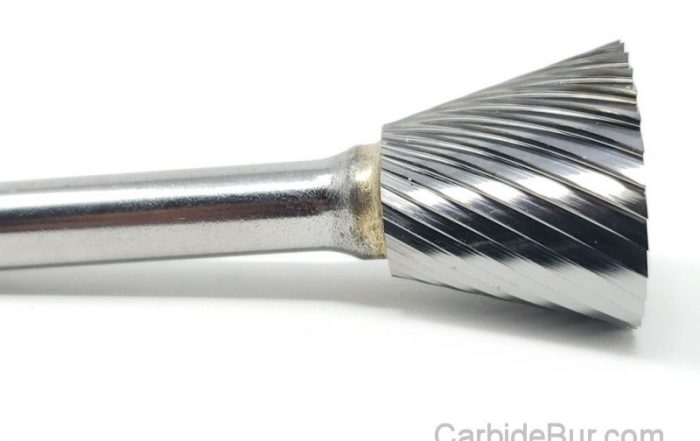
1/8 vs 1/4 Inch Carbide Burrs: What’s the Difference?
1/8 vs 1/4 Inch Carbide Burrs: What's the Difference? Choosing between a 1/8 inch carbide burr and a 1/4 inch carbide burr can change how your project turns out. Many machinists and hobbyists overlook how [...]
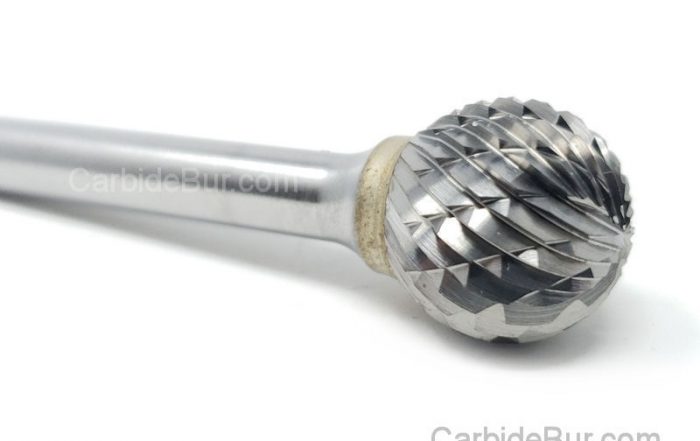
Best Carbide Burr for Removing Flash From Castings
Best Carbide Burr for Removing Flash From Castings Removing flash from castings is a task that can slow down your entire metalworking process if you don’t have the right tools. Picking the best carbide burr [...]
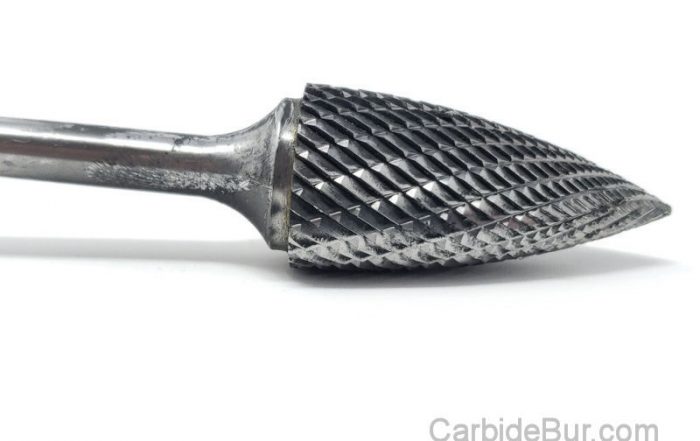
What RPM Should You Use for a 1/4 Inch Carbide Burr?
What RPM Should You Use for a 1/4 Inch Carbide Burr? Most machinists guess the right speed for a 1/4 inch carbide burr and hope for the best. Using the wrong carbide burr RPM can [...]
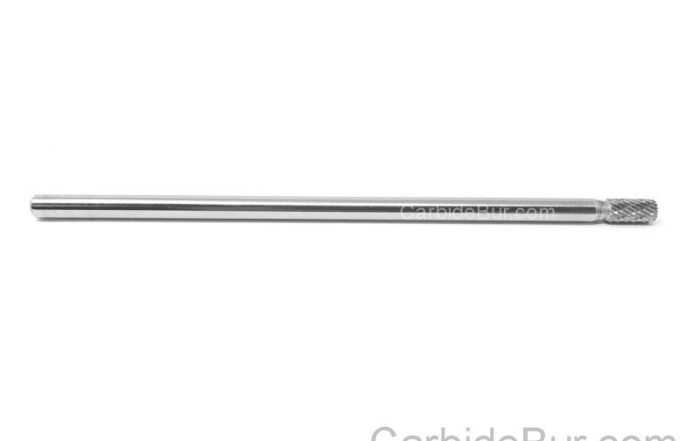
Long Shank Carbide Burrs: When Do You Need One?
Long Shank Carbide Burrs: When Do You Need One? Most machinists overlook the power of long shank carbide burrs until a project demands precision in tight spaces. When your usual tools can’t reach intricate contours, [...]
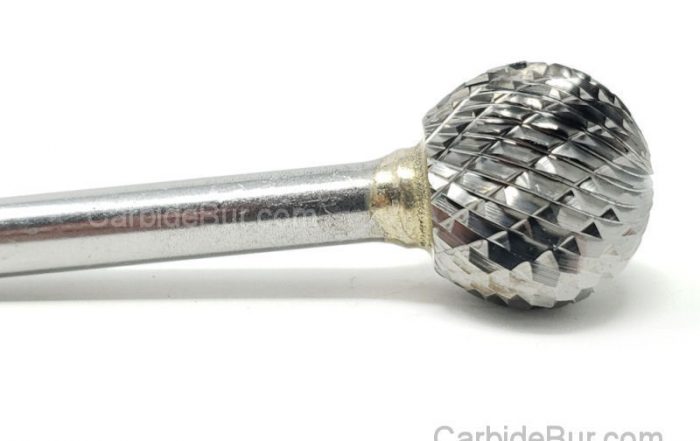
How Deep Can a Carbide Burr Cut Metal?
How Deep Can a Carbide Burr Cut Metal? Carbide burrs often get praised for their precision, but many users hit a wall wondering how deep they can actually cut metal. The truth is, cutting depth [...]
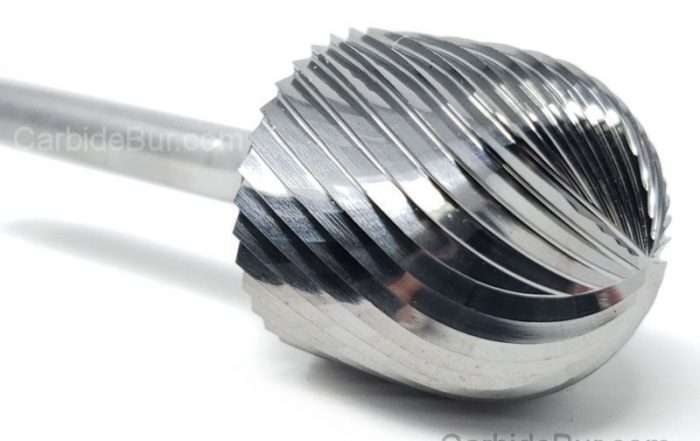
How to Use Carbide Burrs for Port Matching
How to Use Carbide Burrs for Port Matching Most engine builds hit a wall when airflow doesn’t flow smoothly between the ports and manifolds. If your engine isn’t breathing right, your performance stalls. Using the [...]
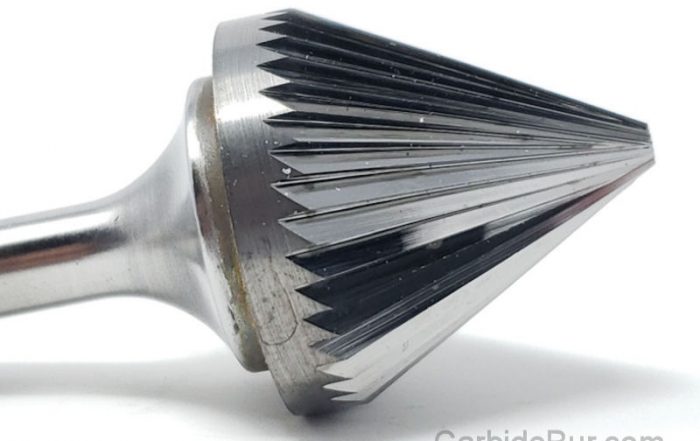
Best Carbide Burr for Porting Intake Manifolds
Best Carbide Burr for Porting Intake Manifolds Porting intake manifolds can make or break your engine’s airflow, yet many struggle with the right tools for the job. Choosing the best carbide burrs is key to [...]
Best Carbide Burr for Concave Surfaces
Best Carbide Burr for Concave Surfaces Concave surfaces can turn a straightforward project into a frustrating challenge if you don’t have the right tool. Carbide burrs designed for these tricky curves make all the difference [...]
How to Grind a Slot in Metal With a Carbide Burr
How to Grind a Slot in Metal With a Carbide Burr Grinding a precise slot in metal can feel like a tricky task, especially if you’re unsure which tools to trust. Carbide burr grinding offers [...]

Best Carbide Burr for Inside Corners
Best Carbide Burr for Inside Corners Working in tight inside corners can turn even simple projects into frustrating tasks. Many carbide burrs just don’t fit or cut cleanly where you need them most. The best [...]
What Size Carbide Burr Do I Need?
What Size Carbide Burr Do I Need? Picking the wrong carbide burr can turn a simple project into a frustrating mess. You might have the best machining tools but still miss the mark if your [...]
How to Smooth Sharp Metal Edges With a Carbide Burr
How to Smooth Sharp Metal Edges With a Carbide Burr Sharp metal edges can turn your project from professional to risky in seconds. If you’ve struggled with smoothing metal edges without scratching or weakening the [...]
