
The Art of Burr Speed Adjustments: Enhancing Tool Longevity and Machining Processes
Most people crank their die grinder RPM too high or too low without knowing the damage it causes. Your carbide burr sizes demand precise speed settings to avoid overheating and dulling. In this post, you’ll learn the optimal RPM settings for each burr size to protect your tools and improve machining processes from start to finish. For more insights, check out this ultimate guide.
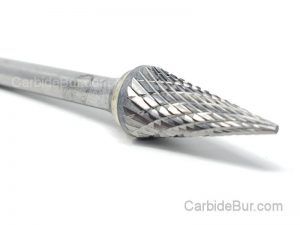
Click here for our entire selection of carbide bur tools
Understanding Burr Speed Adjustments
Grasping the basics of burr speed adjustments unlocks new levels of precision in your work. It’s all about matching the right speed settings with your carbide burr sizes. Let’s dive deeper.
Optimal RPM for Carbide Burr Sizes
Getting the RPM right for your burr sizes is crucial. Imagine using a small burr at lightning-fast speeds. It can lead to overheating and damage. So, what’s the sweet spot?
-
Small Burrs (1/8″): Aim for 25,000 to 35,000 RPM. These sizes require high speeds to cut efficiently without burning the material.
-
Medium Burrs (1/4″): These should run between 18,000 to 25,000 RPM. It strikes the balance between cutting speed and control.
-
Large Burrs (3/8″ and above): Keep the RPM between 10,000 to 18,000. Lower speeds prevent overheating and extend tool life.
Balancing speed with size ensures optimal RPM settings and protects your tools. For more details on specific speeds, check out this speed recommendation chart.
Importance of RPM in Machining Processes
Why does RPM matter so much? Well, it affects the finish of your workpiece and the life of your burrs. Too fast, and you risk burning the material. Too slow, and productivity drops.
-
Impact on Finish: Proper RPM ensures a smooth finish. It reduces chatter and leaves a clean edge.
-
Tool Longevity: Running at the right RPM minimizes wear and tear. Your burrs stay sharper longer, saving you money.
-
Material Suitability: Different materials need different speeds. Metals often require slower speeds than plastics.
Understanding the role of RPM helps you make informed choices. Check out this discussion on the importance of controlling RPM for further insights.
Enhancing Tool Longevity
Proper RPM settings not only improve performance but also enhance tool longevity. Using your die grinder correctly can save you from costly replacements.
Preventing Overheating in Die Grinders
Overheating is a common issue that shortens the life of your tools. But it’s avoidable with the right practices.
-
Monitor Heat Levels: Stop occasionally to check the temperature. If it feels too hot, let it cool.
-
Use Lubricants: Applying cutting oil can reduce friction and heat. It acts as a cushion between the burr and material.
-
Adjust Speed: If your tool heats up quickly, lower the RPM. It might seem counterintuitive, but slower can be better.
Avoiding overheating ensures your die grinder works efficiently and lasts longer.
Achieving Consistent Performance
Consistency is key in any machining process. Here’s how you can maintain it:
-
Regular Maintenance: Clean your tools after each use. It prevents debris buildup that can affect performance.
-
Check for Wear: Inspect burrs for dullness. Replace them when needed to avoid subpar results.
-
Stay Within Limits: Use the manufacturer’s guidelines as a baseline. It’s a simple step that can make a big difference.
A well-maintained tool offers consistent performance every time. For more tips, visit this tutorial on tool care.
Machining Efficiency Tips
Unleash your tool’s full potential by applying these efficiency tips. It’ll not only save time but also improve the quality of your work.
Selecting the Right Carbide Burr
Choosing the correct burr is more than just picking a size. Each type serves a unique purpose.
-
Single Cut vs. Double Cut: Single cut is ideal for heavy material removal, while double cut offers a smoother finish.
-
Material Compatibility: Use tungsten carbide burrs for metals and softer burrs for wood or plastic.
-
Variety Sets: Investing in a carbide burr set gives you options for different tasks.
Selecting the right burr means you can handle any job efficiently and effectively.
Common Mistakes to Avoid
Avoid these pitfalls to keep your machining processes smooth:
-
Incorrect Burr Size: Using the wrong size can lead to damage. Always match the burr to the task at hand.
-
Ignoring RPM Recommendations: Skipping this step can cause overheating and tool failure.
-
Neglecting Safety Gear: Always wear protective gear when using power tools. Safety should never be an afterthought.
Avoiding these mistakes ensures your projects run smoothly, protecting both your tools and your workpieces.
By implementing these strategies, you’re well on your way to enhancing both tool longevity and machining efficiency. Remember, the longer you wait to adapt these practices, the more you risk potential setbacks.
Click here for our entire selection of carbide bur tools
Why Choose USA-Made Die Grinder Bits
Automotive Repair Essentials: Why Choose USA-Made Die Grinder Bits Most die grinder bits look the same until you put them to the test on tough engine work or stubborn rust removal. USA-made bits stand out [...]
Are Diamond Burs or Carbide Burs Better for Your Dental Work?
The Great Debate: Are Diamond Burs or Carbide Burs Better for Your Dental Work? Choosing between diamond burs and carbide burs can make or break your dental cutting tools’ performance. If you’ve ever felt stuck [...]
Innovations in Carbide Tool Manufacturing
Innovations in Carbide Tool Manufacturing: USA's Cutting Edge Forget the old limits of carbide tools. New advances in American-made carbide tools bring improved coatings and smarter designs that push your high-speed machining further than ever [...]
User Reviews of CarbideBurr.net and Other Leading Brands
Porting Applications Simplified: User Reviews of CarbideBurr.net and Other Leading Brands Most carbide bur brands promise precision, but few deliver the tool efficiency you need for serious head porting. You’ve tried different options, yet the [...]
What Users Say About Our USA-Made Carbide Tools
Reviews Roundup: What Users Say About Our USA-Made Carbide Tools You’ve probably seen plenty of carbide burrs and die grinder bits claiming to be tough. But do they really hold up when your project demands [...]
Port Timing and Expansion Chamber Matching with Carbide Burs
Unlocking Engine Performance: Port Timing and Expansion Chamber Matching with Carbide Burs Most 2-stroke engine tuning guides skip the key step that separates average builds from top performers: precise port timing and expansion chamber matching. [...]
Unlock Potential with USA-Made Carbide Burr Sets
Custom Fabrication: Unlock Potential with USA-Made Carbide Burr Sets Custom metal fabrication often demands tools that can handle complex shapes and flawless finishes. USA-made burrs stand out by offering precision and durability that help you [...]
How New Carbide Bur Designs Are Shaping the Future of Welding
Cutting Edge: How New Carbide Bur Designs Are Shaping the Future of Welding Forget everything you know about carbide bur design. The latest welding advancements are reshaping how tools perform, with new coatings cutting down [...]
Optimizing Children’s Dental Procedures with Gentle Carbide Burs
Optimizing Children's Dental Procedures with Gentle Carbide Burs Many dentists treat children as if their teeth are just smaller versions of adult teeth. This approach can lead to discomfort and longer procedures. Choosing the right [...]
How USA-Made Die Grinder Bits Reduce Workshop Accidents
Safety First: How USA-Made Die Grinder Bits Reduce Workshop Accidents Most workshop accidents happen because a tool fails at the worst moment. USA-manufactured tools stand out by using balanced tool designs and high-grade tool materials [...]
Non-Dental Uses of Carbide Burs in Metal Shaping and Engraving
Beyond Teeth: Non-Dental Uses of Carbide Burs in Metal Shaping and Engraving Carbide burs aren’t just for dentists—they’re secret weapons for jewelry makers and woodworkers who need precision. If you’ve struggled with shaping metal or [...]
The History of Carbide Cutting Tools and Why USA Leads the Way
The History of Carbide Cutting Tools and Why USA Leads the Way American-made carbide tools have shaped the way industries cut and create. If you rely on tools that don’t keep pace with manufacturing breakthroughs, [...]

Leave A Comment
You must be logged in to post a comment.