
The Art of Locksmithing: Essential Burr Selection Tips for Lever Locks
Flat bottom holes are the secret behind smooth lever lock operation, but drilling them without the right tool can ruin the entire mechanism. You need a cylinder end cut burr that fits the task perfectly to protect those delicate internal levers. In this post, you’ll get burr selection tips and drilling advice that keep your lock components safe while delivering precision drilling every time. Check out more about these tools here.
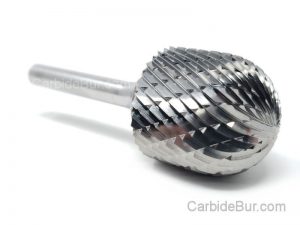
We have the perfect tools you need for safe cracking and manipulation used by professionals
Mastering Cylinder End Cut Burrs
Unlocking the secrets of cylinder end cut burrs means understanding their design. Let’s start by exploring how different shapes and sizes can impact your work.
Understanding Burr Designs and Sizes
Burrs come in various designs, each suited for specific tasks. Some are perfect for flat bottom holes, while others excel in different applications. Knowing which burr to use can be the difference between a smooth operation or a ruined lock.
-
Cylindrical burrs are great for precise cuts. They create straight lines needed in lever locks.
-
End cut burrs are designed to reach into tight spaces, making them ideal for delicate parts.
Choosing the right size is crucial. A small burr might fit into narrow spots, but it can lack the power for larger tasks. On the other hand, a larger burr offers strength but may not access confined areas. Learn more about burr sizes here.
Precision Drilling for Flat Bottom Holes
Precision is key when drilling flat bottom holes. These holes need to be perfect to ensure a lock works without a hitch. First, always start with a steady hand. Even the slightest wobble can throw off your entire project.
-
Use a guide to keep your drill on track.
-
Apply consistent pressure to avoid uneven holes.
Take it slow. Rushing leads to mistakes. A careful approach keeps your lock components safe and sound.
Selecting the Right Burr for Lever Locks
Not all burrs are created equal, especially for lever locks. The right tool makes all the difference. Focus on burrs that provide:
-
Control: Essential for detailed work.
-
Durability: Long-lasting tools save money and time.
Check out this complete guide for more on choosing the right burr for your lock needs.
Essential Locksmithing Techniques
Now that you’ve got a handle on burr selection, let’s dive into some techniques that will keep your projects on track and your locks intact.
Optimal Drilling Tips to Protect Lock Components
Protecting your lock components starts with proper drilling techniques. Here’s how you can ensure safety every time:
-
Start with a pilot hole: This guides the burr and prevents slipping.
-
Keep your drill bit sharp: A dull bit can cause damage.
-
Use lubricant: It reduces friction and heat.
These steps help maintain the integrity of your lock components, giving you peace of mind.
Ensuring Compatibility and Efficiency
Ensuring your tools are compatible with your locks means smoother operations and fewer headaches. Here’s how:
-
Double-check the fit: Make sure your burr matches the lock’s specifications.
-
Test on a sample lock: It’s better to make mistakes on a test piece than on the real deal.
Efficiency saves both time and effort. Explore this video for more tips on efficient locksmithing.
Expert Burr Selection Tips
The right burr can transform your work from good to great. Here’s what you need to know to make the best choice.
Matching Burrs to Lock Mechanism Needs
Different locks, different needs. Matching your burr to the lock mechanism ensures it works flawlessly. Consider:
-
Material compatibility: Some burrs excel in certain materials like metal or wood.
-
Shape: Align the burr shape with the task at hand.
Selecting the correct burr for your lock type prevents unnecessary wear and tear. Learn more about matching burrs here.
Enhancing Accuracy in Lever Lock Work
Accuracy is non-negotiable in lever lock work. Here’s how to enhance your precision:
-
Focus on technique: Steady hands and careful movements are crucial.
-
Regular maintenance: Keeping your tools in top shape ensures they perform at their best.
Investing in the right tools and honing your skills guarantees success with every lock. Remember, the longer you wait to refine your technique, the more likely you are to face complications down the line. So, don’t delay—start enhancing your locksmithing skills today!
We have the perfect tools you need for safe cracking and manipulation used by professionals
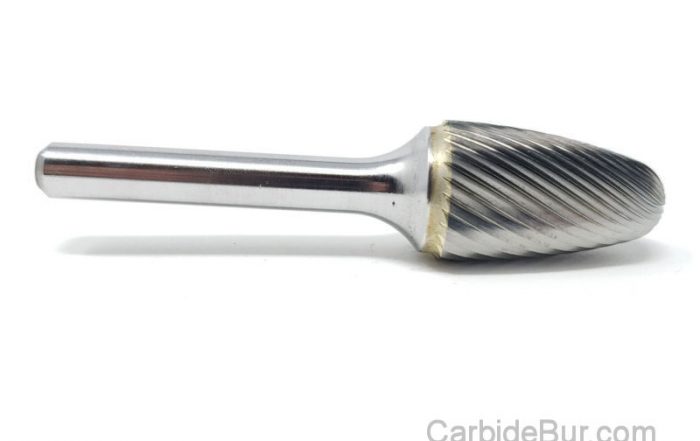
How to Grind a Groove in Metal With a Carbide Burr
How to Grind a Groove in Metal With a Carbide Burr Most metalworkers struggle to cut clean grooves without wasting time or ruining their workpiece. Many try different metalworking tools but end up with uneven [...]
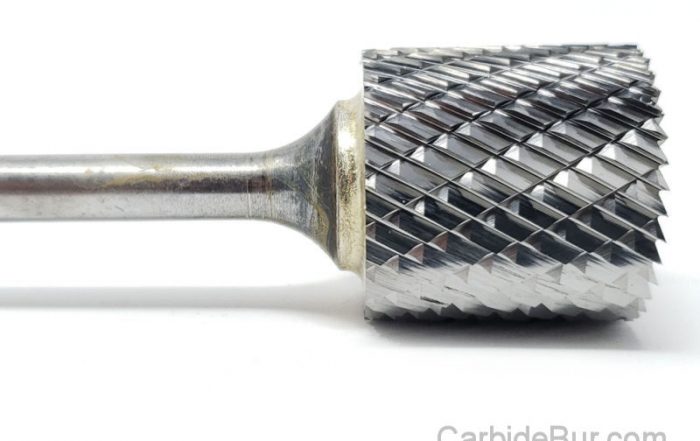
Can Carbide Burrs Cut Through Welds?
Can Carbide Burrs Cut Through Welds? Cutting through welds can feel like a battle, especially when you need clean results without harming the base metal. Carbide burrs offer a sharp edge in this fight, but [...]
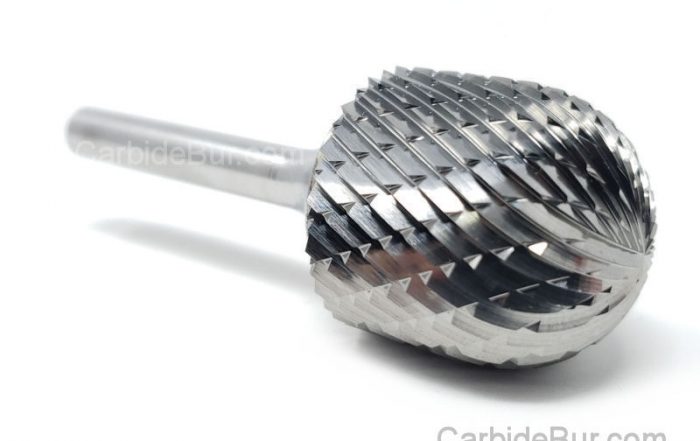
How to Use a Carbide Burr With a Die Grinder
How to Use a Carbide Burr With a Die Grinder Most people treat a carbide burr like just another tool, but using it with a die grinder takes skill. If you’ve struggled with burr installation [...]
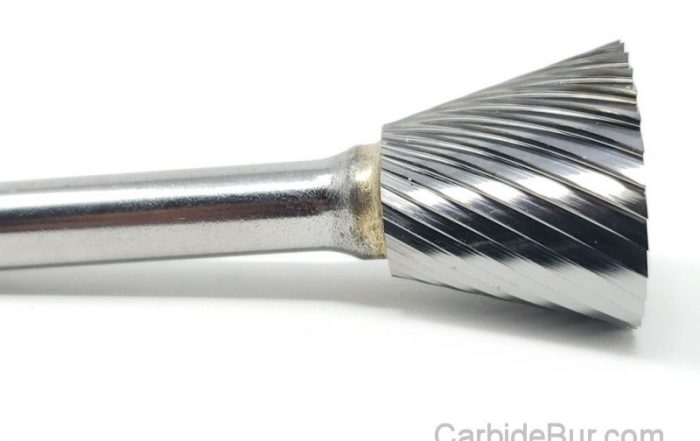
1/8 vs 1/4 Inch Carbide Burrs: What’s the Difference?
1/8 vs 1/4 Inch Carbide Burrs: What's the Difference? Choosing between a 1/8 inch carbide burr and a 1/4 inch carbide burr can change how your project turns out. Many machinists and hobbyists overlook how [...]
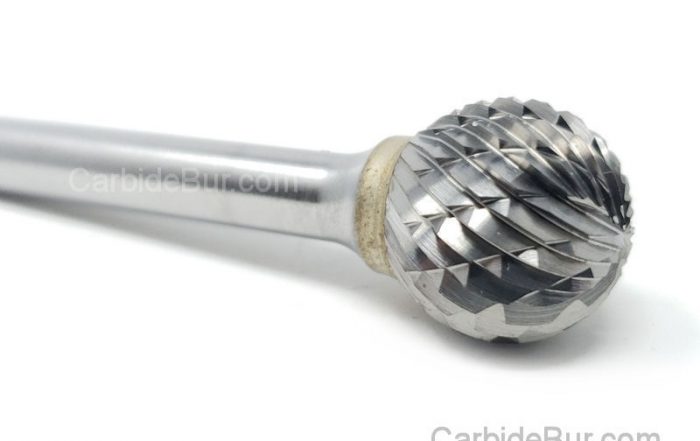
Best Carbide Burr for Removing Flash From Castings
Best Carbide Burr for Removing Flash From Castings Removing flash from castings is a task that can slow down your entire metalworking process if you don’t have the right tools. Picking the best carbide burr [...]
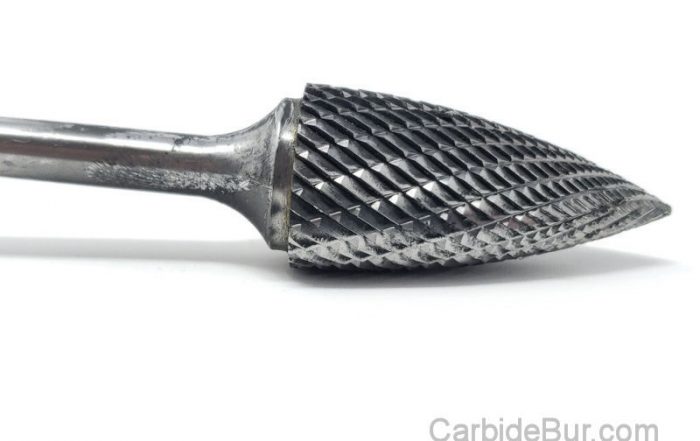
What RPM Should You Use for a 1/4 Inch Carbide Burr?
What RPM Should You Use for a 1/4 Inch Carbide Burr? Most machinists guess the right speed for a 1/4 inch carbide burr and hope for the best. Using the wrong carbide burr RPM can [...]
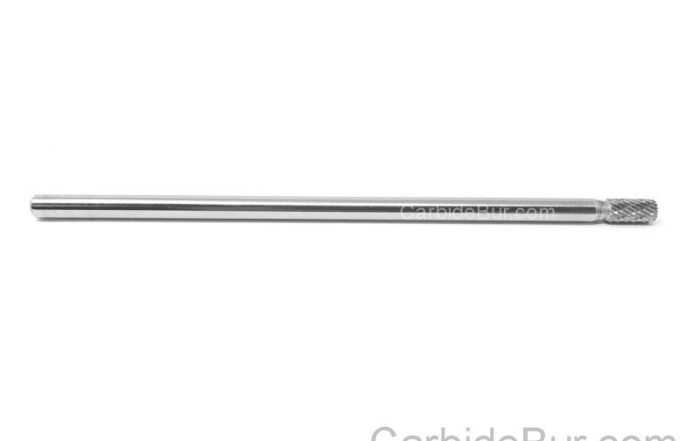
Long Shank Carbide Burrs: When Do You Need One?
Long Shank Carbide Burrs: When Do You Need One? Most machinists overlook the power of long shank carbide burrs until a project demands precision in tight spaces. When your usual tools can’t reach intricate contours, [...]
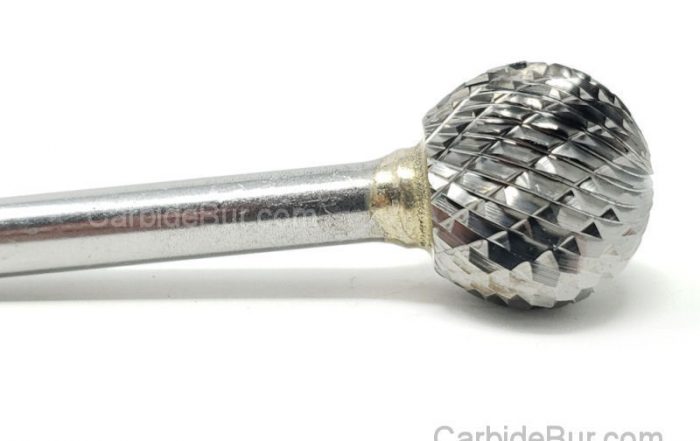
How Deep Can a Carbide Burr Cut Metal?
How Deep Can a Carbide Burr Cut Metal? Carbide burrs often get praised for their precision, but many users hit a wall wondering how deep they can actually cut metal. The truth is, cutting depth [...]
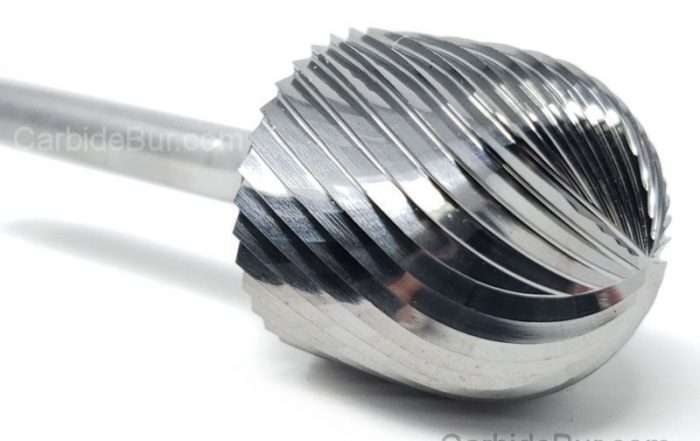
How to Use Carbide Burrs for Port Matching
How to Use Carbide Burrs for Port Matching Most engine builds hit a wall when airflow doesn’t flow smoothly between the ports and manifolds. If your engine isn’t breathing right, your performance stalls. Using the [...]
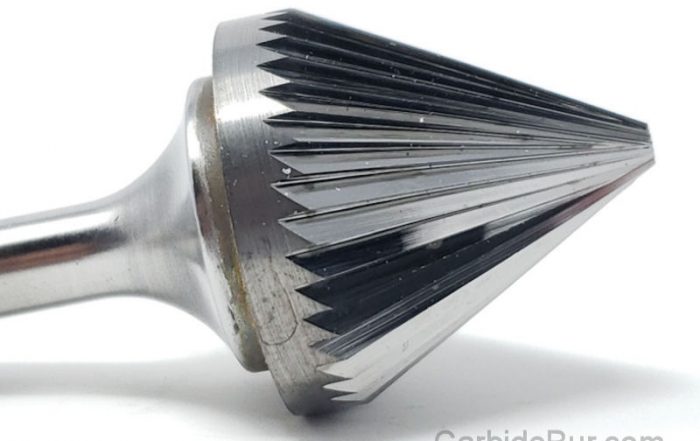
Best Carbide Burr for Porting Intake Manifolds
Best Carbide Burr for Porting Intake Manifolds Porting intake manifolds can make or break your engine’s airflow, yet many struggle with the right tools for the job. Choosing the best carbide burrs is key to [...]
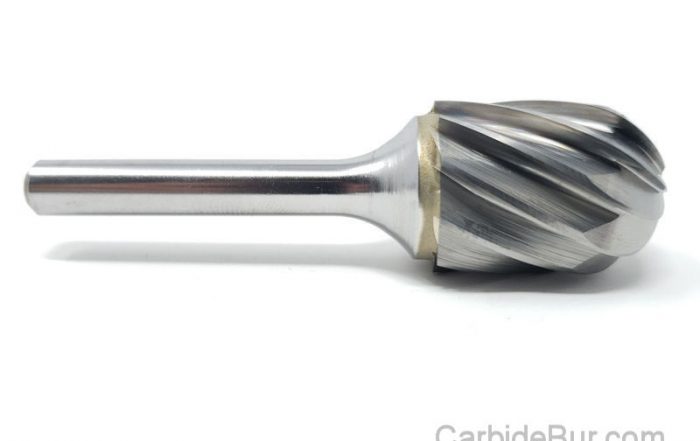
Best Carbide Burr for Concave Surfaces
Best Carbide Burr for Concave Surfaces Concave surfaces can turn a straightforward project into a frustrating challenge if you don’t have the right tool. Carbide burrs designed for these tricky curves make all the difference [...]
How to Grind a Slot in Metal With a Carbide Burr
How to Grind a Slot in Metal With a Carbide Burr Grinding a precise slot in metal can feel like a tricky task, especially if you’re unsure which tools to trust. Carbide burr grinding offers [...]
