
How To Master Welding Preparation With Carbide Burs For Superior Results
Many welders struggle with preparation, but with the right techniques and tools, you can elevate your work to a professional level. Using carbide burs is imperative for effective surface preparation, as they help in shaping, deburring, and cleaning metal surfaces for better weld penetration and adhesion. In this guide, you will learn the best practices for utilizing carbide burs, ensuring your welding projects achieve superior results every time. Armed with this knowledge, you can enhance your skills and produce cleaner, stronger welds.
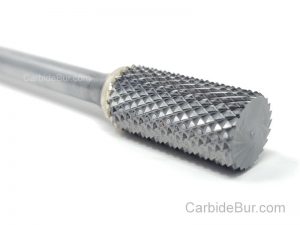
Find more carbide bur die grinder tool bits here
The Essential Role of Welding Preparation
Preparation sets the foundation for a successful welding project, impacting both the aesthetics and integrity of the weld. A clean, well-prepared surface allows for better adhesion, reduces the risk of defects, and enhances the overall lifespan of the weld. Taking the time to properly prepare materials leads to stronger, more reliable results, ultimately saving time and money on repairs or rework down the line.
How Prep Work Influences Welding Quality
Your prep work directly determines the quality of your weld. Contaminants like rust, oil, and dirt can compromise the bond between metals, leading to weak points and potential failures. For instance, thorough surface cleaning and proper edge preparation can increase the tensile strength of the weld by as much as 50%, showcasing how significant these initial steps are in achieving superior results.
Common Mistakes to Avoid in Preparation
Avoiding mistakes during the preparation stage is key to ensuring a successful welding outcome. Overlooking contamination clearance, neglecting to assess tolerances, or skipping necessary surface treatments can severely impact your weld quality. Each of these oversights can lead to cracks, porosity, and other defects that might not surface until later, ultimately resulting in extensive rework and wasted materials.
Common pitfalls include failing to use the right cleaning technique for the material at hand; for instance, using a wire brush on stainless steel can introduce contaminants that lead to corrosion. Additionally, inadequate edge preparation, where metal edges are not beveled or aligned properly, can prevent proper fusion. Understanding specific requirements for different metals and methodologies can significantly reduce errors during welding preparation.
Selecting the Right Carbide Burs for Your Project
Choosing the right carbide burs for your welding project can significantly affect the outcome. Each type of bur offers unique advantages tailored to specific tasks, ensuring the best possible finish. Depending on the material and the intricacy of the weld, you should align your selection to your project needs.
Types of Carbide Burs and Their Applications
There are several types of carbide burs available, each suited for different applications:
| Type | Application |
| Ball Bur | Ideal for contouring and shaping materials. |
| Flame Bur | Used for heavy material removal and shaping edges. |
| Cylinder Bur | Effective for smooth surface preparation and finishing. |
| Taper Bur | Perfect for deburring and finishing tasks. |
| Cone Bur | Great for creating grooves and cutting into weld materials. |
- Any type can result in varying finishes and efficiency based on your specific needs.
Factors to Consider When Choosing Burs
Selecting the appropriate bur involves several factors that can dictate your success. You should evaluate the material type, the nature of the weld, and even the complexity of the design when making your choice.
- The right bur can enhance precision, minimize mistakes, and smooth out the surface.
Your decision should also factor in the bur’s grit and cutting action, which will drastically affect the efficiency of your project. There’s a substantial difference between coarse and fine burs, and selecting one that complements your material can lead to more manageable results. Consider the depth of cut and rotational speed for optimal performance.
- The choice of bur and its specifications can make or break your welding preparation process.
Mastering Techniques for Optimal Use of Carbide Burs
Optimizing the use of carbide burs requires precision and technique. Start by maintaining a steady hand and consistent speed to avoid uneven surfaces. Apply light pressure, allowing the burs to do the work; pressing too hard can lead to excessive wear and diminish their effectiveness. Always ensure your burs remain sharp, as dull tools can create more heat and potentially damage the workpiece. Experimenting with different angles and positions can also enhance your results, providing access to hard-to-reach areas without compromising quality.
How to Safely Handle and Maintain Your Burs
Handling carbide burs safely ensures longevity and effective performance. Always wear protective gear, such as safety glasses, to shield your eyes from debris. Store your burs in a dedicated container to prevent damage and keep them organized. Periodically inspect them for wear or nicks, replacing any that show signs of excessive degradation. Clean burs after each use to remove accumulated metal shavings, which can affect their efficiency and lifespan.
Best Practices for Effective Grinding and Shaping
Effective grinding and shaping with carbide burs require strategic techniques. Begin your work on a clean, secured surface to ensure stability and precision. Utilize a well-lit workspace to visualize your progress clearly, especially when working on intricate shapes. Adjust the rotational speed of your tool according to the material you’re working with; softer metals require slower speeds to avoid gouging, while harder materials can handle higher speeds. Move the burs in a controlled, sweeping motion rather than a back-and-forth grind to produce smoother finishes and prevent overheating.
In this process, maintaining a consistent angle between the bur and the workpiece is necessary for achieving uniformity in your results. For curved surfaces, varying the angle slightly allows you to conform to the shape and ensures that you don’t miss any spots. If you’re trying to achieve a particular finish, keep in mind that different burr shapes and sizes apply differently to your technique; a finer bur may work better for finishing, while a larger one is ideal for quick stock removal. Tracking your progress and making small adjustments as needed will lead to superior welded joints and a more polished final product.
Elevating Your Results: Combining Burs with Other Tools
Enhancing your welding preparation can be significantly achieved by integrating carbide burs with other specialized tools. Each tool serves a unique purpose that maximizes efficiency and quality. For instance, combining burs with flap discs or wire brushes can create a polished metal surface that ensures better adhesion for subsequent layers. This synergy not only streamlines your process but also elevates the overall result of your welding endeavors.
Integrating Carbide Burs with Other Preparation Tools
By using carbide burs alongside tools like angle grinders, sanders, and rotary files, you can tackle a variety of surfaces and projects with family precision. Carbide burs excel at removing excess material and creating contours, while sanders provide a smoother finish. This combination is especially effective when prepping intricate joints or cavities that require a finely tuned surface for optimal weld penetration.
Creating a Cohesive Workflow for Superior Outcomes
A cohesive workflow involves strategic sequencing of tasks, where each tool complements the others, ensuring no time is wasted between processes. For example, start with a carbide bur for initial shaping and material removal, followed by a sanding disc to refine the surface finish. Incorporate inspection points between steps to guarantee alignment with your project standards, allowing for adjustments before the final welding stage. Utilizing such a systematic approach not only enhances quality but reduces rework, ultimately saving time and maximizing output.
Troubleshooting Tough Scenarios: When Burs Aren’t Enough
Even with the best carbide burs, certain welding preparation challenges may require more than just abrasive techniques. When faced with stubborn materials, irregular surfaces, or specific geometrical constraints, identifying the root of the issue becomes imperative. In some cases, an appropriate choice of tools or methods can lead to more efficient results and save time during your project.
Identifying Advanced Issues in Welding Prep
Pinpointing advanced issues involves a systematic evaluation of the materials and conditions surrounding your welding prep. Complex scenarios could stem from poor surface quality, unexpected contaminants, or even misaligned workpieces. Recognizing these factors is critical for effective resolution. Here’s how to navigate these challenges:
| Identifying Issues | Potential Causes |
|---|---|
| Poor surface finish | Rust, oil, or contaminants |
| Inconsistent electric arc | Improper grounding or incorrect settings |
| Weld defects | Material mismatch or improper prep techniques |
Alternative Solutions and Techniques
Exploring alternative methods can enhance your results when burs fall short. Techniques such as sanding, grinding, or even chemical treatments can help in achieving the desired surface conditions. Whether using flap discs for smooth finishes or employing grinding wheels for deeper cuts, versatility is key in tackling challenging weld prep scenarios.
To address difficult welding preparations, consider integrating various tools into your workflow. Each technique serves a unique purpose: flap discs can refine surfaces, while grinders are excellent for removing excess material. Additionally, chemical solutions can remove rust or contaminants that burs alone may not eliminate. Always evaluate your specific needs and adapt your approach, leveraging all available resources to achieve the best possible outcome.
Conclusion
Upon reflecting, mastering welding preparation with carbide burs can significantly enhance your results and efficiency in any project. By understanding the different types of burs, selecting the right one for your specific needs, and applying proper techniques, you can achieve superior surface finishes and improved weld quality. Investing time in practice and familiarizing yourself with these tools will empower you to elevate your welding craftsmanship to new heights, ultimately leading to more professional outcomes.
