
Reduce Dust, Increase Precision: Crafting Clean Finishes with Carbide Burrs
Fiberglass crafting often means battling dust and rough edges that slow your progress. Using the right carbide burr can change how you cut and shape, making your work cleaner and more precise. This post breaks down the best burr shapes for fiberglass, plus safety tips fiberglass crafters need to get sharp results without damaging material. Keep reading to sharpen your skills and reduce dust every time you work. For more detailed guidance, check out this comprehensive guide to carbide burr shapes and their uses.
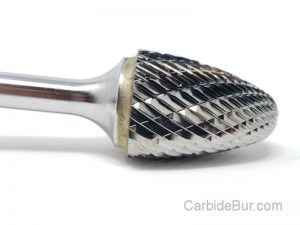
Check out this selection of USA made carbide burs
Understanding Carbide Burrs
Carbide burrs serve as vital tools in fiberglass crafting, enhancing how you shape and finish materials. Let’s explore their importance and how they contribute to a cleaner workspace.
The Role in Fiberglass Crafting
Carbide burrs are indispensable in fiberglass work. They allow you to shape and cut with precision, reducing errors and waste. You’ll find that using a carbide burr makes your projects more manageable and less time-consuming.
These burrs are not just for professionals. Hobbyists benefit too. They help you achieve smoother finishes and intricate designs that might seem impossible with other tools. Whether you’re crafting a new piece or refining an old one, carbide burrs bring a level of control that is hard to match.
Benefits for Precision Cutting
When it comes to precision cutting, carbide burrs stand out. They allow for sharp and clean cuts, saving you from the frustration of jagged edges. This precision means less time spent on sanding and more on creating.
Another benefit is the ability to work on detailed designs. With the right burr, you can carve out delicate patterns without worrying about ruining the material. This attention to detail elevates your projects from ordinary to extraordinary.
Dust Reduction Techniques
Dust is a common challenge in fiberglass work, but there are ways to tackle it. Using carbide burrs can significantly reduce dust, leading to a cleaner environment. This not only protects your health but also keeps your workspace tidy.
Applying the right techniques is key. Work in small sections and use a vacuum attachment to capture dust at the source. This practice keeps your area clean and your focus sharp. By controlling dust, you maintain clearer visibility, ensuring more accurate cuts.
Choosing the Right Burr Shapes
Selecting the right burr shape is crucial for achieving desired results in fiberglass crafting. The right choice enhances your ability to sculpt, smooth, and design effectively.
Best Shapes for Sculpting
Sculpting with carbide burrs demands specific shapes for the best results. The pointed tree shape is perfect for creating grooves and intricate designs. It allows you to dig deep into the material, shaping it to your vision.
Flat top burrs are also useful. They help level surfaces without removing too much material. With these tools, you can create depth and dimension in your projects, bringing your sculpting ideas to life.

Need a longer reach for your die grinder?
Ideal Options for Smoothing Edges
Smoothing edges is an essential part of fiberglass crafting. Cylinder burrs excel in this area. They provide even contact, ensuring that edges are smooth and professional-looking.
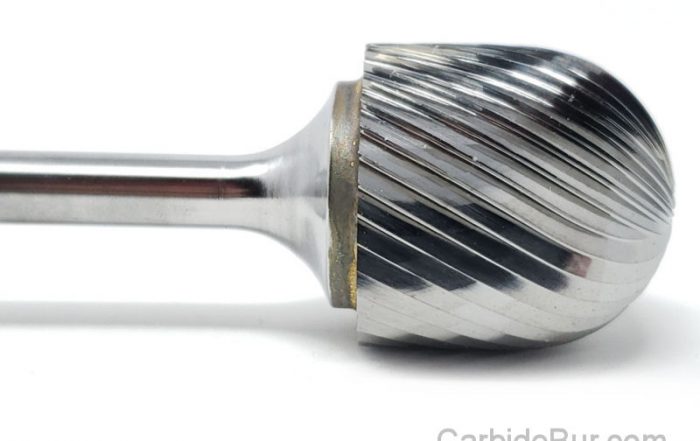
Ball-shaped burrs are great too. They help in rounding off corners, providing a polished finish. These shapes work together to give your projects a refined appearance, removing roughness and imperfections with ease.
Creating Intricate Designs
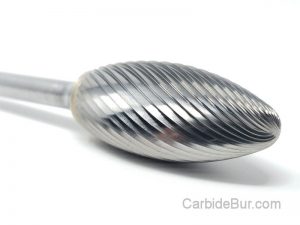
Intricate designs require burrs that offer precision and detail. Flame-shaped burrs are ideal for this task. They let you create fine lines and detailed patterns without damaging the material.
In addition, cone-shaped burrs offer versatility. They can reach tight spaces and create complex designs effortlessly. With these shapes, your creativity is not limited, allowing for diverse and unique designs.
Safety Tips for Fiberglass Work
Safety is paramount in fiberglass crafting. Proper tools and practices ensure not only the quality of your work but also your well-being.
Essential Fiberglass Tools
Having the right tools is the first step toward safe fiberglass work. Invest in a quality dust mask, safety glasses, and gloves. These items protect you from harmful dust and sharp particles.
Your toolkit should also include a reliable vacuum system. Keeping your workspace clean reduces hazards and improves the quality of your cuts. Remember, a well-prepared workspace is a safe workspace.
Protective Gear and Practices
Wearing protective gear is non-negotiable. A good respirator protects your lungs from dust, while safety goggles shield your eyes from debris. Gloves prevent cuts and skin irritation.
Adopt safe practices by maintaining a tidy workspace. Regularly check your tools for wear and tear, as damaged tools can lead to accidents. Prioritize safety to keep yourself protected while working on your projects.
Minimizing Material Damage Risks
To minimize damage risks, use the right burr at the correct speed. Too fast can lead to overheating and material damage. Practice control and adjust speeds based on material thickness.
Additionally, take regular breaks to check your progress. This helps you avoid overworking areas, ensuring a smooth and undamaged finish. By being attentive, you reduce the chances of costly mistakes.
Techniques for Clean Finishes
Achieving clean finishes is the hallmark of skilled fiberglass crafting. Focus on shaping techniques and consistency to enhance your work.
Effective Fiberglass Shaping
Effective shaping requires a steady hand and the right tools. Start with rough shaping using a coarse burr, then refine with finer burrs. This approach allows for detailed and controlled shaping.
Experiment with different pressures to find what works best for your project. Consistent practice improves your skill, resulting in cleaner and more precise shapes.
Enhancing Crafting Techniques
Improve your crafting techniques by learning from each project. Keep track of what works and what doesn’t. This knowledge enhances your future projects, turning challenges into opportunities for growth.
Explore new techniques and shapes to expand your skills. The more versatile you become, the more you can achieve with your fiberglass creations.
Ensuring Consistent Results
Consistency is key in fiberglass crafting. Develop a routine that starts with tool preparation and ends with a thorough cleanup. This habit ensures each project benefits from your best efforts.
Regularly assess your work for areas of improvement. This practice keeps your skills sharp and your results consistent. Remember, the goal is to produce high-quality work every time.
Optimizing Carbide Burr Performance
To get the most out of your carbide burrs, focus on maintenance and troubleshooting. This ensures they perform at their best for every project.
Maintenance and Longevity Tips
Maintaining your carbide burrs prolongs their life. Regularly clean them with a wire brush to remove debris. Store them in a dry place to prevent rust and corrosion.
Inspect burrs for wear before each use. Replace any that show signs of damage. This practice keeps your toolkit reliable and ready for any project.
Troubleshooting Common Issues
Common issues with carbide burrs include clogging and dullness. If a burr clogs, clean it immediately to restore performance. For dull burrs, consider sharpening or replacing them.
If you encounter difficulties, reassess your technique. Sometimes, a simple adjustment can solve the problem. Stay patient and persistent, and you’ll overcome these challenges.
Enhancing Efficiency in Projects
Efficiency is crucial in any project. Plan your work, from start to finish, to streamline the process. This reduces wasted time and effort.
Consider using multiple burrs for different tasks. This approach maximizes the efficiency of each tool, allowing you to complete projects faster and with greater precision.
By focusing on these strategies, you enhance your fiberglass crafting experience. You’ll achieve cleaner finishes, reduce dust, and improve overall project quality. Keep honing your skills, and you’ll see the benefits in every piece you create.
Looking for Carbide Bur Tools?
Check out our entire selection of USA made carbide bur die grinder tool bits
Follow us on Twitter

Return to CarbideBur.com
Carbide Burs – 1/4″ on 1/8″ Shanks – Accessories – Aluminum Cut – Bur Sets – End Mills – Long Shank – Solid Burs
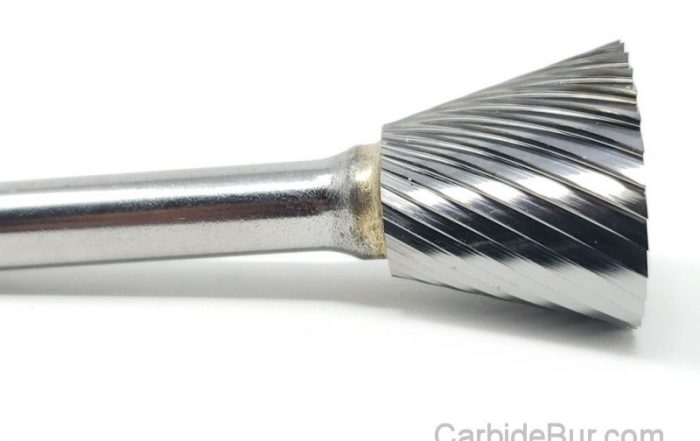
1/8 vs 1/4 Inch Carbide Burrs: What’s the Difference?
1/8 vs 1/4 Inch Carbide Burrs: What's the Difference? Choosing between a 1/8 inch carbide burr and a 1/4 inch carbide burr can change how your project turns out. Many machinists and hobbyists overlook how [...]
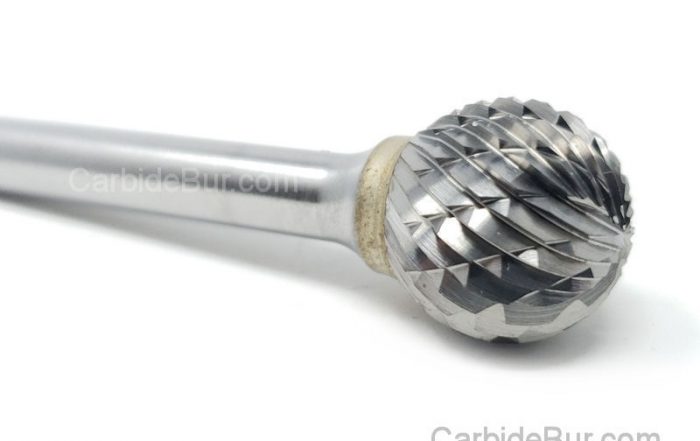
Best Carbide Burr for Removing Flash From Castings
Best Carbide Burr for Removing Flash From Castings Removing flash from castings is a task that can slow down your entire metalworking process if you don’t have the right tools. Picking the best carbide burr [...]
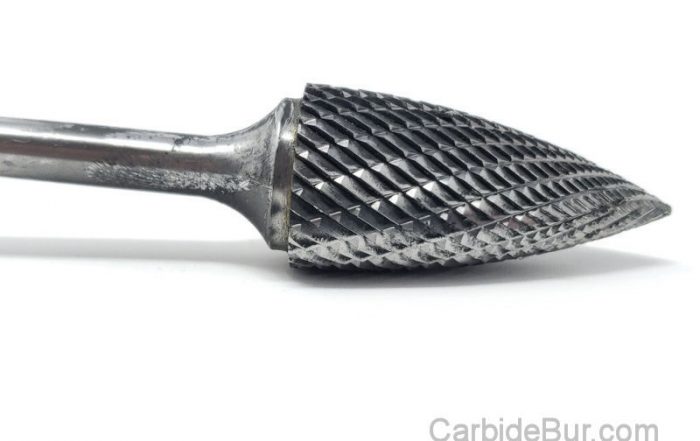
What RPM Should You Use for a 1/4 Inch Carbide Burr?
What RPM Should You Use for a 1/4 Inch Carbide Burr? Most machinists guess the right speed for a 1/4 inch carbide burr and hope for the best. Using the wrong carbide burr RPM can [...]
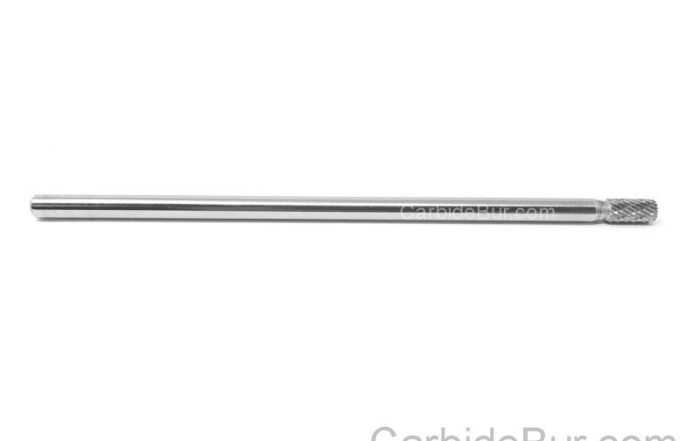
Long Shank Carbide Burrs: When Do You Need One?
Long Shank Carbide Burrs: When Do You Need One? Most machinists overlook the power of long shank carbide burrs until a project demands precision in tight spaces. When your usual tools can’t reach intricate contours, [...]
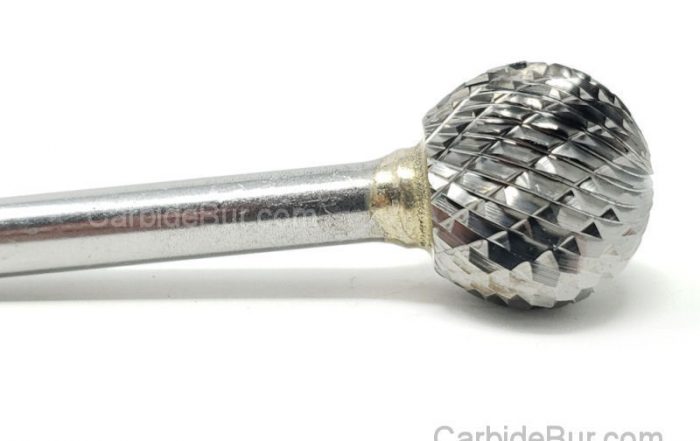
How Deep Can a Carbide Burr Cut Metal?
How Deep Can a Carbide Burr Cut Metal? Carbide burrs often get praised for their precision, but many users hit a wall wondering how deep they can actually cut metal. The truth is, cutting depth [...]
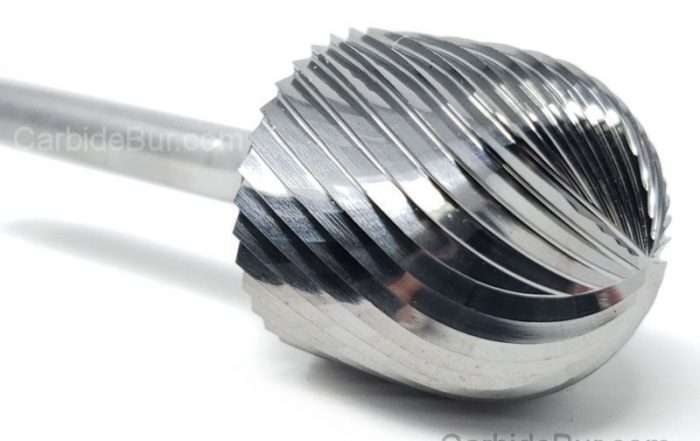
How to Use Carbide Burrs for Port Matching
How to Use Carbide Burrs for Port Matching Most engine builds hit a wall when airflow doesn’t flow smoothly between the ports and manifolds. If your engine isn’t breathing right, your performance stalls. Using the [...]
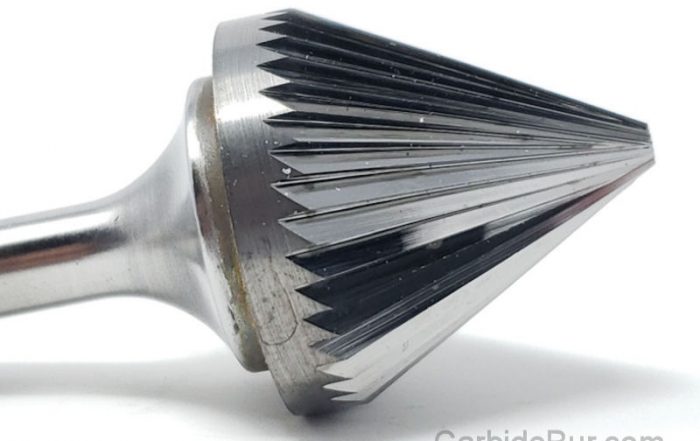
Best Carbide Burr for Porting Intake Manifolds
Best Carbide Burr for Porting Intake Manifolds Porting intake manifolds can make or break your engine’s airflow, yet many struggle with the right tools for the job. Choosing the best carbide burrs is key to [...]
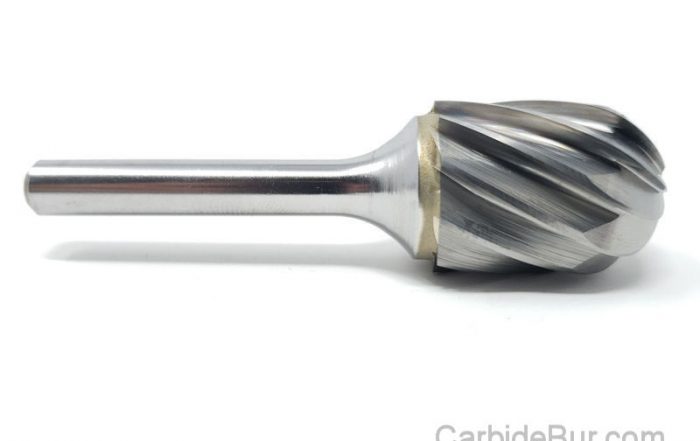
Best Carbide Burr for Concave Surfaces
Best Carbide Burr for Concave Surfaces Concave surfaces can turn a straightforward project into a frustrating challenge if you don’t have the right tool. Carbide burrs designed for these tricky curves make all the difference [...]
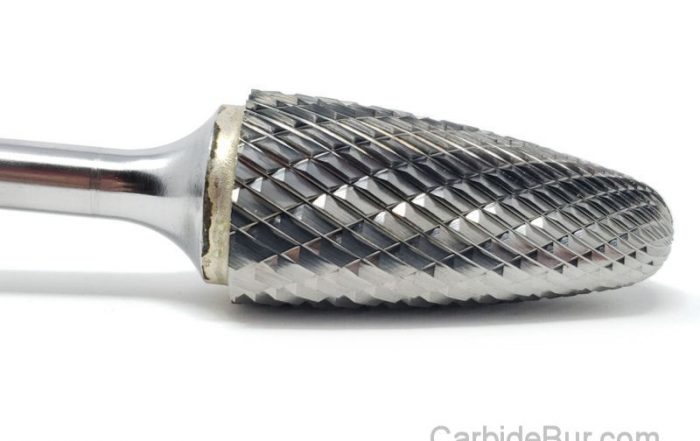
How to Grind a Slot in Metal With a Carbide Burr
How to Grind a Slot in Metal With a Carbide Burr Grinding a precise slot in metal can feel like a tricky task, especially if you’re unsure which tools to trust. Carbide burr grinding offers [...]

Best Carbide Burr for Inside Corners
Best Carbide Burr for Inside Corners Working in tight inside corners can turn even simple projects into frustrating tasks. Many carbide burrs just don’t fit or cut cleanly where you need them most. The best [...]
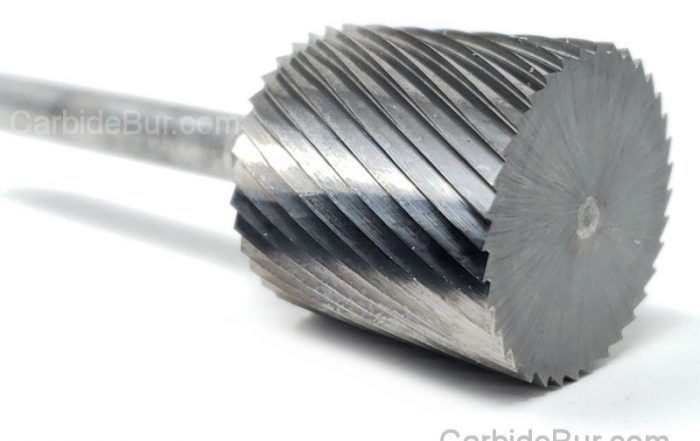
What Size Carbide Burr Do I Need?
What Size Carbide Burr Do I Need? Picking the wrong carbide burr can turn a simple project into a frustrating mess. You might have the best machining tools but still miss the mark if your [...]
How to Smooth Sharp Metal Edges With a Carbide Burr
How to Smooth Sharp Metal Edges With a Carbide Burr Sharp metal edges can turn your project from professional to risky in seconds. If you’ve struggled with smoothing metal edges without scratching or weakening the [...]
