
Enhance Your Metalworking Skills: Effective Techniques for Using Carbide Burrs on Tough Materials
Carbide burrs often face tough questions when it comes to cutting hardened steel. You know this material doesn’t give up easily—it’s dense and demanding. This post breaks down which carbide burr types and cutting geometries handle this challenge best, plus how to set the right speed, feed rates, and cooling methods to keep your tools sharp and your work precise. Stick around to get the details that make your metalworking tools pull their weight on the hardest jobs. For more insights, check out this guide on carbide burrs for steel.
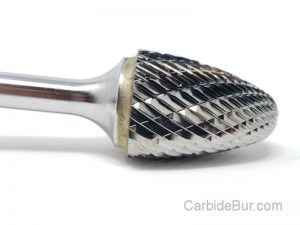
Check out this selection of USA made carbide burs
Understanding Carbide Burrs
Carbide burrs are essential for tackling tough materials. They stand out due to their durability and precision. Let’s explore their types and how to pick the best ones for your needs.
Types of Carbide Burrs
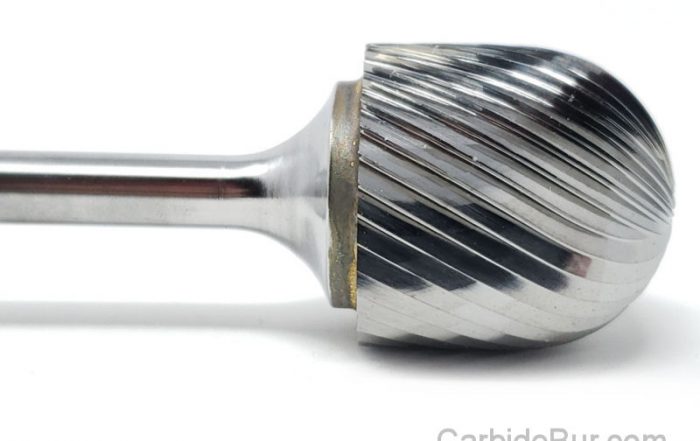
You might wonder what makes carbide burrs suitable for dense metals. Well, they come in various shapes and sizes tailored for different tasks. Cylinder, oval, and flame shapes are just a few examples. Each type has its specialty:
-
Cylinder: Ideal for flat surfaces and right angles.
-
Oval: Perfect for rounded edges and contoured surfaces.
-
Flame: Great for detailed work and tight spaces.
The material’s toughness dictates the choice. Browsing through the 22 things to know about carbide burrs can provide more insights.
Selecting the Right Shapes and Sizes
Choosing the correct shape and size is crucial. It impacts efficiency and end results. If you’re working on detailed edges, a small flame burr might be your best bet. For larger areas, consider a bigger cylinder burr.
Here’s what to remember:
-
Small burrs for precision.
-
Large burrs for fast material removal.
-
Match size to task complexity.
Most people think any burr will do, but selecting the right one is key. Check out these discussions on carbide burrs and stainless steel to see what others recommend.
Cutting Geometry for Tough Materials
Cutting geometry affects performance on hard metals. It determines how cleanly the burr cuts. Different geometries serve different purposes:
-
Single cut: Offers smooth finishes.
-
Double cut: Provides rapid removal.
-
Aluminum cut: Best for non-ferrous metals.
Pick based on your project needs. Understanding geometry can significantly impact results, making your work less challenging and more rewarding.
Cutting Hardened Steel
Once you know the types, diving into the specifics of hardened steel is next. This metal presents its own set of challenges. Let’s look at what makes it tough to cut and how carbide burrs help.

Need a longer reach for your die grinder?
Challenges in Hardened Steel Machining
Hardened steel is renowned for its durability. It resists wear, making it a staple in demanding projects. However, this toughness poses challenges in machining:
-
High heat generation.
-
Rapid tool wear.
-
Difficulty in maintaining precision.
Most think hardened steel is unworkable, but with the right tools, it becomes manageable. Understanding these challenges helps you prepare better.
Carbide Burrs in Metalworking Tools
Carbide burrs are your go-to for hardened steel. They withstand wear and tear while delivering precise cuts. Here’s why they excel:
-
Durability: Last longer than other tools.
-
Precision: Offer exact cuts, crucial for detailed work.
-
Versatility: Handle a variety of tasks.
In metalworking, they prove invaluable. They are discussed extensively in this Practical Machinist forum.
Effective Material Removal Techniques
Efficient removal involves strategy. Here’s how to get the best results:
-
Use double cut burrs for faster removal.
-
Maintain consistent pressure to avoid tool damage.
-
Utilize cooling methods to manage heat and extend tool life.
Applying these techniques ensures smoother operations and prolongs tool lifespan.
Optimizing Carbide Burr Performance
Now that you’re familiar with carbide burrs, let’s focus on optimizing them for peak performance. This section covers crucial settings and methods to enhance their use.
Speed Settings and Feed Rates
Getting the speed right is vital:
-
Start with low RPMs for control.
-
Gradually increase based on material response.
-
Maintain consistent feed rates for uniform cuts.
These adjustments reduce wear and enhance precision in your work. To learn more about speed adjustments, visit this LinkedIn article.
Cooling Methods to Prevent Tool Wear
Heat is the enemy of tools. Effective cooling extends tool life:
-
Air cooling: Good for light tasks.
-
Liquid cooling: Essential for prolonged use.
-
Pulsed cooling: For delicate operations.
Implementing these methods ensures your tools remain sharp and efficient.
Tool Optimization for Tough Materials
For tough materials, proper tool optimization is key. Ensure your burrs are sharp and correctly mounted. This reduces stress on the tool and improves efficiency. Regular maintenance prevents unexpected downtimes during projects.
Techniques for Efficient Use
After optimizing, focus on using these tools efficiently. Mastering techniques ensures you get the most out of your carbide burrs.
Mastering Cutting Geometry
Cutting geometry mastery is essential for success. Understand how angles and shapes affect cutting efficiency. Experiment with different cuts for various applications. You’ll quickly see improvements in speed and precision.
Enhancing Tool Longevity
To keep your tools in top condition:
-
Regular cleaning: Prevents buildup.
-
Routine inspections: Spot wear early.
-
Proper storage: Avoids damage.
These practices extend tool life and save costs in the long run.
Practical Tips for DIY Enthusiasts
For DIY enthusiasts, here are some handy tips:
-
Start with practice materials.
-
Use protective gear.
-
Keep a steady hand.
These tips ensure safe, effective, and enjoyable projects.
Empowering Your Metalworking Skills
With all these techniques, you’re on your way to mastering metalworking. Now, let’s boost your confidence to tackle any project.
Building Confidence in Your Projects
Confidence grows with experience. Start small and gradually take on larger tasks. Each successful project builds your skills and boosts your confidence.
Aspiring to Professional Quality
Aim for professional quality in your work. Set high standards, and soon you’ll be delivering top-notch results. Continuous learning and practice are your allies.
Resources for Continued Learning
Keep expanding your knowledge with these resources:
-
Online forums: Exchange tips with peers.
-
Video tutorials: Visual learning for new techniques.
-
Workshops: Hands-on experience.
Staying informed keeps you ahead in the ever-changing world of metalworking tools.
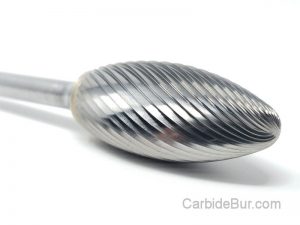
Looking for Carbide Bur Tools?
Check out our entire selection of USA made carbide bur die grinder tool bits
Follow us on Twitter

Return to CarbideBur.com
Carbide Burs – 1/4″ on 1/8″ Shanks – Accessories – Aluminum Cut – Bur Sets – End Mills – Long Shank – Solid Burs
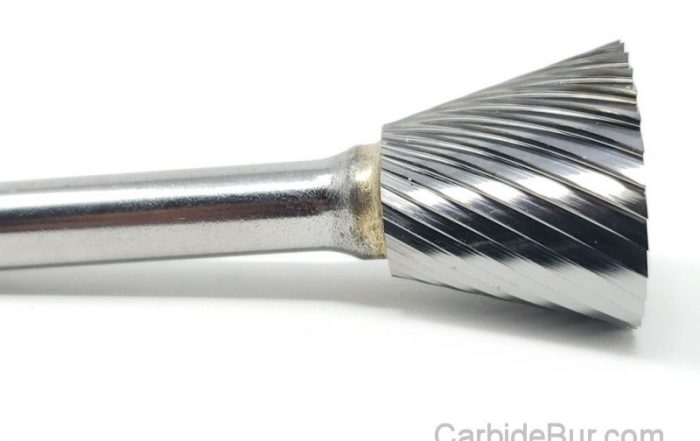
1/8 vs 1/4 Inch Carbide Burrs: What’s the Difference?
1/8 vs 1/4 Inch Carbide Burrs: What's the Difference? Choosing between a 1/8 inch carbide burr and a 1/4 inch carbide burr can change how your project turns out. Many machinists and hobbyists overlook how [...]
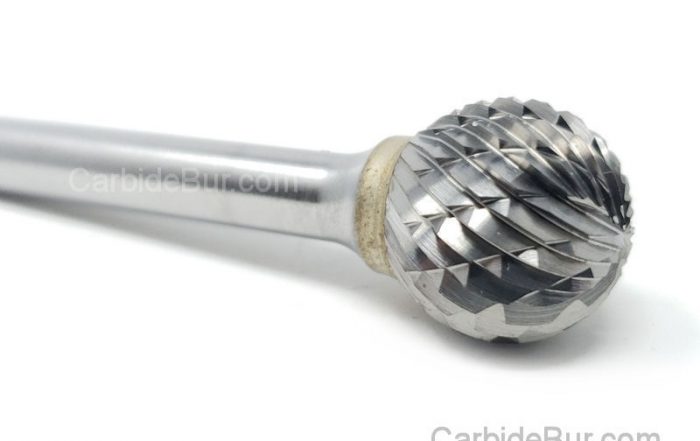
Best Carbide Burr for Removing Flash From Castings
Best Carbide Burr for Removing Flash From Castings Removing flash from castings is a task that can slow down your entire metalworking process if you don’t have the right tools. Picking the best carbide burr [...]
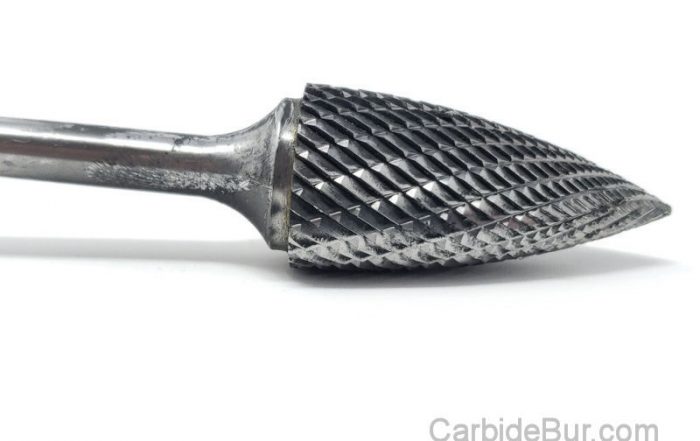
What RPM Should You Use for a 1/4 Inch Carbide Burr?
What RPM Should You Use for a 1/4 Inch Carbide Burr? Most machinists guess the right speed for a 1/4 inch carbide burr and hope for the best. Using the wrong carbide burr RPM can [...]
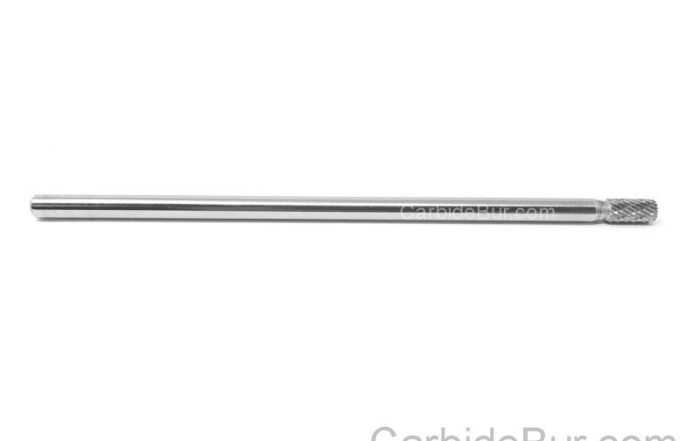
Long Shank Carbide Burrs: When Do You Need One?
Long Shank Carbide Burrs: When Do You Need One? Most machinists overlook the power of long shank carbide burrs until a project demands precision in tight spaces. When your usual tools can’t reach intricate contours, [...]
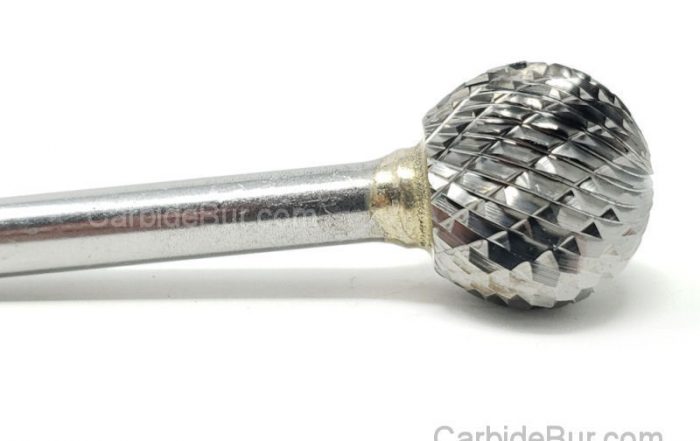
How Deep Can a Carbide Burr Cut Metal?
How Deep Can a Carbide Burr Cut Metal? Carbide burrs often get praised for their precision, but many users hit a wall wondering how deep they can actually cut metal. The truth is, cutting depth [...]
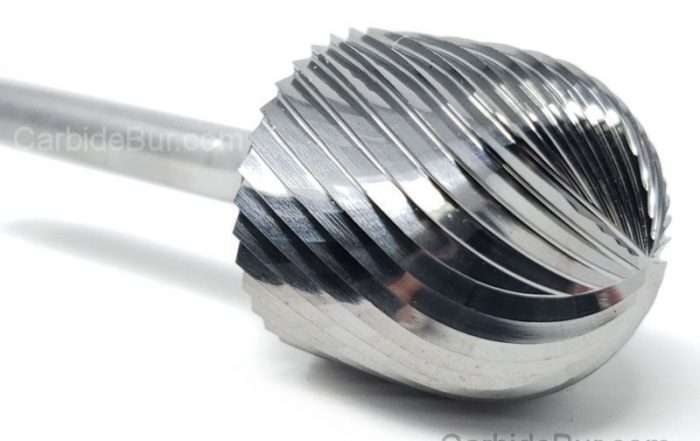
How to Use Carbide Burrs for Port Matching
How to Use Carbide Burrs for Port Matching Most engine builds hit a wall when airflow doesn’t flow smoothly between the ports and manifolds. If your engine isn’t breathing right, your performance stalls. Using the [...]
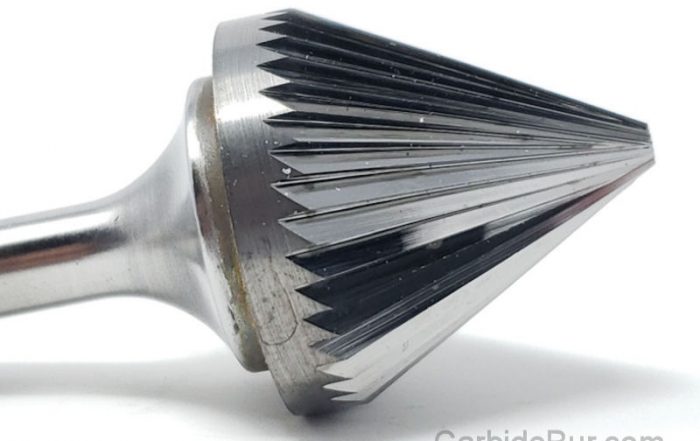
Best Carbide Burr for Porting Intake Manifolds
Best Carbide Burr for Porting Intake Manifolds Porting intake manifolds can make or break your engine’s airflow, yet many struggle with the right tools for the job. Choosing the best carbide burrs is key to [...]
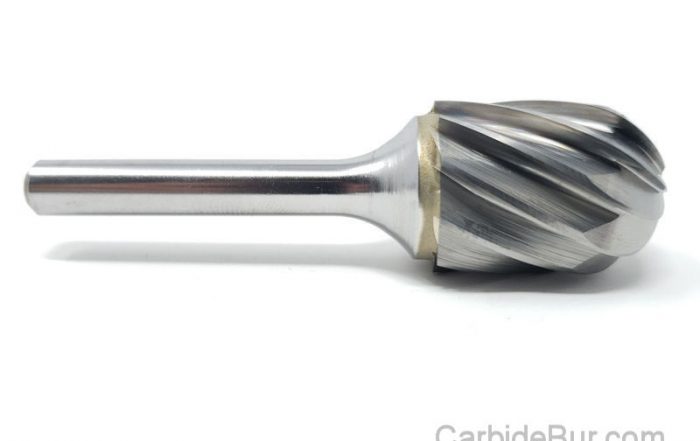
Best Carbide Burr for Concave Surfaces
Best Carbide Burr for Concave Surfaces Concave surfaces can turn a straightforward project into a frustrating challenge if you don’t have the right tool. Carbide burrs designed for these tricky curves make all the difference [...]
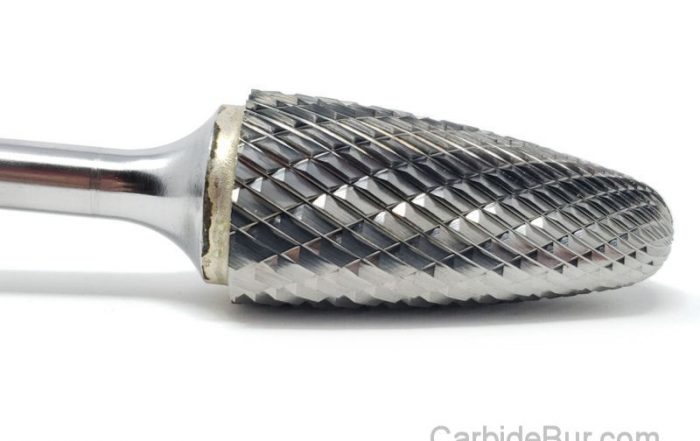
How to Grind a Slot in Metal With a Carbide Burr
How to Grind a Slot in Metal With a Carbide Burr Grinding a precise slot in metal can feel like a tricky task, especially if you’re unsure which tools to trust. Carbide burr grinding offers [...]

Best Carbide Burr for Inside Corners
Best Carbide Burr for Inside Corners Working in tight inside corners can turn even simple projects into frustrating tasks. Many carbide burrs just don’t fit or cut cleanly where you need them most. The best [...]
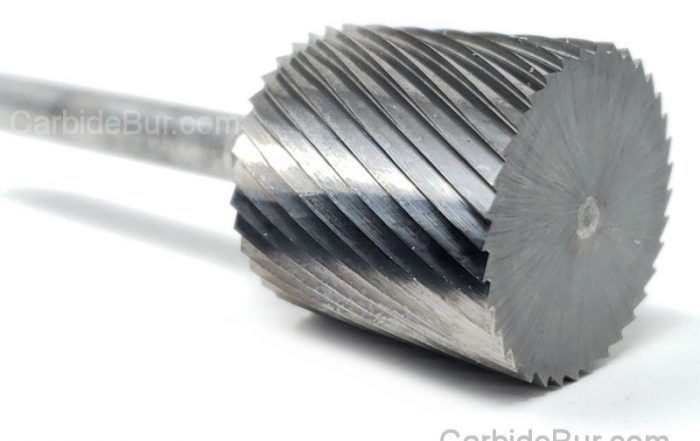
What Size Carbide Burr Do I Need?
What Size Carbide Burr Do I Need? Picking the wrong carbide burr can turn a simple project into a frustrating mess. You might have the best machining tools but still miss the mark if your [...]
How to Smooth Sharp Metal Edges With a Carbide Burr
How to Smooth Sharp Metal Edges With a Carbide Burr Sharp metal edges can turn your project from professional to risky in seconds. If you’ve struggled with smoothing metal edges without scratching or weakening the [...]
