
Casting
Casting is a manufacturing process in which a liquid material is usually poured into a mold, which contains a hollow cavity of the desired shape, and then allowed to solidify. The solidified part is also known as a casting, which is ejected or broken out of the mold to complete the process. Casting materials are usually metals or various time setting materials that cure after mixing two or more components together; examples are epoxy, concrete, plaster and clay. Casting is most often used for making complex shapes that would be otherwise difficult or uneconomical to make by other methods. Heavy equipment like machine tool beds, ships’ propellers, etc. can be cast easily in the required size, rather than fabricating by joining several small pieces.
Casting is a 7,000-year-old process. The oldest surviving casting is a copper frog from 3200 BC.
History
Lost wax casting can be dated back to 4000 BC or the Chalcolithic period. One of the oldest studied examples of this technique is a 6,000-year old amulet from Indus valley civilization.
There were no pieces of lost wax found in the capital of Anyang during the Shane dynasty (1600-1040 BC) while a large amount (100,000 pieces) of piece-mould fragments were found. This led to the conclusion that lost wax was not performed in the capital during this dynasty. However, the discovery of a mask made using the investment moulding dated at around 1300 BC indicated that the lost wax technique may have influenced other regions in China.
Metal
In metalworking, metal is heated until it becomes liquid and is then poured into a mold. The mold is a hollow cavity that includes the desired shape, but the mold also includes runners and risers that enable the metal to fill the mold. The mold and the metal are then cooled until the metal solidifies. The solidified part (the casting) is then recovered from the mold. Subsequent operations remove excess material caused by the casting process (such as the runners and risers).
Plaster, concrete, or plastic resin
Plaster and other chemical curing materials such as concrete and plastic resin may be cast using single-use waste molds as noted above, multiple-use ‘piece’ molds, or molds made of small rigid pieces or of flexible material such as latex rubber (which is in turn supported by an exterior mold). When casting plaster or concrete, the material surface is flat and lacks transparency. Often topical treatments are applied to the surface. For example, painting and etching can be used in a way that give the appearance of metal or stone. Alternatively, the material is altered in its initial casting process and may contain colored sand so as to give an appearance of stone. By casting concrete, rather than plaster, it is possible to create sculptures, fountains, or seating for outdoor use. A simulation of high-quality marble may be made using certain chemically-set plastic resins (for example epoxy or polyester which are thermosetting polymers) with powdered stone added for coloration, often with multiple colors worked in. The latter is a common means of making washstands, washstand tops and shower stalls, with the skilled working of multiple colors resulting in simulated staining patterns as is often found in natural marble or travertine.
Fettling
Raw castings often contain irregularities caused by seams and imperfections in the molds, as well as access ports for pouring material into the molds. The process of cutting, grinding, shaving or sanding away these unwanted bits is called “fettling”. In modern times robotic processes have been developed to perform some of the more repetitive parts of the fettling process, but historically fettlers carried out this arduous work manually, and often in conditions dangerous to their health.
Fettling can add significantly to the cost of the resulting product, and designers of molds seek to minimize it through the shape of the mold, the material being cast, and sometimes by including decorative elements.
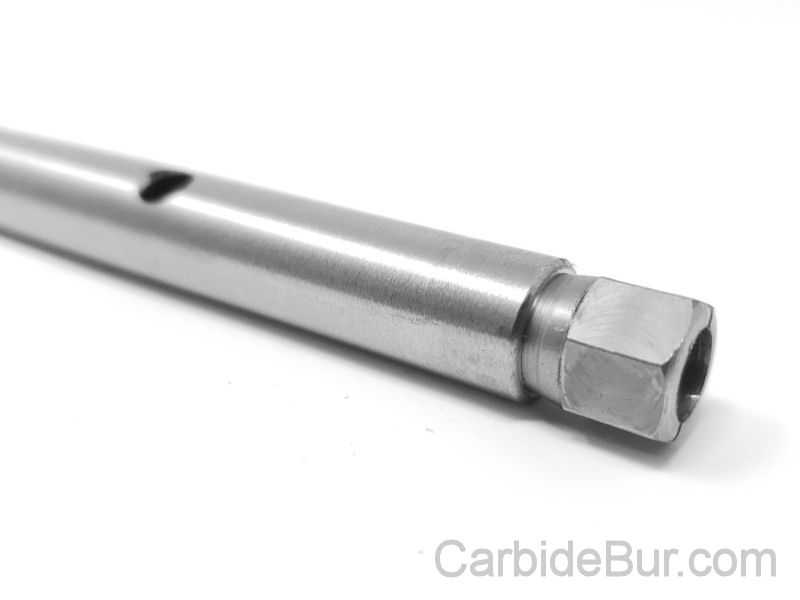
Need a longer reach?
Try our 4″ and 9″ extension tool for your carbide bur bits

Casting process simulation
Casting process simulation uses numerical methods to calculate cast component quality considering mold filling, solidification and cooling, and provides a quantitative prediction of casting mechanical properties, thermal stresses and distortion. Simulation accurately describes a cast component’s quality up-front before production starts. The casting rigging can be designed with respect to the required component properties. This has benefits beyond a reduction in pre-production sampling, as the precise layout of the complete casting system also leads to energy, material, and tooling savings.
The software supports the user in component design, the determination of melting practice and casting methoding through to pattern and mold making, heat treatment, and finishing. This saves costs along the entire casting manufacturing route.
Casting process simulation was initially developed at universities starting from the early ’70s, mainly in Europe and in the U.S., and is regarded as the most important innovation in casting technology over the last 50 years. Since the late ’80s, commercial programs (such as AutoCAST and MAGMA) are available which make it possible for foundries to gain new insight into what is happening inside the mold or die during the casting process.
The Art and Science of the Casting Process in Modern Industry
In the intricate realm of modern industry, the casting process stands as both an art and a science, pivotal to the creation of high-quality components. This manufacturing technique, involving the meticulous pouring of liquid materials into expertly crafted mold designs, is fundamental across sectors such as automotive casting and aerospace manufacturing. The precision and efficiency of this process allow for the production of complex shapes, meeting the demanding standards of today’s innovative markets. As advancements in casting continue to enhance material properties and optimize production efficiency, understanding this process becomes crucial for professionals and enthusiasts alike. Join us as we delve into the fascinating world of casting, exploring the latest manufacturing techniques and their transformative impact on industry.
Introduction to Casting Process
The casting process is a cornerstone of modern manufacturing, enabling the creation of intricate and durable components. It requires a deep understanding of various elements involved in shaping raw materials into finished products.
Understanding Liquid Materials
Liquid materials are the lifeblood of the casting process. They are typically metals heated until they become molten and can fill intricate mold cavities. The choice of material depends on desired properties such as strength, heat resistance, and ductility. For instance, aluminum and iron are commonly used due to their favorable characteristics and cost-effectiveness.
Understanding material properties is crucial. For example:
-
Aluminum: Lightweight, corrosion-resistant, and has excellent thermal conductivity.
-
Iron: Known for its strength and wear resistance, making it ideal for heavy-duty applications.
Each material has a unique set of advantages, so selecting the right one is vital in achieving desired outcomes in the manufacturing process.
For more on material selection and its impact on the casting process, visit Industrial Metal Service.
Importance of Mold Design
Mold design is integral to successful casting. An expertly crafted mold ensures the component’s shape, dimensions, and surface finish meet specifications. A mold must withstand high temperatures and pressures without deforming, making design and material choice critical.
Key considerations include:
-
Mold material: Choose based on the casting material’s melting point. Common choices are sand, metal, or ceramics.
-
Design complexity: More intricate designs require advanced techniques to ensure uniformity and detail.
-
Cooling rates: Adjust to influence the grain structure and mechanical properties of the cast part.
According to Carbide Burr, the precision of mold design directly impacts the quality and efficiency of the casting process, emphasizing the need for innovation and accuracy.
Industry Applications of Casting
Casting plays a crucial role in various industries, from automotive to aerospace. Each sector leverages this process to produce components that meet specific performance and durability requirements.
Automotive Casting Innovations
Automotive casting is pivotal in creating lightweight yet robust components. Recent innovations have focused on improving fuel efficiency and performance through advanced casting techniques.
Key advancements include:
-
Integration of lightweight materials: Reduces vehicle weight, enhancing fuel economy.
-
Precision casting: Ensures high tolerance and minimal waste, crucial for engine components.
-
Sustainable practices: Implementing eco-friendly methods to minimize environmental impact.
For more information on the benefits of these advancements, visit VForge.
Aerospace Manufacturing Techniques
In aerospace manufacturing, the casting process is essential for producing parts that can withstand extreme conditions. The industry demands high precision and performance, which casting techniques are well-suited to deliver.
Recent developments involve:
-
Use of superalloys: To withstand high temperatures and stress.
-
Advanced simulation techniques: For optimizing mold design and process parameters.
-
Additive manufacturing integration: Enhances complex geometries and reduces lead times.
Aerospace manufacturers rely on casting for components like turbine blades and structural parts, where performance and reliability are non-negotiable.
Advancements and Benefits
Recent advancements in casting technologies have significantly improved material properties and production efficiency, making this process more cost-effective and sustainable.
Material Properties and Production Efficiency
Advancements in casting have led to improved material properties, such as increased strength and durability. Key benefits include:
-
Enhanced mechanical properties: Through controlled solidification processes.
-
Reduction in defects: Thanks to better mold materials and design techniques.
-
Increased efficiency: With automation and real-time monitoring reducing production times.
These improvements not only enhance the quality of the final product but also reduce costs and environmental impact. Explore more about these efficiencies at Carbide Bur.
High-Quality Components Through New Technologies
Innovative technologies have transformed casting, enabling the production of high-quality components with complex geometries and superior finishes.
Technological advancements include:
-
3D printing of molds, allowing for rapid prototyping and reduced lead times.
-
Robotics and automation: Improve precision and reduce human error.
-
Data analytics: Optimize processes and predict maintenance needs.
These technologies ensure components meet rigorous industry standards, enhancing performance and reliability. As casting continues to evolve, it remains a vital process in modern manufacturing.
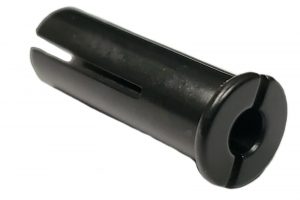
Try our 1/4” to 1/8” Collet Reducer
Allows you to use 1/8” shank carbide bits in your 1/4” die grinder
All our USA made carbide bur cutting tools ship SAME DAY ordered by USPS Mail with online tracking.
We can also dropship our carbide bur die grinder bits, if interested in joining our FREE dropship program.

We accept debit and all major credit card payments including Visa, MasterCard, Discover, American Express and PayPal. Fast and easy secure checkout with no account or login required. If you have any questions, visit our FAQ page or contact us here.

Follow us on Facebook, Twitter and Instagram

Return to CarbideBur.com
Carbide Burs – 1/4″ on 1/8″ Shanks – Accessories – Aluminum Cut – Bur Sets – End Mills – Long Shank – Solid Burs