
9″ Die Grinder Extension Tool
Our 9″ die grinder extension tool is in stock and ships SAME DAY ordered.
The extension tool allows you to have an extra 9″ reach for your our carbide bur die grinder tool bits
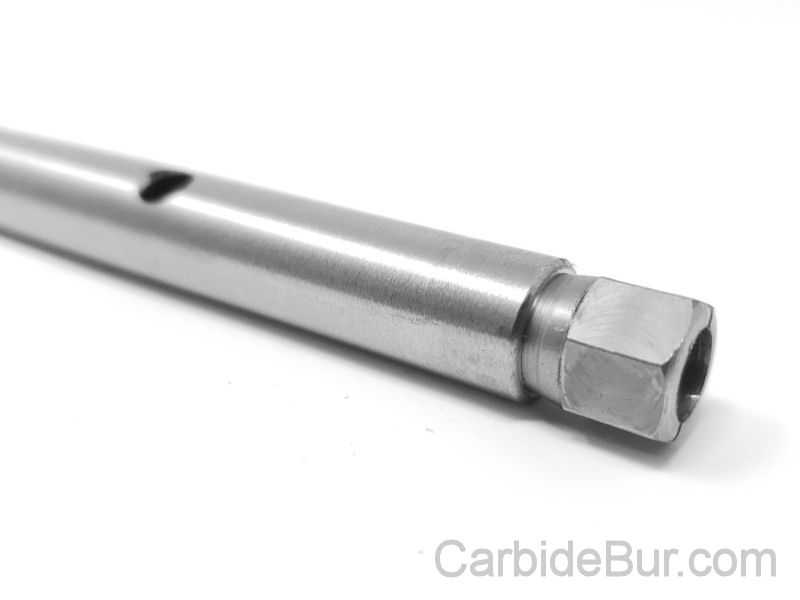
Click here to order our 9″ Extension Tool


Need an extra collet for your EX9 or EX4? Get yours today for only $23.95
Unlocking New Possibilities with Die Grinder Tool Bit Extensions
In the world of DIY projects and professional craftsmanship, the versatility of the die grinder is unmatched, especially when paired with the right accessories. Enter the die grinder tool bit extension—an innovative addition that offers an impressive 9″ longer reach to your carbide bur die grinder bits, transforming the way you approach intricate tasks. These extension tools are designed to enhance precision and accessibility, allowing you to tackle hard-to-reach areas with ease and efficiency. Whether you’re a seasoned professional or a passionate DIY enthusiast, understanding the benefits and applications of a long reach die grinder can unlock new possibilities in your work. Join us as we delve into the details of this essential grinder accessory, exploring how it can elevate your projects to new heights. Learn more about die grinders here.
Introduction to Die Grinder Tool Bit Extensions
Die grinder tool bit extensions are revolutionizing how craftsmen and DIY enthusiasts approach projects. These extensions provide additional reach and precision, enabling users to tackle intricate tasks in hard-to-access areas. By enhancing the capabilities of die grinders, tool bit extensions open up new possibilities, making them an essential addition to any toolkit.
What Are Tool Bit Extensions?
Tool bit extensions are specialized attachments designed to extend the reach of die grinder bits. These extensions are typically made from durable materials, ensuring longevity and reliability during use. By adding an extra 9 inches to the reach, they allow for greater flexibility and precision when working on detailed projects.
The primary purpose of tool bit extensions is to enhance the versatility of the die grinder. This added length makes it easier to access tight spots or corners that would otherwise be challenging to reach. Users can select from various extensions depending on their specific needs and the type of materials they work with.
Moreover, tool bit extensions are compatible with various die grinder accessories, making them a versatile addition to any toolkit. For more information on the applications of die grinders, check out this comprehensive guide.
Importance of Long Reach Die Grinders
Long reach die grinders are crucial for projects requiring precision in tight or hard-to-reach spaces. These grinders enable users to maintain control and accuracy when working on intricate designs, delivering superior results. The added reach provided by tool bit extensions enhances the functionality of these grinders, making them indispensable in many settings.
Accessibility is a significant advantage of long reach die grinders. They allow users to work on complex projects without the need for additional tools or adjustments. This extended reach is particularly beneficial in industries such as automotive repair, metalworking, and woodworking, where precision is paramount.
Investing in a long reach die grinder can significantly improve efficiency and workflow. By enabling users to complete tasks more quickly and accurately, these tools ultimately lead to higher-quality results. To learn more about the versatility of air angle die grinders, visit this detailed resource.
Benefits of Using Extension Tools
Using extension tools with your die grinder offers numerous benefits that enhance both the quality and efficiency of your work. By providing additional reach and precision, these tools are invaluable for various applications.
-
Increased Accessibility: Extension tools allow you to reach tight spots and awkward angles, improving accessibility during complex tasks.
-
Enhanced Precision: With greater control over the tool’s movement, users can achieve more accurate and detailed results.
-
Versatility: Extension tools are compatible with a wide range of die grinder accessories, making them suitable for numerous projects.
These benefits make extension tools an essential component of any professional or DIY toolkit. For more insights into die grinder applications, consider exploring this informative article.
Selecting the Right Die Grinder Extension
Choosing the right die grinder extension is vital to maximizing the performance of your tool. Several factors must be considered to ensure optimal compatibility and functionality with your existing equipment.
Factors to Consider
When selecting a die grinder extension, several factors must be taken into account to ensure compatibility and optimal performance. These considerations will help you make an informed decision that enhances your tool’s capabilities.
-
Material: Choose an extension made from high-quality, durable materials that can withstand rigorous use and resist wear.
-
Length: Consider the length of the extension in relation to your specific project needs. An extension that is too long or too short can hinder performance.
-
Compatibility: Ensure that the extension is compatible with your existing die grinder model and accessories.
By carefully evaluating these factors, you can select an extension that meets your needs and enhances your work efficiency. For more guidance, visit this helpful resource.
Compatibility with Grinder Accessories
Compatibility is crucial when selecting a die grinder extension, as it ensures that the tool functions seamlessly with existing grinder accessories. To achieve this, users must consider the size and connection type of both the extension and the accessories.
The first step is to verify that the extension fits securely onto the die grinder. An incompatible extension can lead to reduced precision and control, negatively affecting the quality of your work. Additionally, ensure that the extension is compatible with various accessory types, such as sanding discs, cutting wheels, and polishing pads.
Furthermore, it is essential to check the manufacturer’s recommendations for compatible accessories. This information can usually be found in the product manual or on the manufacturer’s website. By selecting compatible components, users can maximize the efficiency and effectiveness of their die grinder setup.
Choosing the Best Carbide Bur
Selecting the best carbide bur for your die grinder involves understanding the specific requirements of your project and the materials you will be working with. Carbide burs come in different shapes and sizes, each designed for particular applications.
Consider the material hardness and the desired finish when choosing a carbide bur. For example, a coarse bur might be ideal for rapid material removal, while a fine bur is suitable for finishing and detailing. Additionally, the shape of the bur—such as ball, cone, or cylindrical—should match the contours of the workpiece.
Understanding the types of carbide burs available can significantly impact the outcome of your work. For more detailed information on carbide burs and their applications, visit this comprehensive guide.
Installation and Maintenance Tips
Proper installation and maintenance of die grinder bits and extensions are essential for ensuring optimal performance and extending the life of your tools. By following best practices, users can maintain the efficiency and safety of their equipment.
Installing Die Grinder Bits
Correctly installing die grinder bits is vital to ensuring the tool’s efficiency and safety. Follow these steps to install bits properly:
-
Secure the Grinder: Ensure the die grinder is turned off and unplugged to prevent accidental activation.
-
Insert the Bit: Loosen the collet nut, insert the bit into the collet, and then tighten the nut securely to hold the bit in place.
-
Check Alignment: Verify that the bit is properly aligned and seated to prevent wobbling during use.
By following these steps, users can ensure that their die grinder operates smoothly and effectively.
Ensuring Proper Maintenance
Regular maintenance is crucial for prolonging the lifespan and performance of your die grinder and its accessories. Proper care involves several key practices:
-
Routine Cleaning: After each use, clean the tool and its components to remove debris and prevent buildup that can affect performance.
-
Lubrication: Apply appropriate lubrication to moving parts to reduce friction and wear.
-
Inspection: Regularly inspect the tool and its accessories for signs of wear or damage, replacing any components as needed.
By adhering to these maintenance practices, users can ensure that their die grinder remains in optimal condition. For additional maintenance tips, refer to this detailed guide.
Safety Precautions
Adhering to safety precautions is vital when using die grinders and their extensions. Following these measures can prevent accidents and ensure a safe working environment:
-
Wear Protective Gear: Always wear safety goggles, gloves, and ear protection to safeguard against flying debris and noise.
-
Secure the Workpiece: Ensure the material being worked on is securely clamped to prevent movement during operation.
-
Follow Manufacturer Guidelines: Read and follow the manufacturer’s instructions for proper use and handling of the tool and its accessories.
These safety precautions are essential for minimizing risks and promoting safe tool usage.
Practical Applications and Techniques
Die grinder tool bit extensions open up a range of practical applications and techniques for both DIY enthusiasts and professional craftsmen. Their versatility and precision make them ideal for various tasks and projects.
Enhancing DIY Projects
Tool bit extensions are invaluable for enhancing DIY projects by enabling hobbyists to tackle more complex tasks with ease. The added reach and precision allow users to work on detailed and intricate designs that would otherwise be challenging.
For example, DIY enthusiasts can use extensions to reach tight corners in woodworking projects or to smooth out difficult-to-access areas in metalworking. The ability to work precisely in confined spaces enhances the quality and finish of the final product.
By incorporating tool bit extensions into their toolkit, DIYers can expand their project capabilities and achieve professional-level results. For more inspiration and ideas, consider exploring this informative resource.
Professional Uses in Craftsmanship
In professional craftsmanship, die grinder tool bit extensions are crucial for achieving precise results in a variety of applications. Their extended reach and enhanced control make them indispensable for tasks that demand accuracy and detail.
For example, professionals in the automotive industry use these extensions to work on engine parts and other components with intricate designs. Metalworkers and machinists also benefit from the precision and accessibility offered by these tools.
The versatility of tool bit extensions allows craftsmen to work more efficiently and effectively, ultimately leading to higher-quality results. By investing in these tools, professionals can expand their capabilities and improve their workflow.
Maximizing Efficiency with Long Reach
To maximize efficiency with a long reach die grinder, users should adopt techniques that leverage the tool’s capabilities for optimal performance. The extended reach allows for smoother operations in confined spaces.
-
Plan the Project: Outline the steps and determine the areas that require extended reach before beginning the work.
-
Choose the Right Bit: Select the appropriate carbide bur for the material and task to ensure efficient cutting or shaping.
-
Apply Steady Pressure: Use consistent pressure to maintain control and achieve a smooth finish.
By following these techniques, users can enhance their efficiency and achieve better results on their projects.
Conclusion: Expanding Your Tool Kit
Die grinder tool bit extensions are a valuable addition to any toolkit, providing the versatility and precision needed for a wide range of applications. By understanding their benefits and applications, users can elevate their craftsmanship and tackle more complex tasks with confidence.
Recap of Key Benefits
Die grinder tool bit extensions offer several key benefits that enhance both DIY and professional projects:
-
Increased Reach: Allows for access to tight and hard-to-reach areas, improving project outcomes.
-
Enhanced Precision: Provides greater control over the tool’s movement, resulting in more accurate and detailed work.
-
Versatility: Compatible with various grinder accessories, making them suitable for numerous applications.
These benefits make tool bit extensions an essential component of any comprehensive tool kit.
Future of Die Grinder Tools
The future of die grinder tools lies in continued innovation and development, expanding their capabilities and applications. As technology advances, we can expect to see improvements in materials, design, and functionality, further enhancing the effectiveness of these tools.
Emerging trends in die grinder technology include smarter, more efficient designs that prioritize user comfort and safety. Additionally, advancements in accessory compatibility and performance will continue to expand the range of possible applications.
By staying informed about these developments, users can ensure they are equipped with the latest and most effective tools for their projects.
Encouraging Experimentation and Innovation
Experimentation and innovation are at the core of expanding the potential of die grinder tools. By exploring new techniques and applications, users can push the boundaries of what is possible with these versatile tools.
-
Try New Applications: Experiment with different materials and techniques to discover new uses for your die grinder.
-
Stay Informed: Keep up-to-date with industry trends and advancements to incorporate the latest innovations into your projects.
-
Share Knowledge: Collaborate with fellow enthusiasts and professionals to exchange ideas and insights.
By embracing experimentation and innovation, users can fully unlock the potential of their die grinder tools and achieve remarkable results in their projects.
Longer Reach with our 9″ Die Grinder Extension Tool
Carbide burs (burrs) are tools that are used for precision in cutting, grinding, and shaping the material
with which they are being worked. Additionally, they are used for deburring, where burrs, excess
materials, sharp edges, and weld beads are removed. Use carbide burs in industrial tools, such as air
tools (e.g., die grinders), engravers, flexible shafts, and pendant drills, as well as for hobbies (e.g.,
Dremel tools). Their uses are varied and diverse, such as jewelry work, metalworking, welding,
woodworking, and cover a range of industries, including aeronautics, aviation, automotive, dentistry,
and metal and stone working.
Carbide burs (burrs) are generally composed of titanium or tungsten; diamond is the only material on
the Mohs scale that is harder and also used for drill tips. This means they are ideal for multiple purposes
due to the fact that they maintain sharper cutting edges for longer periods of time due, and tolerate
higher temperatures without warping when you apply friction. Carbide burs (burrs) maintain their sharp edges 10-20 times longer than a stainless-steel bur (burr), depending on the
frequency of use and the materials used with.
Carbide Bur Cutting Tools can be used on:
Aluminum
Brass
Bronze
Carbon fiber
Cast iron
Ceramics
Copper
Fiberglass
Gold
Hard rubber
Plastic
Platinum
Silver
Steel
Stone
Titanium
Wood
Zinc
Burs (burrs) come in a variety of shapes and sizes, each of which can be used for different purposes:
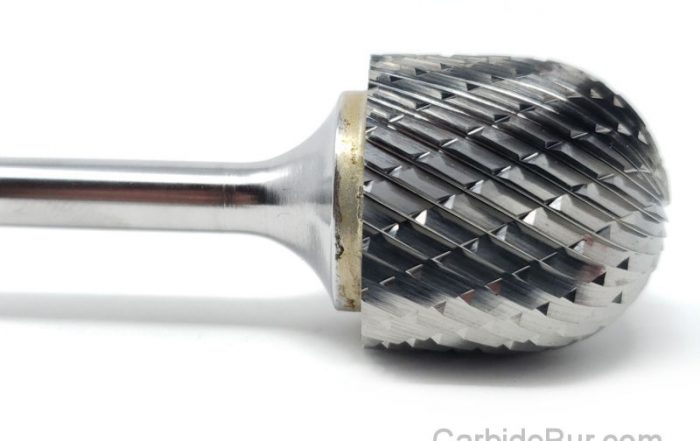
Arch ball/pointed nose – engraving, texturing, increasing hole size
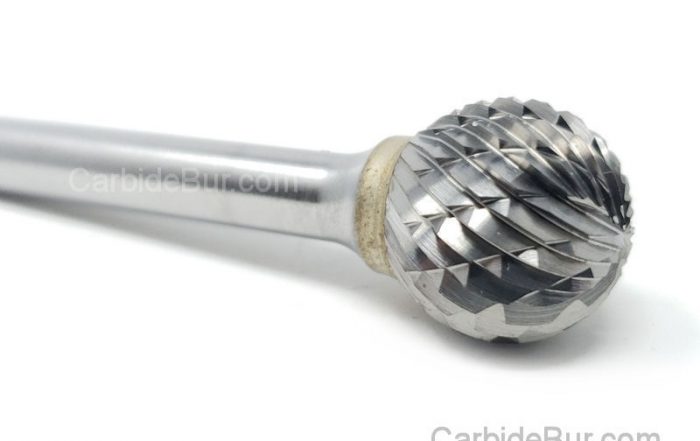
Ball – concave cuts, hollowing, shaping, carving. Useful for wood, stone, metal engraving.
Ball nose cone – rounding edges, surface finishing, tight spaces, and angles.
Carbide Ball nose cylinder – contour finishing
Ball nose tree (also known as tapered) – concave cuts and rounding edges
Cone – rounding edges, surface finishing, tight spaces, hard to reach areas.
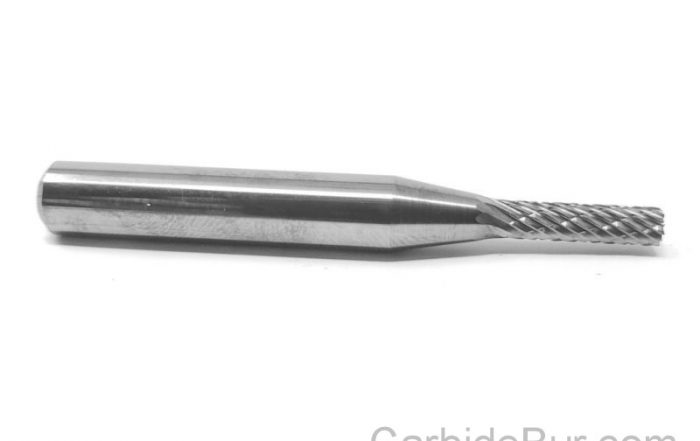
Cylindrical – contour finishing and right-angled corners
Cylindrical end cut – contour finishing
Carbide Cylindrical no end cut – contour finishing
Flame – channel work and shaping
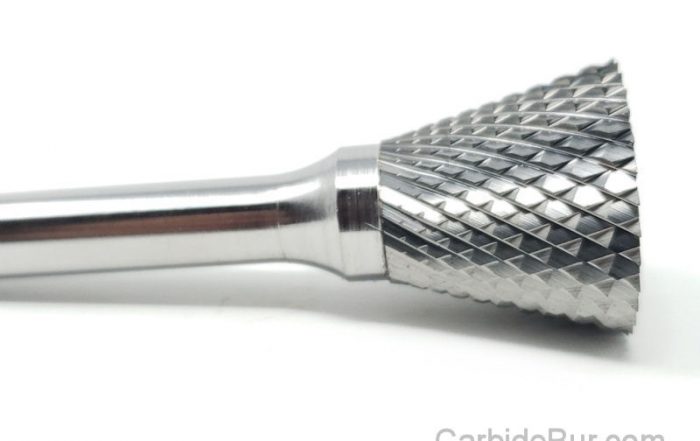
Inverted cone – v-cuts and rear-side chamfering
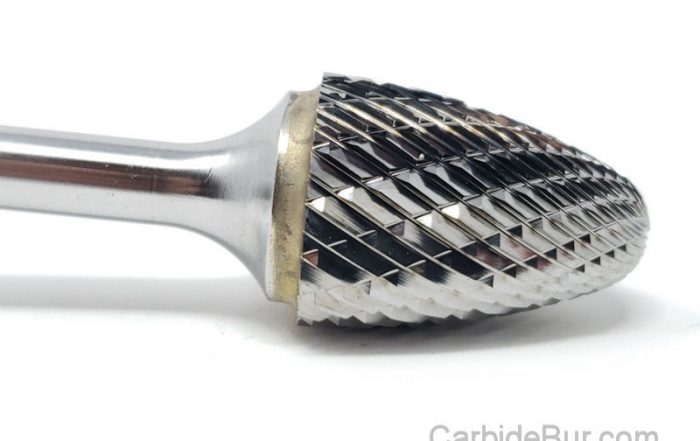
Oval – die grinding and engraving
Pointed tree – concave cuts, rounding edges, access to hard-to-reach areas, and acute angles.
Rounded tree – concave cuts and rounding edges
Burs (burrs) also come in a variety of ranges, each of which has a specific benefit in their use:
Alloy-specific – heads have varying shapes used with certain metal alloys – used in the
aerospace/aviation industry
Base metal range – used for deburring on softer metals
Bolt remover range – used for the removal of broken studs
Foundry metal range – used for deburring on harder metals, stone, etc.
Inox range – specifically used with stainless steel
Locksmith range – used by locksmiths
Long shank range – general-purpose; long shafts useful for deeper, hard-to-reach areas
Miniature range – miniature heads useful for engraving and fine detail work
New geometry range – used for all general metal removal
Steel range – heads have specialized fluting to cut stainless steel
Universal range – general-purpose, best on metals such as copper, iron, nickel, and steel
Carbide burs (burrs) require a bit of special care to keep them performing optimally. To preserve the life
of your carbide burs, ensure your handpiece does not wobble. The speed of your rotary tool
should not exceed 35,000 RPMs, and speed should be gradually increased. Please note, however,
that higher speeds will prevent flute clogging inside the bur. If you apply too much pressure to the
bur (burr), the edges may chip, resulting in premature dulling.
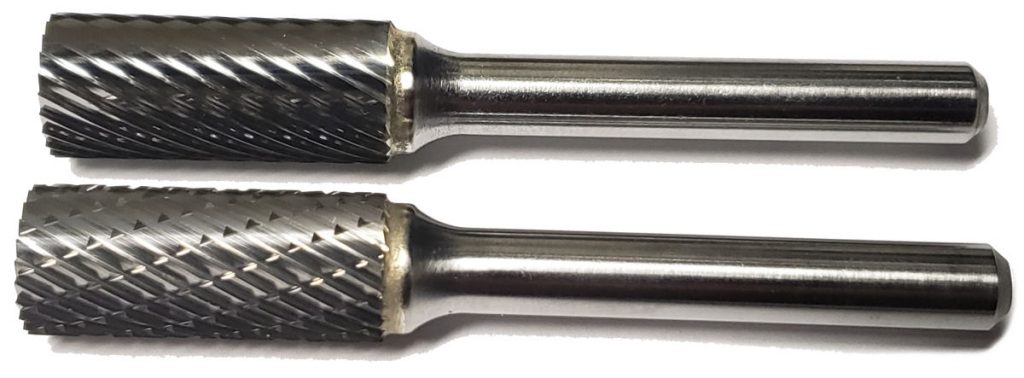
Choose Double Cut or Single Cut Carbide Bur?
Our double cut carbide burs allow for rapid stock removal in harder materials. The addition of the left hand flutes reduces the pulling action, allowing better operator control. Double cut reduces the size of the chips and can be used at slower than normal speeds.
Our single cut carbide burs are for general purpose and designed for cast iron, steel, some copper and brass, and other ferrous materials. Single cut will give good material removal and good workpiece finishes.
Non-Ferrous Aluminum Cut Carbide Burs
Use our aluminum cut carbide burs on non-ferrous materials such as aluminum, copper and magnesium.
Our USA made carbide burs are used on hard materials including steel, aluminum and cast iron, all types of stone, ceramic, porcelain, hard wood, acrylics, fibreglass and reinforced plastics. When using aluminum cut burs on soft metals such as gold, platinum and silver, our burs are perfect because they will last a long time with no breaking or chipping.
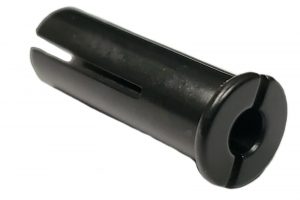
Try our 1/4” to 1/8” Collet Reducer
Allows you to use 1/8” shank carbide bits in your 1/4” collet router
Uses for Carbide Bur Die Grinder Bits
Carbide burs are widely used in metalworking, tool and die making, engineering, model engineering, wood carving, jewelry making, welding, chamferring, casting, deburring, grinding, cylinder head porting and sculpting. Carbide burs can be used in the aerospace, automotive, dentistry, stone and metalsmith industries.
All our USA made carbide bur cutting tools ship SAME DAY ordered by USPS Mail with online tracking.
We can also dropship the 4″ die grinder extension tool for you, if interested in joining our FREE dropship program.

We accept debit and all major credit card payments including Visa, MasterCard, Discover, American Express and PayPal. Fast and easy secure checkout with no account or login required. If you have any questions, visit our FAQ page or contact us here.

Follow us on Twitter

Return to CarbideBur.com
Carbide Burs – 1/4″ on 1/8″ Shanks – Accessories – Aluminum Cut – Bur Sets – End Mills – Long Shank – Solid Burs
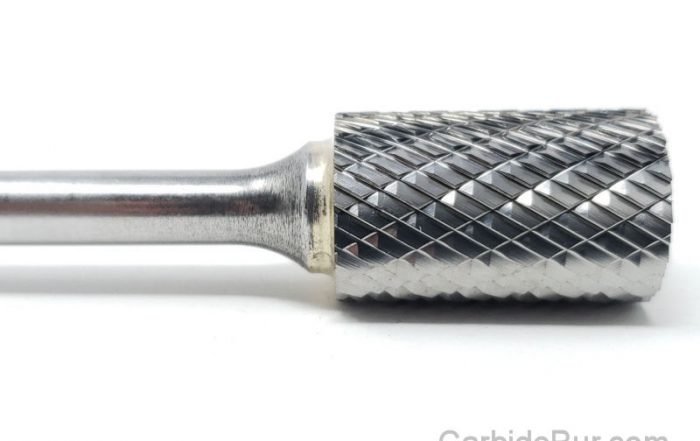
Using Carbide Burrs on Cast Iron: Tips for Automotive and Industrial Work
Using Carbide Burrs on Cast Iron: Tips for Automotive and Industrial Work Cast iron is used in a wide range of automotive and industrial components because of its strength, wear resistance, and ability to withstand [...]
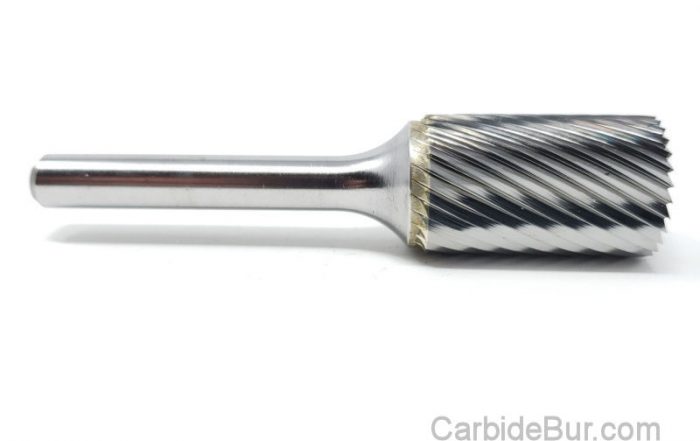
Carbide Burr Shapes Explained: Cylindrical, Ball, Oval, and Tree Burrs
Carbide Burr Shapes Explained: Cylindrical, Ball, Oval, and Tree Burrs Choosing the right carbide burr shape can make metalworking easier, improve control, and help you remove material where it is actually needed. Whether you are [...]
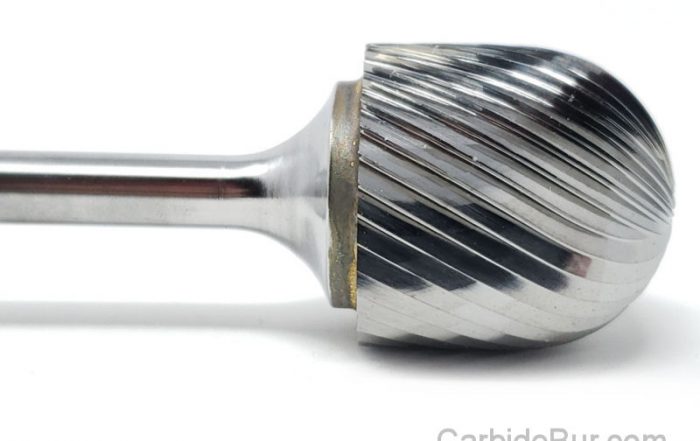
How to Get More Life from Your Carbide Burrs
How to Get More Life from Your Carbide Burrs Carbide burrs are valuable tools for welders, fabricators, machinists, automotive enthusiasts, and anyone who regularly works with metal. They can remove material, shape edges, clean up [...]
Are Expensive Carbide Burrs Worth It? Comparing Price and Performance
Are Expensive Carbide Burrs Worth It? Comparing Price and Performance When shopping for carbide burrs, it's easy to assume that the cheapest option saves money. But if you use rotary cutting tools regularly for welding, [...]
Carbide Burr vs. Grinding Stone: Which Is Better for Metal Removal?
Carbide Burr vs. Grinding Stone: Which Is Better for Metal Removal? When you need to remove metal, smooth a rough edge, or shape a metal component, two common options are carbide burrs and grinding stones. [...]
Carbide Burr Safety: RPM, Eye Protection, and Common Mistakes
Carbide Burr Safety: RPM, Eye Protection, and Common Mistakes Carbide burrs are versatile cutting tools used for metal fabrication, welding cleanup, engine porting, deburring, and general material removal. When used correctly, they can help remove [...]
How to Stop Aluminum from Clogging Your Carbide Burr
How to Stop Aluminum from Clogging Your Carbide Burr Aluminum is widely used in automotive work, welding, metal fabrication, aerospace components, and general machining. It is lightweight, relatively easy to machine, and versatile across many [...]
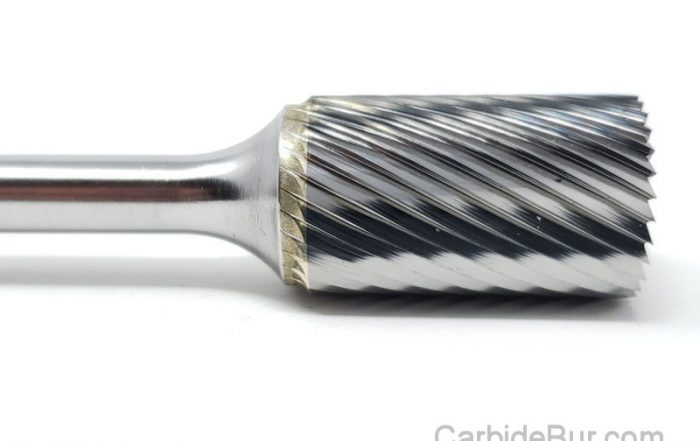
Carbide Burrs for Intake Manifolds: Shaping, Cleanup, and Fitment
Carbide Burrs for Intake Manifolds: Shaping, Cleanup, and Fitment Intake manifold work often involves more than simply bolting a component onto an engine. Depending on the application, metal intake components may have casting irregularities, rough [...]
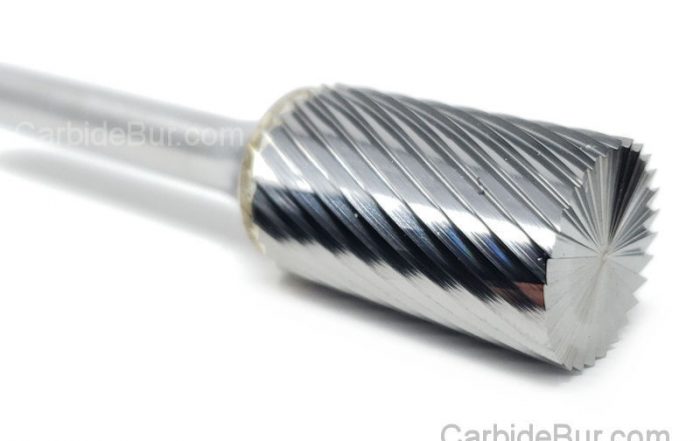
Why Long-Shank Carbide Burrs Are Useful for Hard-to-Reach Areas
Why Long-Shank Carbide Burrs Are Useful for Hard-to-Reach Areas When working on metal parts, the area that needs grinding or shaping is not always easy to reach. Recessed openings, deep cavities, interior surfaces, and complicated [...]
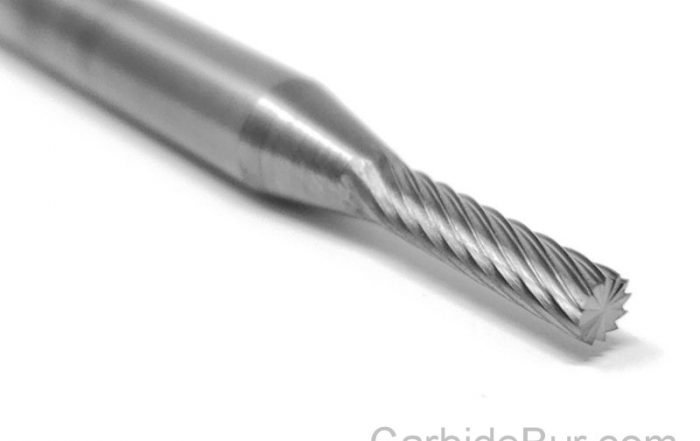
Choosing Carbide Burrs for Stainless Steel Fabrication
Choosing Carbide Burrs for Stainless Steel Fabrication Stainless steel is widely used in fabrication because of its corrosion resistance, strength, and durability. However, those same properties can make it challenging to machine and finish. Removing [...]
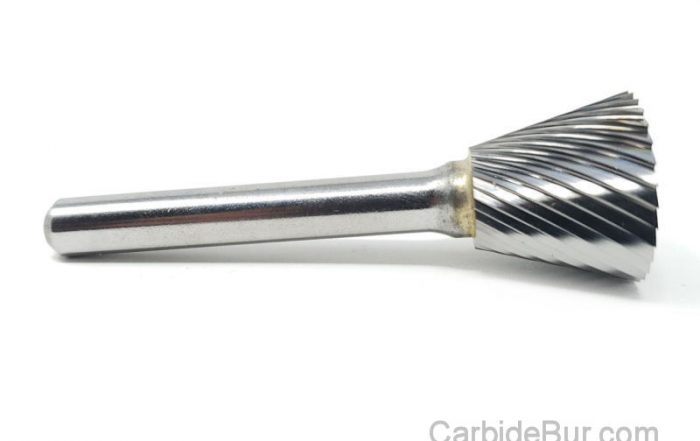
Can You Use Carbide Burrs in a Dremel? Shank Sizes Explained
Can You Use Carbide Burrs in a Dremel? Shank Sizes Explained If you use a Dremel or another rotary tool for detail work, metal shaping, or small fabrication projects, you may wonder whether you can [...]
How to Choose the Best Carbide Burr for Welding and Metal Fabrication
How to Choose the Best Carbide Burr for Welding and Metal Fabrication Welding and metal fabrication often require more than joining two pieces of metal together. Once the welding is finished, fabricators frequently need to [...]