
The Art of Engraving and Deburring: Choosing the Right Carbide Burr
Most machinists treat all carbide burr shapes like they’re one-size-fits-all. That’s why projects often take longer and results fall short. Understanding the uses of carbide burrs like cylindrical, ball, and flame shapes can change how you work. This guide breaks down each shape’s strengths and shows you how to pick the best one for your task, so your engraving and deburring get sharper and cleaner every time. For more insights, check this comprehensive guide to carbide burr shapes and their uses.
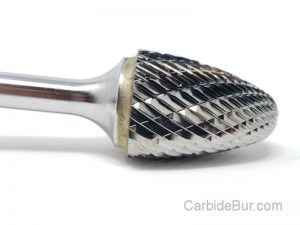
Check out this selection of USA made carbide burs
Understanding Carbide Burrs
Exploring carbide burrs opens up a new world of efficiency and precision in machining. By understanding these tools, you can enhance your craftsmanship, reduce time, and achieve cleaner results.
Basics of Carbide Burrs
Carbide burrs are tiny rotary tools used in a variety of material shaping tasks. You might use them to cut, grind, or remove sharp edges from surfaces. These burrs are made from tungsten carbide, a material known for its durability and strength. This makes them perfect for working with hard metals and other tough materials. They come in various shapes, each designed for specific tasks. Choosing the right shape is crucial for achieving the best results in your projects.
Popularity in Machining
The popularity of carbide burrs among machinists is no surprise. Their ability to withstand high temperatures and maintain sharpness makes them a go-to option. Whether you’re a professional or a hobbyist, incorporating these tools into your workflow can transform your processes. Their versatility means you can tackle a range of tasks with just a few different burr shapes. If you’re looking to sharpen your skills, these tools could be the key to unlocking new levels of precision.
Exploring Carbide Burr Shapes
Getting to grips with the different shapes of carbide burrs is vital for any machinist. Each shape offers unique benefits, so knowing which one to use can significantly impact your results.
Cylindrical Carbide Burrs Explained
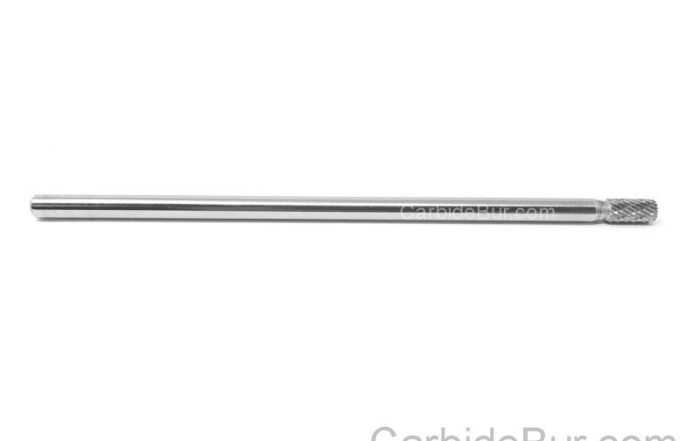
Cylindrical burrs are ideal for working on flat surfaces and removing material quickly. They excel in cutting and finishing tasks where you need to maintain a smooth, even surface. Imagine you’re working on a metal sheet and need to grind down a weld; a cylindrical burr will help you achieve a flat finish without much effort. This shape is also useful for cutting in grooves or slots.

Need a longer reach for your die grinder?
Ball Carbide Burrs and Applications
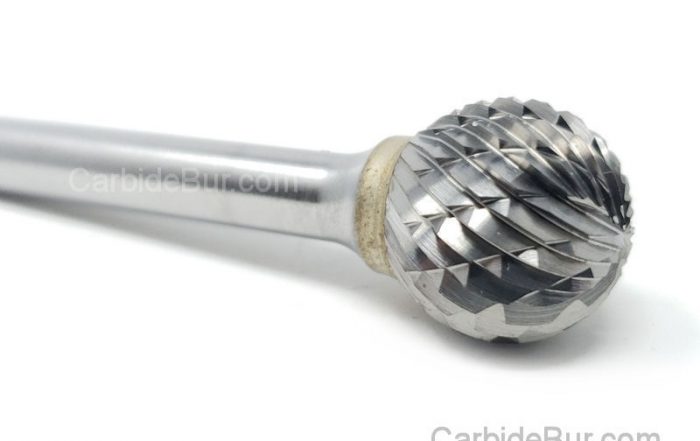
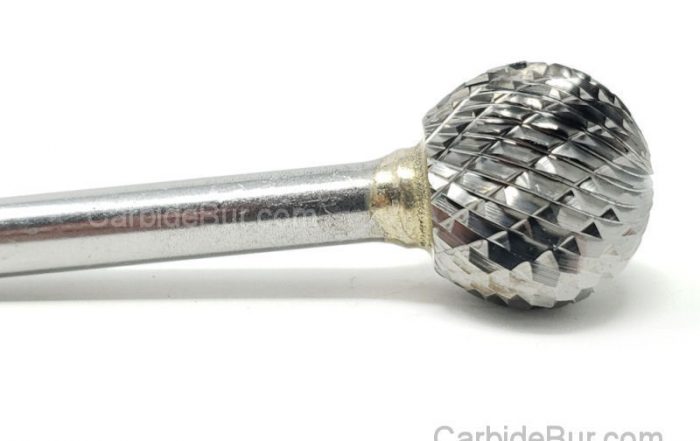
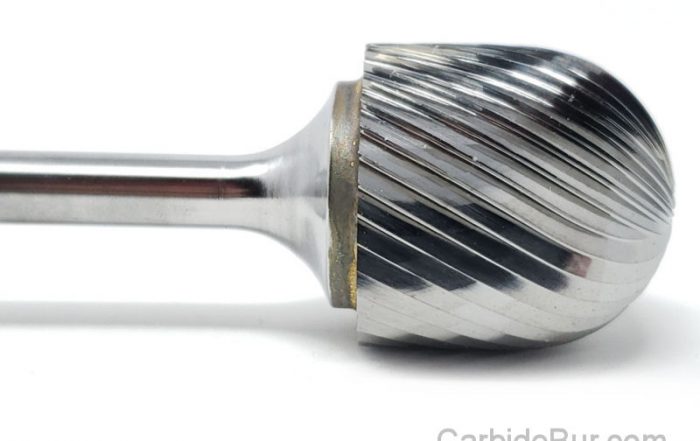
Ball-shaped burrs are perfect for creating concave cuts and hollowing out areas. This shape allows you to work on curved surfaces and create complex designs. For example, if you’re shaping a wooden sculpture and need to create intricate details, a ball burr provides the flexibility to carve smoothly around curves. They are also great for detail work like creating fine textures or patterns.
Flame Carbide Burrs for Precision Work
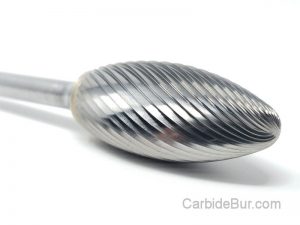
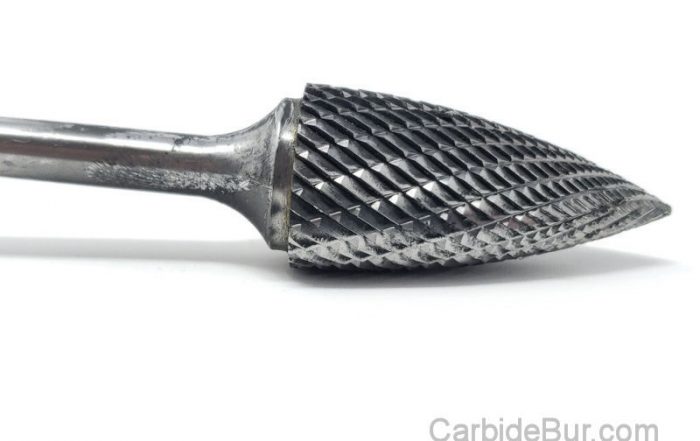
Flame burrs are designed for precision tasks that require a delicate touch. With their pointed tip, they’re ideal for reaching into tight spaces and corners. When you’re working on a detailed engraving, the flame shape allows for smooth, controlled cuts. This burr shape is excellent for making fine adjustments and finishing touches on your projects.
Uses of Carbide Burrs in Industry
Carbide burrs shine in various industrial applications. From deburring to engraving, they are indispensable tools for machinists aiming for clean and precise results.
Deburring Tools for Clean Finishes
Deburring is crucial in many machining tasks to ensure a clean finish. Carbide burrs help remove sharp edges and excess material, leaving surfaces smooth. When you’re working with metal parts, these tools can prevent future wear and tear by eliminating rough spots. Using a deburring tool not only enhances the appearance but also the functionality of your components.
Engraving Tools for Detailed Work
Engraving tasks require attention to detail and precision. Carbide burrs are perfect for this, allowing you to carve intricate designs into metal, wood, or plastic. Whether you’re personalizing a piece of jewelry or adding details to a custom part, these tools offer the control needed for fine work. Their durability ensures that you maintain accuracy without compromising on speed.
Selecting the Right Burr for Your Project
Choosing the right carbide burr can make or break your project. Understanding your needs and matching them with the correct tool is essential for success.
Machining Best Practices
Adopting best practices in machining can lead to better results. Ensure that you select the appropriate burr size and shape for your material and task. Regularly maintaining your tools will also extend their life and improve performance. Keeping a clean work area and wearing safety gear are also crucial steps for a safe machining process.
Matching Burr Shapes to Project Needs
To achieve the best outcomes, match your burr shape to your specific project needs. If you’re working on flat surfaces, opt for a cylindrical burr. For curved surfaces and detailed engravings, choose a ball or flame burr. Taking the time to select the right tool can save you time and effort down the line, leading to more polished results.
Enhancing Craftsmanship with Carbide Burrs
Carbide burrs have the power to elevate your craftsmanship. By utilizing these tools effectively, you can achieve precision and quality in your work.
Tips for Optimal Performance
For optimal performance, ensure your burrs are always sharp and clean. Regularly inspect them for wear and replace as needed. Using the correct speed settings on your rotary tool will also help maintain precision. Experiment with different techniques to find what works best for your materials and projects.
Avoiding Common Mistakes
Avoid common mistakes like using the wrong shape for a task or applying too much pressure, which can damage both your tool and the material. Ensure you’re using the correct rotation speed to avoid overheating. By being mindful of these pitfalls, you can extend the life of your burrs and achieve better results in your projects.
For further reading on long-shank carbide burrs and best practices, check out this ultimate guide. Interested in more carbide burr facts? Visit this informative page. To engage with other machinists, check out this online discussion. For a deeper dive into choosing and using burr bits, explore this resource.
Looking for Carbide Bur Tools?
Check out our entire selection of USA made carbide bur die grinder tool bits
Follow us on Twitter

Return to CarbideBur.com
Carbide Burs – 1/4″ on 1/8″ Shanks – Accessories – Aluminum Cut – Bur Sets – End Mills – Long Shank – Solid Burs
1/8 vs 1/4 Inch Carbide Burrs: What’s the Difference?
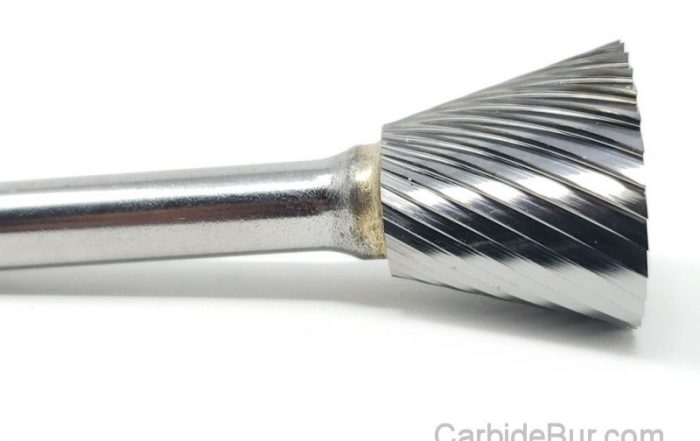
1/8 vs 1/4 Inch Carbide Burrs: What's the Difference? Choosing between a 1/8 inch carbide burr and a 1/4 inch carbide burr can change how your project turns out. Many machinists and hobbyists overlook how [...]
Best Carbide Burr for Removing Flash From Castings
Best Carbide Burr for Removing Flash From Castings Removing flash from castings is a task that can slow down your entire metalworking process if you don’t have the right tools. Picking the best carbide burr [...]
What RPM Should You Use for a 1/4 Inch Carbide Burr?
What RPM Should You Use for a 1/4 Inch Carbide Burr? Most machinists guess the right speed for a 1/4 inch carbide burr and hope for the best. Using the wrong carbide burr RPM can [...]
Long Shank Carbide Burrs: When Do You Need One?
Long Shank Carbide Burrs: When Do You Need One? Most machinists overlook the power of long shank carbide burrs until a project demands precision in tight spaces. When your usual tools can’t reach intricate contours, [...]
How Deep Can a Carbide Burr Cut Metal?
How Deep Can a Carbide Burr Cut Metal? Carbide burrs often get praised for their precision, but many users hit a wall wondering how deep they can actually cut metal. The truth is, cutting depth [...]
How to Use Carbide Burrs for Port Matching
How to Use Carbide Burrs for Port Matching Most engine builds hit a wall when airflow doesn’t flow smoothly between the ports and manifolds. If your engine isn’t breathing right, your performance stalls. Using the [...]
Best Carbide Burr for Porting Intake Manifolds
Best Carbide Burr for Porting Intake Manifolds Porting intake manifolds can make or break your engine’s airflow, yet many struggle with the right tools for the job. Choosing the best carbide burrs is key to [...]
Best Carbide Burr for Concave Surfaces
Best Carbide Burr for Concave Surfaces Concave surfaces can turn a straightforward project into a frustrating challenge if you don’t have the right tool. Carbide burrs designed for these tricky curves make all the difference [...]
How to Grind a Slot in Metal With a Carbide Burr
How to Grind a Slot in Metal With a Carbide Burr Grinding a precise slot in metal can feel like a tricky task, especially if you’re unsure which tools to trust. Carbide burr grinding offers [...]

Best Carbide Burr for Inside Corners
Best Carbide Burr for Inside Corners Working in tight inside corners can turn even simple projects into frustrating tasks. Many carbide burrs just don’t fit or cut cleanly where you need them most. The best [...]
What Size Carbide Burr Do I Need?
What Size Carbide Burr Do I Need? Picking the wrong carbide burr can turn a simple project into a frustrating mess. You might have the best machining tools but still miss the mark if your [...]
How to Smooth Sharp Metal Edges With a Carbide Burr
How to Smooth Sharp Metal Edges With a Carbide Burr Sharp metal edges can turn your project from professional to risky in seconds. If you’ve struggled with smoothing metal edges without scratching or weakening the [...]
