
Cutting Geometry and Burr Size Tips: Key Features of Carbide Burrs for Exhaust Porting
Most people rush exhaust porting without the right tools and end up with rough finishes that kill engine performance. Choosing the best carbide burr means focusing on cutting geometry and burr size to remove material precisely and get smooth finishes in tight spots. In this post, you’ll learn how to use carbide burrs to refine airflow and boost your engine’s power without damaging the ports. For more information, visit this comprehensive guide.
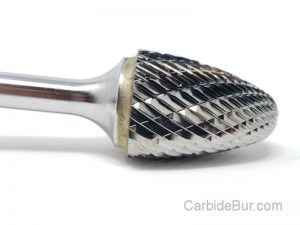
Check out this selection of USA made carbide burs
Understanding Carbide Burrs
Getting the right tools is crucial to refining your engine’s airflow. Carbide burrs play a pivotal role in exhaust porting, enhancing the overall performance of your vehicle.
Role in Exhaust Porting
Carbide burrs are essential for precision work on engine parts. They help you finely trim and shape the exhaust ports to improve airflow. This leads to better performance. Without them, achieving a smooth finish becomes challenging. Burrs allow you to work efficiently in tight spaces, which is necessary for proper porting. By using them, you ensure that your engine breathes better, resulting in increased power.
Importance for Engine Performance
The quality of your exhaust porting impacts engine performance significantly. Poor porting can lead to restrictions in airflow, causing inefficiencies. By using carbide burrs, you can eliminate these restrictions. This means your engine will run smoother and deliver more power. The right burrs ensure that material removal is precise, preventing any damage to the ports. Therefore, investing time in understanding how to use them properly can yield substantial improvements in engine performance.

Need a longer reach for your die grinder?
Key Features of Carbide Burrs
Knowing the key features of carbide burrs can help you make informed decisions. Cutting geometry and burr size are two of the most critical aspects to consider.
Cutting Geometry Explained
Cutting geometry refers to the design and shape of the burr’s cutting edges. This affects how efficiently material is removed. A proper design ensures that you can cut through material smoothly and quickly. Choosing the right geometry is vital for achieving clean cuts. It allows you to maintain control, reducing the risk of mistakes. Different geometries are suited for various tasks, so it’s essential to select the one that matches your needs.
Burr Size Tips for Porting
The size of the burr matters just as much as its geometry. Smaller burrs are ideal for tight spaces, while larger ones can remove material faster. When selecting a burr, consider the size of the ports you’re working on. Burr size tips will guide you in choosing the appropriate tool for the job. The key is to balance speed with precision, ensuring a smooth finish without compromising accuracy.
Techniques for Material Removal
Proper techniques are crucial for achieving the best results. With the right approach, you can enhance your engine’s performance with minimal effort.
Achieving Smooth Finishes
To achieve a smooth finish, focus on maintaining consistent pressure. This prevents uneven surfaces and reduces the risk of gouging. Using a lubricant can also help in achieving a polished look. The smoother the finish, the better the airflow, which translates into improved engine performance.
Navigating Tight Spaces
Tight spaces can be challenging, but the right techniques make it manageable. Use smaller burrs to navigate these areas without causing damage. Patience and precision are key. Take your time and make small adjustments to ensure accuracy. By mastering these techniques, you can work efficiently even in confined areas.
Tips for Using Carbide Burrs
Mastering the use of carbide burrs can greatly enhance your engine modifications. Proper handling and avoiding damage are essential for success.
Proper Handling Techniques
Handling carbide burrs correctly prevents accidents and ensures longevity. Always wear protective gear to safeguard against debris. Secure the workpiece firmly to avoid slips. Keeping a steady hand is crucial for precision. Ensure the burr spins at the right speed, which varies depending on the material.
Avoiding Damage to Ports
Preventing damage to the ports is crucial for maintaining engine integrity. Avoid applying excessive pressure, as this can lead to gouging. Always keep the burr moving, as staying in one spot can cause overheating and damage. Regularly check your work to ensure that you’re on the right track.
Selecting the Best Carbide Burrs
Choosing the best carbide burrs can significantly impact your engine modifications. Focus on factors that enhance performance and meet your specific needs.
Factors for Optimal Engine Modifications
Several factors should guide your burr selection: the material you’re working on, the specific task at hand, and your engine’s requirements. Consider the burr’s durability and cutting efficiency. A quality burr will last longer and deliver better results.
Enhancing Performance with the Right Burrs
The right burrs can transform your engine’s performance. They allow for precise modifications, optimizing airflow and power output. By selecting burrs that suit your specific needs, you can ensure that your engine runs smoothly and efficiently. Equip yourself with the knowledge to choose wisely, and your engine will thank you with improved performance.
For further insights, check out this comprehensive guide on carbide burrs.
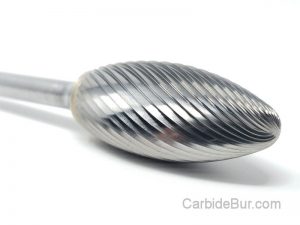
Looking for Carbide Bur Tools?
Check out our entire selection of USA made carbide bur die grinder tool bits
Follow us on Twitter

Return to CarbideBur.com
Carbide Burs – 1/4″ on 1/8″ Shanks – Accessories – Aluminum Cut – Bur Sets – End Mills – Long Shank – Solid Burs
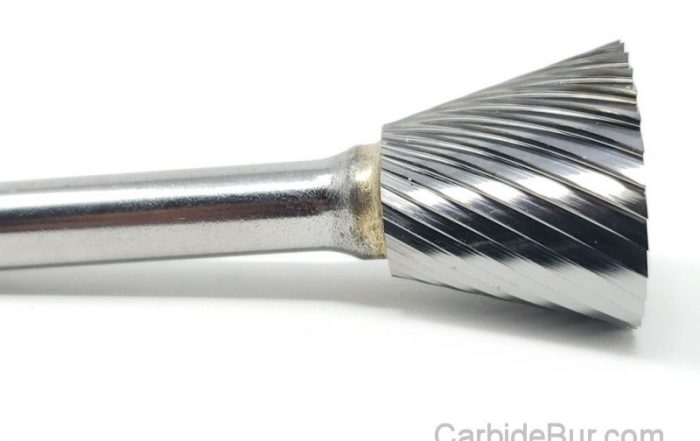
1/8 vs 1/4 Inch Carbide Burrs: What’s the Difference?
1/8 vs 1/4 Inch Carbide Burrs: What's the Difference? Choosing between a 1/8 inch carbide burr and a 1/4 inch carbide burr can change how your project turns out. Many machinists and hobbyists overlook how [...]

Best Carbide Burr for Removing Flash From Castings
Best Carbide Burr for Removing Flash From Castings Removing flash from castings is a task that can slow down your entire metalworking process if you don’t have the right tools. Picking the best carbide burr [...]
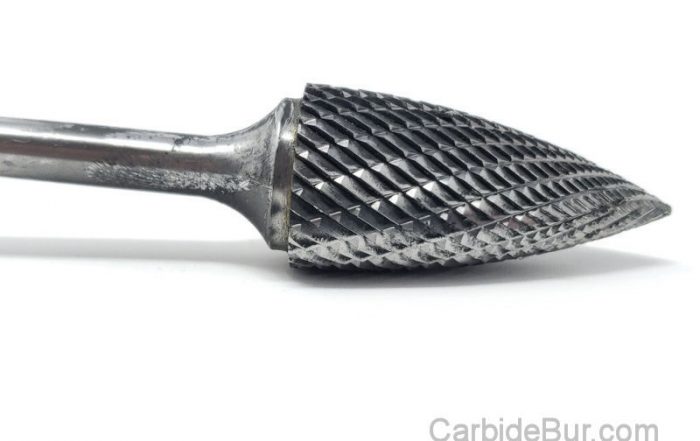
What RPM Should You Use for a 1/4 Inch Carbide Burr?
What RPM Should You Use for a 1/4 Inch Carbide Burr? Most machinists guess the right speed for a 1/4 inch carbide burr and hope for the best. Using the wrong carbide burr RPM can [...]
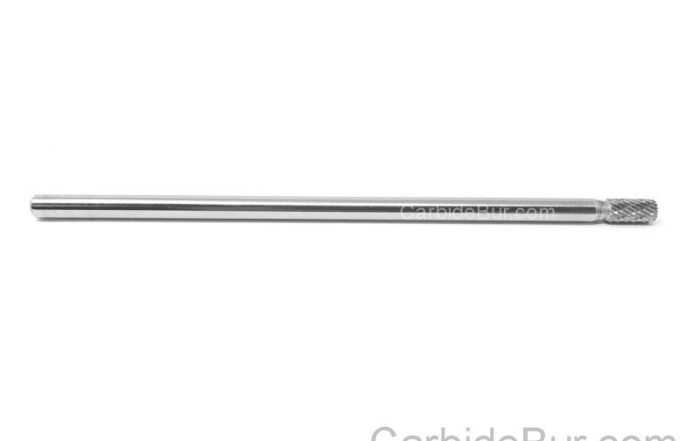
Long Shank Carbide Burrs: When Do You Need One?
Long Shank Carbide Burrs: When Do You Need One? Most machinists overlook the power of long shank carbide burrs until a project demands precision in tight spaces. When your usual tools can’t reach intricate contours, [...]
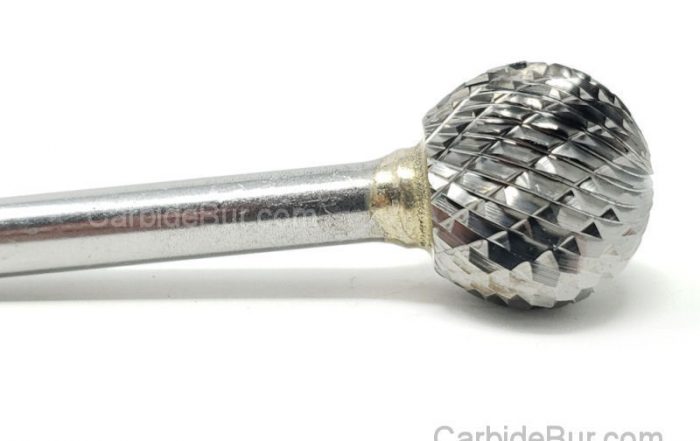
How Deep Can a Carbide Burr Cut Metal?
How Deep Can a Carbide Burr Cut Metal? Carbide burrs often get praised for their precision, but many users hit a wall wondering how deep they can actually cut metal. The truth is, cutting depth [...]
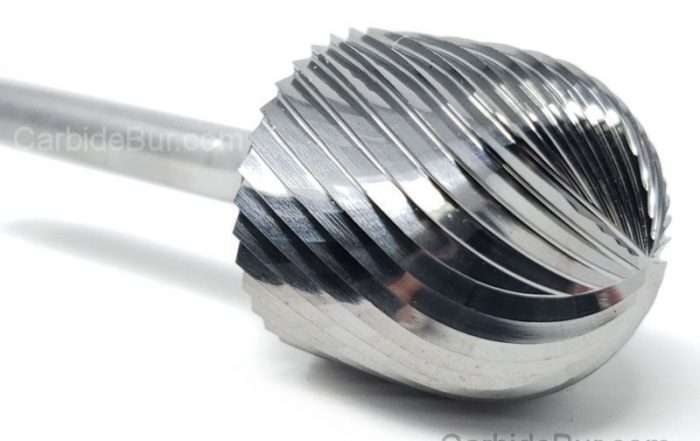
How to Use Carbide Burrs for Port Matching
How to Use Carbide Burrs for Port Matching Most engine builds hit a wall when airflow doesn’t flow smoothly between the ports and manifolds. If your engine isn’t breathing right, your performance stalls. Using the [...]
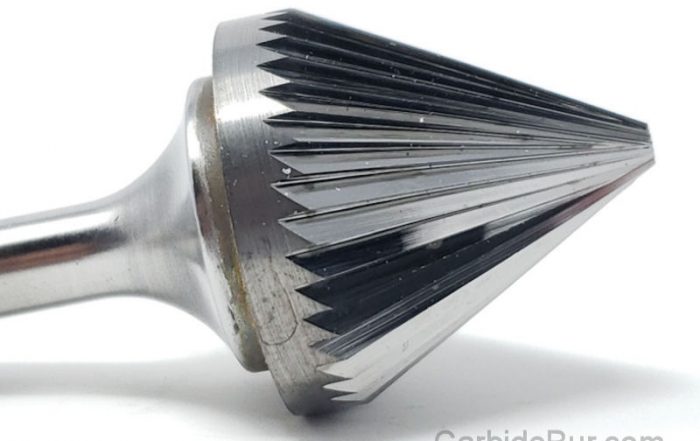
Best Carbide Burr for Porting Intake Manifolds
Best Carbide Burr for Porting Intake Manifolds Porting intake manifolds can make or break your engine’s airflow, yet many struggle with the right tools for the job. Choosing the best carbide burrs is key to [...]
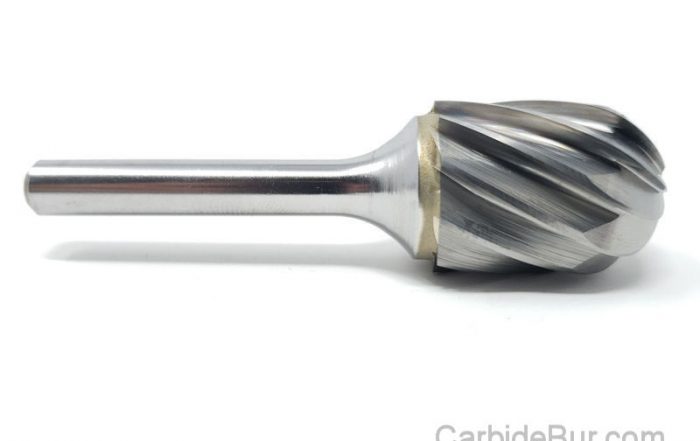
Best Carbide Burr for Concave Surfaces
Best Carbide Burr for Concave Surfaces Concave surfaces can turn a straightforward project into a frustrating challenge if you don’t have the right tool. Carbide burrs designed for these tricky curves make all the difference [...]
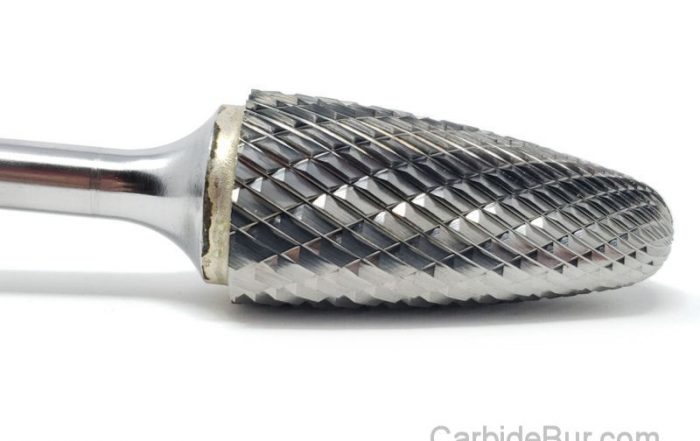
How to Grind a Slot in Metal With a Carbide Burr
How to Grind a Slot in Metal With a Carbide Burr Grinding a precise slot in metal can feel like a tricky task, especially if you’re unsure which tools to trust. Carbide burr grinding offers [...]

Best Carbide Burr for Inside Corners
Best Carbide Burr for Inside Corners Working in tight inside corners can turn even simple projects into frustrating tasks. Many carbide burrs just don’t fit or cut cleanly where you need them most. The best [...]
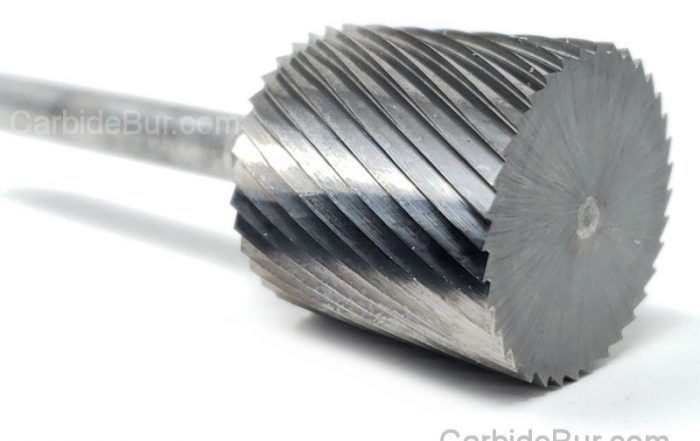
What Size Carbide Burr Do I Need?
What Size Carbide Burr Do I Need? Picking the wrong carbide burr can turn a simple project into a frustrating mess. You might have the best machining tools but still miss the mark if your [...]
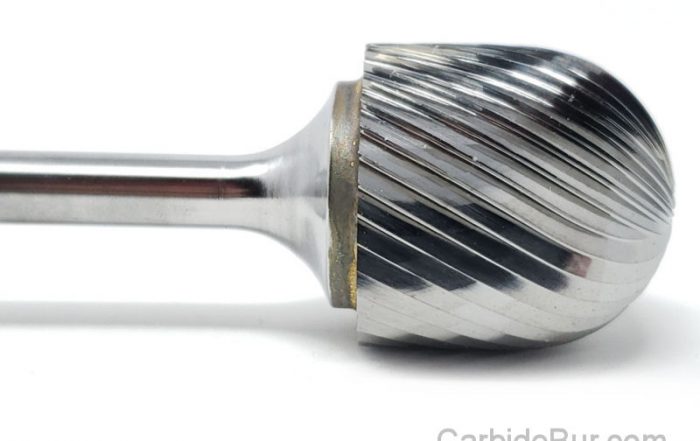
How to Smooth Sharp Metal Edges With a Carbide Burr
How to Smooth Sharp Metal Edges With a Carbide Burr Sharp metal edges can turn your project from professional to risky in seconds. If you’ve struggled with smoothing metal edges without scratching or weakening the [...]
