
Elevate Your Metal Cutting: Best Practices for Optimizing Carbide Burrs in CNC
Most metal cutting tools wear out faster than expected, slowing your CNC machining and costing you time. Picking the right carbide burrs can change that by delivering sharper cuts and longer tool life. In this post, you’ll learn which factors like tip geometry and coating options matter most for your CNC tools, plus best practices for tool maintenance that keep your work running smooth and productive. Learn more here.
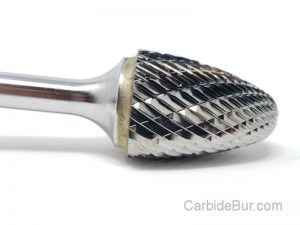
Check out this selection of USA made carbide burs
Advantages of Carbide Burrs in CNC
Durability and Precision
Carbide burrs stand out for their long-lasting performance. They offer a level of precision that ensures your cuts are clean and accurate. When you use these burrs, you enjoy a sharper tool that can withstand the demands of CNC machining. This means fewer tool replacements and more consistent results for your projects.
The strength of carbide means your burrs can handle tough materials without wearing down quickly. This durability translates to fewer interruptions in your workflow. Imagine working on a complex project and knowing your tools won’t give out halfway through. That’s the reliability carbide burrs bring to the table.
Precision is another standout feature. With their sharp edges, carbide burrs deliver cuts that are spot on. This accuracy is crucial for producing high-quality parts that meet exact specifications. When precision matters, these tools are a top choice.
Shaping and Cutting Metals
Carbide burrs excel in metalworking. Their robust nature makes them ideal for shaping and cutting various metals. Whether you’re working with aluminum or steel, these burrs can handle the task with ease. This versatility makes them a go-to tool for many CNC machinists.
Their ability to maintain sharpness over time is a game-changer. You can achieve smooth cuts without the need for constant tool changes. This efficiency helps you complete projects faster and with greater precision. By choosing carbide burrs, you invest in tools that keep your workflow steady and productive.
Working with metal often means dealing with hard surfaces. Carbide burrs cut through these with minimal effort. This capability reduces strain on both your tools and your CNC machine. It’s a smart way to ensure longevity and performance.
Finishing Composite Materials
When finishing composite materials, the right tools make all the difference. Carbide burrs are perfect for this job. Their precision and durability ensure a smooth finish that meets your high standards. Whether you’re dealing with carbon fiber or fiberglass, these burrs deliver exceptional results.
Unlike other tools, carbide burrs maintain their edge longer. This longevity means you spend less time switching tools and more time perfecting your work. The result is a flawless finish that speaks to your craftsmanship and attention to detail.
With composite materials, you need tools that can handle intricate work. Carbide burrs provide the control you need for detailed finishing. This control allows you to achieve the exact texture and finish your project requires. It’s craftsmanship at its finest.

Need a longer reach for your die grinder?
Key Factors in Tool Selection
Understanding Tip Geometry
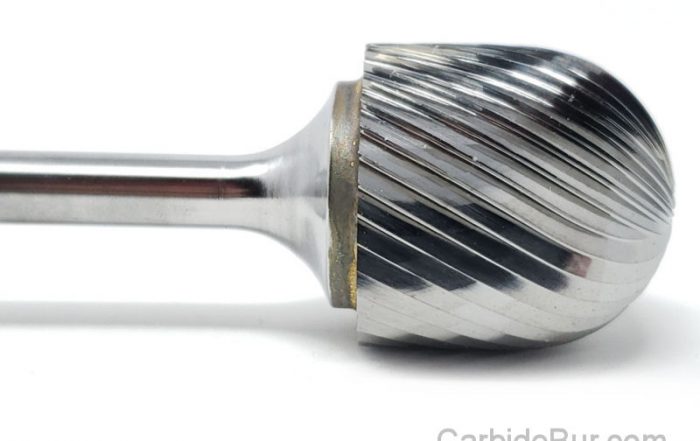
Choosing the right tip geometry is crucial for success. The shape of your burr’s tip affects how it cuts and performs. Different geometries suit various tasks, so understanding this is key. It ensures you pick the best tool for your specific needs.
For instance, a pointed tip is excellent for fine detail work, while a rounded one is better for smoothing surfaces. Knowing these differences helps you make informed choices. It’s about matching the tool to the task for optimal results.
Selecting the right geometry boosts efficiency. It reduces the need for multiple tools by allowing one burr to handle several tasks. This versatility saves time and simplifies your workflow. It’s a strategic approach to CNC machining.
Choosing the Right Coating Options
Coatings can enhance the performance of your carbide burrs. Different coatings offer various benefits, like reducing friction or increasing heat resistance. Selecting the right one can significantly impact your tool’s lifespan and effectiveness.
For example, a titanium nitride coating can extend tool life by reducing wear. This means fewer replacements and more consistent performance. Choosing the right coating is a smart investment in your tools’ longevity and efficiency.
Considering the material you’re working with is important when choosing coatings. Some coatings are better suited for specific materials, ensuring optimal performance. By aligning your coating choice with your project’s needs, you maximize your results.
Selecting CNC Tools for Metal Cutting
When selecting CNC tools for metal cutting, consider the material type and project demands. Carbide burrs are a stellar choice due to their strength and precision. They handle tough materials like steel and aluminum with ease.
Choosing the right tool involves assessing your project’s specific needs. Think about the cuts you need to make and the finishes required. Carbide burrs offer versatility, making them suitable for various metalworking tasks. This adaptability simplifies tool selection.
Your choice also impacts your project’s quality. The right tool ensures clean, precise cuts, reducing the need for post-processing. This efficiency boosts your productivity and enhances the overall quality of your work.
Best Practices for CNC Efficiency
Enhancing Productivity in CNC
Boosting productivity in CNC machining involves strategic tool use. Carbide burrs, with their durability and precision, play a key role. They help reduce downtime by maintaining sharpness, which cuts down on tool changes. This keeps your projects on track and within deadlines.
Maximizing efficiency means choosing tools that suit your specific tasks. Carbide burrs are adaptable, making them ideal for a range of CNC applications. This flexibility allows you to streamline your tool inventory, simplifying your workflow.
Consider the materials you’re working with and the results you need. Matching the right burr to the task enhances your productivity. It’s a straightforward way to get more done in less time without sacrificing quality.
Essential Tool Maintenance Tips
Proper maintenance extends the life of your CNC tools. Regular cleaning and inspection of your carbide burrs prevent wear and tear. This upkeep ensures consistent performance, saving you time and money in the long run.
Inspect your burrs for signs of damage or dullness. Early detection allows for timely replacements, avoiding interruptions in your workflow. By keeping your tools in top condition, you maintain the quality and efficiency of your work.
Storage is also crucial. Keep your carbide burrs in a dry, organized space to prevent corrosion and damage. Proper storage practices enhance their lifespan and reliability, making them ready for use whenever you need them.
Proper Utilization Techniques
Utilizing carbide burrs effectively involves understanding their capabilities and limitations. These tools excel in precision work, so use them where accuracy is critical. Knowing when and how to apply pressure ensures optimal performance.
Avoid excessive force during use. Let the burr do the work to prevent premature wear. This approach not only preserves the tool but also enhances the quality of your cuts. It’s about working smarter, not harder.
Experiment with different techniques to find what works best for your projects. Adjusting speed and pressure based on your material can lead to better outcomes. This adaptability is key to mastering CNC machining.
Making Informed CNC Decisions
Evaluating CNC Project Needs
Evaluating your project needs is crucial for choosing the right tools. Consider the materials, cut types, and finishes you require. Carbide burrs offer versatility for various tasks, making them a reliable choice for many CNC projects.
Assess the complexity of your project. For intricate work, precision tools like carbide burrs are essential. They provide the accuracy needed for detailed designs, ensuring your project meets its specifications.
Think about future needs as well. Investing in versatile tools prepares you for a range of projects. This foresight helps you build a comprehensive tool collection that supports diverse machining tasks.
Integrating Carbide Burrs Effectively
Integrating carbide burrs into your workflow requires understanding their strengths. These tools excel in tough materials and precision tasks. By leveraging their durability, you enhance the efficiency of your CNC operations.
Consider how these burrs fit into your existing processes. Their adaptability means they can replace multiple tools, streamlining your operations. This integration simplifies your workflow and boosts productivity.
Training your team on proper burr usage is also important. Skilled use maximizes the benefits these tools offer. By investing in training, you ensure your team can fully harness the potential of carbide burrs.
Boosting Craftsmanship and Output
Boosting your craftsmanship involves choosing tools that enhance your work. Carbide burrs provide the precision needed for high-quality results. By focusing on tool selection, you improve the overall quality of your projects.
Output improves when your tools are reliable and efficient. Carbide burrs’ durability means fewer disruptions, keeping your workflow smooth. This consistency allows you to maintain high production standards.
Investing in the right tools is an investment in your skills. With carbide burrs, you equip yourself to handle complex tasks with confidence. This empowerment translates to better craftsmanship and superior project outcomes.
By following these insights, you’re not only enhancing your CNC operations but also elevating your craftsmanship. With each project, you’re building a reputation for quality and precision.
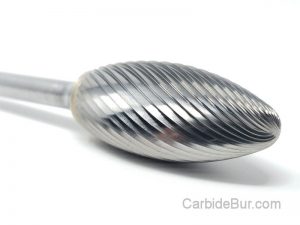
Looking for Carbide Bur Tools?
Check out our entire selection of USA made carbide bur die grinder tool bits
Follow us on Twitter

Return to CarbideBur.com
Carbide Burs – 1/4″ on 1/8″ Shanks – Accessories – Aluminum Cut – Bur Sets – End Mills – Long Shank – Solid Burs
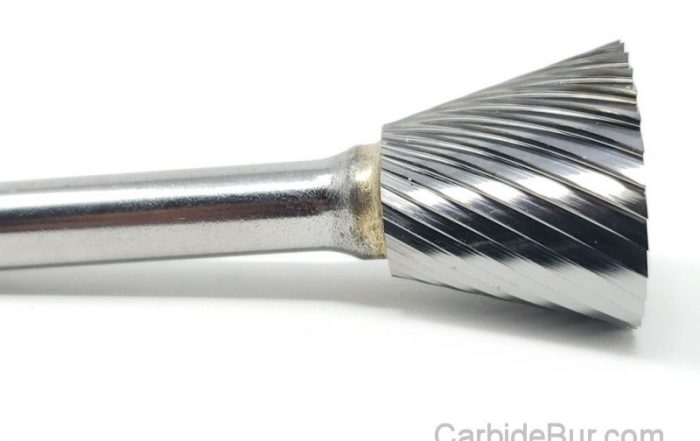
1/8 vs 1/4 Inch Carbide Burrs: What’s the Difference?
1/8 vs 1/4 Inch Carbide Burrs: What's the Difference? Choosing between a 1/8 inch carbide burr and a 1/4 inch carbide burr can change how your project turns out. Many machinists and hobbyists overlook how [...]
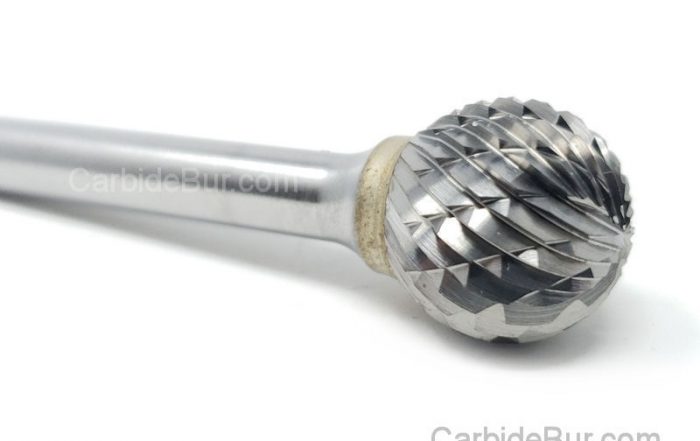
Best Carbide Burr for Removing Flash From Castings
Best Carbide Burr for Removing Flash From Castings Removing flash from castings is a task that can slow down your entire metalworking process if you don’t have the right tools. Picking the best carbide burr [...]
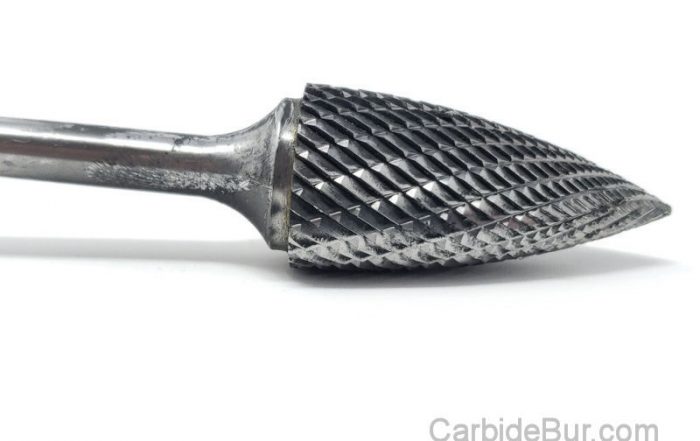
What RPM Should You Use for a 1/4 Inch Carbide Burr?
What RPM Should You Use for a 1/4 Inch Carbide Burr? Most machinists guess the right speed for a 1/4 inch carbide burr and hope for the best. Using the wrong carbide burr RPM can [...]
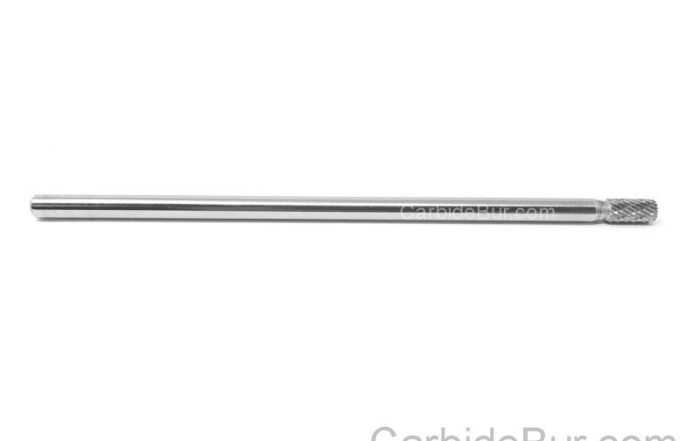
Long Shank Carbide Burrs: When Do You Need One?
Long Shank Carbide Burrs: When Do You Need One? Most machinists overlook the power of long shank carbide burrs until a project demands precision in tight spaces. When your usual tools can’t reach intricate contours, [...]
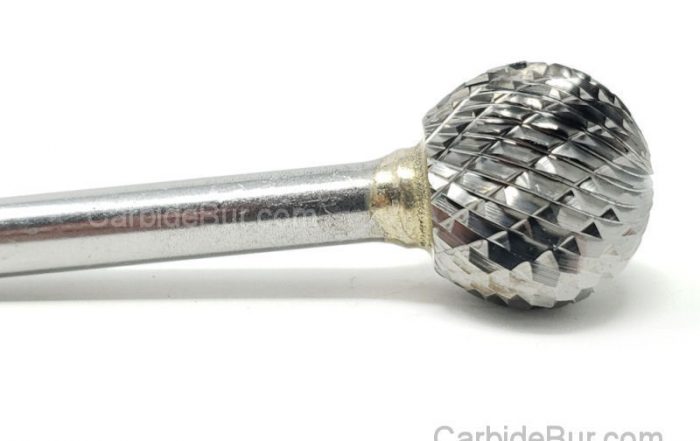
How Deep Can a Carbide Burr Cut Metal?
How Deep Can a Carbide Burr Cut Metal? Carbide burrs often get praised for their precision, but many users hit a wall wondering how deep they can actually cut metal. The truth is, cutting depth [...]
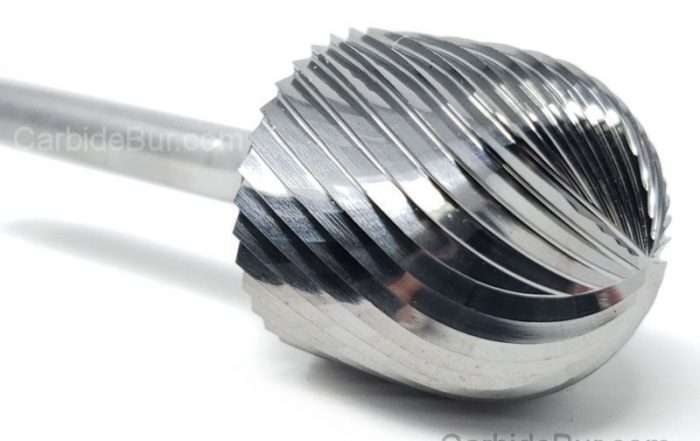
How to Use Carbide Burrs for Port Matching
How to Use Carbide Burrs for Port Matching Most engine builds hit a wall when airflow doesn’t flow smoothly between the ports and manifolds. If your engine isn’t breathing right, your performance stalls. Using the [...]
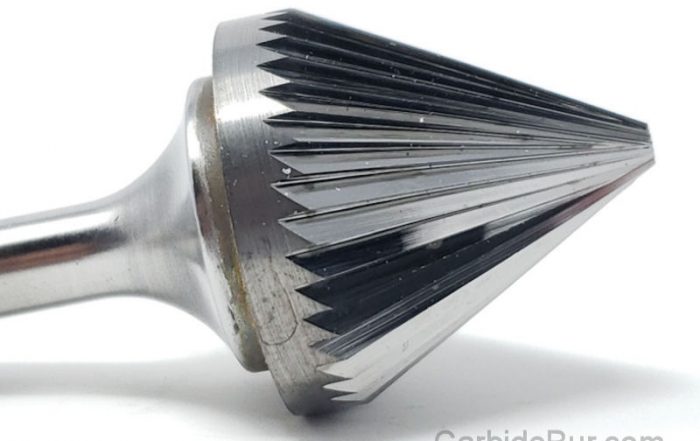
Best Carbide Burr for Porting Intake Manifolds
Best Carbide Burr for Porting Intake Manifolds Porting intake manifolds can make or break your engine’s airflow, yet many struggle with the right tools for the job. Choosing the best carbide burrs is key to [...]
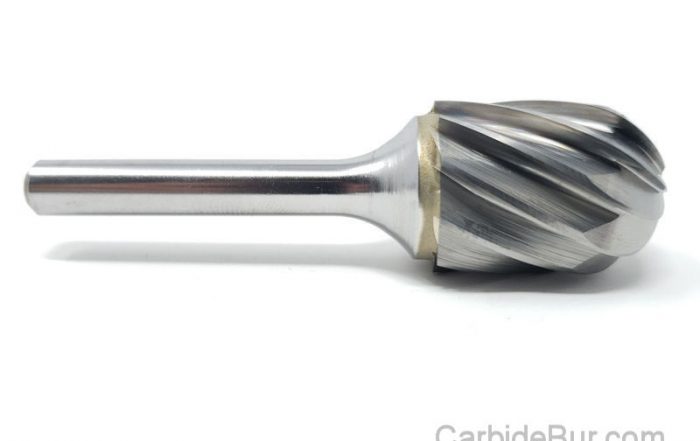
Best Carbide Burr for Concave Surfaces
Best Carbide Burr for Concave Surfaces Concave surfaces can turn a straightforward project into a frustrating challenge if you don’t have the right tool. Carbide burrs designed for these tricky curves make all the difference [...]
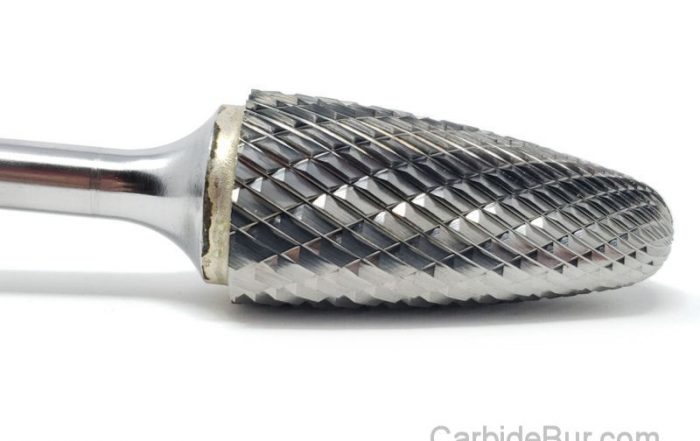
How to Grind a Slot in Metal With a Carbide Burr
How to Grind a Slot in Metal With a Carbide Burr Grinding a precise slot in metal can feel like a tricky task, especially if you’re unsure which tools to trust. Carbide burr grinding offers [...]

Best Carbide Burr for Inside Corners
Best Carbide Burr for Inside Corners Working in tight inside corners can turn even simple projects into frustrating tasks. Many carbide burrs just don’t fit or cut cleanly where you need them most. The best [...]
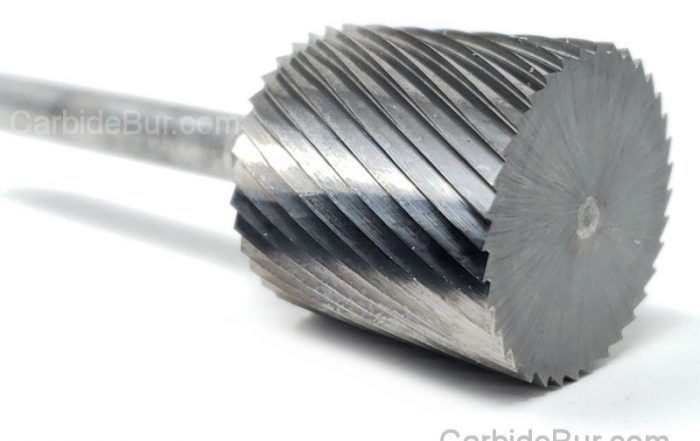
What Size Carbide Burr Do I Need?
What Size Carbide Burr Do I Need? Picking the wrong carbide burr can turn a simple project into a frustrating mess. You might have the best machining tools but still miss the mark if your [...]
How to Smooth Sharp Metal Edges With a Carbide Burr
How to Smooth Sharp Metal Edges With a Carbide Burr Sharp metal edges can turn your project from professional to risky in seconds. If you’ve struggled with smoothing metal edges without scratching or weakening the [...]
