
Dentistry
Dentistry, also known as dental medicine and oral medicine, is a branch of medicine that consists of the study, diagnosis, prevention, and treatment of diseases, disorders, and conditions of the oral cavity, commonly in the dentition but also the oral mucosa, and of adjacent and related structures and tissues, particularly in the maxillofacial (jaw and facial) area. Although primarily associated with teeth among the general public, the field of dentistry or dental medicine is not limited to teeth but includes other aspects of the craniofacial complex including the temporomandibular joint and other supporting, muscular, lymphatic, nervous, vascular, and anatomical structures.
Dentistry is often also understood to subsume the now largely defunct medical specialty of stomatology (the study of the mouth and its disorders and diseases) for which reason the two terms are used interchangeably in certain regions.
Dental treatments are carried out by a dental team, which often consists of a dentist and dental auxiliaries (dental assistants, dental hygienists, dental technicians, as well as dental therapists). Most dentists either work in private practices (primary care), dental hospitals or (secondary care) institutions (prisons, armed forces bases, etc.).
The history of dentistry is almost as ancient as the history of humanity and civilization with the earliest evidence dating from 7000 BC. Remains from the early Harappan periods of the Indus Valley Civilization (c. 3300 BC) show evidence of teeth having been drilled dating back 9,000 years. It is thought that dental surgery was the first specialization from medicine. The modern movement of evidence-based dentistry calls for the use of high-quality scientific evidence to guide decision-making.
Terminology
The term dentistry comes from dentist, which comes from French dentiste, which comes from the French and Latin words for tooth. The term for the associated scientific study of teeth is odontology (from Ancient Greek ὀδούς (odoús, “tooth”)) – the study of the structure, development, and abnormalities of the teeth.
Dental treatment
Dentistry usually encompasses practices related to the oral cavity. According to the World Health Organization, oral diseases are major public health problems due to their high incidence and prevalence across the globe, with the disadvantaged affected more than other socio-economic groups.
The majority of dental treatments are carried out to prevent or treat the two most common oral diseases which are dental caries (tooth decay) and periodontal disease (gum disease or pyorrhea). Common treatments involve the restoration of teeth, extraction or surgical removal of teeth, scaling and root planing, endodontic root canal treatment and cosmetic dentistry
All dentists in the United States undergo at least three years of undergraduate studies, but nearly all complete a bachelor’s degree. This schooling is followed by four years of dental school to qualify as a “Doctor of Dental Surgery” (DDS) or “Doctor of Dental Medicine” (DMD). Specialization in dentistry is available in the fields of Dental Public Health, Endodontics, Oral Radiology, Oral Maxillofacial Surgery, Oral Medicine and Pathology, Orthodontics, Pediatric Dentistry, Periodontics, and Prosthodontics.
By nature of their general training they can carry out the majority of dental treatments such as restorative (fillings, crowns, bridges), prosthetic (dentures), endodontic (root canal) therapy, periodontal (gum) therapy, and extraction of teeth, as well as performing examinations, radiographs (x-rays), and diagnosis. Dentists can also prescribe medications such as antibiotics, sedatives, and any other drugs used in patient management. Depending on their licensing boards, general dentists may be required to complete additional training to perform sedation, dental implants, etc.
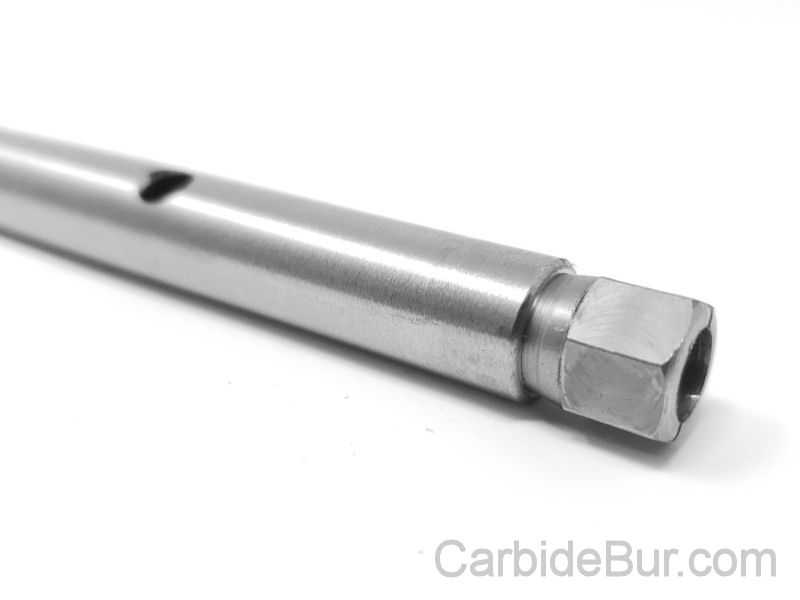
Need a longer reach?
Try our 4″ and 9″ extension tool for your carbide bur bits

Irreversible enamel defects caused by an untreated celiac disease. They may be the only clue to its diagnosis, even in absence of gastrointestinal symptoms, but are often confused with fluorosis, tetracycline discoloration, acid reflux or other causes. The National Institutes of Health include a dental exam in the diagnostic protocol of celiac disease.
Dentists also encourage prevention of oral diseases through proper hygiene and regular, twice or more yearly, checkups for professional cleaning and evaluation. Oral infections and inflammations may affect overall health and conditions in the oral cavity may be indicative of systemic diseases, such as osteoporosis, diabetes, celiac disease or cancer. Many studies have also shown that gum disease is associated with an increased risk of diabetes, heart disease, and preterm birth. The concept that oral health can affect systemic health and disease is referred to as “oral-systemic health”.
How Dentistry Technology with Carbide Tools is Shaping the Future of Dental Procedures
In the ever-evolving landscape of dentistry technology, carbide dental tools are revolutionizing the way dental professionals approach patient care. These cutting-edge instruments are crucial in enhancing dental work precision, particularly in complex procedures like cavity preparation, crown shaping, and root canal treatments. Known for their exceptional hardness and durability, carbide tools provide unparalleled accuracy and efficiency, significantly reducing patient chair time while improving outcomes. As dentistry equipment continues to advance, the integration of carbide tools is setting new standards for procedural effectiveness and patient satisfaction. In this post, we will delve into the transformative impact of these tools on modern dental procedures and their role in shaping the future of the industry. Learn more about these essential tools here.
The Role of Carbide Tools in Dentistry
Carbide tools have become indispensable in modern dentistry, transforming various procedures with their precision and efficiency. From cavity preparation to root canal treatments, these tools enable dental professionals to deliver superior care. In this section, we explore the specific roles these tools play in key dental procedures.
Precision in Cavity Preparation
Cavity preparation requires meticulous attention to detail, and this is where carbide dental tools excel. Their exceptional hardness allows for precise removal of decay, ensuring that only the affected area is targeted. This precision helps in maintaining the integrity of the surrounding healthy tooth structure.
-
Sharpness: Carbide tools maintain their sharpness longer than traditional steel tools, providing consistent results.
-
Smooth Finish: They leave a smoother surface, which is crucial for effective filling adhesion.
According to a study, the use of carbide burs in cavity preparation reduces the risk of microleakage, enhancing the longevity of fillings. Explore more about cavity preparation here.
Efficiency in Crown Shaping
Crown shaping is another area where carbide tools demonstrate their significance. These tools offer unmatched precision, crucial for achieving the perfect fit and finish of dental crowns.
-
Initial Shaping: Carbide tools quickly remove bulk material.
-
Fine Tuning: They allow for detailed adjustments to achieve the desired contour.
-
Polishing: The tool finishes with a high-quality polish.
This efficiency ensures that crowns not only fit well but also enhance the aesthetic appeal of the patient’s smile. Learn more about crown shaping with carbide tools.
Enhancing Root Canal Treatments
Root canal treatments demand precision and care, as they involve working in confined spaces. Here, carbide tools play a crucial role in shaping and cleaning the canal with remarkable accuracy.
-
Durability: They withstand the rigors of the procedure without losing effectiveness.
-
Consistency: Each use delivers predictable results, vital for successful outcomes.
With carbide tools, dentists can ensure that the root canal is thoroughly prepared for filling, reducing the likelihood of future complications. Understand the impact of carbide tools on root canal treatments.
Advantages of Carbide Dental Tools
The advantages offered by carbide dental tools are numerous, contributing significantly to the field of dentistry. In this section, we delve into the key benefits, including durability, improved patient outcomes, and reduced chair time.
Durability and Longevity
Carbide dental tools are renowned for their durability and longevity. They outlast traditional tools due to their resistance to wear and tear, making them a cost-effective choice for dental practices.
-
Material Strength: Made from robust materials, these tools retain their function over extensive use.
-
Performance: Consistent performance reduces the need for frequent replacements, saving time and money.
The robust nature of carbide tools ensures they remain a staple in modern dentistry. Explore the durability of carbide tools further.
Improved Patient Outcomes
The precision and efficiency of carbide tools lead to improved patient outcomes. Patients benefit from enhanced accuracy, which minimizes errors and maximizes the success of dental procedures.
-
Less Invasive: Precise cutting reduces unnecessary removal of healthy tissue.
-
Faster Recovery: Efficient procedures lead to quicker recovery times.
The end result is increased patient satisfaction and trust in dental care. Discover more about how carbide tools improve patient outcomes.
Reduced Chair Time
One of the most significant advantages of carbide dental tools is the reduction in patient chair time. Efficiency in procedures translates to shorter appointments and less discomfort for patients.
-
Streamlined Procedures: Faster shaping and preparation processes.
-
Quick Adjustments: Minimal time spent on corrections.
This not only improves the patient experience but also increases the daily capacity of dental practices. Learn about the impact on chair time.
Future of Dentistry Technology
The future of dentistry is being shaped by technological advancements, with carbide tools playing a central role. This section explores how innovations are impacting dental procedures and the necessity of embracing advanced equipment.
Innovations Shaping the Industry
The dental industry is experiencing rapid advancements fueled by technology. Innovations such as biocompatible tools and digital dentistry are transforming traditional practices.
-
3D Printing: Revolutionizing the creation of dental prosthetics.
-
AI Integration: Enhancing diagnostic capabilities and treatment planning.
These innovations promise to further elevate standards in dental care. Read more about future innovations in dentistry.
Impact on Dental Procedures
Advancements in technology are reshaping how dental procedures are performed. Carbide tools enhance precision, making procedures more efficient and less invasive.
|
Procedure |
Traditional Tools |
Carbide Tools |
|---|---|---|
|
Cavity Preparation |
Less precise |
Highly accurate |
|
Crown Shaping |
Time-consuming |
Efficient |
|
Root Canal |
Limited consistency |
Reliable results |
The integration of such tools is crucial for meeting modern dentistry’s demands. Understand the impact on procedures.
Embracing Advanced Dentistry Equipment
As dentistry continues to evolve, embracing advanced equipment is essential for practices to remain competitive. Investing in the latest technology enhances service quality and operational efficiency.
-
Updated Tools: Ensure access to cutting-edge procedures.
-
Staff Training: Keep teams skilled in using advanced equipment.
By integrating these technologies, dental practices can provide unparalleled care. Learn why embracing technology is critical.

Try our 1/4” to 1/8” Collet Reducer
Allows you to use 1/8” shank carbide bits in your 1/4” die grinder
All our USA made carbide bur cutting tools ship SAME DAY ordered by USPS Mail with online tracking.
We can also dropship the carbide bur die grinder bits, if interested in joining our FREE dropship program.

We accept debit and all major credit card payments including Visa, MasterCard, Discover, American Express and PayPal. Fast and easy secure checkout with no account or login required. If you have any questions, visit our FAQ page or contact us here.

Follow us on Facebook, Twitter and Instagram

Return to CarbideBur.com
Carbide Burs – 1/4″ on 1/8″ Shanks – Accessories – Aluminum Cut – Bur Sets – End Mills – Long Shank – Solid Burs