
Mastering Carbide Burr Maintenance: Tips for Cleaning, Sharpening, and Tool Longevity
Carbide burrs wear out faster when dirt and dull edges slow you down. If you want to keep your tools sharp and lasting longer, proper carbide burr maintenance is key. In this guide, you’ll learn how to clean carbide burrs, sharpen them correctly, and extend tool life so your projects stay on track without extra costs. Explore more on how to extend the lifespan of your carbide tools.
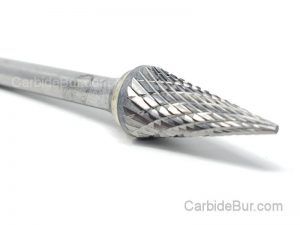
Click here for our entire selection of carbide bur tools
Essential Cleaning Techniques
Keeping your carbide burrs clean is the first step to ensuring they last longer. Let’s dive into how you can achieve this effectively.
How to Clean Carbide Burrs
When it comes to cleaning carbide burrs, the key is regular maintenance. Begin by rinsing the burrs with warm water to remove any loose debris. For more stubborn particles, a small brush can help scrub away the grime. A 90% isopropyl alcohol solution works wonders as a final rinse to eliminate any remaining residue.
For those hard-to-reach spots, consider using a toothbrush or a small wire brush. These tools can access tight spaces without damaging the burr. After cleaning, make sure to dry the burrs thoroughly. Do you know what happens if moisture is left unchecked? Rust and corrosion can set in, cutting down the tool’s lifespan.
Carbide Burr Cleaning Techniques
Did you know that using an ultrasonic cleaner can take your cleaning routine to the next level? These devices use sound waves to agitate the cleaning solution, dislodging dirt from deep within the burr’s grooves. It’s like a spa day for your tools, leaving them spotless without manual scrubbing.
Another tip is to avoid using harsh chemicals or abrasive materials, which can damage the burr’s surface. Instead, opt for gentle, tool-friendly products that keep your burrs in top shape. For more handy cleaning tips, check out this ultimate guide.
Sharpening Methods
Once your carbide burrs are clean, sharpening them ensures they cut efficiently. Here’s how to maintain that perfect edge.
Sharpening Carbide Burrs
Sharpening carbide burrs doesn’t have to be daunting. Start by securing the burr in a vice to prevent any movement. Use a diamond file or rotary diamond wheel as your sharpening tool. With gentle, even strokes, follow the burr’s original cutting pattern.
Are you wondering how often to sharpen? A good rule of thumb is to sharpen when you notice reduced cutting performance. Over-sharpening can lead to premature wear, so be mindful of the tool’s condition.
Tools for Perfect Edge
Investing in quality sharpening tools makes all the difference. A diamond-coated sharpening wheel is one of the best investments for maintaining carbide burrs. It offers precision and durability, ensuring your burrs stay sharp.
For those who prefer manual sharpening, diamond files are a great choice. They provide control and accuracy, allowing you to follow the burr’s contours effortlessly. Discover more about sharpening techniques in this comprehensive guide.
Prolonging Tool Life
Proper care doesn’t end with sharpening. Let’s explore what you can do to further extend your tools’ lifespan.
Extending Tool Life
The secret to extending tool life lies in consistent care and mindful use. After each project, inspect your burrs for signs of wear or damage. Early detection allows for timely repairs or replacements, preventing costly downtime.
Did you know that using the right speed settings on your tools can also enhance their longevity? Too fast, and you risk overheating; too slow, and the tool will underperform. Balance is key to keeping your burrs effective.
Best Practices for Longevity
Implementing best practices is crucial for maintaining your burrs. Always store them in a dry, safe place away from moisture and dust. A dedicated toolbox or storage case can protect them from accidental damage and contamination.
Rotate your burrs regularly to ensure even wear. This simple habit can significantly extend their life, saving you money and frustration. For additional tips on caring for your carbide burrs, visit this detailed article.
By following these straightforward steps, you can ensure your carbide burrs remain reliable, helping you tackle projects with confidence and ease.
Click here for our entire selection of carbide bur tools
Tips for Cleaning, Sharpening, and Tool Longevity
Mastering Carbide Burr Maintenance: Tips for Cleaning, Sharpening, and Tool Longevity Carbide burrs wear out faster when dirt and dull edges slow you down. If you want to keep your tools sharp and lasting longer, [...]
The Locksmith’s Guide to Efficient Safe Access and Bolt Shearing
Flame Burrs Explained: The Locksmith's Guide to Efficient Safe Access and Bolt Shearing Cutting slots to shear bolts on round-head safes can slow you down—unless you use the right tool. A flame burr offers precision [...]
Precision Porting Tips with Carbide Burrs and Die Grinders
Elevate Your Engine Tuning Skills: Precision Porting Tips with Carbide Burrs and Die Grinders Forget everything you think you know about cylinder head porting. Many enthusiasts waste hours with the wrong tools and techniques, missing [...]
How Ball Burrs Enhance Scope Hole Creation for Locksmiths
Mastering Precision: How Ball Burrs Enhance Scope Hole Creation for Locksmiths Most locksmiths struggle with creating clean, round holes that won’t harm delicate lock parts. Using a ball burr changes that challenge into a precise, [...]
Carving and Engraving with Carbide Burrs
Mastering the Art of Small Projects: Carving and Engraving with Carbide Burrs Most hobbyists struggle to get fine details right when working on small projects. You might have the tools but still miss that sharp, [...]
A Locksmith’s Guide to Cutting Through Tough Materials
Choosing the Right Magi Burr: A Locksmith’s Guide to Cutting Through Tough Materials Most locksmiths waste hours struggling with burrs that wear out too fast or fail against tough materials. You know the frustration when [...]
The Ultimate Guide to Correct Burr Selection and Cutting Speeds
The Ultimate Guide to Correct Burr Selection and Cutting Speeds Most people using carbide burrs waste time and risk costly damage because they pick the wrong burr or run at the wrong speed. You might [...]
Unlock the Potential of Safe-End Burrs in the Safe Locking Industry
Unlock the Potential of Safe-End Burrs in the Safe Locking Industry Damaging levers during safe lock extraction slows down your work and risks costly repairs. The safe-end burr changes that by creating flat-bottom holes that [...]
Essential Carbide Burr Techniques for Stainless Steel and Cast Iron
Mastering Hard Materials: Essential Carbide Burr Techniques for Stainless Steel and Cast Iron Handling stainless steel and cast iron with the wrong approach wastes time and tools. Carbide burrs offer a powerful edge, but only [...]
Best Techniques and Burr Selection for Manufacturing Pros
Mastering Beveling Edges: Best Techniques and Burr Selection for Manufacturing Pros Most drilled holes carry hidden stress points that chip away at your project’s strength. Using the right taper radius end burr to bevel edges [...]
Essential Lock Picking Tools and Techniques You Need
From Hobbyist to Pro: Essential Lock Picking Tools and Techniques You Need Most lock picking tools barely scratch the surface when it comes to precision. If your grooves aren’t exact, your manipulation wires or picks [...]
Enhancing Tool Longevity and Machining Processes
The Art of Burr Speed Adjustments: Enhancing Tool Longevity and Machining Processes Most people crank their die grinder RPM too high or too low without knowing the damage it causes. Your carbide burr sizes demand [...]

Leave A Comment
You must be logged in to post a comment.