
The Ultimate Guide to Correct Burr Selection and Cutting Speeds
Most people using carbide burrs waste time and risk costly damage because they pick the wrong burr or run at the wrong speed. You might think any carbide bur will do, but that mistake cuts into your machining efficiency and tool life. This guide breaks down the top carbide burr mistakes and shows how correct burr selection and feeding techniques get the job done faster and cleaner. For more information on deburring techniques and speeds, check out this link.
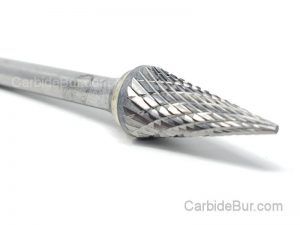
Click here for our entire selection of carbide bur tools
Common Carbide Burr Mistakes
Understanding these common mistakes is crucial to optimizing your work with carbide burrs.
Incorrect Burr Selection
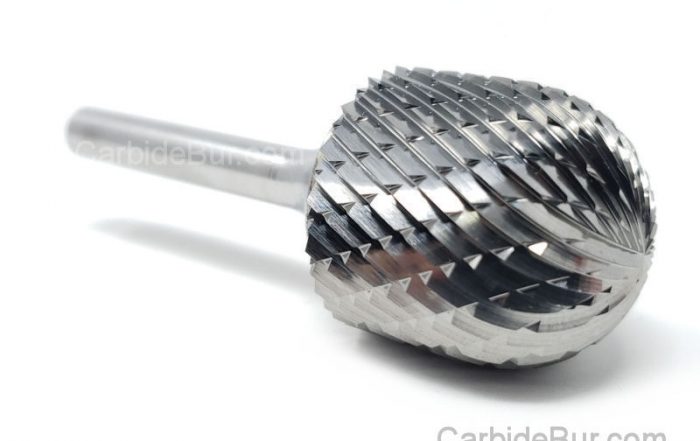
Choosing the right burr is essential. The wrong type can lead to inefficient work and poor outcomes. Most people assume any burr will suffice, but each has a specific purpose. Imagine you’re working on a delicate project and use a burr that’s too large or aggressive, causing unnecessary damage. The key is to match the burr to the material and task at hand. For instance, a double cut carbide burr is excellent for removing material quickly, while a single cut is better for finishing. Check out this guide for more specific applications.
Improper Cutting Speeds
Speed matters. Running your burr too fast or slow impacts the quality of your work and the tool’s lifespan. Many believe faster is always better, but this isn’t the case. Cut too fast, and you risk overheating and dulling the burr. Cut too slow, and you might not achieve the desired finish. For instance, tungsten carbide burrs need specific speeds depending on the task, whether it’s grinding or finishing. This resource offers a detailed breakdown.
Inadequate Feeding Techniques
Feeding techniques can make or break your project. Incorrect feeding can cause the burr to snag, chatter, or even break. Many think applying more pressure will speed up the process, but this can damage both the workpiece and the burr. Instead, let the tool do the work. Use a steady hand and consistent motion. Learn more about maintaining your burrs with proper techniques here.
Tips for Correct Burr Usage
Now that we’ve covered common mistakes, let’s dive into best practices to enhance your work with carbide burrs.
Choosing the Right Burr
Selecting the right burr starts with understanding your material and task. Different shapes and cuts serve unique functions. For example, a tree-shaped burr is perfect for rounding edges, while a cylinder-shaped burr excels in flat surface work. Always prioritize selecting a burr matched to your specific need to improve precision and finish.
Setting the Proper Cutting Speed
Optimal speed ensures you get the best results. Use the manufacturer’s guidelines as a starting point and adjust based on the material. For softer materials, a slower speed may be beneficial, while harder materials might require faster speeds. Remember, it’s not just about speed but finding the right balance to maximize your machining efficiency.
Effective Feeding Techniques
Mastering feeding techniques can significantly impact your results. Use gentle, consistent pressure to guide the burr. Avoid forcing it into the material. Instead, allow the burr to cut at its natural pace. This approach reduces wear and tear, extending the life of your tool and improving the finish of your workpiece.
By understanding and implementing these tips, you’ll enhance your skillset and achieve superior results. Keep refining your techniques, and remember, the right burr, speed, and feeding technique can transform your work.
Click here for our entire selection of carbide bur tools
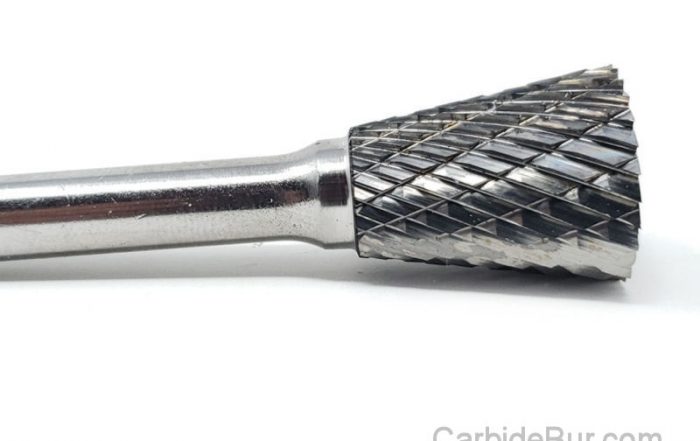
Carbide Burr Safety: 15 Mistakes That Can Cause Injury or Damage
Carbide Burr Safety: 15 Mistakes That Can Cause Injury or Damage Carbide burr safety is often overlooked until a costly mistake happens. Many metalworkers and DIYers make the same errors that lead to injuries or [...]
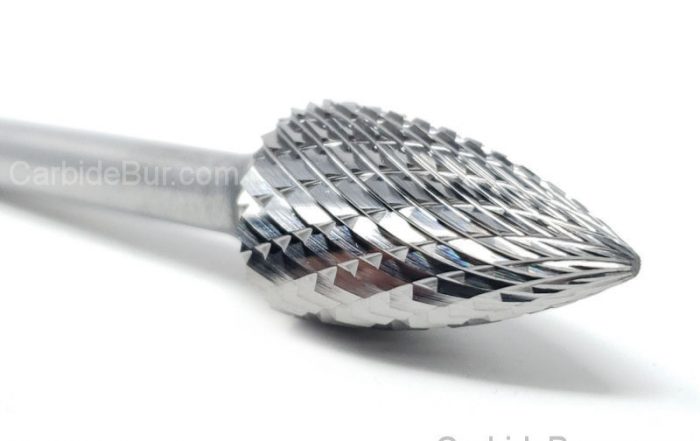
Can You Use a Carbide Burr in a Drill?
Can You Use a Carbide Burr in a Drill? Most people think a standard drill can’t handle a carbide burr, but that’s not true. Using carbide burr in the right drill can speed up your [...]
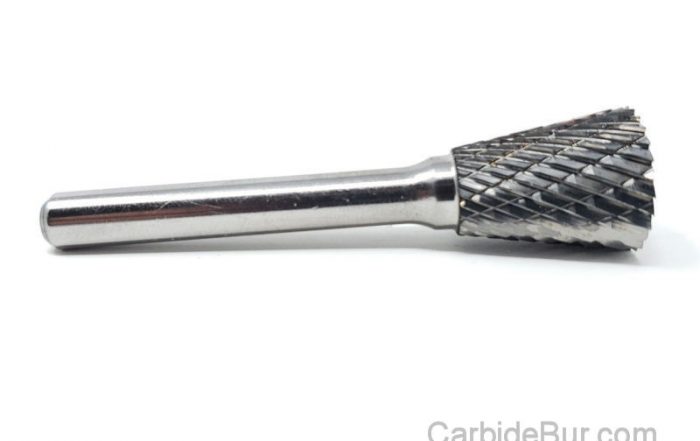
Carbide Burrs for Removing Rust: What Works Best?
Carbide Burrs for Removing Rust: What Works Best? Rust can turn your favorite tools into useless junk faster than you expect. Removing it without ruining the metal underneath takes more than just elbow grease—it demands [...]
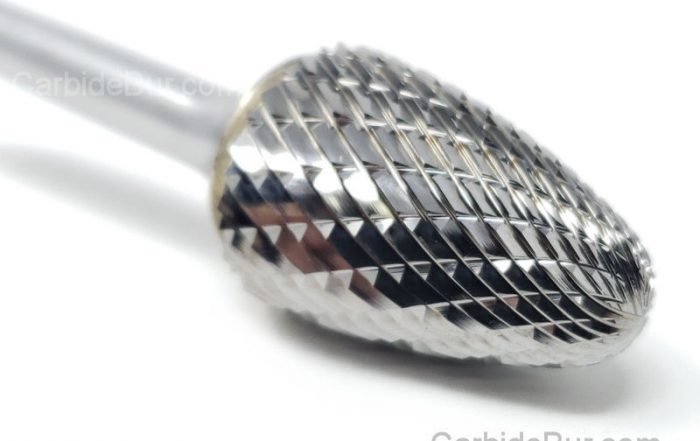
How Much Pressure Should You Use With a Carbide Burr?
How Much Pressure Should You Use With a Carbide Burr? Most people think pressing harder with a carbide burr speeds up the job. That’s not true—too much pressure wears out your tool and ruins the [...]
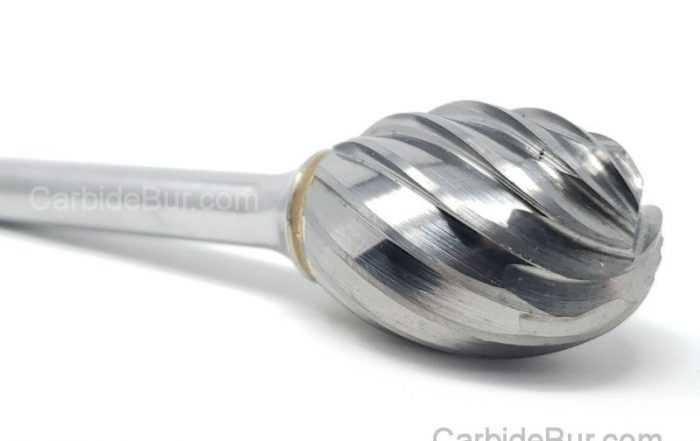
Can You Use Carbide Burrs With an Air Die Grinder?
Can You Use Carbide Burrs With an Air Die Grinder? Most people don’t realize how well carbide burrs work with air die grinders until they try them. If you’ve ever struggled with finding the right [...]
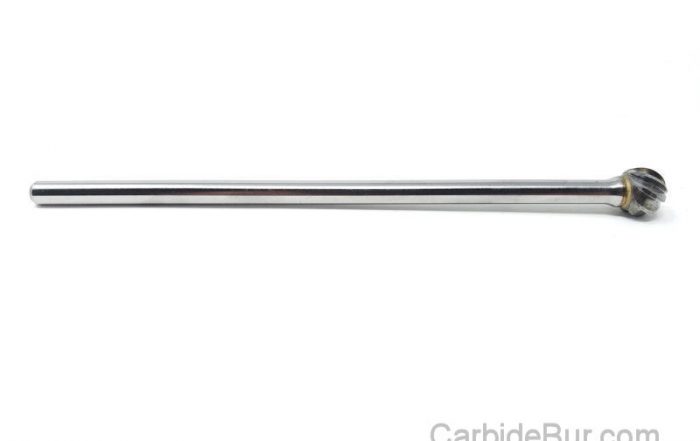
Best Long Reach Carbide Burr for Deep Metal Work
Best Long Reach Carbide Burr for Deep Metal Work Long reach carbide burrs often promise deep metal access, but many fall short where it counts most. You need a tool that cuts cleanly, lasts through [...]
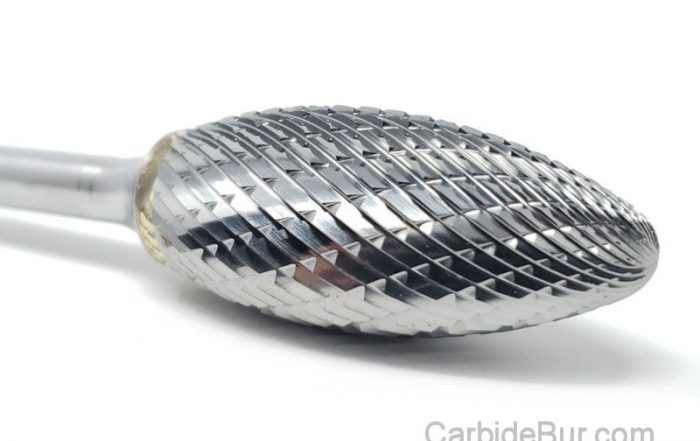
What RPM Should You Use for a 1/8 Inch Carbide Burr?
What RPM Should You Use for a 1/8 Inch Carbide Burr? Most people guess the right carbide burr RPM by feel—and waste hours redoing work. If you want cleaner cuts and longer tool life, your [...]
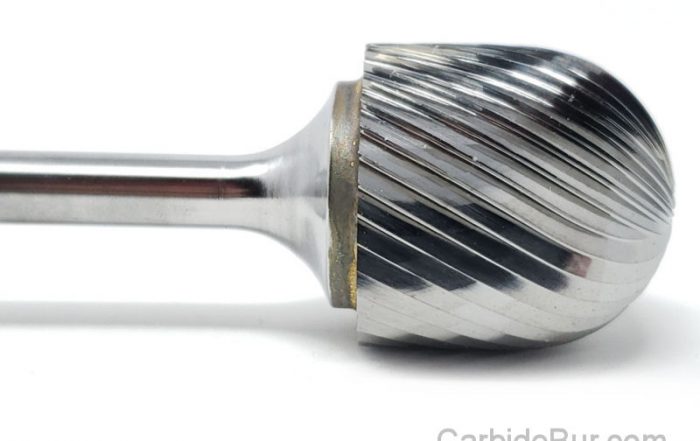
Carbide Burrs for Tight Spaces: Choosing the Right Shape
Carbide Burrs for Tight Spaces: Choosing the Right Shape Tackling tight spaces with the wrong carbide burrs wastes time and risks damaging your work. Choosing the right burr shape makes all the difference when working [...]
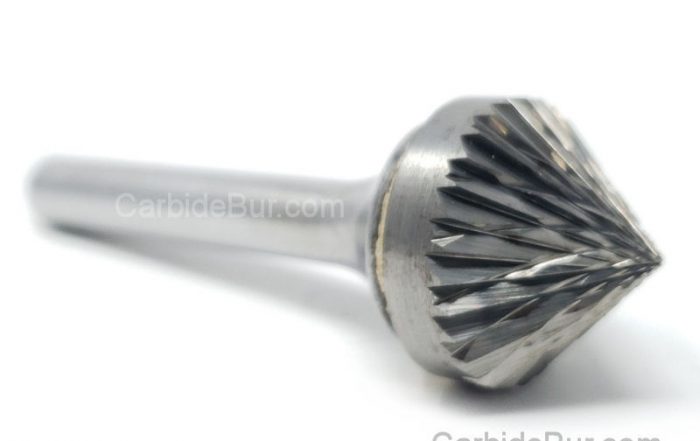
Can Carbide Burrs Remove Paint From Metal?
Can Carbide Burrs Remove Paint From Metal? Stripping paint from metal often feels like a tough chore that risks damaging the surface underneath. Many turn to carbide burrs hoping they can speed things up without [...]
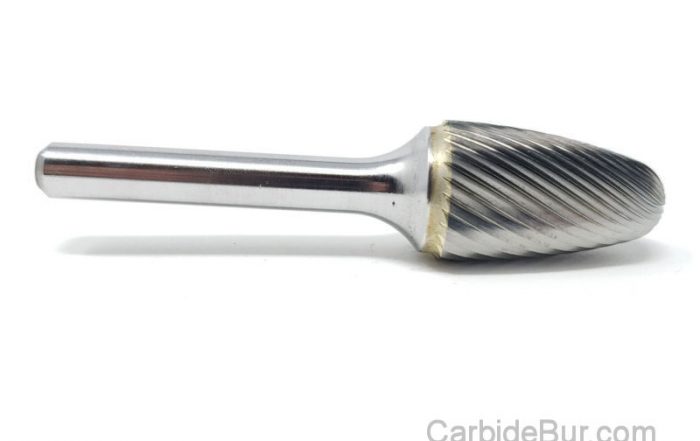
How to Grind a Groove in Metal With a Carbide Burr
How to Grind a Groove in Metal With a Carbide Burr Most metalworkers struggle to cut clean grooves without wasting time or ruining their workpiece. Many try different metalworking tools but end up with uneven [...]
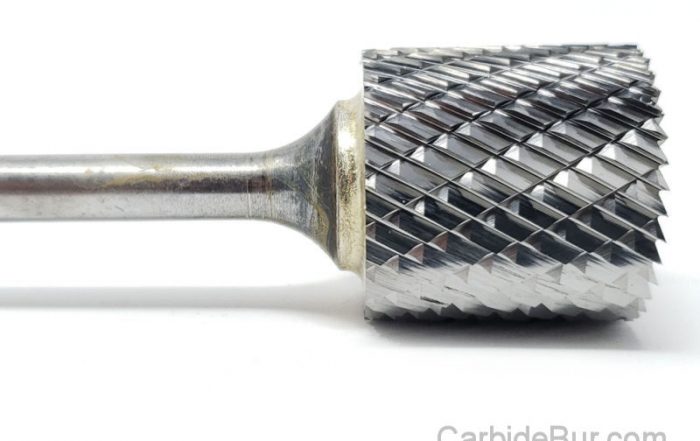
Can Carbide Burrs Cut Through Welds?
Can Carbide Burrs Cut Through Welds? Cutting through welds can feel like a battle, especially when you need clean results without harming the base metal. Carbide burrs offer a sharp edge in this fight, but [...]
How to Use a Carbide Burr With a Die Grinder
How to Use a Carbide Burr With a Die Grinder Most people treat a carbide burr like just another tool, but using it with a die grinder takes skill. If you’ve struggled with burr installation [...]
