
Mastering the Art of Small Projects: Carving and Engraving with Carbide Burrs
Most hobbyists struggle to get fine details right when working on small projects. You might have the tools but still miss that sharp, clean finish that makes your work stand out. Carbide burrs can change that by giving you the control needed for carving, engraving, and metal detailing. In this post, you’ll see which burr shapes fit your needs and learn tips to perfect your craftsmanship with these essential hobbyist carving tools.
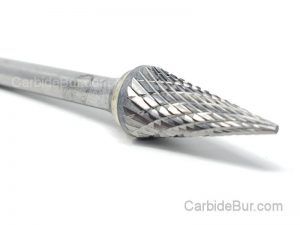
Click here for our entire selection of carbide bur tools
Choosing the Right Carbide Burr
Picking the correct carbide burr is crucial for perfecting your project. You need to understand shapes and materials to make the best choice.
Understanding Burr Shapes
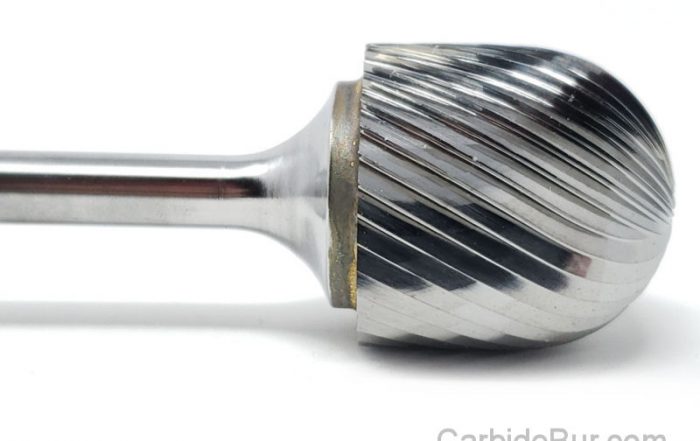
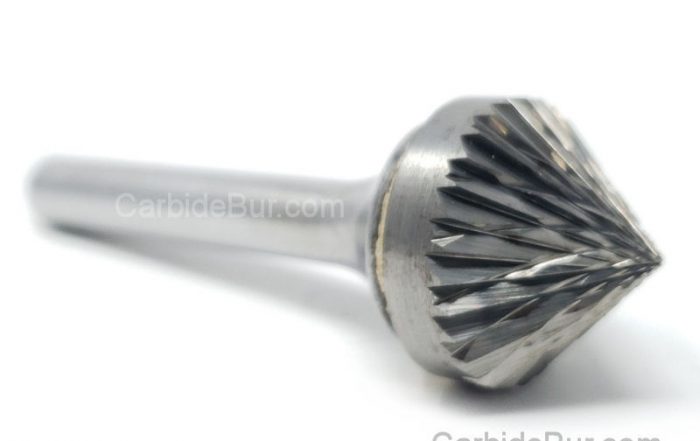
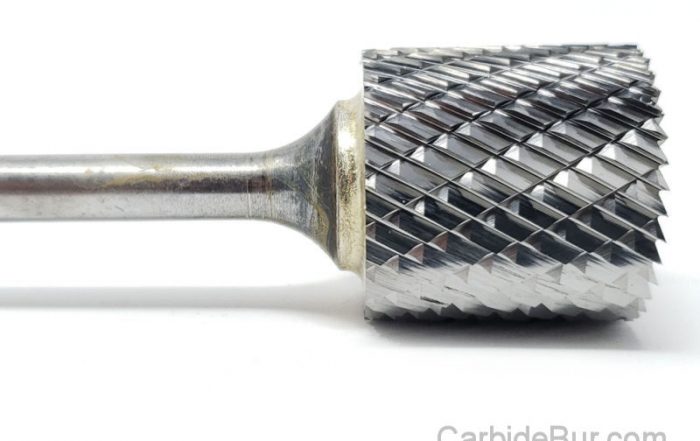
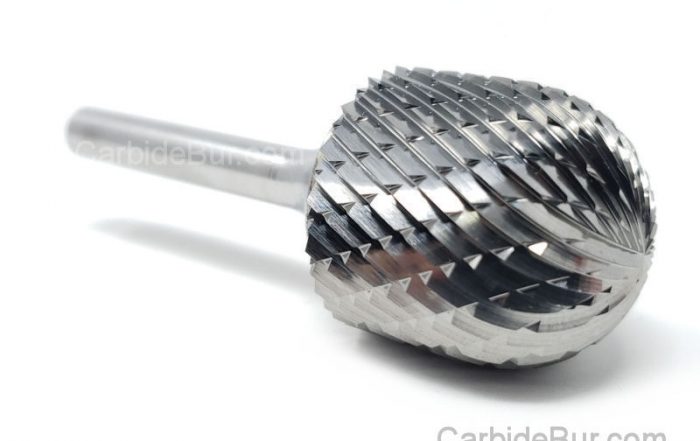
Carbide burrs come in various shapes, and each serves a specific purpose. For example, cylindrical burrs are ideal for cutting flat surfaces and removing excess material. On the other hand, ball-shaped burrs work well for creating concave cuts and shaping. If you want to make sharp angles or edges, a tapered burr is your go-to choice. By selecting the right shape, you ensure precision in your work.
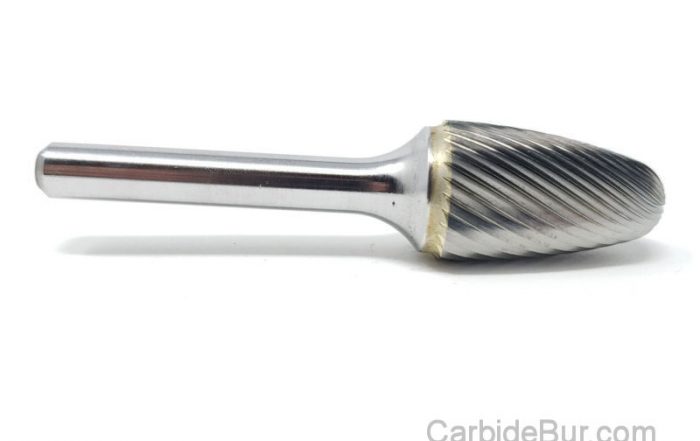
Consider this: if you’re crafting a wooden figurine, a flame-shaped burr might help carve intricate details. This small tweak can significantly impact the end result. Most people think one shape fits all, but that’s a common mistake. Each project demands its own tool.
Selecting Burrs for Material Types
Different materials require different burrs. Tungsten carbide burrs are perfect for metals like steel and iron because they maintain sharpness and resist wear. For softer materials like wood or plastic, a single cut burr can prevent clogging. It’s essential to match the burr to the material to avoid wear and tear.
Imagine working on a metalwork project. Using a burr not suited for metal leads to frustration and poor results. Here’s the key insight: always test a burr on a scrap piece to see how it performs. This small step saves time and ensures quality.
Techniques for Intricate Designs
With the right burr, you’re ready to dive into crafting intricate designs. Let’s explore how to turn your vision into reality.
Carving Tips for Hobbyists
Carving can transform a basic piece into a work of art. Start by sketching your design on the material. This gives you a roadmap. Hold your tool at a 45-degree angle for the best control and precision. Short, gentle strokes prevent mistakes and keep your design on track.
Think about this: many hobbyists rush, leading to slips and errors. Patience is your ally. If you’re carving a detailed pattern on wood, take breaks to reassess your progress. This method keeps the design consistent and sharp.
Engraving Techniques for Precision
Engraving adds depth and character to any project. Begin with a light touch to outline your design. Slowly increase pressure for deeper cuts. Remember, practice makes perfect. Use scrap material to refine your technique.
Here’s a little-known fact: Engraving with a steady hand minimizes vibrations and enhances accuracy. If you’re working on metal, a double cut carbide burr reduces chattering, making engraving smoother. This detail often surprises new hobbyists.
Achieving Professional Finishes
A professional finish is what sets apart seasoned hobbyists. Let’s uncover how you can achieve this.
Detailing Techniques for Small Projects
Attention to detail elevates your work. Use a fine grit sandpaper to smooth edges and surfaces. This simple step refines your project. Additionally, inspect your work under different lighting to catch any imperfections.
Think of detailing like proofreading a document. Missing one small error can change the entire narrative. Most people skip this step, but it’s crucial for a polished piece. Embrace detailing as part of the process, and your projects will shine.
Tips for DIY Metalwork and Wood Carving
Metalwork and wood carving require a balance between technique and creativity. When working with metal, use a carbide rotary burr for clean cuts. For wood, a dental carbide bur helps in achieving intricate designs.
Here’s a pro tip: Always keep your tools clean and sharp. A dull tool can ruin your hard work. Regularly maintain your equipment to ensure longevity and performance. The longer you wait, the more quality you compromise.
To sum up, mastering the art of small projects lies in choosing the right tools and perfecting your technique. With these insights, you’re ready to tackle any project with confidence and precision.
Click here for our entire selection of carbide bur tools
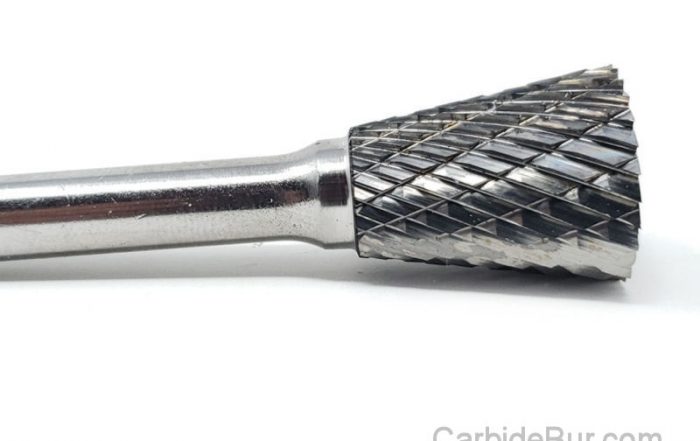
Carbide Burr Safety: 15 Mistakes That Can Cause Injury or Damage
Carbide Burr Safety: 15 Mistakes That Can Cause Injury or Damage Carbide burr safety is often overlooked until a costly mistake happens. Many metalworkers and DIYers make the same errors that lead to injuries or [...]
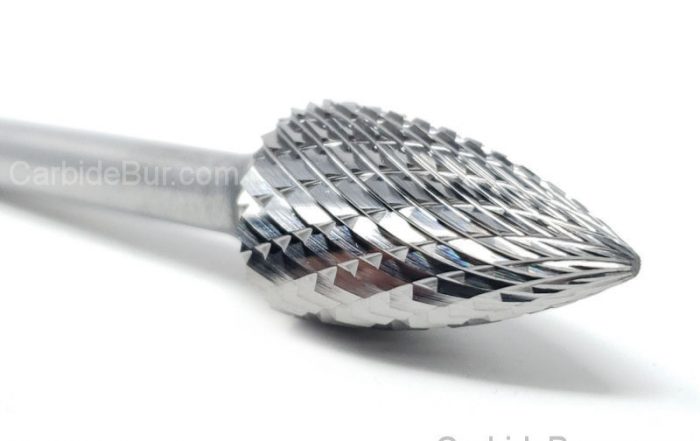
Can You Use a Carbide Burr in a Drill?
Can You Use a Carbide Burr in a Drill? Most people think a standard drill can’t handle a carbide burr, but that’s not true. Using carbide burr in the right drill can speed up your [...]
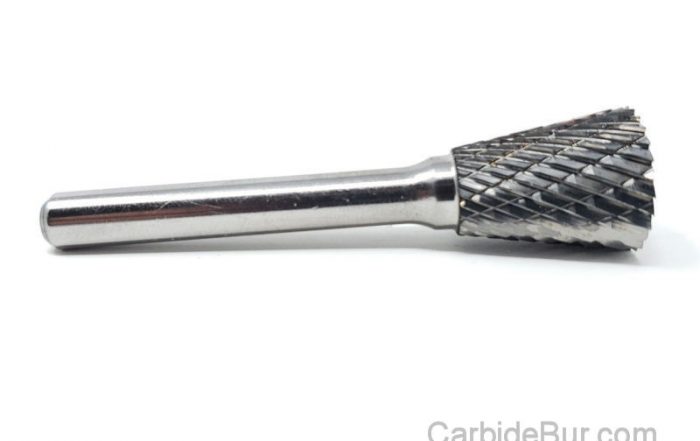
Carbide Burrs for Removing Rust: What Works Best?
Carbide Burrs for Removing Rust: What Works Best? Rust can turn your favorite tools into useless junk faster than you expect. Removing it without ruining the metal underneath takes more than just elbow grease—it demands [...]
How Much Pressure Should You Use With a Carbide Burr?
How Much Pressure Should You Use With a Carbide Burr? Most people think pressing harder with a carbide burr speeds up the job. That’s not true—too much pressure wears out your tool and ruins the [...]
Can You Use Carbide Burrs With an Air Die Grinder?
Can You Use Carbide Burrs With an Air Die Grinder? Most people don’t realize how well carbide burrs work with air die grinders until they try them. If you’ve ever struggled with finding the right [...]
Best Long Reach Carbide Burr for Deep Metal Work
Best Long Reach Carbide Burr for Deep Metal Work Long reach carbide burrs often promise deep metal access, but many fall short where it counts most. You need a tool that cuts cleanly, lasts through [...]
What RPM Should You Use for a 1/8 Inch Carbide Burr?
What RPM Should You Use for a 1/8 Inch Carbide Burr? Most people guess the right carbide burr RPM by feel—and waste hours redoing work. If you want cleaner cuts and longer tool life, your [...]
Carbide Burrs for Tight Spaces: Choosing the Right Shape
Carbide Burrs for Tight Spaces: Choosing the Right Shape Tackling tight spaces with the wrong carbide burrs wastes time and risks damaging your work. Choosing the right burr shape makes all the difference when working [...]
Can Carbide Burrs Remove Paint From Metal?
Can Carbide Burrs Remove Paint From Metal? Stripping paint from metal often feels like a tough chore that risks damaging the surface underneath. Many turn to carbide burrs hoping they can speed things up without [...]
How to Grind a Groove in Metal With a Carbide Burr
How to Grind a Groove in Metal With a Carbide Burr Most metalworkers struggle to cut clean grooves without wasting time or ruining their workpiece. Many try different metalworking tools but end up with uneven [...]
Can Carbide Burrs Cut Through Welds?
Can Carbide Burrs Cut Through Welds? Cutting through welds can feel like a battle, especially when you need clean results without harming the base metal. Carbide burrs offer a sharp edge in this fight, but [...]
How to Use a Carbide Burr With a Die Grinder
How to Use a Carbide Burr With a Die Grinder Most people treat a carbide burr like just another tool, but using it with a die grinder takes skill. If you’ve struggled with burr installation [...]
