
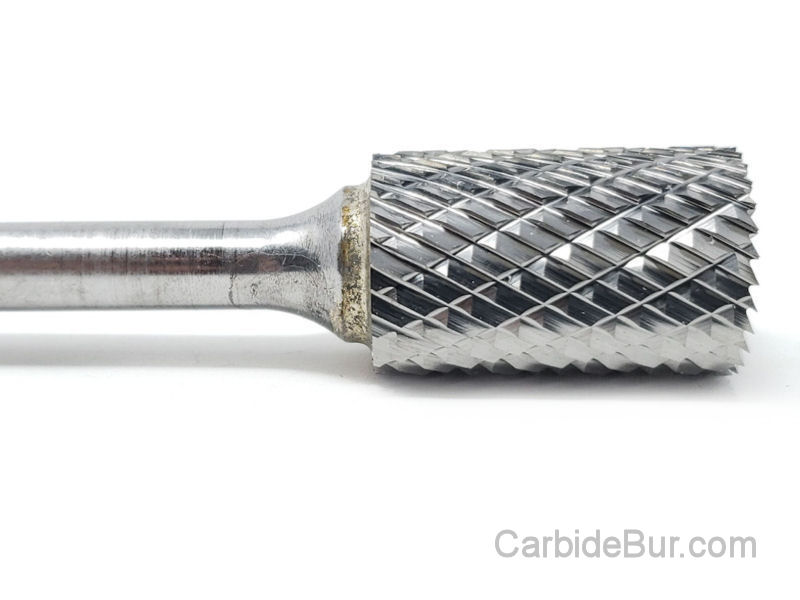
Are Rare Carburized Alloys The Key To Superior Rotary Burr Cutter Performance?
There’s an increasing fascination with the materials that shape the tools you rely on for precision cutting and shaping. Specifically, rare carburized alloys are garnering attention for their potential to enhance rotary burr cutter performance. In this post, you will discover how these specialized alloys can elevate your manufacturing or crafting experience, providing insights into their unique properties and how they compare to traditional materials. Understanding the advantages they offer could transform how you approach your rotary burr cutter applications.
Find more carbide bur die grinder tool bits here
Understanding Carburized Alloys
To grasp the significance of carburized alloys, it’s vital to recognize their unique properties and applications in cutting tools like rotary burr cutters. Carburization is a heat treatment process that enhances the material characteristics, making these alloys particularly suited for high-performance applications. By increasing surface hardness and wear resistance, carburized alloys offer improved longevity and durability in cutting operations, thus setting the foundation for superior cutting performance.
Definition and Composition
Against the backdrop of conventional alloys, carburized alloys undergo a specialized process where carbon is introduced to the surface, altering their structural and chemical composition. This process creates a hardened outer layer while preserving a more ductile core. Typically composed of iron and varying elements such as chromium and nickel, carburized alloys showcase the ability to withstand rigorous cutting demands without compromising performance.
Benefits of Carburization
Above all, carburization imparts significant advantages, including increased hardness, enhanced wear resistance, and improved fatigue strength. By allowing your rotary burr cutters to maintain sharpness longer, you can achieve cleaner cuts and lower production costs. Furthermore, this treatment reduces the likelihood of tool failure, which can lead to costly downtime and replacement. Ultimately, the unique attributes of carburized alloys make them a desirable choice for cutting applications.
Definition of the benefits of carburization extends beyond just improved hardness and wear resistance. When you use carburized alloys in your rotary burr cutters, you benefit from their ability to withstand higher temperatures and provide excellent performance in harsh environments. This translates to less tool replacement and downtime during your projects, ensuring you remain productive. The enhanced fatigue strength also means your tools can handle repeated cycles of stress, making them reliable for both industrial and DIY applications.
Rotary Burr Cutters Explained
It is important to understand that rotary burr cutters are precision tools employed in various machining processes. They are designed to remove material from workpieces, shaping, deburring, and finishing surfaces. Typically mounted on rotary tools or CNC machines, these cutters enable high levels of performance and accuracy in metal fabrication and woodworking tasks.
Types of Rotary Burr Cutters
It’s important to know that rotary burr cutters come in various shapes and sizes, each suited for different applications.
- Ball Nose – Ideal for creating concave surfaces
- Cylinder – Perfect for flat surfaces and slots
- Tapered – Useful for intricate work and corners
- Tree – Suitable for contouring and engraving
- Pointed – Best for precision cutting and drilling
Assume that you choose the right type to enhance your project’s efficiency.
| Type | Usage |
|---|---|
| Ball Nose | Concave surfaces |
| Cylinder | Flat surfaces and slots |
| Tapered | Intricate work and corners |
| Tree | Contouring and engraving |
| Pointed | Precision cutting and drilling |
Applications and Uses
With your choice of rotary burr cutter, you can tackle a variety of applications across different industries, making these tools indispensable.
Understanding the versatility of rotary burr cutters opens up numerous opportunities for your projects. From automotive repair and metalworking to woodworking and aerospace, these tools are paramount in achieving intricate shapes and smooth finishes. You can utilize them for deburring edges, contouring surfaces, and even engraving, allowing for precision in your craftsmanship. Investing in the right rotary burr cutter can significantly enhance your productivity and the quality of your work.
Performance Metrics of Rotary Burr Cutters
If you’re seeking to enhance your machining efficiency, understanding the performance metrics of rotary burr cutters is necessary. These metrics encompass various factors, such as cutting efficiency, durability, and wear resistance, which can significantly impact your work quality and productivity. By optimizing these elements, you can ensure that your rotary burr cutters deliver consistent, high-performance results, making your projects more efficient and cost-effective.
Cutting Efficiency
With the right choice of materials and design, your rotary burr cutter can achieve exceptional cutting efficiency. The alloy composition and geometry of the cutter play key roles in determining how effectively it can remove material during operation. A well-designed cutter minimizes friction and heat generation, allowing for smoother and faster cuts, thus increasing overall productivity.
Durability and Wear Resistance
To maintain optimal performance, it’s important that your rotary burr cutters possess strong durability and wear resistance. High-quality materials, like rare carburized alloys, can greatly enhance the lifespan of your tools, enabling you to achieve consistent results over time.
Burr tools crafted from advanced alloys demonstrate remarkable durability and wear resistance, effectively combating the stresses of heavy-duty machining and reducing the need for frequent replacements. This enhanced lifespan not only saves you time and money but also maintains a high level of precision in your work. By investing in rotary burr cutters made from superior materials, you ensure that you’re equipped with tools capable of enduring the rigors of daily use while delivering top-notch performance.
The Role of Material Selection
Now, when selecting materials for rotary burr cutters, you must consider how alloy composition affects performance and durability. Rare carburized alloys can offer significant advantages over conventional materials, including improved hardness and wear resistance. Your choice can greatly influence the cutter’s lifespan, efficiency, and the quality of the finish in your applications.
Impact on Performance
With the right material, rotary burr cutters can achieve superior performance, allowing for faster cutting speeds and cleaner finishes. The improved hardness of rare carburized alloys translates to enhanced edge retention, reducing the frequency of tool replacements and maintenance, thereby saving you time and resources.
Case Studies
At several industrial facilities, the adoption of rare carburized alloys in rotary burr cutters yielded impressive results. Specific case studies can highlight the real-world impact:
- Case Study 1: A manufacturing plant reported a 30% increase in cutting efficiency after switching to a carburized alloy cutter.
- Case Study 2: A tool supplier documented a 25% longer tool life under identical operating conditions compared to traditional high-speed steel (HSS) tools.
- Case Study 3: A precision machining facility experienced a 15% improvement in surface finish quality using rare alloy cutters.
This data underscores the benefits of incorporating rare carburized alloys into your tool selection process. By reviewing these case studies, you can assess the potential for enhanced productivity and cost savings in your operations, allowing you to make informed decisions about your tool investments.
Comparative Analysis
Keep your options open by examining the characteristics of rare carburized alloys versus traditional materials in rotary burr cutters. The following table provides a clear comparison:
| Property | Rare Carburized Alloys |
|---|---|
| Hardness | High |
| Wear Resistance | Superior |
| Fracture Toughness | Enhanced |
| Tool Lifespan | Extended |
Rare Carburized Alloys vs. Traditional Materials
Above all, you should consider the exceptional properties of rare carburized alloys compared to traditional materials that could elevate your rotary burr cutter performance. While traditional materials may suffice, carburized alloys offer a blend of toughness, wear resistance, and longevity that can significantly enhance efficiency in various applications.
Performance Reviews and Testing
Across multiple performance reviews, you will discover that rare carburized alloys consistently outperform traditional materials in real-world cutting scenarios. These tests measure key performance indicators such as durability, cutting speed, and precision, revealing the potential advantages of using these advanced materials in your rotary burr cutters.
Further analysis and testing have demonstrated that rare carburized alloys provide significant benefits, including reduced tool wear and longer lifespan, leading to lower operational costs. With various users reporting enhanced performance, the data suggests that switching to rare carburized alloys for your rotary burr cutters could prove beneficial for achieving superior results in your work. Equip yourself with the best tools for optimum performance and longevity in your projects.
Industry Insights
Not every material can deliver the durability and performance needed in rotary burr cutters. As industries evolve, understanding the distinct advantages of rare carburized alloys will be key to enhancing your tools’ effectiveness. By keeping abreast of industry trends and expert recommendations, you can make informed decisions to improve your operations and product quality.
Expert Opinions on Material Advancements
With advancements in metallurgy, experts agree that rare carburized alloys show significant potential for enhanced longevity and performance in rotary burr cutters. Their unique properties allow for better wear resistance and reduced friction, improving overall cutting efficiency. Consulting with materials specialists can help you navigate these advancements, ensuring you select the best options for your needs.
Future Trends in Rotary Burr Cutter Technology
At the forefront of rotary burr cutter technology, innovations focus on integrating smart materials and advanced coatings. These enhancements not only optimize cutting performance but also cater to the increasing demand for precision in manufacturing across various sectors.
And as you look to the future, consider how automation and data analytics are shaping the performance of rotary burr cutters. These tools are becoming increasingly intelligent, leveraging real-time data to adjust cutting parameters, prolonging tool life and maximizing efficiency. Staying informed about these trends will position you advantageously in a competitive market, ensuring your rotary burr cutters meet the challenges of tomorrow’s manufacturing environments.
Final Words
With these considerations, you can see that rare carburized alloys play a significant role in enhancing the performance of rotary burr cutters. By investing in tools made from these advanced materials, you can improve cutting efficiency and tool longevity, ultimately leading to better results in your projects. As you evaluate your options, consider how the unique properties of these alloys can elevate your work, ensuring that your rotary burr cutters deliver optimal performance for all your applications.
Find more carbide bur die grinder tool bits here
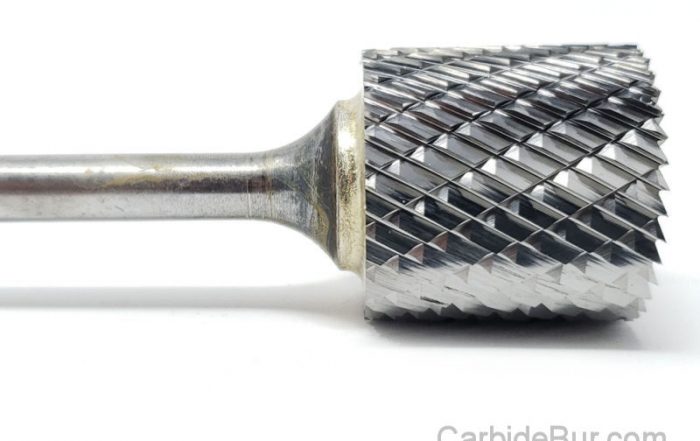
Can Carbide Burrs Cut Through Welds?
Can Carbide Burrs Cut Through Welds? Cutting through welds can feel like a battle, especially when you need clean results without harming the base metal. Carbide burrs offer a sharp edge in this fight, but [...]
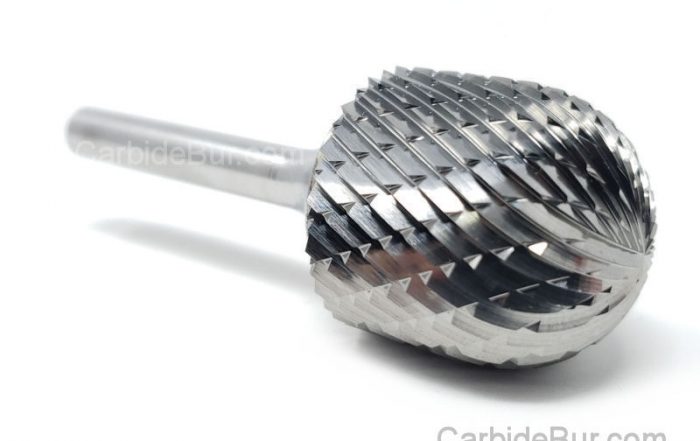
How to Use a Carbide Burr With a Die Grinder
How to Use a Carbide Burr With a Die Grinder Most people treat a carbide burr like just another tool, but using it with a die grinder takes skill. If you’ve struggled with burr installation [...]
1/8 vs 1/4 Inch Carbide Burrs: What’s the Difference?
1/8 vs 1/4 Inch Carbide Burrs: What's the Difference? Choosing between a 1/8 inch carbide burr and a 1/4 inch carbide burr can change how your project turns out. Many machinists and hobbyists overlook how [...]
Best Carbide Burr for Removing Flash From Castings
Best Carbide Burr for Removing Flash From Castings Removing flash from castings is a task that can slow down your entire metalworking process if you don’t have the right tools. Picking the best carbide burr [...]
What RPM Should You Use for a 1/4 Inch Carbide Burr?
What RPM Should You Use for a 1/4 Inch Carbide Burr? Most machinists guess the right speed for a 1/4 inch carbide burr and hope for the best. Using the wrong carbide burr RPM can [...]
Long Shank Carbide Burrs: When Do You Need One?
Long Shank Carbide Burrs: When Do You Need One? Most machinists overlook the power of long shank carbide burrs until a project demands precision in tight spaces. When your usual tools can’t reach intricate contours, [...]
How Deep Can a Carbide Burr Cut Metal?
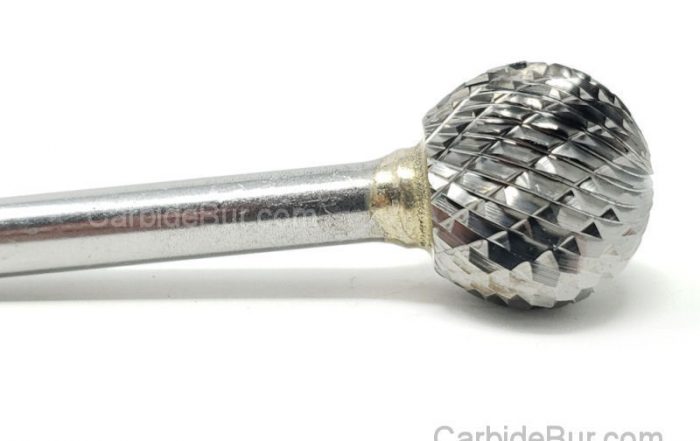
How Deep Can a Carbide Burr Cut Metal? Carbide burrs often get praised for their precision, but many users hit a wall wondering how deep they can actually cut metal. The truth is, cutting depth [...]
How to Use Carbide Burrs for Port Matching
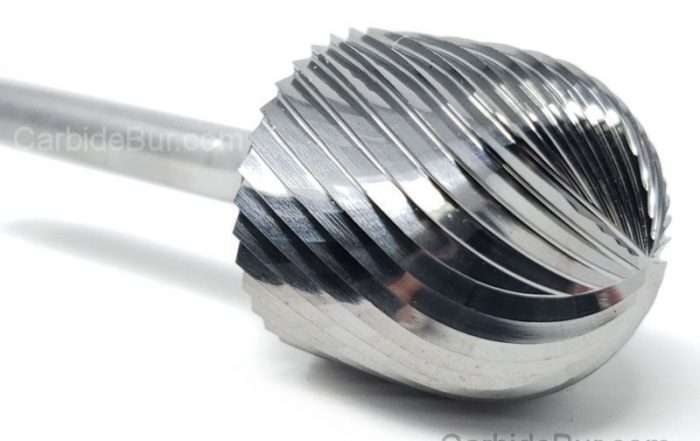
How to Use Carbide Burrs for Port Matching Most engine builds hit a wall when airflow doesn’t flow smoothly between the ports and manifolds. If your engine isn’t breathing right, your performance stalls. Using the [...]
Best Carbide Burr for Porting Intake Manifolds
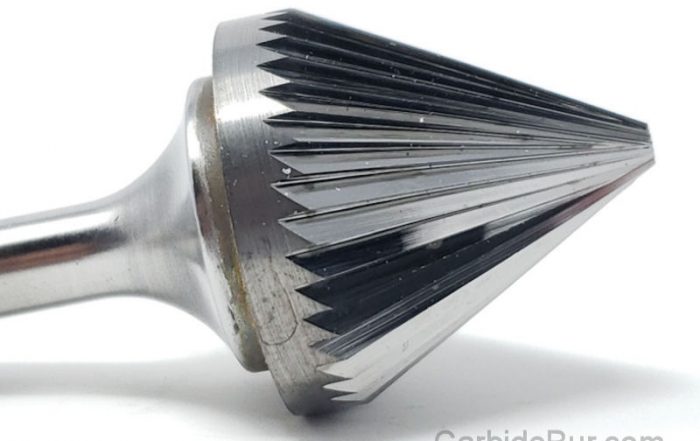
Best Carbide Burr for Porting Intake Manifolds Porting intake manifolds can make or break your engine’s airflow, yet many struggle with the right tools for the job. Choosing the best carbide burrs is key to [...]
Best Carbide Burr for Concave Surfaces
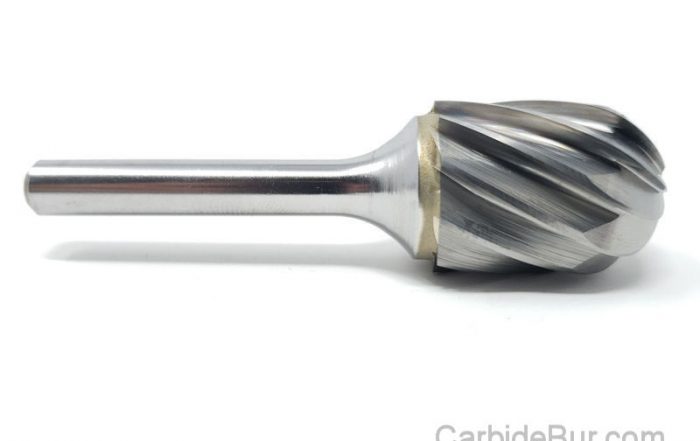
Best Carbide Burr for Concave Surfaces Concave surfaces can turn a straightforward project into a frustrating challenge if you don’t have the right tool. Carbide burrs designed for these tricky curves make all the difference [...]
How to Grind a Slot in Metal With a Carbide Burr
How to Grind a Slot in Metal With a Carbide Burr Grinding a precise slot in metal can feel like a tricky task, especially if you’re unsure which tools to trust. Carbide burr grinding offers [...]

Best Carbide Burr for Inside Corners
Best Carbide Burr for Inside Corners Working in tight inside corners can turn even simple projects into frustrating tasks. Many carbide burrs just don’t fit or cut cleanly where you need them most. The best [...]
