Grinding Metal in Tight Spaces: Top Tool Picks and Essential Safety Tips
Grinding metal in tight spaces is a challenge many metalworkers and DIYers face. Using the wrong tools often leads to frustration and sloppy results. This guide covers the best metal grinding techniques and the top grinders for confined areas, like mini-angle grinders and die grinders, to help you work with precision. Plus, you’ll learn safety tips for grinding and the personal protective equipment that keeps every job secure. For more insights, check out this discussion on tools for tight spaces.

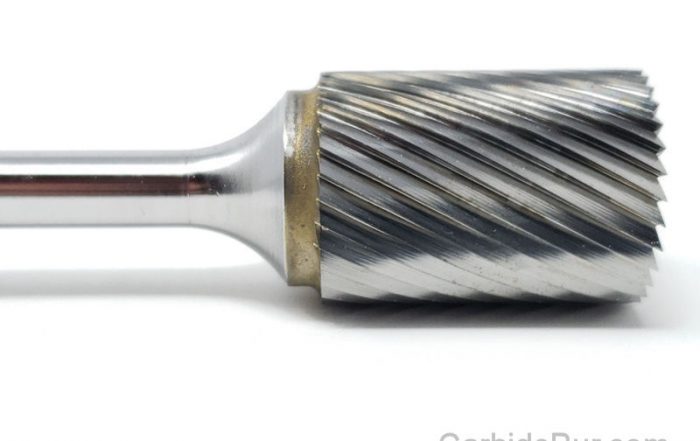
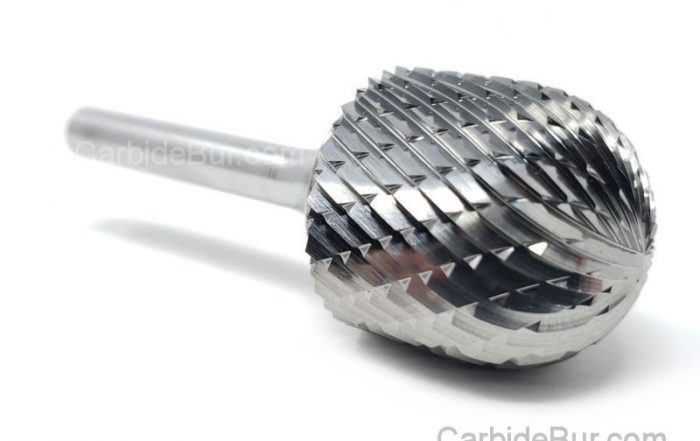
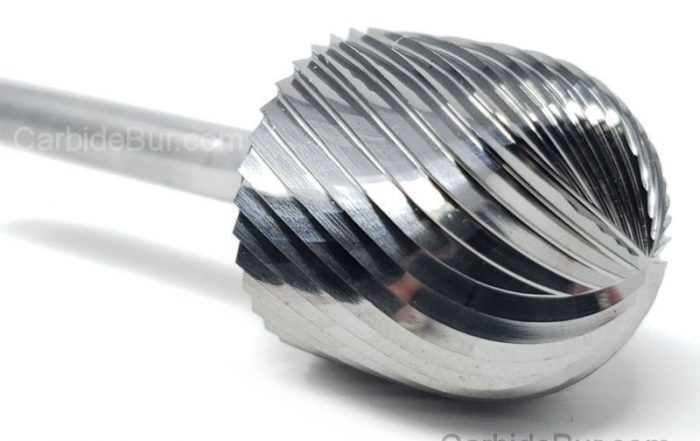
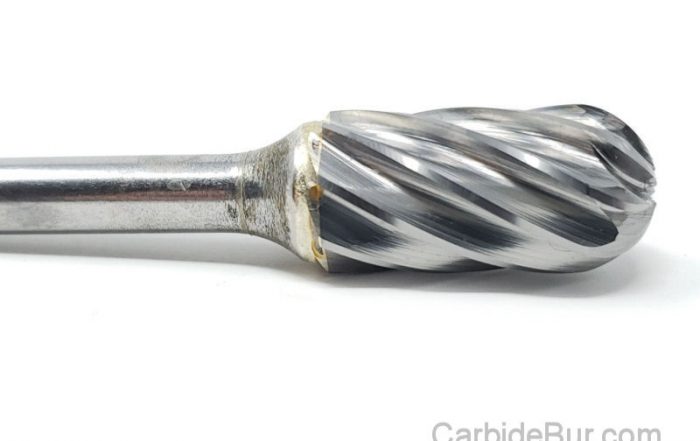
Have you seen our selection of carbide bur tools?
Choosing the Right Grinder
When working in tight spaces, selecting the right grinder is crucial. It ensures precision and ease of use, helping you achieve the best results. Let’s explore your options.
Mini-Angle Grinders
Mini-angle grinders are compact and versatile. They fit into tight spots, making them ideal for intricate tasks. With their small discs, you can grind surfaces that larger tools can’t reach.
These grinders offer better control, which is essential for detailed work. Unlike bulkier options, mini-angle grinders are lightweight. This reduces fatigue during prolonged use, allowing you to maintain accuracy. Most people think bigger is better, but in this case, smaller tools provide unmatched precision.
Die Grinders
Die grinders are another excellent choice. They excel at handling detailed work in confined areas. These tools are perfect for tasks that require high precision, such as polishing and cutting.
A die grinder’s long, narrow body allows you to reach awkward angles. This feature is great for intricate work like smoothing welds. They are generally air-powered, offering consistent performance without overheating. You can find more insights on die grinders in this Reddit discussion.
Grinders for Confined Areas
For extremely tight spaces, specialized grinders are invaluable. Unique designs, like right-angle or pencil grinders, make them perfect for these situations. Their compact size and maneuverability set them apart.
These grinders allow you to reach spots that other tools can’t touch. Whether you’re working on automotive parts or metal sculptures, their precision is unmatched. You’ll find that investing in the right tool saves time and enhances quality.
Metal Grinding Techniques
Mastering metal grinding techniques is key to working efficiently. These methods help you achieve clean, professional results even in limited spaces.
Effective Grinding in Tight Spaces
To grind effectively, use tools that provide good access and control. Mini-angle and die grinders shine in these scenarios, giving you the flexibility to work precisely.
Start by assessing your workspace. Identify spots that require special attention. Then, choose a grinder that fits those needs. This approach ensures you get the job done without unnecessary strain or mistakes.
Maneuverability and Flexibility
Maneuverability is critical when grinding in tight spots. Grinders with adjustable handles and rotating heads offer increased flexibility.
These features help you adapt to different angles and positions. You’ll be able to move freely, ensuring every surface is polished. By choosing flexible tools, you can speed up the process and enhance your workmanship.
Essential Safety Precautions
Safety is a priority when grinding metal. Proper precautions minimize risks and protect you from potential hazards.
Personal Protective Equipment
Wearing the right personal protective equipment (PPE) is non-negotiable. Ensure you have safety goggles to shield your eyes and gloves to protect your hands.
A dust mask is crucial to prevent inhalation of harmful particles. Hearing protection is also advisable, as grinding can be noisy. By equipping yourself with the right gear, you reduce the risk of injury.
Safety Tips for Grinding
When using grinders, always follow safety protocols. Secure your workpiece firmly to prevent movement. This stability allows you to focus on precision without worrying about slipping.
Inspect your tools before each use. Check for wear or damage to ensure they are safe to operate. By maintaining your equipment, you prolong its lifespan and guarantee your safety. For more safety tips, refer to this YouTube video.
Best Practices for Metal Grinding
Adopting best practices enhances your efficiency and safety. Let’s look at strategies to improve your grinding skills.
Minimizing Risks in Cramped Conditions
Working in cramped spaces requires extra caution. Limit distractions and stay focused on your task to avoid accidents.
Ensure your workspace is well-lit and clutter-free. This setup reduces the risk of tripping or mishaps. By organizing your area, you can concentrate on achieving the best results.
Efficient Grinding Techniques
Efficiency is about using the right techniques at the right time. Use light pressure when grinding to maintain control. This approach avoids overheating and preserves the material’s integrity.
Keep your tools sharp and clean. A well-maintained grinder performs better and ensures a smoother finish. By incorporating these practices, you enhance both speed and quality.
Frequently Asked Questions
What is the best grinder for tight spaces?
Mini-angle grinders are highly recommended for tight spaces. Their compact design allows for precision and easy handling in confined areas.
How do I ensure safety while grinding?
Always wear personal protective equipment, such as goggles and gloves. Secure your workpiece and inspect tools before each use to maintain safety.
Why is maneuverability important in grinding?
Maneuverability allows you to reach awkward angles and work efficiently. It ensures that you can grind surfaces thoroughly without missing spots.
What should I consider when choosing a grinder?
Consider the size, power source, and ergonomics of the grinder. Choose a tool that fits your task and provides comfort during prolonged use.
How can I minimize risks while grinding in cramped spaces?
Keep your workspace organized and well-lit. Focus on the task and use proper techniques to reduce the risk of accidents.
Have you seen our selection of carbide bur tools?
Looking for Carbide Bur Tools?
Check out our entire selection of USA made carbide bur die grinder tool bits
Follow us on Twitter

Return to CarbideBur.com
Carbide Burs – 1/4″ on 1/8″ Shanks – Accessories – Aluminum Cut – Bur Sets – End Mills – Long Shank – Solid Burs
Mastering Carbide Burrs for Enhanced Engine Performance
Beginner's Guide to Engine Porting: Mastering Carbide Burrs for Enhanced Engine Performance Most beginners think engine porting is just about grinding metal. The truth is, mastering carbide burrs can change how air moves through your [...]
Unveiling the Secrets of Burr Cutting Efficiency: Double-Cut or Single-Cut?
Unveiling the Secrets of Burr Cutting Efficiency: Double-Cut or Single-Cut? Most metalworkers hit a wall choosing between double-cut carbide burrs and single-cut carbide burrs. Picking the wrong one can slow your work or wear your [...]
How Specialized Carbide Burrs Are Revolutionizing Aluminum Fabrication for Cleaner Cuts
How Specialized Carbide Burrs Are Revolutionizing Aluminum Fabrication for Cleaner Cuts Most aluminum fabricators still wrestle with rough edges and extra cleanup after machining. Those extra steps cost you time and eat into your profits. [...]
U.S. Manufacturing Reshoring: The Role of Domestic Tool Suppliers in 2026
U.S. Manufacturing Reshoring: The Role of Domestic Tool Suppliers in 2026 U.S. manufacturing is shifting closer to home faster than many expected. By 2026, reshoring trends are reshaping how supply chains function, with domestic tool [...]
From Casting Flash to Weld Blending: Essential Techniques for 2026
From Casting Flash to Weld Blending: Essential Techniques for 2026 Forget the old ways of finishing parts in automotive production. As electric vehicles and autonomous vehicle production grow, the need for precise deburring processes and [...]
Understanding the Surge in Cutting Tool Costs and Effective Waste Reduction in Machining
Understanding the Surge in Cutting Tool Costs and Effective Waste Reduction in Machining Cutting tool costs have jumped noticeably in recent years, squeezing machine shop budgets tighter than ever. Raw material scarcity and supply chain [...]
Choosing the Right Carbide Burr Shape for Your Metalworking Projects
Choosing the Right Carbide Burr Shape for Your Metalworking Projects You might think all carbide burr shapes do the same job, but that’s far from true. Choosing the wrong shape can waste time and leave [...]
U.S. Cutting Tool Shipments Reach New Heights
U.S. Cutting Tool Shipments Reach New Heights: What It Means for Manufacturing Professionals U.S. cutting tool shipments soared to $278.1 million in July 2026, marking a 29% jump from last year. If you’re in fabrication [...]
How 3D-Printed Carbide is Redefining Precision Toolmaking with Kennametal’s Latest Technology
How 3D-Printed Carbide is Redefining Precision Toolmaking with Kennametal's Latest Technology Custom hole-finishing tools have long faced limits in design and cooling options that hold back their performance. Kennametal’s new 3D-printed carbide grade changes that [...]

The Future of Additive Manufacturing in Aerospace and Automotive Industries
The Future of Additive Manufacturing in Aerospace and Automotive Industries Metal 3D printing is no longer just a concept for prototypes; it’s scaling up fast in aerospace and automotive fields. But raw prints don’t meet [...]
Navigating the Tungsten Carbide Shortage
Navigating the Tungsten Carbide Shortage: Strategies for Metalworkers in 2026 The tungsten carbide shortage in 2026 is hitting metalworkers hard, pushing tool prices higher and supply tighter than most expected. If you’ve noticed your carbide [...]
How Export Controls and Tungsten Processing Impact Carbide Production
How Export Controls and Tungsten Processing Impact Carbide Production Tungsten supply issues are hitting carbide tool manufacturing harder than ever before. Export controls and shifts in tungsten processing have tightened availability, stretching manufacturing lead times [...]