
Mastering Metalwork: Choosing the Right Carbide Burrs for Bolt Cutting
Cutting bolts with the wrong tool can waste hours and wear down your equipment fast. Carbide burrs offer a powerful option, but not all of them are up to the task. This guide breaks down the types of carbide burrs designed for cutting bolts, the best sizes and shapes for different fasteners, plus feed rates and RPMs that keep your work smooth and safe. Read on to sharpen your metalworking tools and boost your machining efficiency. For more insights, check out this guide on tungsten carbide burrs.
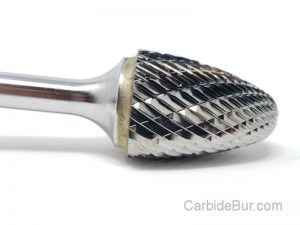
Check out this selection of USA made carbide burs
Understanding Carbide Burrs
Carbide burrs are vital for anyone serious about metalworking. Let’s dive into what they are and how they can make your work more efficient.
What Are Carbide Burrs?
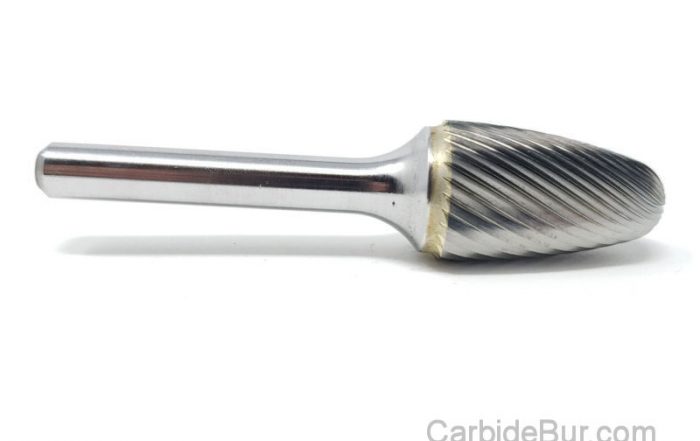
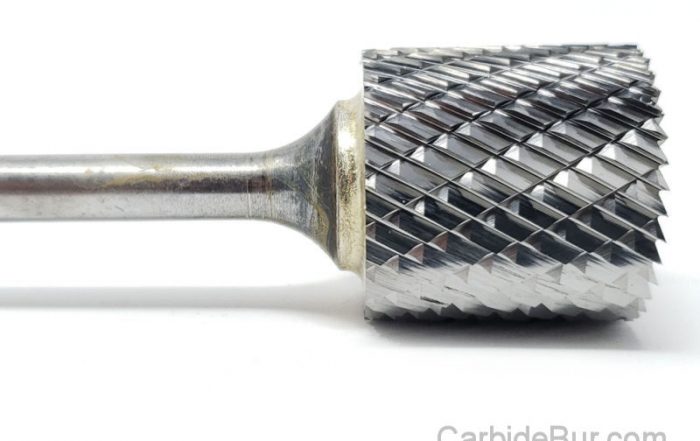
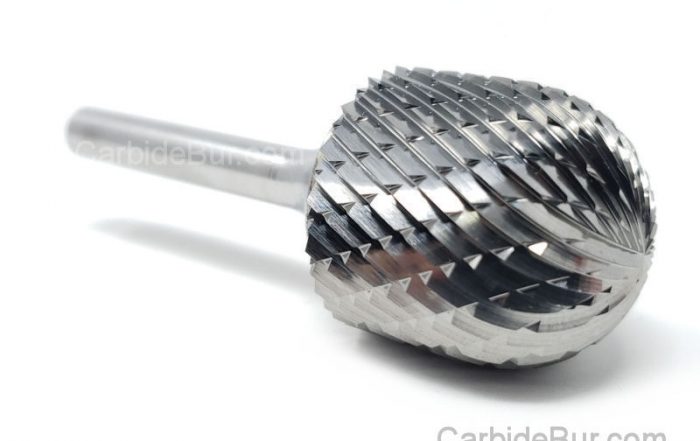
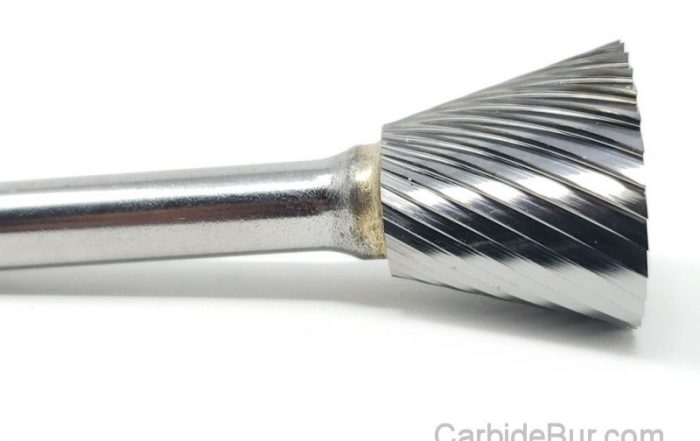
Carbide burrs are small cutting tools used for shaping, grinding, and removing material. Made from tungsten carbide, a hard material, they can cut through tough metals. You’ll find them in workshops, where they tackle intricate tasks with precision. These tools come in various shapes, each designed for specific jobs. From carving fine details to removing excess material, carbide burrs are your go-to for a clean finish.
Benefits of Using Carbide Burrs
Why choose carbide burrs? They last longer and cut faster than traditional tools. Their durability means less time changing tools and more time working. Plus, they produce a smoother finish, reducing the need for extra sanding. For example, using a carbide burr can save you 30% more time compared to regular grinding tools. This efficiency can transform how you approach metalwork, saving both time and money.
Applications in Metalwork
Carbide burrs aren’t just for professionals. DIY enthusiasts will find them just as useful. Whether you’re restoring a classic car or crafting custom metal pieces, these tools provide the control and precision you need. They’re also perfect for resizing bolt holes or smoothing welds. With the right burr, there’s no limit to what you can achieve in your projects.
Types of Carbide Burrs
Choosing the correct type of carbide burr is crucial for success. Let’s examine the shapes and sizes that are ideal for cutting bolts.
Shapes for Cutting Bolts
Each burr shape has a unique purpose. For bolt cutting, cylindrical and pointed shapes excel. Cylindrical burrs work well for straight cuts, while pointed ones reach into tight spaces. Consider the specific bolt you’re working with. If you’re cutting a bolt flush with a surface, a cylindrical shape is your best bet. This ensures a clean, even cut every time.
Sizes and Specifications
Selecting the right size is just as important. Burrs range from small to large, with each size suited to different tasks. A 6mm diameter is ideal for most bolt cutting applications. Larger burrs remove more material quickly, but smaller ones provide finer control. Match the burr size to the bolt diameter for optimal results. Misjudging this can lead to uneven cuts or damaged tools.
Selecting the Right Burr
Choosing the right burr can seem daunting, but it doesn’t have to be. Start by identifying your project’s needs. Are you working with hard metals or soft? This will guide your selection. For instance, a burr designed for steel won’t perform as well on softer metals. Remember to consider the tool’s speed and power, ensuring compatibility with your equipment.

Need a longer reach for your die grinder?
Cutting Bolts with Carbide Burrs
Cutting bolts with carbide burrs requires skill and knowledge. Here’s how to do it effectively.
Best Practices for Cutting
Approach bolt cutting with confidence by following some key practices. Always secure your workpiece to prevent movement. This stability enhances precision and safety. Use consistent pressure when cutting, letting the burr do the work. Don’t rush; patience ensures a better finish and extends tool life. Regularly check your burr for wear, replacing it as needed to maintain performance.
Setting Proper Feed Rates
Feed rates determine how quickly you move the burr across the material. A slower feed rate is 20% more effective in hard metals, providing better control and finish. Adjust your speed based on the material’s hardness. Too fast, and you risk damaging both the tool and the bolt. Too slow, and you waste time. Experiment to find the perfect balance for your needs.
Choosing the Right RPM
RPM settings influence cutting efficiency and tool longevity. Higher RPMs are suitable for softer metals, while lower settings are best for harder ones. Consult your tool’s manual for recommended RPMs, as this varies by model. Remember, it’s easier to increase speed gradually than to repair damage from going too fast.
Safety Tips for Carbide Burr Usage
Safety is paramount when using carbide burrs. Let’s explore how to protect yourself and your tools.
Essential Safety Gear
Proper gear is a must. Wear safety glasses to shield your eyes from flying debris. Gloves protect your hands from sharp edges, while ear protection guards against noise. A dust mask helps prevent inhalation of fine particles. Investing in quality gear ensures you’re protected every time you work.
Handling and Maintenance Tips
Maintaining your burrs is key to their longevity. Clean them after each use to remove debris, which can affect performance. Store burrs in a dry, safe place to prevent rust and damage. Regularly inspect them for wear, replacing any that are chipped or dull. Proper care keeps your tools ready for the next project.
Avoiding Common Mistakes
Avoid common pitfalls by understanding them. Don’t apply excessive force, as this can break the burr or damage the material. Ensure your burr is correctly mounted in the tool for safety. Also, keep the tool stable; a slipping burr can cause accidents. Awareness of these mistakes helps you work efficiently and safely.
Enhancing Machining Efficiency
With the right techniques, you can boost machining efficiency significantly. Here’s how.
Improving Cutting Techniques
To improve your cutting techniques, focus on consistency. Practice steady hand movements and even pressure. Use guides or templates for repeatable results. These simple adjustments can enhance your efficiency and the quality of your work, making each project smoother and faster.
Tool Selection for Different Bolts
Different bolts require different tools. Match your burr to the bolt material and size for the best results. Consider your project’s demands: stainless steel bolts need a different approach than aluminum ones. The right tool selection enhances performance and ensures a better finish on every project.
Tips for Optimal Performance
For optimal performance, keep your tools sharp and clean. Dull burrs slow you down and affect the quality of your cuts. Regular maintenance and correct storage are essential. Also, stay updated with the latest tool advancements to keep your workshop at peak performance. By following these tips, you can make the most out of your carbide burrs.
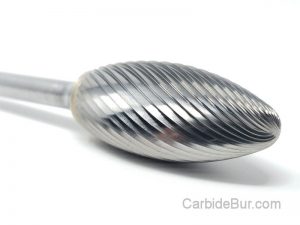
Looking for Carbide Bur Tools?
Check out our entire selection of USA made carbide bur die grinder tool bits
Follow us on Twitter

Return to CarbideBur.com
Carbide Burs – 1/4″ on 1/8″ Shanks – Accessories – Aluminum Cut – Bur Sets – End Mills – Long Shank – Solid Burs
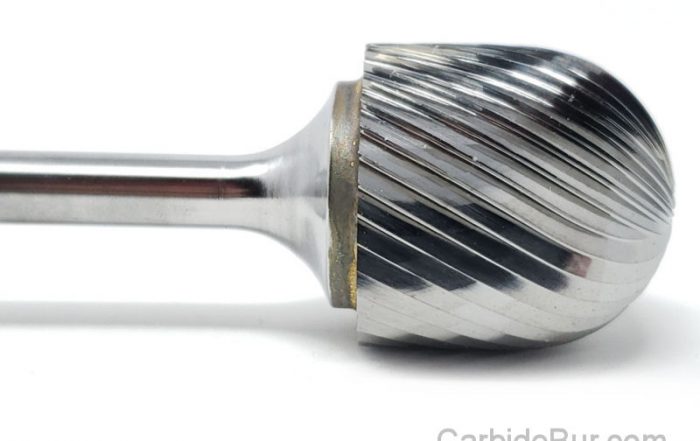
Carbide Burrs for Tight Spaces: Choosing the Right Shape
Carbide Burrs for Tight Spaces: Choosing the Right Shape Tackling tight spaces with the wrong carbide burrs wastes time and risks damaging your work. Choosing the right burr shape makes all the difference when working [...]
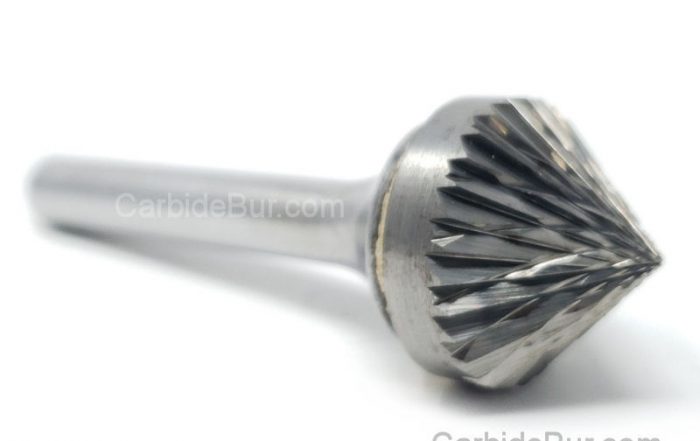
Can Carbide Burrs Remove Paint From Metal?
Can Carbide Burrs Remove Paint From Metal? Stripping paint from metal often feels like a tough chore that risks damaging the surface underneath. Many turn to carbide burrs hoping they can speed things up without [...]
How to Grind a Groove in Metal With a Carbide Burr
How to Grind a Groove in Metal With a Carbide Burr Most metalworkers struggle to cut clean grooves without wasting time or ruining their workpiece. Many try different metalworking tools but end up with uneven [...]
Can Carbide Burrs Cut Through Welds?
Can Carbide Burrs Cut Through Welds? Cutting through welds can feel like a battle, especially when you need clean results without harming the base metal. Carbide burrs offer a sharp edge in this fight, but [...]
How to Use a Carbide Burr With a Die Grinder
How to Use a Carbide Burr With a Die Grinder Most people treat a carbide burr like just another tool, but using it with a die grinder takes skill. If you’ve struggled with burr installation [...]
1/8 vs 1/4 Inch Carbide Burrs: What’s the Difference?
1/8 vs 1/4 Inch Carbide Burrs: What's the Difference? Choosing between a 1/8 inch carbide burr and a 1/4 inch carbide burr can change how your project turns out. Many machinists and hobbyists overlook how [...]

Best Carbide Burr for Removing Flash From Castings
Best Carbide Burr for Removing Flash From Castings Removing flash from castings is a task that can slow down your entire metalworking process if you don’t have the right tools. Picking the best carbide burr [...]
What RPM Should You Use for a 1/4 Inch Carbide Burr?
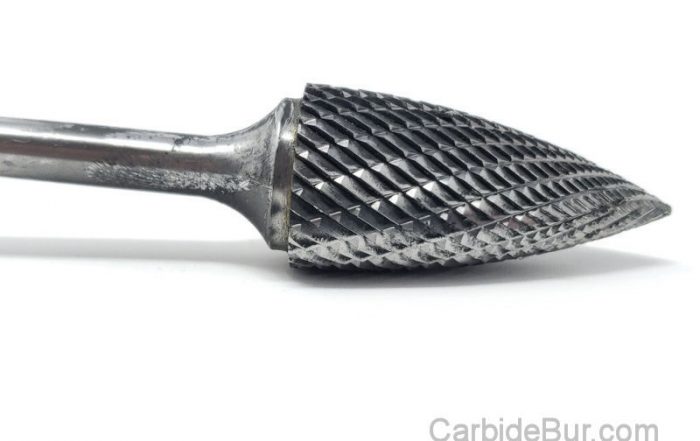
What RPM Should You Use for a 1/4 Inch Carbide Burr? Most machinists guess the right speed for a 1/4 inch carbide burr and hope for the best. Using the wrong carbide burr RPM can [...]
Long Shank Carbide Burrs: When Do You Need One?
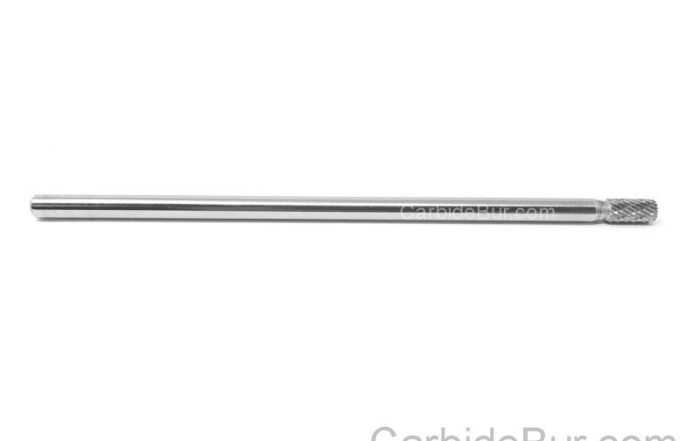
Long Shank Carbide Burrs: When Do You Need One? Most machinists overlook the power of long shank carbide burrs until a project demands precision in tight spaces. When your usual tools can’t reach intricate contours, [...]
How Deep Can a Carbide Burr Cut Metal?
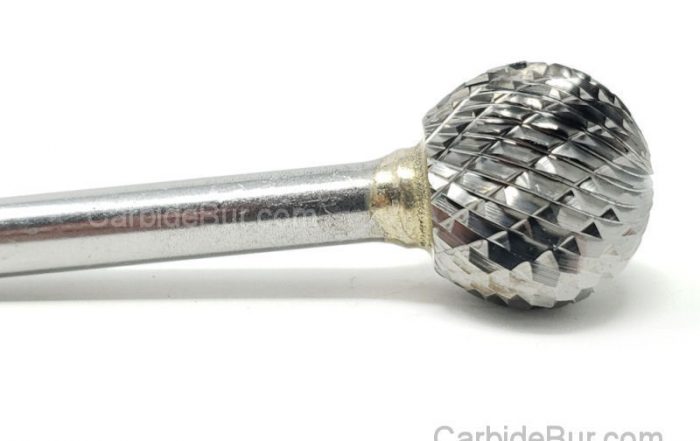
How Deep Can a Carbide Burr Cut Metal? Carbide burrs often get praised for their precision, but many users hit a wall wondering how deep they can actually cut metal. The truth is, cutting depth [...]
How to Use Carbide Burrs for Port Matching
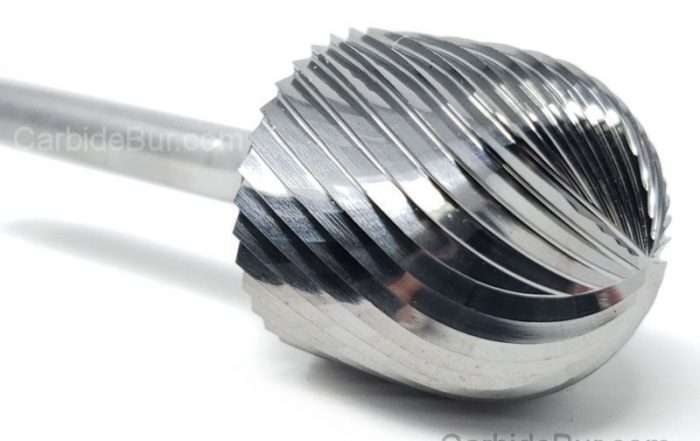
How to Use Carbide Burrs for Port Matching Most engine builds hit a wall when airflow doesn’t flow smoothly between the ports and manifolds. If your engine isn’t breathing right, your performance stalls. Using the [...]
Best Carbide Burr for Porting Intake Manifolds
Best Carbide Burr for Porting Intake Manifolds Porting intake manifolds can make or break your engine’s airflow, yet many struggle with the right tools for the job. Choosing the best carbide burrs is key to [...]
