Top Deburring Tools for Stainless Steel: From Carbide Burrs to Sanding Blocks
Most people damage their stainless steel finish while trying to deburr it. If you’ve struggled to get smooth edges without ruining your work, you’re not alone. This post breaks down the best deburring tools and techniques that keep your stainless steel looking sharp and flawless, from carbide burrs to sanding blocks. Stick around to learn how to polish stainless steel the right way and keep your projects professional every time. For more insights, check out this guide on how to deburr metal.

Have you seen our selection of carbide bur tools?
Introduction to Deburring Stainless Steel
Understanding how to deburr stainless steel properly is key to maintaining its finish. You might wonder why these techniques are vital for your projects. The answer lies in preserving both the function and look of your work.
Importance of Deburring Techniques
Deburring techniques are essential because they protect your stainless steel from unnecessary wear and tear. When you remove burrs properly, you avoid future complications that can arise from rough edges. Burrs can cause components to misalign or wear unevenly, which might lead to a shorter lifespan of the product.
Imagine working on a critical project, only to find your components don’t fit as they should. That’s where efficient deburring saves the day. A polished edge not only looks good but also ensures everything fits together perfectly. For more tips, you can join discussions on the metalworking community on Reddit.
Maintaining the Pristine Finish
Keeping the finish of your stainless steel pristine is crucial for professional results. It’s more than just aesthetics; a smooth surface prevents corrosion and other damage. The trick is to use tools and techniques that don’t mar the surface.
When you maintain a clean finish, you also ensure that your work remains visually appealing. This can be especially important if you’re crafting pieces for clients or creating products for sale. A polished piece speaks volumes about attention to detail and quality craftsmanship.
Essential Deburring Tools
The right tools make all the difference in deburring stainless steel. They help you achieve a smooth, clean edge without damaging the finish. Let’s explore two crucial tools you should consider.
Fine Carbide Burrs
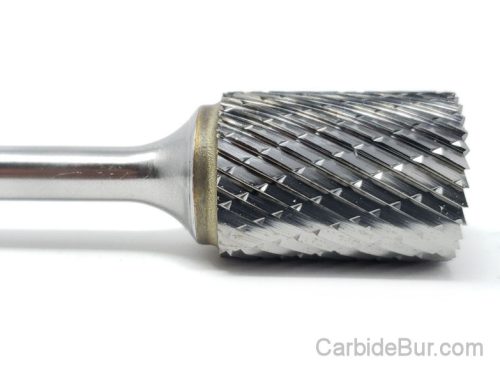
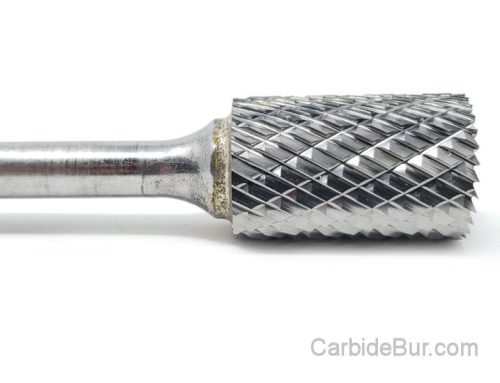
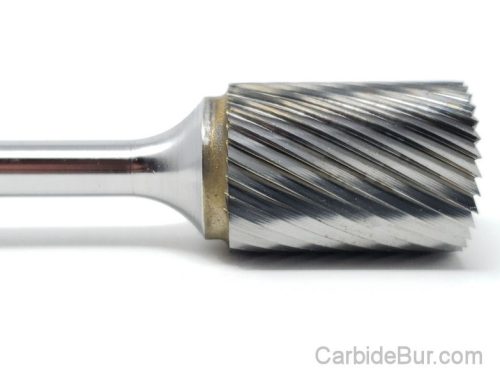
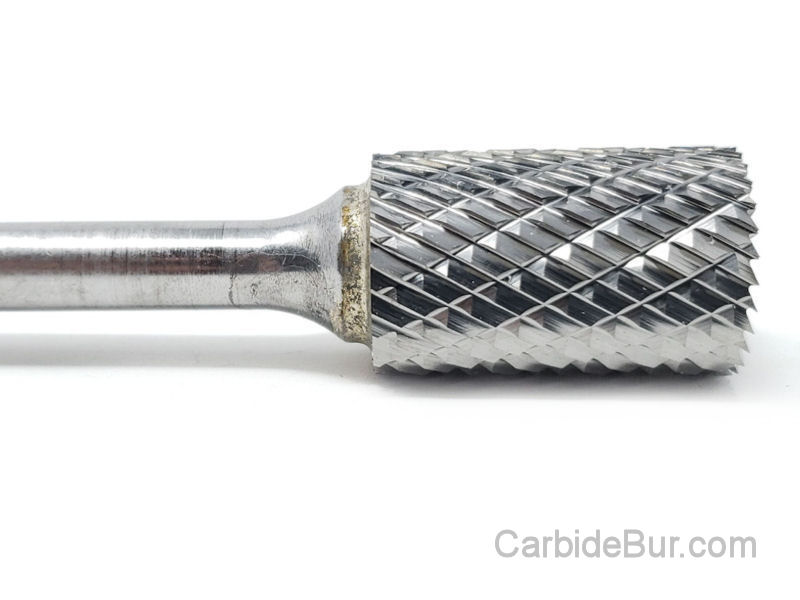
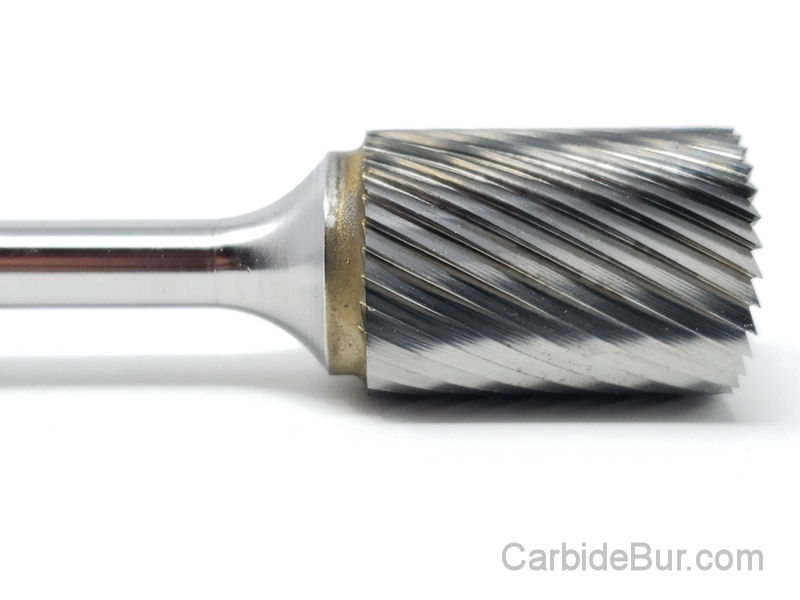
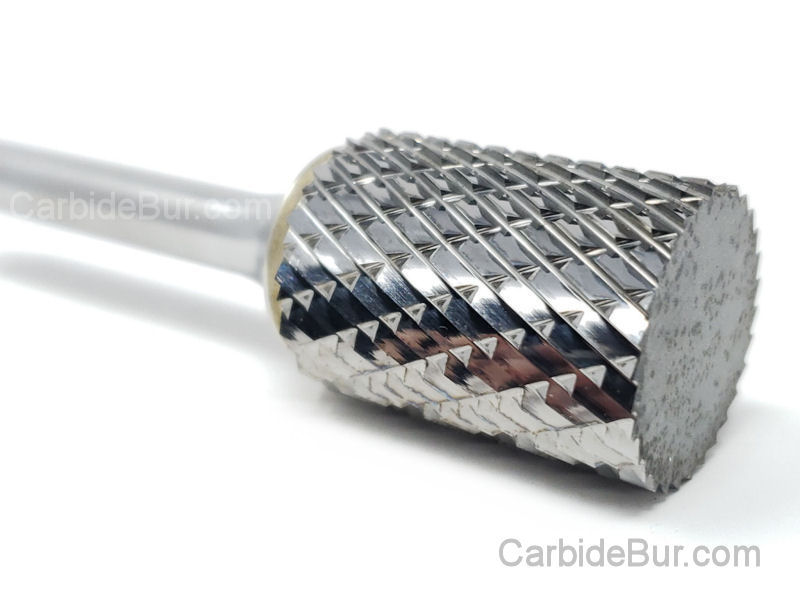
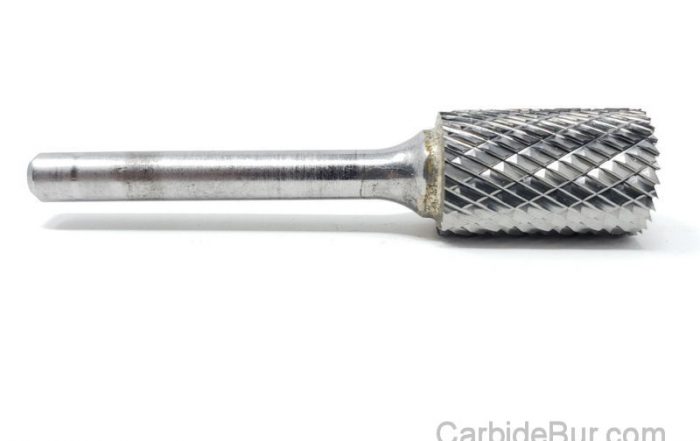
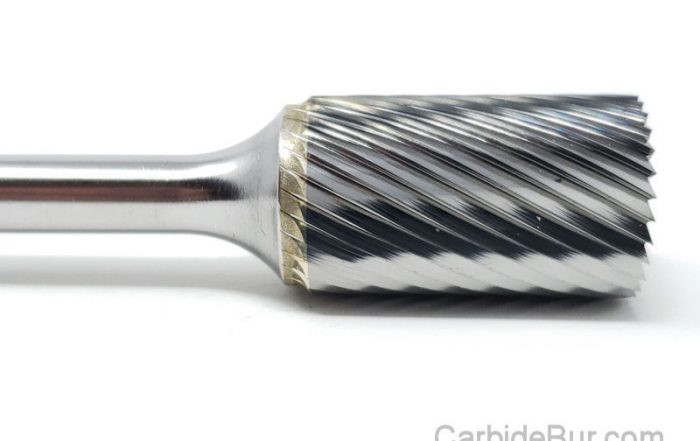
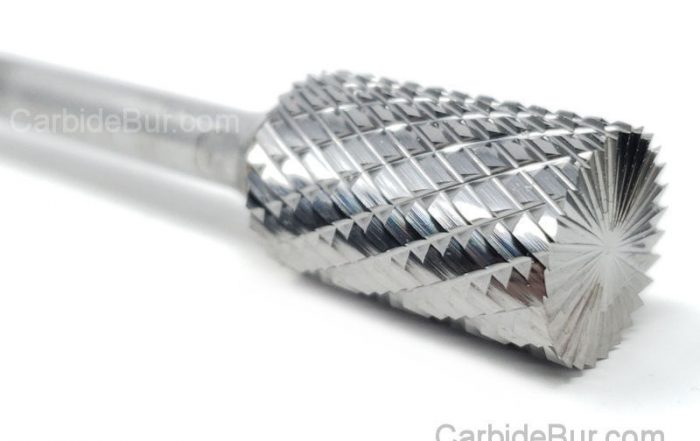
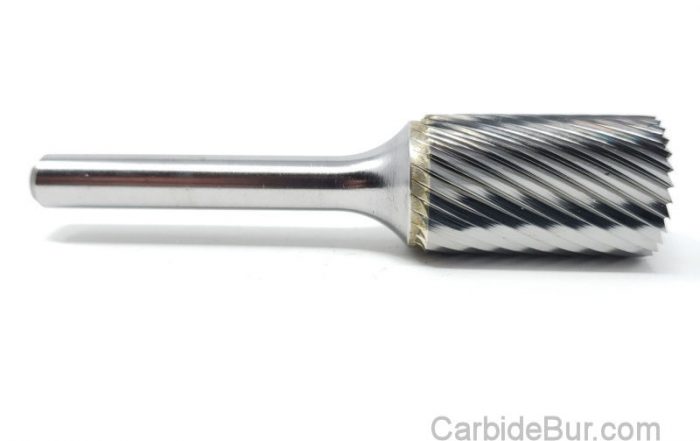
Fine carbide burrs are perfect for precision work. They allow you to remove small burrs without harming the surrounding material, making them ideal for detailed projects. These burrs are durable and can handle the tough nature of stainless steel.
Using fine carbide burrs means you get a clean edge every time. Their design minimizes effort while maximizing results, giving you control over the deburring process. You’ll find that with the right burr, your work becomes more efficient and less time-consuming. Watch this video demonstration on carbide burrs to see them in action.
Specialized Sanding Blocks
Specialized sanding blocks are another must-have in your toolkit. They are perfect for larger surfaces and help achieve a uniform finish. These blocks come in various grits, allowing you to choose the right one for your needs.
Consider using them to smooth out imperfections after using carbide burrs. Sanding blocks ensure an even surface, which is essential for a professional look. They also help remove any minor scratches that might have appeared during the deburring process.
Techniques for Smooth Edges
Achieving smooth edges involves more than just having the right tools. It’s about using the correct techniques to protect the stainless steel’s finish.
Minimizing Surface Damage
To minimize surface damage, always go slow. Applying too much pressure can lead to scratches or even gouges in the metal. The goal is to gently work away the burrs without pressing too hard.
When you approach deburring with care, you’ll find the results are much more satisfying. A light touch ensures that only the burrs are removed, leaving the rest of the surface untouched. This method preserves the integrity of the metal and extends its lifespan. Join the welding community for more insights.
Proper Technique Tips
Here are a few tips to keep in mind for proper deburring:
-
Angle the tool correctly: Keep it consistent to avoid uneven edges.
-
Use steady pressure: Light but firm pressure prevents damage.
-
Keep tools clean: Regularly clean your tools to avoid residue buildup.
With these techniques, you’ll find deburring becomes easier and more efficient. Mastering these skills ensures that your stainless steel projects always look their best.
Polishing Stainless Steel
Once you’ve deburred, polishing your stainless steel is the next step. This process enhances the finish and adds a professional touch to your work.
Finishing Touches
The final touches in polishing make a world of difference. Use a polishing wheel to bring out the shine in your stainless steel. This step not only improves appearance but also offers a layer of protection against environmental factors.
Polishing can be a rewarding process. Watching your work transform from dull to dazzling is satisfying, and reinforces the quality of your craftsmanship. A polished finish also makes cleaning and maintenance easier over time.
Achieving a Professional Look
To achieve a professional look, consistency is key. Ensure that each piece of stainless steel undergoes the same level of care. This includes using the same polishing technique throughout all pieces of a project.
A uniform finish indicates a high level of professionalism and quality. Customers and clients will notice the effort you put into maintaining a consistent appearance. It’s this attention to detail that sets your work apart from the rest.
Stainless Steel Fabrication Tips
In the world of fabrication, selecting the right tools and methods is crucial. Here are some tips to guide you.
Selecting the Right Abrasives
Choosing the right abrasives can make the fabrication process smoother and more efficient. Fine grit abrasives are typically preferred for stainless steel to prevent scratches. Ensure that your choice aligns with the type of finish you aim to achieve.
When selecting abrasives, consider the task at hand. Whether you need to remove heavy burrs or just want a smooth finish, the right abrasive will help you get there faster and with less hassle.
Ensuring Aesthetic Appeal
Aesthetic appeal is vital in stainless steel projects. Every piece should look as good as it functions. Pay close attention to detail during each step of the process.
Be mindful of the audience or end-user. A piece that looks appealing is more likely to attract attention and be valued. By focusing on aesthetics, you ensure your work remains competitive and desirable in the market.
Frequently Asked Questions
What is the best way to deburr stainless steel?
The best way to deburr stainless steel is to use fine carbide burrs and specialized sanding blocks. These tools help remove burrs efficiently while maintaining the metal’s finish.
How can I maintain the finish of stainless steel during deburring?
Use gentle pressure and the right angles with your tools. This approach minimizes surface damage and keeps the finish intact.
Why is polishing important after deburring?
Polishing enhances the appearance of stainless steel and offers protection against environmental damage. It also ensures a professional and consistent look.
What tools should I use for a smooth stainless steel edge?
Fine carbide burrs and specialized sanding blocks are ideal. They ensure clean edges without harming the stainless steel finish.
How do I select the right abrasive for stainless steel?
Choose fine grit abrasives for a smooth finish. The right choice depends on the task, whether removing heavy burrs or achieving a polished look.
Have you seen our selection of carbide bur tools?
Looking for Carbide Bur Tools?
Check out our entire selection of USA made carbide bur die grinder tool bits
Follow us on Twitter

Return to CarbideBur.com
Carbide Burs – 1/4″ on 1/8″ Shanks – Accessories – Aluminum Cut – Bur Sets – End Mills – Long Shank – Solid Burs
Mastering Carbide Burrs for Enhanced Engine Performance
Beginner's Guide to Engine Porting: Mastering Carbide Burrs for Enhanced Engine Performance Most beginners think engine porting is just about grinding metal. The truth is, mastering carbide burrs can change how air moves through your [...]
Unveiling the Secrets of Burr Cutting Efficiency: Double-Cut or Single-Cut?
Unveiling the Secrets of Burr Cutting Efficiency: Double-Cut or Single-Cut? Most metalworkers hit a wall choosing between double-cut carbide burrs and single-cut carbide burrs. Picking the wrong one can slow your work or wear your [...]
How Specialized Carbide Burrs Are Revolutionizing Aluminum Fabrication for Cleaner Cuts
How Specialized Carbide Burrs Are Revolutionizing Aluminum Fabrication for Cleaner Cuts Most aluminum fabricators still wrestle with rough edges and extra cleanup after machining. Those extra steps cost you time and eat into your profits. [...]
U.S. Manufacturing Reshoring: The Role of Domestic Tool Suppliers in 2026
U.S. Manufacturing Reshoring: The Role of Domestic Tool Suppliers in 2026 U.S. manufacturing is shifting closer to home faster than many expected. By 2026, reshoring trends are reshaping how supply chains function, with domestic tool [...]
From Casting Flash to Weld Blending: Essential Techniques for 2026
From Casting Flash to Weld Blending: Essential Techniques for 2026 Forget the old ways of finishing parts in automotive production. As electric vehicles and autonomous vehicle production grow, the need for precise deburring processes and [...]
Understanding the Surge in Cutting Tool Costs and Effective Waste Reduction in Machining
Understanding the Surge in Cutting Tool Costs and Effective Waste Reduction in Machining Cutting tool costs have jumped noticeably in recent years, squeezing machine shop budgets tighter than ever. Raw material scarcity and supply chain [...]
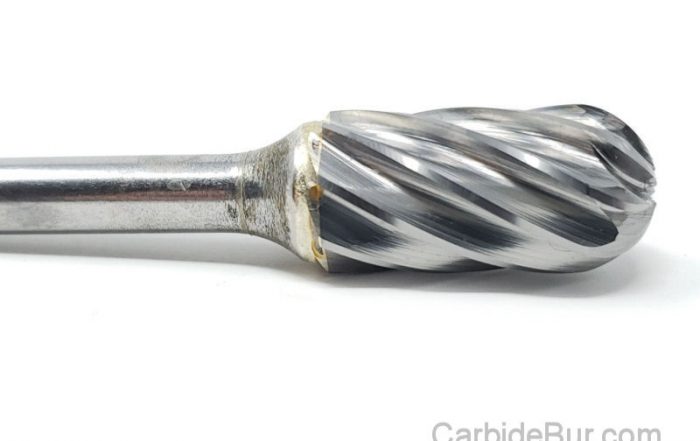
Choosing the Right Carbide Burr Shape for Your Metalworking Projects
Choosing the Right Carbide Burr Shape for Your Metalworking Projects You might think all carbide burr shapes do the same job, but that’s far from true. Choosing the wrong shape can waste time and leave [...]
U.S. Cutting Tool Shipments Reach New Heights
U.S. Cutting Tool Shipments Reach New Heights: What It Means for Manufacturing Professionals U.S. cutting tool shipments soared to $278.1 million in July 2026, marking a 29% jump from last year. If you’re in fabrication [...]
How 3D-Printed Carbide is Redefining Precision Toolmaking with Kennametal’s Latest Technology
How 3D-Printed Carbide is Redefining Precision Toolmaking with Kennametal's Latest Technology Custom hole-finishing tools have long faced limits in design and cooling options that hold back their performance. Kennametal’s new 3D-printed carbide grade changes that [...]

The Future of Additive Manufacturing in Aerospace and Automotive Industries
The Future of Additive Manufacturing in Aerospace and Automotive Industries Metal 3D printing is no longer just a concept for prototypes; it’s scaling up fast in aerospace and automotive fields. But raw prints don’t meet [...]
Navigating the Tungsten Carbide Shortage
Navigating the Tungsten Carbide Shortage: Strategies for Metalworkers in 2026 The tungsten carbide shortage in 2026 is hitting metalworkers hard, pushing tool prices higher and supply tighter than most expected. If you’ve noticed your carbide [...]
How Export Controls and Tungsten Processing Impact Carbide Production
How Export Controls and Tungsten Processing Impact Carbide Production Tungsten supply issues are hitting carbide tool manufacturing harder than ever before. Export controls and shifts in tungsten processing have tightened availability, stretching manufacturing lead times [...]