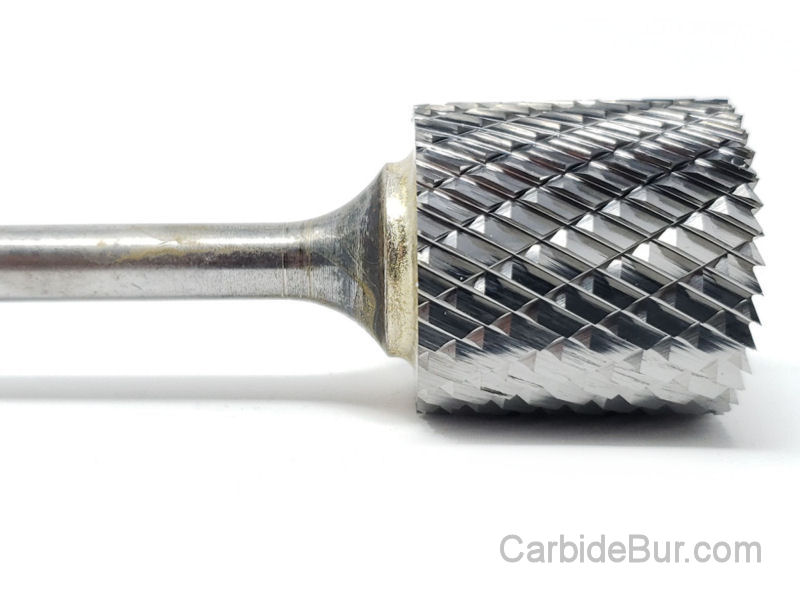
Extend Tool Life: Tips for Maximizing Carbide Burr Performance
Most people think the only way to extend tool life is by buying premium carbide burrs. The truth is, simple mistakes kill your tools faster than you realize. From storage errors to running at wrong speeds, these common carbide burr mistakes drain your tool efficiency and cost you money. Keep reading to learn how proper carbide burr maintenance can help you get more from every tool.

Have you seen our selection of carbide bur tools?
Understanding Carbide Burrs
To get the most from your carbide burrs, start by understanding what they are and why they matter. This groundwork helps in making informed choices and avoiding common pitfalls.
What Are Carbide Burrs?
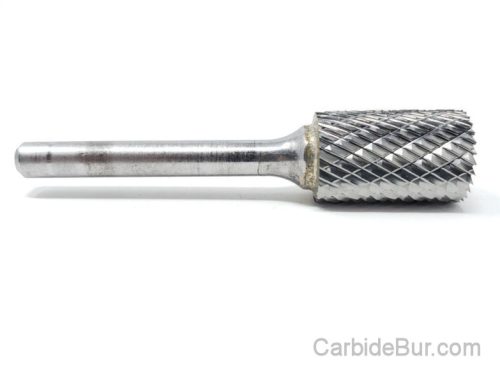
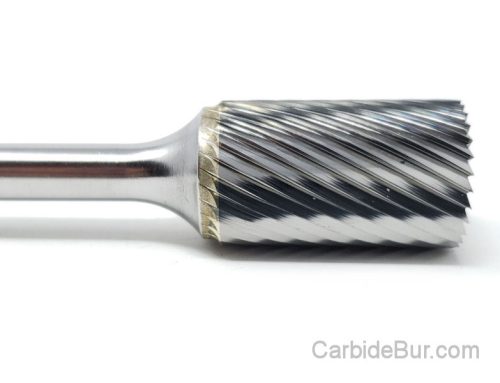
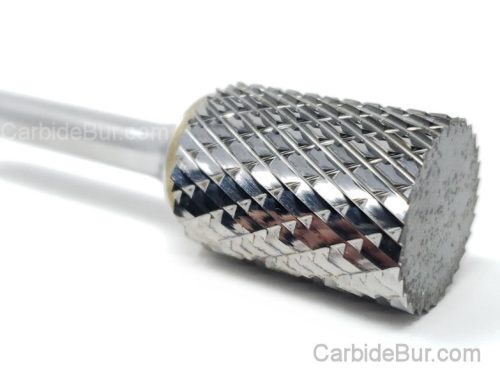
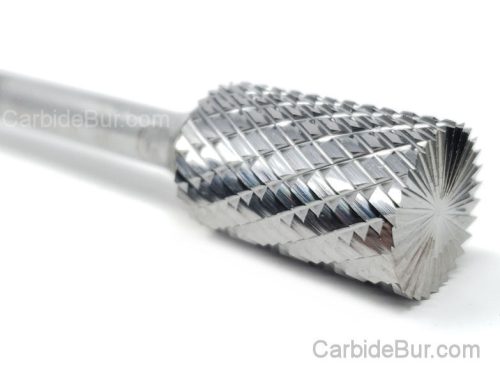
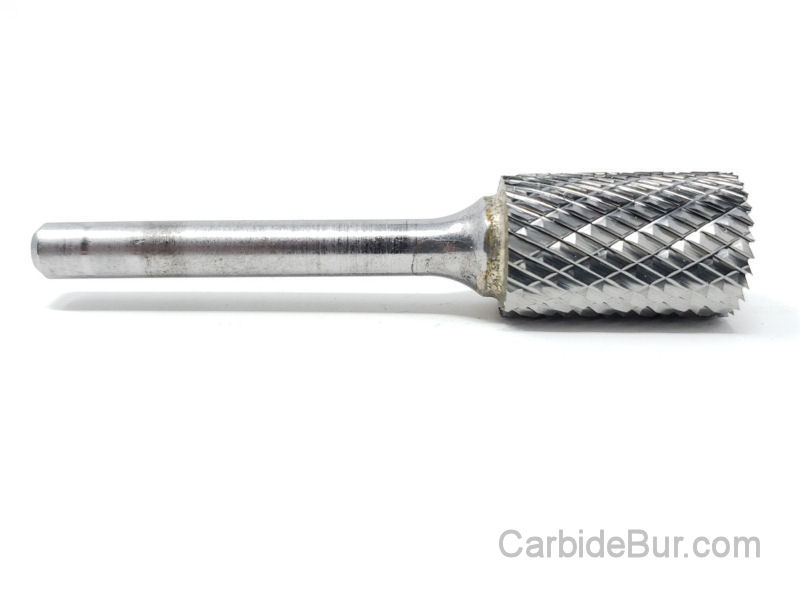
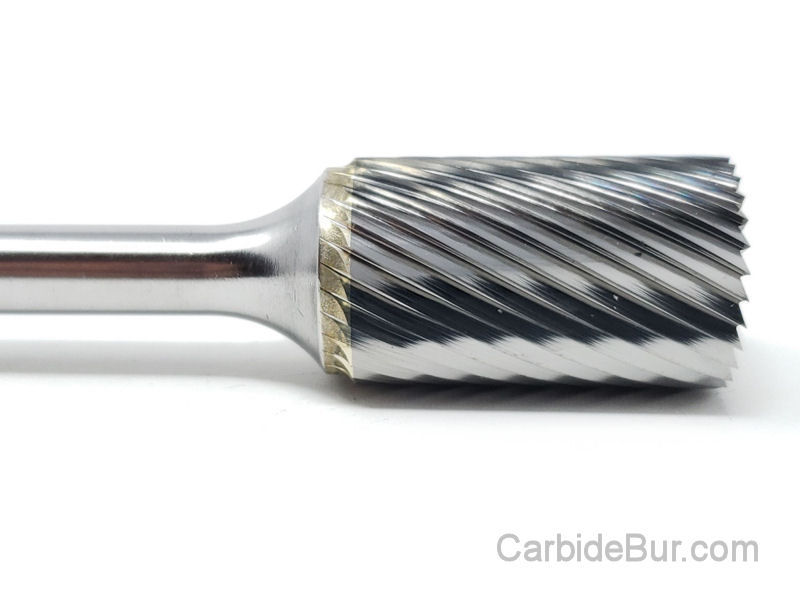
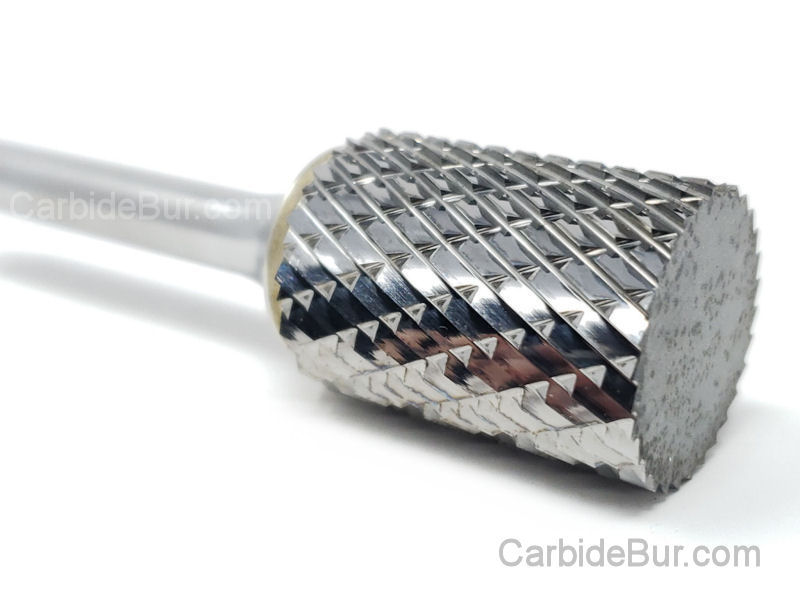
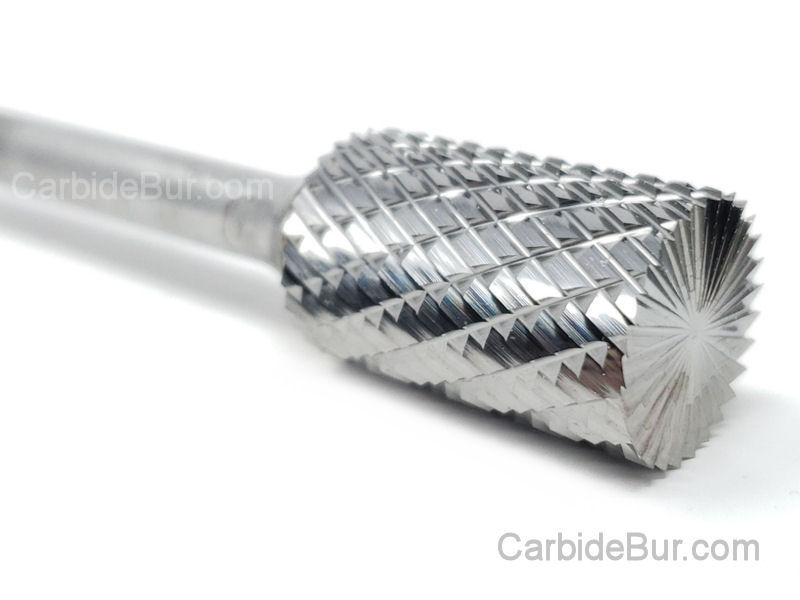
Carbide burrs are small, rotating tools used to cut, shape, and grind metal. They come in various shapes and sizes, each designed for specific tasks. These versatile tools are essential in metalworking for tasks that require precision and detail.
Carbide burrs are made from tungsten carbide, a material known for its hardness and durability. They can handle tough metals, making them valuable for both professionals and hobbyists. With proper use, these burrs can save time and enhance the quality of your work.
Importance in Metalworking
Carbide burrs play a crucial role in metalworking by providing clean, precise cuts. They are used in deburring, shaping, and surface preparation. Their ability to handle high-speed applications without losing sharpness makes them indispensable in many workshops.
When you use carbide burrs, you can achieve fine finishes and detailed work that might be difficult with other tools. This precision is why they are favored by metalworkers who need reliable performance and efficiency.
Common Carbide Burr Materials
The most common material for these burrs is tungsten carbide, chosen for its strength and resistance to wear. This material ensures that the burrs remain sharp over time, even with frequent use. By selecting the right material for your tasks, you can enhance tool longevity and performance.
Other materials like high-speed steel are also used, but they don’t match the durability of carbide. Knowing the differences can help you select the best tool for your needs, ensuring better results and longer tool life.
Common Carbide Burr Mistakes
Understanding how to avoid common mistakes with carbide burrs can significantly extend their life and maintain their performance. Addressing these errors can save you time, money, and frustration.
Improper Storage Techniques
Storing your carbide burrs incorrectly can shorten their lifespan. Burrs need to be kept clean and dry, away from moisture and dust. When left exposed, they can rust or become dull, affecting their performance.
Use a dedicated storage container to keep your burrs organized and protected. This small step goes a long way in preserving their sharpness and ensuring they are ready when you need them.
Incorrect Operating Speeds
Running carbide burrs at the wrong speed is a common error. Each burr has an optimal speed range, and deviating from it can cause overheating or inefficient cutting. This mistake not only damages the burr but also affects the quality of your work.
Always check the manufacturer’s recommendations for speed settings. Using the right speed ensures that your burr performs at its best, delivering clean cuts and extending its life.
Inadequate Cleaning Practices
Neglecting to clean your carbide burrs can lead to buildup that affects their efficiency. Metal shavings and debris can clog the burr, making it less effective and more prone to overheating.
Regular cleaning with a suitable brush or tool keeps your burrs in top shape. By maintaining cleanliness, you ensure that your burrs remain sharp and ready for the next task, reducing time wasted on ineffective tools.
Tips for Carbide Burr Maintenance
Proper maintenance is key to extending the life of your carbide burrs. By following these tips, you can ensure optimal performance and longevity for your tools.
Selecting the Right Burr for the Job
Choose the burr that fits your task to avoid unnecessary wear. Different shapes and sizes are designed for specific applications. Using the wrong burr can lead to subpar results and quicker wear.
For example, use a cylindrical burr for flat surfaces and a ball-shaped burr for contoured areas. Selecting the right burr for each job helps maintain its efficiency and extends its lifespan.
Cleaning and Lubrication Tips
Regular cleaning and lubrication are essential for maintaining carbide burrs. After each use, clean your burr with a brush to remove debris. This prevents buildup that can dull the tool.
Lubricating your burrs with a light oil can also help reduce friction and wear during use. This simple maintenance routine can keep your tools in excellent condition, ensuring they deliver top performance every time.
Safe Storage Solutions
Storing your burrs properly prevents damage and extends their life. Use a storage box with individual compartments to keep them organized and protected. This prevents them from knocking against each other, which can cause chipping.
By investing in a suitable storage solution, you ensure your burrs remain in pristine condition, ready for your next project. Safe storage is a simple yet effective way to prolong the life of your tools.
Strategies to Extend Tool Life
Implementing strategies to extend the life of your carbide burrs can lead to significant savings and improved productivity in your workshop.
Monitoring and Managing Speeds
Keep an eye on the operating speeds of your burrs. Use a speed chart or guide to match the tool and material, ensuring optimal performance. Incorrect speeds can lead to excessive wear and reduced efficiency.
By managing speeds properly, you can avoid common damage and prolong the life of your tools. This proactive approach ensures your burrs work effectively and last longer.
Routine Inspection and Replacement
Regularly inspect your carbide burrs for signs of wear. Look for dull edges or chips, which indicate it’s time for replacement. Using damaged burrs can compromise your work quality and safety.
Timely replacement of worn burrs maintains the efficiency of your operations. By keeping a routine inspection schedule, you ensure that your tools are always in peak condition.
Educating Your Team
Training your team on the proper use and maintenance of carbide burrs can prevent common mistakes. Educated users are less likely to misuse the tools, which can lead to damage.
Hold regular training sessions to update your team on best practices for using and caring for these tools. An informed team contributes to the longevity of your equipment and the success of your projects.
Enhancing Tool Performance
Enhancing the performance of your carbide burrs ensures that your work is precise and consistent. Implement these practices for better results in your projects.
Achieving Optimal Cuts
To achieve the best cuts, use the right burr and speed for your material. This combination ensures clean, precise results that enhance the quality of your work.
By focusing on optimal cuts, you not only improve your work but also extend the life of your tools. Consistent quality is a sign of well-maintained equipment.
Ensuring Consistent Results
Consistency in your work relies on proper tool maintenance and selection. By following best practices, you can ensure that each project meets the high standards you set.
This consistency builds your reputation and confidence, knowing your tools will perform reliably. Ensuring consistent results is key to professional success in metalworking.
Maintaining Worksite Safety
Safety should always be a priority in your workshop. Proper use and maintenance of carbide burrs play a significant role in preventing accidents.
Inspect your tools regularly and ensure your team follows safety guidelines. A safe worksite not only protects your team but also ensures the longevity of your equipment.
Frequently Asked Questions
What are the main uses of carbide burrs?
Carbide burrs are used for cutting, shaping, and grinding metal. They are essential for tasks that require precision, such as deburring and surface preparation. Their versatility makes them a staple in metalworking.
How can I extend the life of my carbide burrs?
To extend the life of your carbide burrs, use proper storage, adhere to recommended operating speeds, and maintain regular cleaning routines. Selecting the right burr for your task also helps avoid unnecessary wear.
Why is it important to use the right speed with carbide burrs?
Using the right speed ensures optimal performance and prevents overheating, which can damage the burr. Always refer to the manufacturer’s guidelines to match the speed with the type of burr and material.
How often should I inspect my carbide burrs?
Regular inspection is crucial for maintaining tool efficiency. Check your burrs for wear or damage before each use. Timely replacement of worn burrs helps maintain quality and safety in your work.
What is the best way to store carbide burrs?
Store carbide burrs in a protective case with individual compartments. This prevents them from knocking against each other and getting damaged, keeping them in top condition for your next project.
Have you seen our selection of carbide bur tools?
Looking for Carbide Bur Tools?
Check out our entire selection of USA made carbide bur die grinder tool bits
Follow us on Twitter

Return to CarbideBur.com
Carbide Burs – 1/4″ on 1/8″ Shanks – Accessories – Aluminum Cut – Bur Sets – End Mills – Long Shank – Solid Burs
U.S. Cutting Tool Shipments Reach New Heights
U.S. Cutting Tool Shipments Reach New Heights: What It Means for Manufacturing Professionals U.S. cutting tool shipments soared to $278.1 million in July 2026, marking a 29% jump from last year. If you’re in fabrication [...]
How 3D-Printed Carbide is Redefining Precision Toolmaking with Kennametal’s Latest Technology
How 3D-Printed Carbide is Redefining Precision Toolmaking with Kennametal's Latest Technology Custom hole-finishing tools have long faced limits in design and cooling options that hold back their performance. Kennametal’s new 3D-printed carbide grade changes that [...]

The Future of Additive Manufacturing in Aerospace and Automotive Industries
The Future of Additive Manufacturing in Aerospace and Automotive Industries Metal 3D printing is no longer just a concept for prototypes; it’s scaling up fast in aerospace and automotive fields. But raw prints don’t meet [...]
Navigating the Tungsten Carbide Shortage
Navigating the Tungsten Carbide Shortage: Strategies for Metalworkers in 2026 The tungsten carbide shortage in 2026 is hitting metalworkers hard, pushing tool prices higher and supply tighter than most expected. If you’ve noticed your carbide [...]
How Export Controls and Tungsten Processing Impact Carbide Production
How Export Controls and Tungsten Processing Impact Carbide Production Tungsten supply issues are hitting carbide tool manufacturing harder than ever before. Export controls and shifts in tungsten processing have tightened availability, stretching manufacturing lead times [...]
From Alloys to Automation: Mastering CNC Machining for Speed and Accuracy
From Alloys to Automation: Mastering CNC Machining for Speed and Accuracy The old ways of machining can’t keep up with today’s demands for speed and precision. You’re working with tougher alloys and expecting flawless results [...]
Top Deburring Tools for Stainless Steel: From Carbide Burrs to Sanding Blocks
Top Deburring Tools for Stainless Steel: From Carbide Burrs to Sanding Blocks Most people damage their stainless steel finish while trying to deburr it. If you’ve struggled to get smooth edges without ruining your work, [...]
Enhance Your Fabrication Projects with Advanced Finishing Methods
Enhance Your Fabrication Projects with Advanced Finishing Methods You just finished a tough weld, but the job isn’t done yet. Skipping key post-welding processes can leave your joints weak and your project looking rough. In [...]
Grinding Metal in Tight Spaces: Top Tool Picks and Essential Safety Tips
Grinding Metal in Tight Spaces: Top Tool Picks and Essential Safety Tips Grinding metal in tight spaces is a challenge many metalworkers and DIYers face. Using the wrong tools often leads to frustration and sloppy [...]
Finding the Best Carbide Burrs for Perfect Weld Cleanup: A Welder’s Guide
Finding the Best Carbide Burrs for Perfect Weld Cleanup: A Welder's Guide Welding cleanup can waste hours if you pick the wrong tools. Using carbide burrs that don’t fit your weld removal or metal blending [...]
Riding the Wave: How the Machine-Tool Orders Surge is Shaping Manufacturing
Riding the Wave: How the Machine-Tool Orders Surge is Shaping Manufacturing Machine-tool orders have jumped by 45% this year, shaking up the manufacturing scene. If you're a tool buyer, this surge means fresh chances to [...]
Choosing the Best Carbide Burrs for Your Projects
Quality and Performance: Choosing the Best Carbide Burrs for Your Projects Choosing between American-made carbide burrs and imported carbide tools can feel like navigating a maze without a map. You want tools that last and [...]