
The Ultimate Guide to Choosing the Best Carbide Burrs for Stainless Steel
Choosing the right carbide burrs for stainless steel can make or break your metalworking project. Many metalworkers waste hours dealing with tools that dull too fast or leave rough finishes. This guide breaks down the best carbide burrs to cut through stainless steel cleanly and last longer, so your work stays sharp and precise every time. For more detailed insights, check out this guide.
Click here for our entire selection of carbide bur tools
Understanding Carbide Burrs
When it comes to shaping and cutting materials, few tools are as versatile as carbide burrs. Let’s explore their types and why they’re indispensable for stainless steel projects.
Types of Carbide Burrs
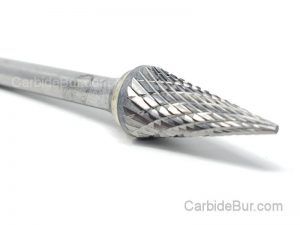
Carbide burrs come in various shapes and sizes, each designed for specific tasks. You’ll find cylinder, ball, and tree-shaped burrs among the most common. Each shape serves a unique purpose, whether smoothing surfaces or carving intricate designs. Cylindrical burrs handle flat areas, while ball-shaped ones excel in curves and contours. Tree-shaped burrs reach into tight spots effortlessly.
Choosing the right shape impacts your precision and efficiency. For instance, if you’re working on a flat piece of steel, a cylindrical burr offers the best control. Next time you pick a burr, remember that the shape guides your results.
Carbide Burrs for Stainless Steel
Stainless steel demands durable tools that withstand its toughness. Carbide burrs fit the bill perfectly. They’re crafted from high-quality materials that handle stainless steel’s resistance without wearing out quickly. Stainless steel’s properties mean you need burrs that maintain sharpness. Look for burrs labeled specifically for this metal to ensure optimal performance.
The benefits are clear: better finishes, longer tool life, and cleaner cuts. You can find more about these specialized burrs in this comprehensive guide.
Selecting the Right Burr
Choosing the right burr can transform your project. Let’s dive into how you can select the best carbide burrs tailored to your needs and the factors that play a role in your decision.
Best Carbide Burrs for Your Needs
Every project is unique, so your burrs should match your specific requirements. When selecting, think about the material and desired finish. For example, double-cut carbide burrs work great for removing material quickly and leave a smooth finish.
Consider investing in a carbide burr set if you’re starting. Sets provide various options, ensuring you’re prepared for any task. For seasoned metalworkers, individual burrs tailored to frequent needs might be more cost-effective. For more options, visit Cobra Carbide’s guide.
Factors to Consider When Choosing
Several factors influence your choice of carbide burrs. Material hardness, tool compatibility, and project scale are crucial. A tougher material requires a more robust burr, while compatibility ensures longevity and efficiency. Don’t overlook the burr’s rotational speed. High-speed tools need burrs that won’t break under pressure.
Cost can also be a factor, but don’t let it be the only one. Quality often trumps price, saving you money in the long run with longer-lasting tools. Most people think any burr will do, but precision hinges on matching the tool to the task.
Maintenance and Care Tips
Proper maintenance extends your burrs’ life and boosts their performance. Let’s look at how you can care for and store your carbide burrs effectively.
Extending the Life of Your Burrs
Regular care keeps your burrs sharp and ready. After each use, inspect for wear. If you notice dullness, consider sharpening or replacing them. Use a dedicated cleaning brush to remove debris clinging to the burr. Avoid harsh chemicals, as they might damage the burr’s surface.
Sharpening stones can restore a burr’s edge, but remember, frequent sharpening can thin them out. The longer you wait to maintain them, the more effort and cost involved.
Cleaning and Storage Practices
Proper cleaning and storage prevent premature wear. After cleaning, ensure burrs are completely dry to avoid rust. Store them in a dry, organized space to prevent them from banging against each other, which can cause chipping.
Invest in a storage case with individual slots. It keeps your burrs organized and protects them from accidental damage. Following these simple steps ensures your tools are always ready for action. For more maintenance tips, check Syndent’s guide.
By choosing the right burrs and maintaining them well, your projects will not only improve in quality but also remain cost-effective over time. Remember, a well-maintained tool is a silent partner in your success.
Click here for our entire selection of carbide bur tools
Can Carbide Burrs Cut Through Welds?
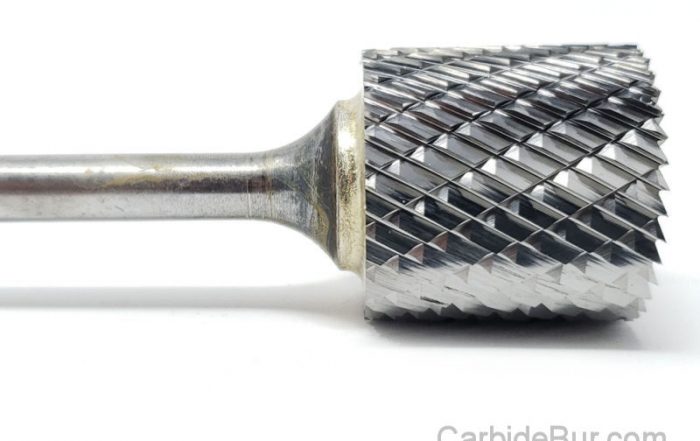
Can Carbide Burrs Cut Through Welds? Cutting through welds can feel like a battle, especially when you need clean results without harming the base metal. Carbide burrs offer a sharp edge in this fight, but [...]
How to Use a Carbide Burr With a Die Grinder
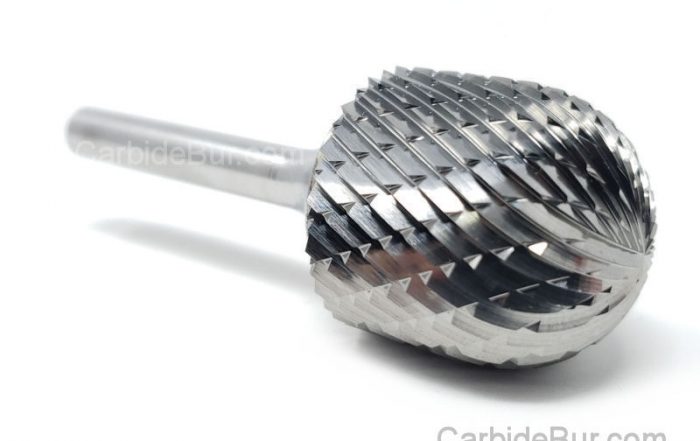
How to Use a Carbide Burr With a Die Grinder Most people treat a carbide burr like just another tool, but using it with a die grinder takes skill. If you’ve struggled with burr installation [...]
1/8 vs 1/4 Inch Carbide Burrs: What’s the Difference?
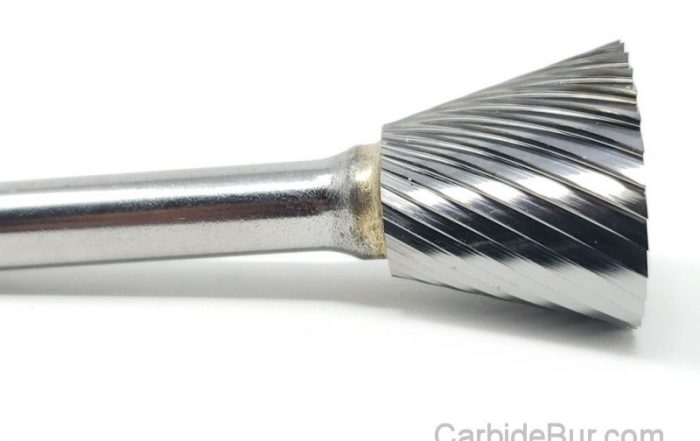
1/8 vs 1/4 Inch Carbide Burrs: What's the Difference? Choosing between a 1/8 inch carbide burr and a 1/4 inch carbide burr can change how your project turns out. Many machinists and hobbyists overlook how [...]
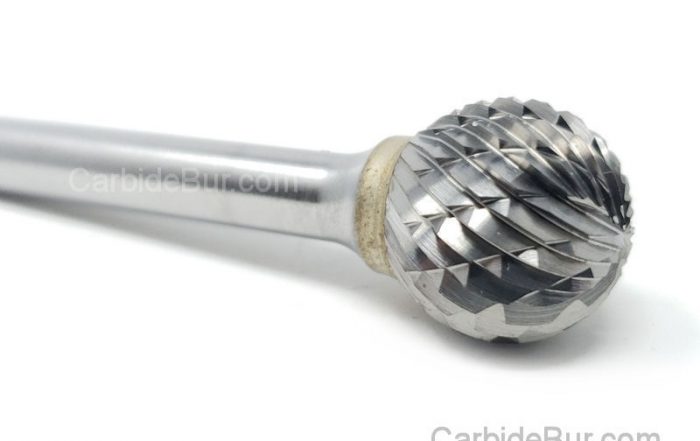
Best Carbide Burr for Removing Flash From Castings
Best Carbide Burr for Removing Flash From Castings Removing flash from castings is a task that can slow down your entire metalworking process if you don’t have the right tools. Picking the best carbide burr [...]
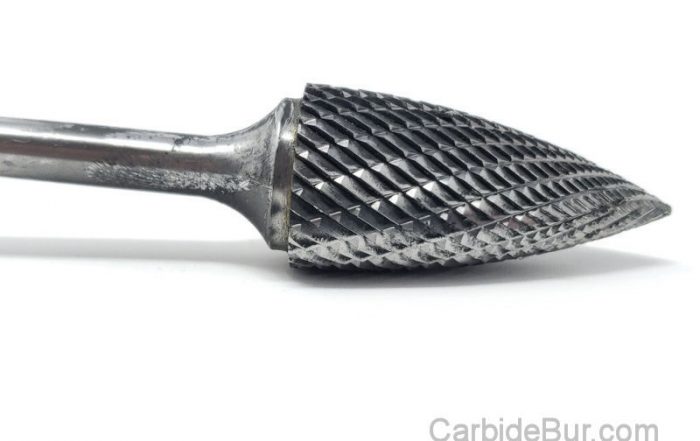
What RPM Should You Use for a 1/4 Inch Carbide Burr?
What RPM Should You Use for a 1/4 Inch Carbide Burr? Most machinists guess the right speed for a 1/4 inch carbide burr and hope for the best. Using the wrong carbide burr RPM can [...]
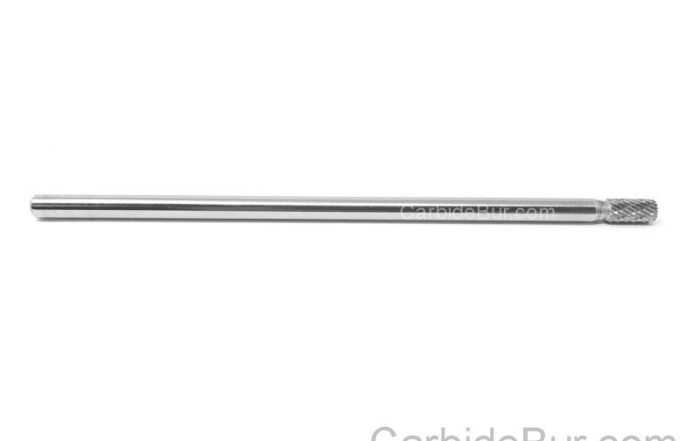
Long Shank Carbide Burrs: When Do You Need One?
Long Shank Carbide Burrs: When Do You Need One? Most machinists overlook the power of long shank carbide burrs until a project demands precision in tight spaces. When your usual tools can’t reach intricate contours, [...]
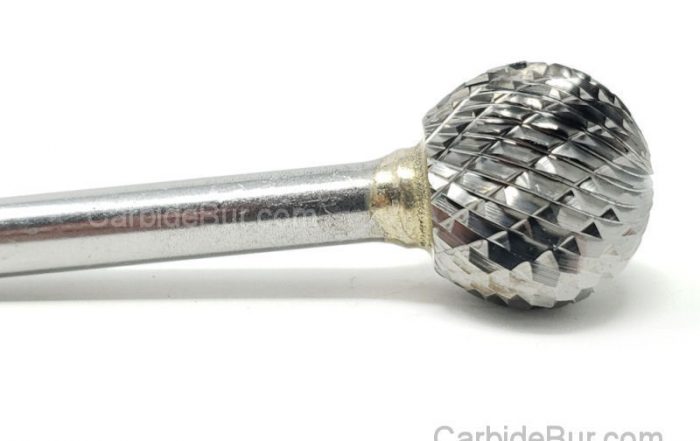
How Deep Can a Carbide Burr Cut Metal?
How Deep Can a Carbide Burr Cut Metal? Carbide burrs often get praised for their precision, but many users hit a wall wondering how deep they can actually cut metal. The truth is, cutting depth [...]
How to Use Carbide Burrs for Port Matching
How to Use Carbide Burrs for Port Matching Most engine builds hit a wall when airflow doesn’t flow smoothly between the ports and manifolds. If your engine isn’t breathing right, your performance stalls. Using the [...]
Best Carbide Burr for Porting Intake Manifolds
Best Carbide Burr for Porting Intake Manifolds Porting intake manifolds can make or break your engine’s airflow, yet many struggle with the right tools for the job. Choosing the best carbide burrs is key to [...]
Best Carbide Burr for Concave Surfaces
Best Carbide Burr for Concave Surfaces Concave surfaces can turn a straightforward project into a frustrating challenge if you don’t have the right tool. Carbide burrs designed for these tricky curves make all the difference [...]
How to Grind a Slot in Metal With a Carbide Burr
How to Grind a Slot in Metal With a Carbide Burr Grinding a precise slot in metal can feel like a tricky task, especially if you’re unsure which tools to trust. Carbide burr grinding offers [...]

Best Carbide Burr for Inside Corners
Best Carbide Burr for Inside Corners Working in tight inside corners can turn even simple projects into frustrating tasks. Many carbide burrs just don’t fit or cut cleanly where you need them most. The best [...]
