
Mastering Automotive Restoration with High-Performance Carbide Burrs
Restoring classic cars means facing tough materials and tight spaces that demand sharp, reliable tools. High-performance carbide burrs cut through rust and shape engine parts with unmatched precision, making your work cleaner and faster. In this post, you’ll learn how choosing the right burr shapes and sizes can sharpen your skills and protect your project’s finish. Get ready to upgrade your automotive restoration tools and craftsmanship. Learn more about precision restoration techniques here.
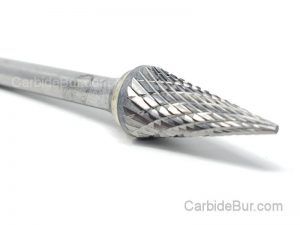
Click here for our entire selection of carbide bur tools
Advantages of Carbide Burrs
Carbide burrs stand out as essential tools in the world of automotive restoration. They offer unique benefits that make them indispensable for tackling tough tasks and achieving detailed designs on classic cars.
Tackling Tough Materials
When you’re up against robust metals and rust-laden surfaces, carbide burrs are your best ally. Their sturdy construction helps you cut through challenging materials without slowing down. This means less time wrestling with stubborn spots and more time enjoying the rewarding results of your work. Each burr is designed to handle the demands of restoration, ensuring that your tools match your passion.
Picture this: You’ve got a rusted patch on a classic car door. With a quick spin of your carbide burr, the rust vanishes, revealing a smooth surface ready for priming. That’s the power of these tools—they transform problems into possibilities. Explore more about tackling rust effectively.
Precision in Intricate Designs
Beyond brute strength, carbide burrs offer unmatched precision. This makes them perfect for intricate designs where every millimeter counts. You can craft unique patterns or fine-tune engine components without fear of overcutting or damage. These burrs give you the control needed for delicate tasks, turning your vision into reality with ease.
Think of times when you needed to shape a component to fit just right. Carbide burrs let you achieve that perfect fit, ensuring every piece aligns seamlessly. This level of precision elevates your restoration work, giving you the satisfaction of a job well done.
Applications in Automotive Restoration
The versatility of carbide burrs opens up numerous applications within automotive restoration, from bodywork to engine detailing.
Bodywork and Rust Removal
Bodywork often involves more than just a fresh coat of paint. Removing rust and smoothing surfaces is crucial. Carbide burrs excel in this area, allowing you to efficiently strip away corrosion and prepare panels for the next stage of restoration. Their precision ensures you remove just the rust, preserving the integrity of the car’s original metal.
Imagine working on a vintage fender. The burr quickly removes rust, leaving a clean, smooth surface ready for restoration. This efficiency saves you time and effort, letting you focus on what truly matters—bringing the vehicle back to life.
Engine Component Shaping
In engine restoration, precision is paramount. Carbide burrs provide the fine control needed to shape and refine engine parts, ensuring optimal performance. By achieving smooth finishes on cylinders and other components, you enhance the engine’s efficiency and longevity. Discover techniques for achieving smooth finishes with carbide burrs.
Imagine crafting custom engine parts with confidence, knowing every cut is precise. Carbide burrs make this possible, empowering you to push the boundaries of what’s achievable in engine restoration.
Selecting the Right Burrs
Choosing the right burr can significantly impact the quality and efficiency of your restoration work.
Choosing Shapes and Sizes
Selecting the correct shape and size for your burr is crucial. Different tasks demand different burr profiles—whether you’re removing material or smoothing edges. For example, a cylindrical burr works well for flat surfaces, while a cone-shaped burr excels in tight corners. Understanding these distinctions helps you choose the right tool for the job. Learn more about selecting the right burrs for different tasks.
Consider a scenario where you need to refine a joint in a cramped engine space. The right burr shape allows you to work seamlessly, avoiding unnecessary strain or mistakes. This precision improves your craftsmanship and results.
Enhancing Restoration Craftsmanship
High-performance burrs don’t just make tasks easier—they elevate your entire approach. With the right tools, you can achieve finishes that are both functional and aesthetically pleasing. Your restored car won’t just run smoothly; it will look incredible too. This craftsmanship is what sets apart ordinary restorations from extraordinary ones.
By investing in quality burrs, you invest in the future of your restoration projects. Each tool becomes an extension of your skill, allowing you to transform classic cars with confidence and flair.
In the world of automotive restoration, every detail counts. Carbide burrs give you the edge you need to tackle challenges head-on, ensuring each project is a masterpiece in its own right.
Click here for our entire selection of carbide bur tools
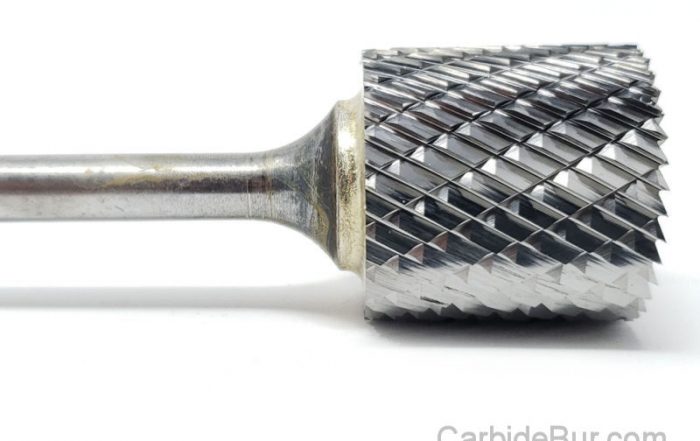
Can Carbide Burrs Cut Through Welds?
Can Carbide Burrs Cut Through Welds? Cutting through welds can feel like a battle, especially when you need clean results without harming the base metal. Carbide burrs offer a sharp edge in this fight, but [...]
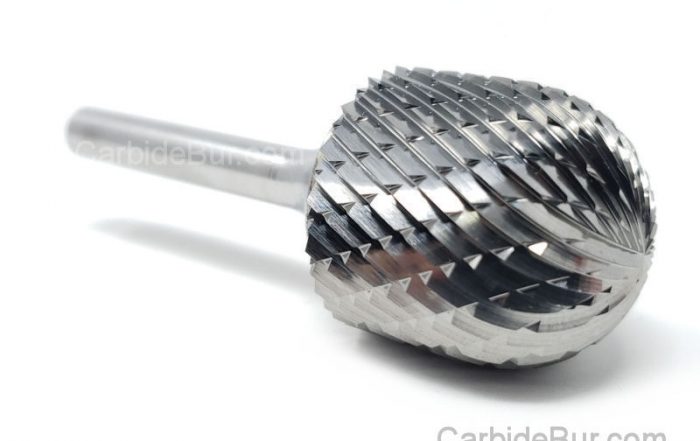
How to Use a Carbide Burr With a Die Grinder
How to Use a Carbide Burr With a Die Grinder Most people treat a carbide burr like just another tool, but using it with a die grinder takes skill. If you’ve struggled with burr installation [...]
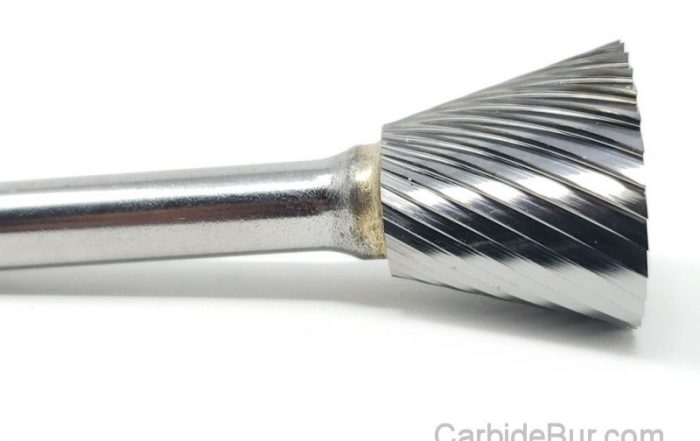
1/8 vs 1/4 Inch Carbide Burrs: What’s the Difference?
1/8 vs 1/4 Inch Carbide Burrs: What's the Difference? Choosing between a 1/8 inch carbide burr and a 1/4 inch carbide burr can change how your project turns out. Many machinists and hobbyists overlook how [...]
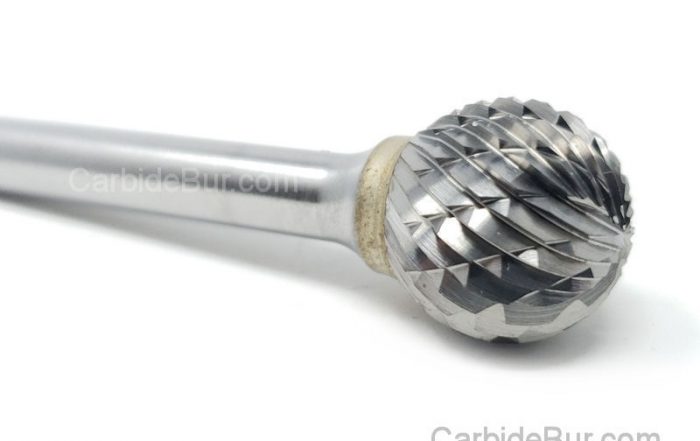
Best Carbide Burr for Removing Flash From Castings
Best Carbide Burr for Removing Flash From Castings Removing flash from castings is a task that can slow down your entire metalworking process if you don’t have the right tools. Picking the best carbide burr [...]
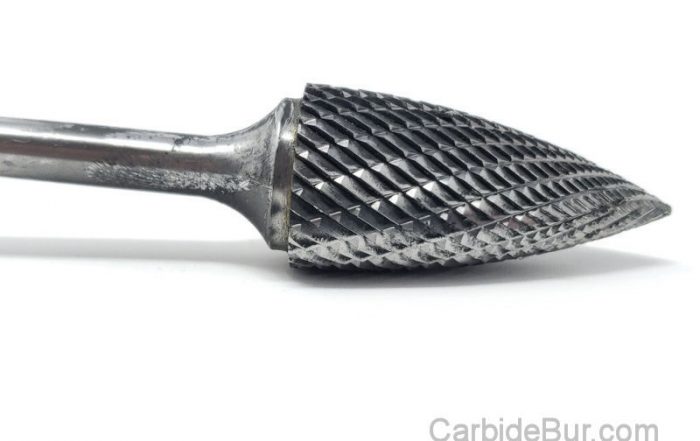
What RPM Should You Use for a 1/4 Inch Carbide Burr?
What RPM Should You Use for a 1/4 Inch Carbide Burr? Most machinists guess the right speed for a 1/4 inch carbide burr and hope for the best. Using the wrong carbide burr RPM can [...]
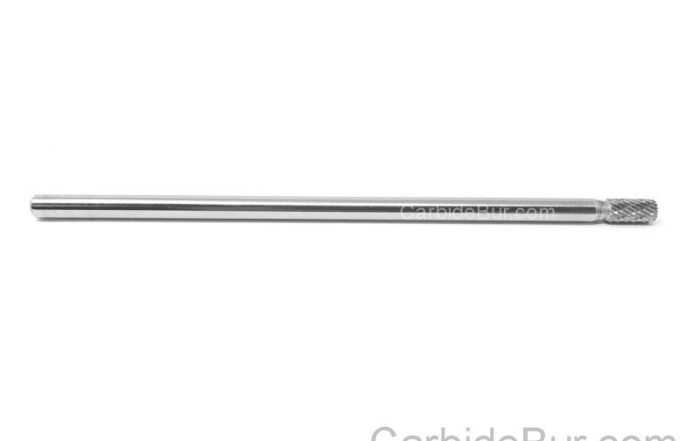
Long Shank Carbide Burrs: When Do You Need One?
Long Shank Carbide Burrs: When Do You Need One? Most machinists overlook the power of long shank carbide burrs until a project demands precision in tight spaces. When your usual tools can’t reach intricate contours, [...]
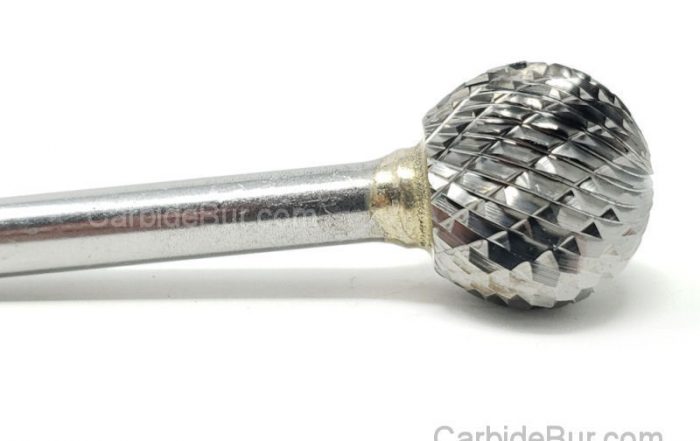
How Deep Can a Carbide Burr Cut Metal?
How Deep Can a Carbide Burr Cut Metal? Carbide burrs often get praised for their precision, but many users hit a wall wondering how deep they can actually cut metal. The truth is, cutting depth [...]
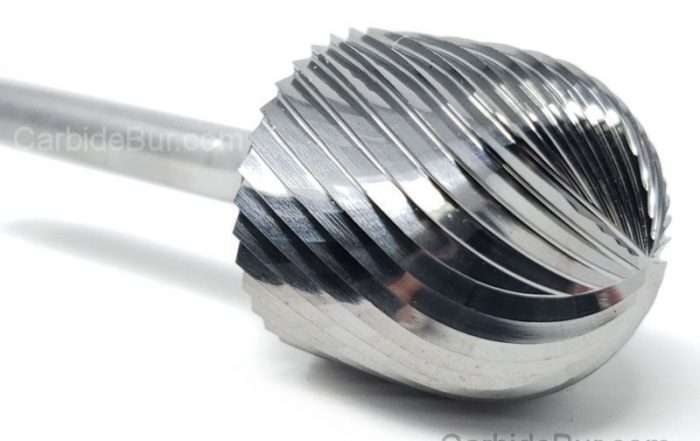
How to Use Carbide Burrs for Port Matching
How to Use Carbide Burrs for Port Matching Most engine builds hit a wall when airflow doesn’t flow smoothly between the ports and manifolds. If your engine isn’t breathing right, your performance stalls. Using the [...]
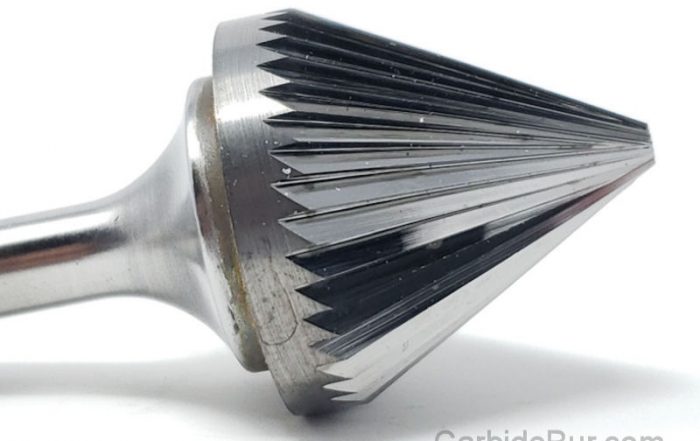
Best Carbide Burr for Porting Intake Manifolds
Best Carbide Burr for Porting Intake Manifolds Porting intake manifolds can make or break your engine’s airflow, yet many struggle with the right tools for the job. Choosing the best carbide burrs is key to [...]
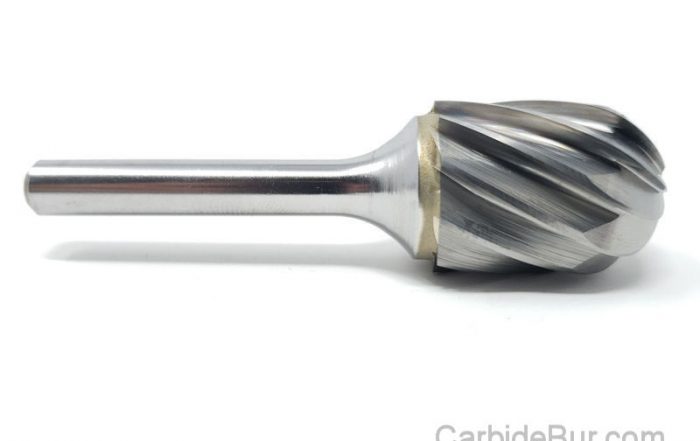
Best Carbide Burr for Concave Surfaces
Best Carbide Burr for Concave Surfaces Concave surfaces can turn a straightforward project into a frustrating challenge if you don’t have the right tool. Carbide burrs designed for these tricky curves make all the difference [...]
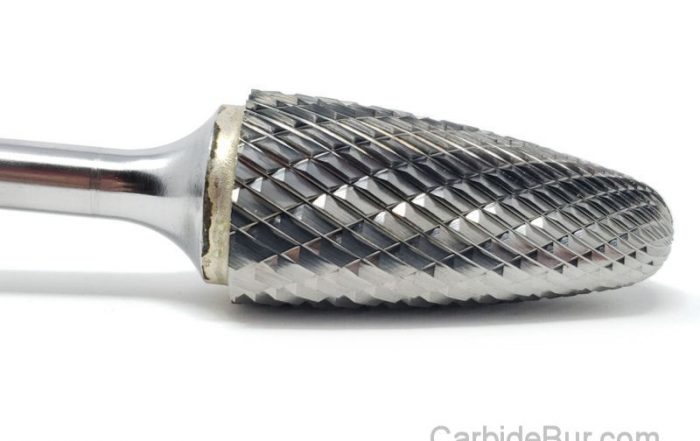
How to Grind a Slot in Metal With a Carbide Burr
How to Grind a Slot in Metal With a Carbide Burr Grinding a precise slot in metal can feel like a tricky task, especially if you’re unsure which tools to trust. Carbide burr grinding offers [...]

Best Carbide Burr for Inside Corners
Best Carbide Burr for Inside Corners Working in tight inside corners can turn even simple projects into frustrating tasks. Many carbide burrs just don’t fit or cut cleanly where you need them most. The best [...]
