
Achieve Precision with the Right Carbide Burr Usage and RPM
Most people run carbide burrs way too fast or too slow without realizing it. That’s costing you time, tool life, and the smooth finish you want. This burr speed guide breaks down the optimal RPM for carbide burrs so you can nail your carbide burr usage every time. Keep reading for machining tips for burrs that actually work. For more detailed information, check out this link.
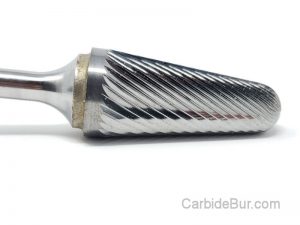
Find more information at CarbideBur.com
Understanding Carbide Burr RPM
Precision with carbide burrs begins with understanding the right RPM. You might find that small adjustments in speed can lead to big improvements in efficiency.
Importance of Burr Speed
Getting the burr speed just right isn’t just a nice-to-have; it’s a must for achieving the best results. Running your burrs at the right speed can save you time and money. When RPM is spot on, you extend tool life and get smoother finishes. Carbide Burr RPM is the magic number you need to hit.
Think of burr speed like the speed limit on a highway. Going too fast can cause overheating, while going too slow might not get the job done efficiently. Ideally, you’ll find the sweet spot that makes your tools last longer and work better. Check out this recommended speed guide for tungsten carbide burrs for more info.
Factors Influencing Optimal RPM
Several factors determine the best speed for your carbide burrs. Material type is a big one. Harder materials might require slower speeds for better control. Meanwhile, softer materials allow for faster operation.
The size of the burr also plays a role. Smaller burrs typically need higher speeds to perform effectively. Larger burrs can operate at a lower RPM to achieve the same results. Your tool’s condition matters too. A well-maintained tool can perform at higher speeds without overheating. For more insights, visit this link.
Mastering Carbide Burr Usage
Now that you’ve adjusted your RPM settings, let’s dive into using your carbide burrs like a pro. You’re about to discover how to hone your skills and enhance your workmanship.
Enhancing Precision in Machining
Precision is key when working with carbide burrs. You want your cuts to be clean and accurate. A well-honed technique means less time spent sanding and finishing. Using the right pressure and motion with your burrs can make all the difference.
Start with light pressure. Let the tool do the work rather than forcing it. This approach not only improves precision but also extends the life of your tools. Consistent movement is crucial too. Avoid lingering in one spot to prevent unwanted marks or damage. Learn more about proper burr usage here.
Tips for Speed Selection
Speed selection can feel like a guessing game. But with these tips, you can make informed choices every time.
-
Material Check: Know the material you’re working with. This is your first step in speed selection.
-
Tool Condition: Regularly inspect your tools for wear. A sharp tool can handle higher speeds.
-
Test Runs: Run a quick test on scrap material. It helps you gauge whether your selected speed works.
-
Adjust as Needed: Don’t be afraid to tweak your speed settings during a project.
These strategies will help you find the optimal RPM for carbide burrs that matches your specific needs.
Achieving Consistency in Results
You’ve learned about RPM and precision. Now, let’s focus on achieving consistent results every time you pick up a burr.
Common Mistakes to Avoid
Avoiding common pitfalls can save you a lot of headaches. One mistake many make is ignoring the manufacturer’s guidelines. These provide valuable insights into speed and usage.
Another common error is neglecting tool maintenance. A well-maintained tool is more reliable and efficient. Dust and debris can dull your burrs quickly. Make it a habit to clean them after each use. You can explore more maintenance tips here.
Practical Machining Tips for Burrs
Practical tips can make your machining smoother and more enjoyable. First, always wear protective gear. Safety goggles and gloves are non-negotiable. Keep your work area tidy to focus better on your project.
-
Tool Angle: Holding your tool at the right angle can improve control.
-
Lighting: Ensure your workspace is well-lit. It helps in spotting imperfections.
-
Breaks: Take regular breaks to avoid fatigue. Rested hands make more precise cuts.
Incorporate these tips to enhance your carbide burr usage. The more you practice, the more natural these techniques will become. Remember, the longer you wait to apply these insights, the more you miss out on improving your skills.
By now, you’re equipped to tackle any project with confidence. Stick to these guidelines, and you’ll see noticeable improvements in your work.
Find more information at CarbideBur.com

Can You Use a Carbide Burr With an Electric Die Grinder?
Can You Use a Carbide Burr With an Electric Die Grinder? Most people don’t realize how much a carbide burr can change the way an electric die grinder works. Using the right burr type can [...]
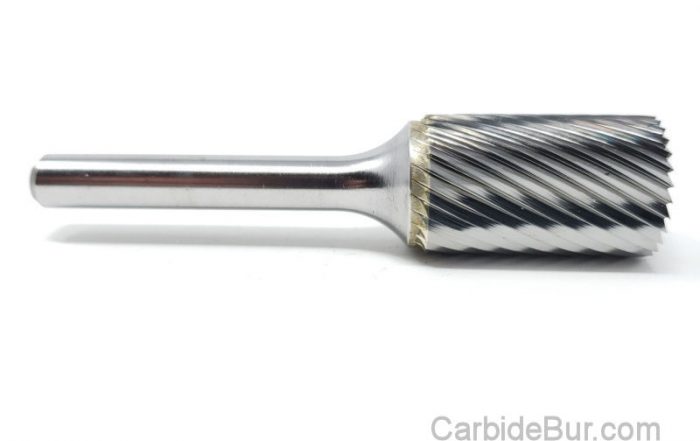
How to Deburr Holes With a Carbide Burr
How to Deburr Holes With a Carbide Burr Most people think any tool will do for deburring holes. The truth is, using the right carbide burr with the correct size and shape changes everything. In [...]
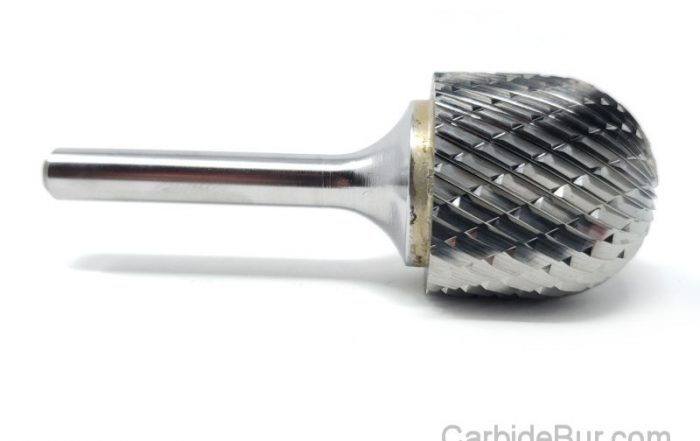
How to Choose the Correct Carbide Burr Shank Size
How to Choose the Correct Carbide Burr Shank Size Many machinists lose hours troubleshooting tool issues caused by the wrong carbide burr shank size. Using a shank that doesn’t fit your grinder can lead to [...]
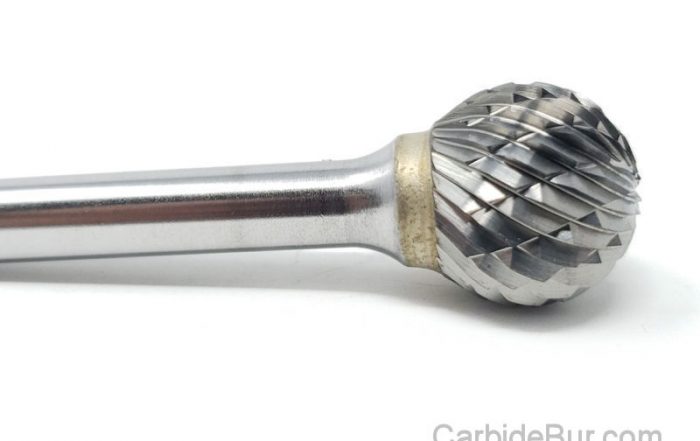
How to Remove Casting Flash With a Carbide Burr
How to Remove Casting Flash With a Carbide Burr Casting flash ruins the look and fit of your metal parts. You’ve tried sanding or grinding, but the results aren’t clean or fast enough. Learning how [...]
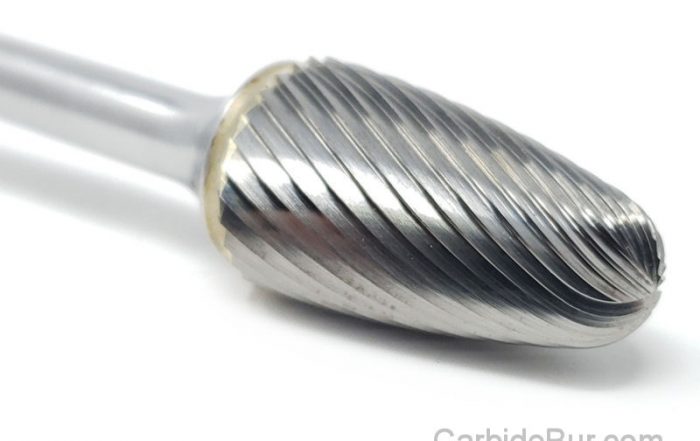
Best Carbide Burr for Enlarging a Hole in Metal
Best Carbide Burr for Enlarging a Hole in Metal When you need to enlarge a hole in metal, grabbing the wrong carbide burr can turn a simple task into a frustrating mess. Picking the best [...]
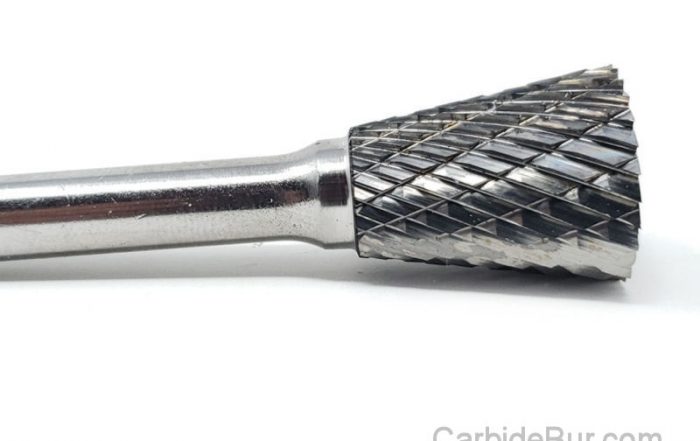
Carbide Burr Safety: 15 Mistakes That Can Cause Injury or Damage
Carbide Burr Safety: 15 Mistakes That Can Cause Injury or Damage Carbide burr safety is often overlooked until a costly mistake happens. Many metalworkers and DIYers make the same errors that lead to injuries or [...]
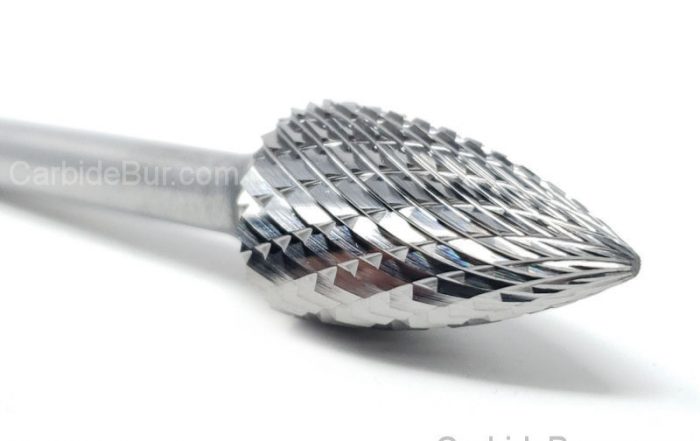
Can You Use a Carbide Burr in a Drill?
Can You Use a Carbide Burr in a Drill? Most people think a standard drill can’t handle a carbide burr, but that’s not true. Using carbide burr in the right drill can speed up your [...]
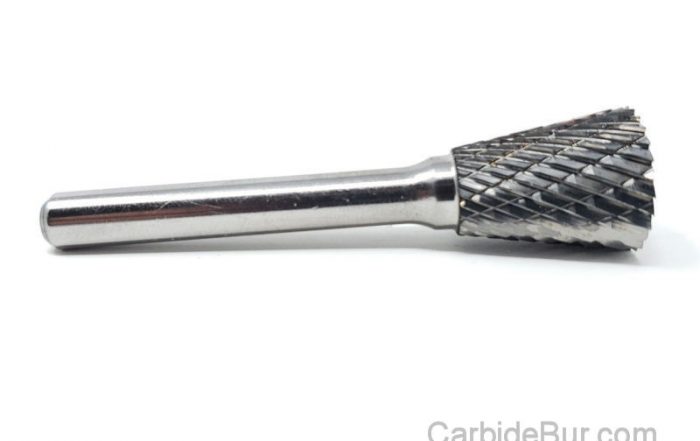
Carbide Burrs for Removing Rust: What Works Best?
Carbide Burrs for Removing Rust: What Works Best? Rust can turn your favorite tools into useless junk faster than you expect. Removing it without ruining the metal underneath takes more than just elbow grease—it demands [...]
How Much Pressure Should You Use With a Carbide Burr?
How Much Pressure Should You Use With a Carbide Burr? Most people think pressing harder with a carbide burr speeds up the job. That’s not true—too much pressure wears out your tool and ruins the [...]
Can You Use Carbide Burrs With an Air Die Grinder?
Can You Use Carbide Burrs With an Air Die Grinder? Most people don’t realize how well carbide burrs work with air die grinders until they try them. If you’ve ever struggled with finding the right [...]
Best Long Reach Carbide Burr for Deep Metal Work
Best Long Reach Carbide Burr for Deep Metal Work Long reach carbide burrs often promise deep metal access, but many fall short where it counts most. You need a tool that cuts cleanly, lasts through [...]
What RPM Should You Use for a 1/8 Inch Carbide Burr?
What RPM Should You Use for a 1/8 Inch Carbide Burr? Most people guess the right carbide burr RPM by feel—and waste hours redoing work. If you want cleaner cuts and longer tool life, your [...]
