
Choosing the Best Burr Shapes and Tools for Flawless Metalworking
Removing burrs can feel like walking a tightrope—one wrong move, and your parts get damaged. If you want clean edges without the risk, mastering deburring techniques with carbide burs is key. In this guide, you’ll find step-by-step methods, the best burr shapes, tool comparisons like die grinders versus Dremel tools, and safety tips for deburring that keep your work flawless. For more on using these tools effectively, check out this guide.
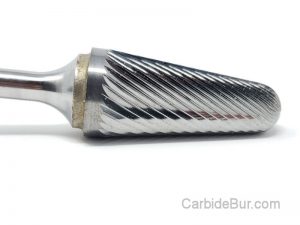
Find more information at CarbideBur.com
Step-by-Step Deburring Techniques
Let’s jump right in and explore the art of deburring. It’s not just about removing sharp edges—it’s about achieving smooth perfection.
Preparing Your Workspace
Before you start, ensure your workspace is set up for success. Clean and organize your tools and materials. This keeps everything within reach and minimizes accidents. Adequate lighting is crucial. You can’t afford to miss details in dim light. Lastly, secure the item you’re working on, preventing slips that could lead to mistakes or injury. Remember, a tidy space boosts productivity.
Essential Deburring Process
Now, let’s get into the deburring process itself. Begin by selecting the right carbide bur for your task. Start with a gentle hand. Light pressure prevents overcutting, maintaining the integrity of your piece. Gradually increase pressure as needed. Move the bur in a consistent direction to avoid uneven surfaces. Pay attention to speed; too fast can lead to loss of control. With these steps, achieving a flawless finish is within your grasp.
Finishing Touches for Perfection
With the hard part done, it’s time for the finishing touches. Inspect your work closely. Look for any missed spots or uneven edges. If needed, a final pass with the bur will smooth things out. Consider using a fine-grit sandpaper for a final polish. This step enhances the surface finish and ensures a professional look.
Best Burr Shapes for Deburring
Selecting the right burr shape is crucial for effective deburring. It can mean the difference between a clean finish and a rough, uneven edge.
Choosing the Right Shape
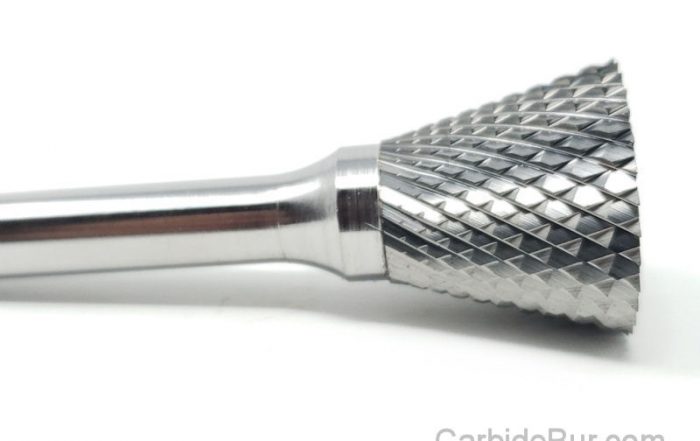
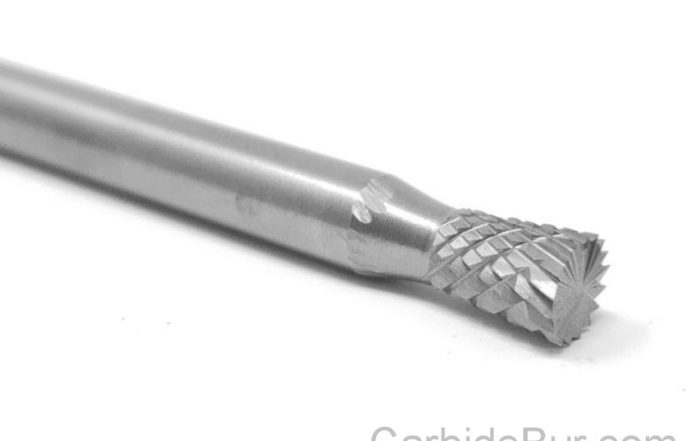
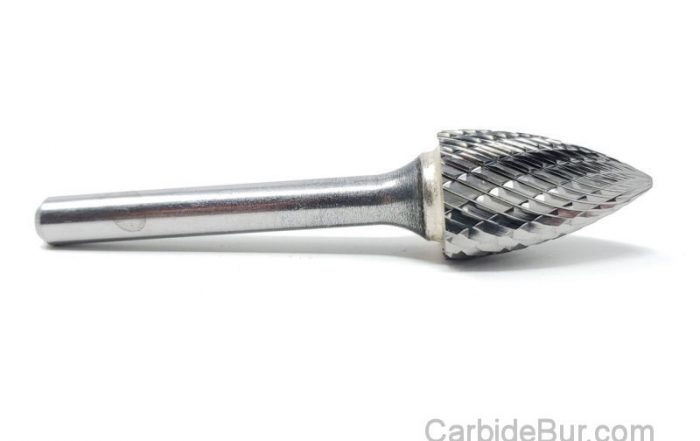
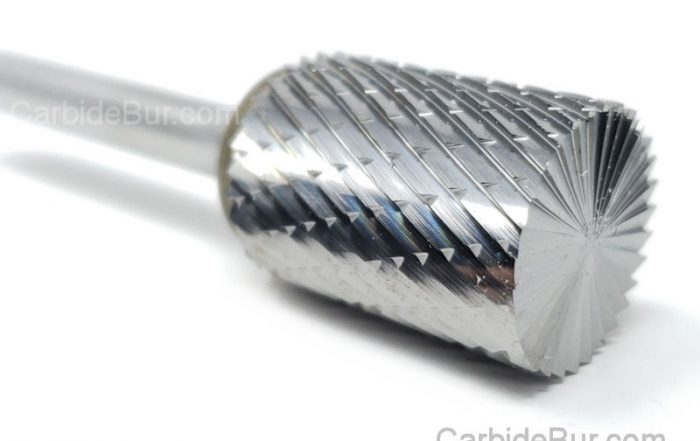
Different shapes serve different purposes. Cylinder burs are great for flat surfaces, while ball-shaped burs excel in rounding edges. For slots and tight corners, cone-shaped burs provide precision. Choose based on your project needs to achieve the best results. For more insights, you can visit this comprehensive guide.
Matching Shapes to Materials
Not all materials are the same, and your burr choice should reflect that. For softer metals like aluminum, a coarse burr works well. Harder metals like steel require a fine-toothed burr for precision. Using the wrong burr can damage the material, so choose wisely. A strategic selection enhances your work’s quality and appearance.
Tools and Safety Tips
Your choice of tools impacts your efficiency and safety. Let’s explore the differences between popular options and how to stay safe.
Comparing Die Grinders and Dremel Tools
Die grinders and Dremel tools each have their strengths. Die grinders are powerful, ideal for heavy-duty tasks. They’re perfect for large projects but can be harder to control. Dremel tools offer precision, making them suitable for intricate work. They’re more user-friendly for beginners. Consider your project’s scale and complexity when choosing between these tools. For a deeper understanding, check out this comparison.
Safety Tips for Deburring
Safety is paramount in any workshop. Always wear protective eyewear to shield against metal shavings. Gloves protect your hands but ensure they fit well to avoid accidents. Keep your workspace clutter-free to prevent tripping hazards. Remember, your safety is just as important as the project’s success. Follow these tips to ensure a safe and productive deburring process.
With these insights, you’re now equipped to tackle deburring with confidence. Whether you’re a professional or a hobbyist, mastering these techniques will elevate your metalworking skills. Happy crafting!
Find more information at CarbideBur.com
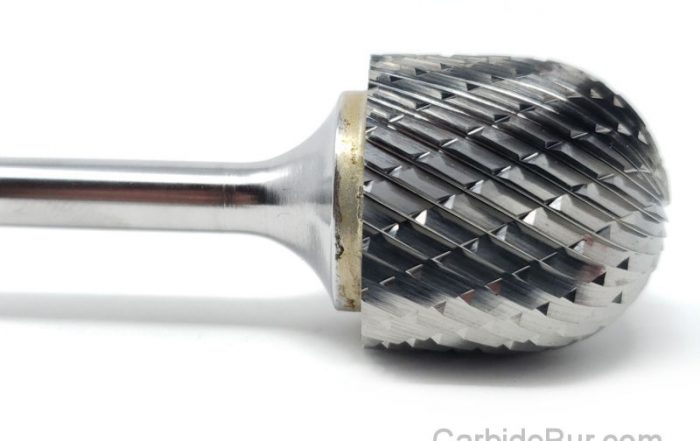
Are Expensive Carbide Burrs Worth It? Comparing Price and Performance
Are Expensive Carbide Burrs Worth It? Comparing Price and Performance When shopping for carbide burrs, it's easy to assume that the cheapest option saves money. But if you use rotary cutting tools regularly for welding, [...]

Carbide Burr vs. Grinding Stone: Which Is Better for Metal Removal?
Carbide Burr vs. Grinding Stone: Which Is Better for Metal Removal? When you need to remove metal, smooth a rough edge, or shape a metal component, two common options are carbide burrs and grinding stones. [...]
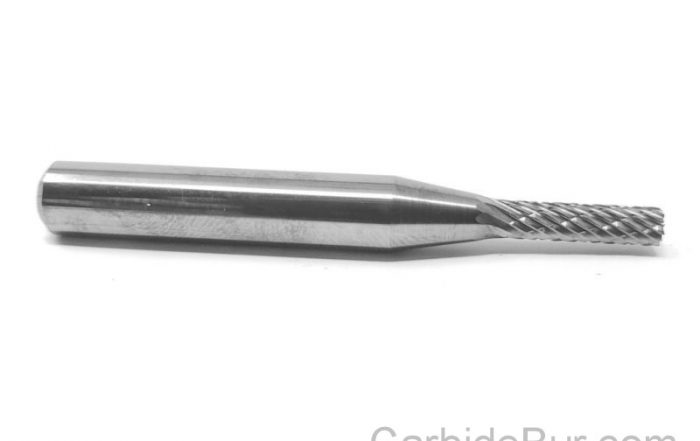
Carbide Burr Safety: RPM, Eye Protection, and Common Mistakes
Carbide Burr Safety: RPM, Eye Protection, and Common Mistakes Carbide burrs are versatile cutting tools used for metal fabrication, welding cleanup, engine porting, deburring, and general material removal. When used correctly, they can help remove [...]
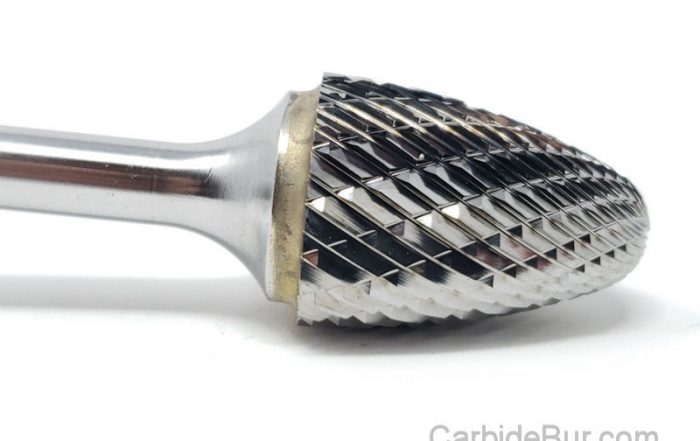
How to Stop Aluminum from Clogging Your Carbide Burr
How to Stop Aluminum from Clogging Your Carbide Burr Aluminum is widely used in automotive work, welding, metal fabrication, aerospace components, and general machining. It is lightweight, relatively easy to machine, and versatile across many [...]
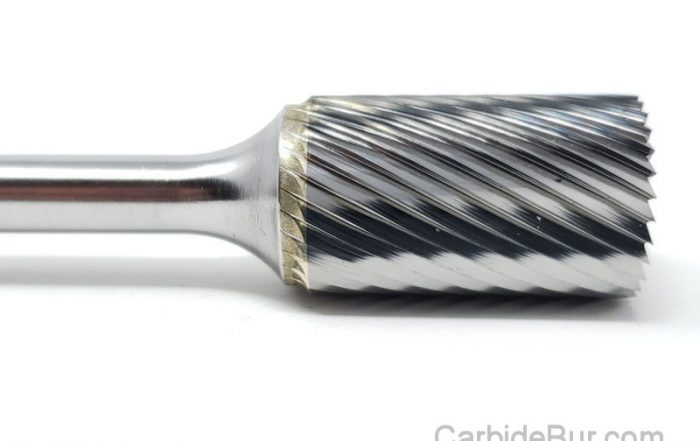
Carbide Burrs for Intake Manifolds: Shaping, Cleanup, and Fitment
Carbide Burrs for Intake Manifolds: Shaping, Cleanup, and Fitment Intake manifold work often involves more than simply bolting a component onto an engine. Depending on the application, metal intake components may have casting irregularities, rough [...]
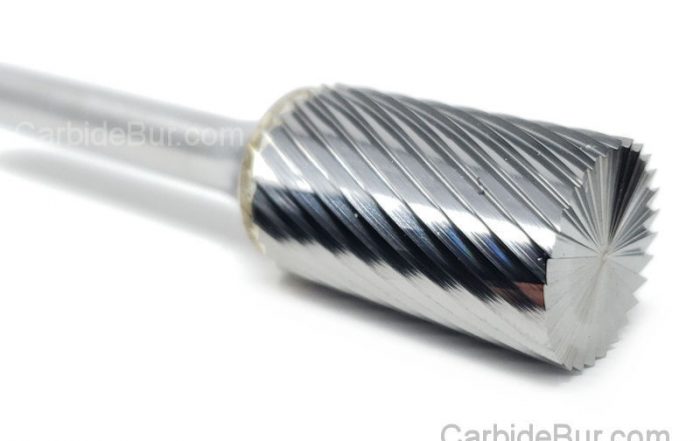
Why Long-Shank Carbide Burrs Are Useful for Hard-to-Reach Areas
Why Long-Shank Carbide Burrs Are Useful for Hard-to-Reach Areas When working on metal parts, the area that needs grinding or shaping is not always easy to reach. Recessed openings, deep cavities, interior surfaces, and complicated [...]
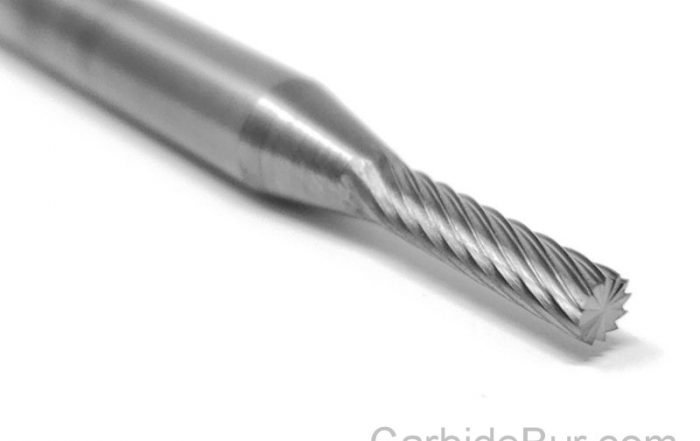
Choosing Carbide Burrs for Stainless Steel Fabrication
Choosing Carbide Burrs for Stainless Steel Fabrication Stainless steel is widely used in fabrication because of its corrosion resistance, strength, and durability. However, those same properties can make it challenging to machine and finish. Removing [...]
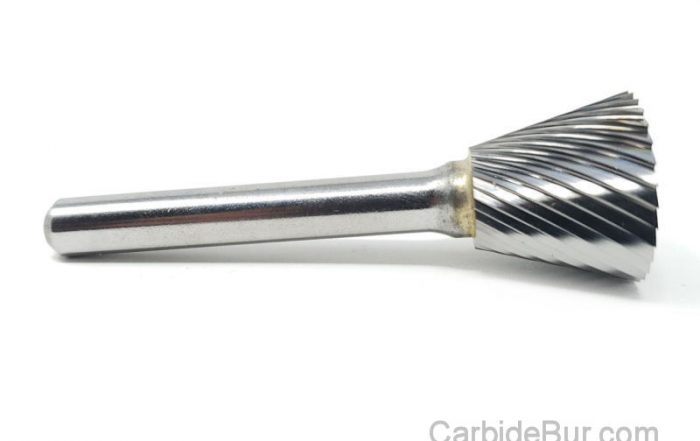
Can You Use Carbide Burrs in a Dremel? Shank Sizes Explained
Can You Use Carbide Burrs in a Dremel? Shank Sizes Explained If you use a Dremel or another rotary tool for detail work, metal shaping, or small fabrication projects, you may wonder whether you can [...]
How to Choose the Best Carbide Burr for Welding and Metal Fabrication
How to Choose the Best Carbide Burr for Welding and Metal Fabrication Welding and metal fabrication often require more than joining two pieces of metal together. Once the welding is finished, fabricators frequently need to [...]
Carbide Burrs for Cylinder Heads: What Automotive Enthusiasts Need to Know
Carbide Burrs for Cylinder Heads: What Automotive Enthusiasts Need to Know Cylinder head work is an important part of engine building, restoration, and performance machining. Whether you are cleaning up casting imperfections, refining port surfaces, [...]
Engine Porting 101: How Carbide Burrs Help Shape Cylinder Head Ports
Engine Porting 101: How Carbide Burrs Help Shape Cylinder Head Ports Engine performance enthusiasts, automotive machinists, and engine builders often look for ways to improve airflow through an engine's cylinder heads. One technique used in [...]
When to Use a 4-Inch or 9-Inch Die Grinder Extension
When to Use a 4-Inch or 9-Inch Die Grinder Extension Metal fabrication, welding, automotive repair, and engine building often require working in places where a standard die grinder and carbide burr cannot easily reach. Recessed [...]
