
Practical Burr Maintenance Tips for Cost-Savvy Machinists
Most machinists replace carbide burrs too late or too soon, wasting both time and money. Your tools wear down faster when you miss the signs to replace carbide burrs, cutting into your budget without good reason. This post breaks down carbide burr lifespan and shares simple burr maintenance tips to help you know exactly when to swap them out. Keep your costs in check while getting the most from every tool. For more details, check out this guide on carbide burrs.
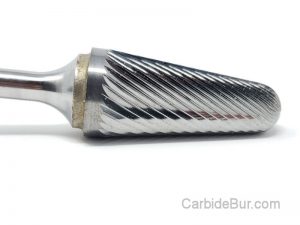
Find more information at CarbideBur.com
Understanding Carbide Burr Lifespan
Knowing how long your carbide burrs last is crucial to maintaining efficiency in your workshop. Let’s dive into the factors that can affect their durability.
Factors Affecting Durability
The lifespan of a carbide burr is influenced by several elements. First, material hardness plays a key role. Cutting through tougher materials wears down burrs faster. Next, consider your cutting speed. Higher speeds generate more heat, which can degrade the burr. Finally, the pressure applied matters—a lighter touch often extends life.
For instance, a burr used on aluminum may last longer than one used on hardened steel. Consider this: if your burr needs frequent replacements, it might be time to reassess your cutting techniques. Sometimes, slowing down can save both time and money in the long run.
For more in-depth insights, you might explore these ways to prolong tool life.
Burr Usage Frequency Insights
How often you use your burrs directly impacts their lifespan. Regular, high-intensity use shortens it, while occasional use can extend it. But here’s the twist: even infrequent use without proper care can lead to premature wear.
Imagine using your burr every day. Naturally, it wears down faster compared to monthly use. But if it’s stored improperly, even sparse use can lead to deterioration. The takeaway? Balancing use and care maximizes your investment. Consider this insight next time you reach for your tools.
Signs to Replace Carbide Burr
Recognizing when to replace your burr can save you from costly mistakes. Let’s explore the telltale signs.
Common Wear Indicators
Worn-out burrs show distinct signs. Reduced cutting efficiency is the most noticeable. If you find yourself applying more pressure for less effect, it’s time for a change. Another sign is chipping along the cutting edges. This not only affects performance but can also damage your workpiece.
Don’t ignore the vibration during use, as it indicates imbalance. Addressing these indicators early can prevent wastage and ensure smooth operations. Regular checks are a small step with a big impact.
Impact on Machining Quality
Using a worn-out burr can compromise your work quality. Rough finishes and increased heat generation are common issues. These not only affect the final product but also risk tool breakage. If your cuts aren’t clean and precise, it’s time for a new burr.
Delaying replacement might seem cost-effective, but think of the potential setbacks. Poor quality work and damaged tools cost more in the long run. Keeping an eye on performance can help maintain high standards.
Practical Burr Maintenance Tips
A little maintenance goes a long way in prolonging burr life. Here’s how you can keep your tools in top shape.
Regular Cleaning Procedures
Cleaning your burrs regularly is simple yet effective. After each use, remove debris to prevent buildup. A soft brush or compressed air works well for this task. Remember, accumulated material can cause overheating and wear.
Also, consider using a mild solvent to clean metal shavings. Avoid harsh chemicals that could damage the burr. Consistent cleaning ensures your tools perform at their best, enhancing both longevity and quality.
Storage and Handling Practices
Proper storage is crucial for maintaining your burrs. Store them in a dry, cool place to prevent rust and damage. Using a dedicated tool holder can prevent them from knocking against each other, preserving their edges.
Handling with care is equally important. Avoid dropping or mishandling burrs as this can lead to chipping. Simple practices like these can significantly extend tool life and maintain performance.
For more comprehensive tips on burr care, check out this article on carbide burr maintenance.
In conclusion, understanding and maintaining your carbide burrs can lead to significant cost savings and improved work quality. By paying attention to wear indicators and following practical care tips, you can make the most of your investment. Keep your workshop running smoothly with these insights.
Find more information at CarbideBur.com

Can You Use a Carbide Burr With an Electric Die Grinder?
Can You Use a Carbide Burr With an Electric Die Grinder? Most people don’t realize how much a carbide burr can change the way an electric die grinder works. Using the right burr type can [...]
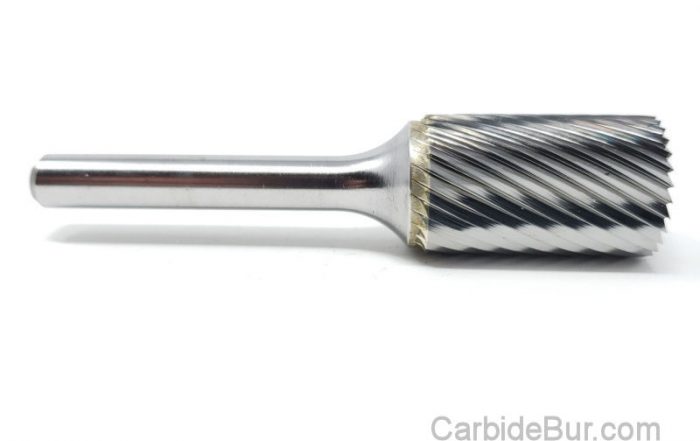
How to Deburr Holes With a Carbide Burr
How to Deburr Holes With a Carbide Burr Most people think any tool will do for deburring holes. The truth is, using the right carbide burr with the correct size and shape changes everything. In [...]
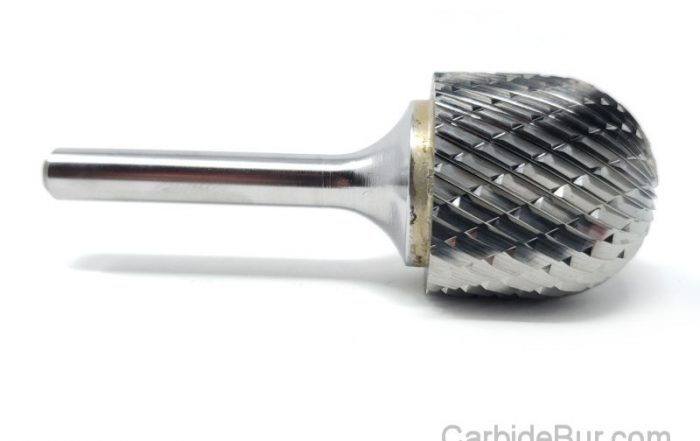
How to Choose the Correct Carbide Burr Shank Size
How to Choose the Correct Carbide Burr Shank Size Many machinists lose hours troubleshooting tool issues caused by the wrong carbide burr shank size. Using a shank that doesn’t fit your grinder can lead to [...]
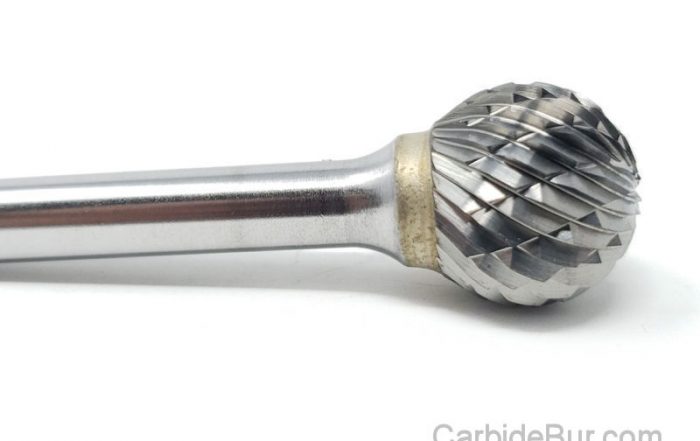
How to Remove Casting Flash With a Carbide Burr
How to Remove Casting Flash With a Carbide Burr Casting flash ruins the look and fit of your metal parts. You’ve tried sanding or grinding, but the results aren’t clean or fast enough. Learning how [...]
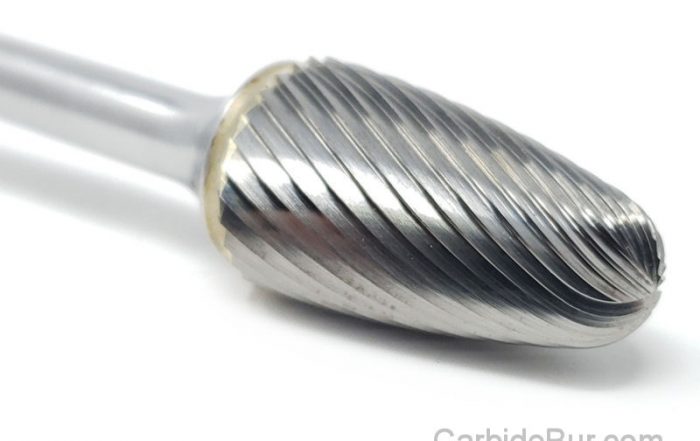
Best Carbide Burr for Enlarging a Hole in Metal
Best Carbide Burr for Enlarging a Hole in Metal When you need to enlarge a hole in metal, grabbing the wrong carbide burr can turn a simple task into a frustrating mess. Picking the best [...]
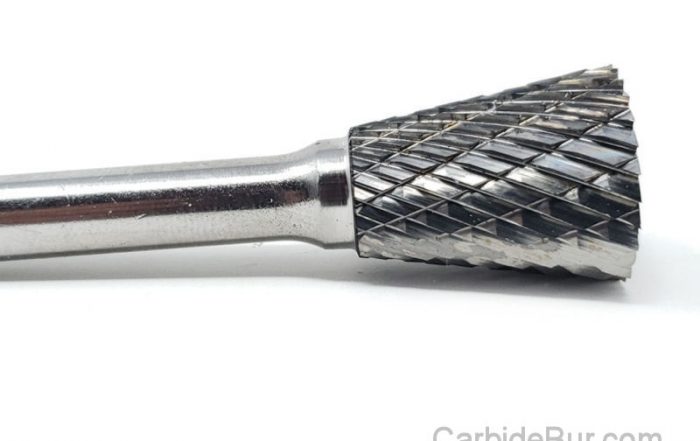
Carbide Burr Safety: 15 Mistakes That Can Cause Injury or Damage
Carbide Burr Safety: 15 Mistakes That Can Cause Injury or Damage Carbide burr safety is often overlooked until a costly mistake happens. Many metalworkers and DIYers make the same errors that lead to injuries or [...]
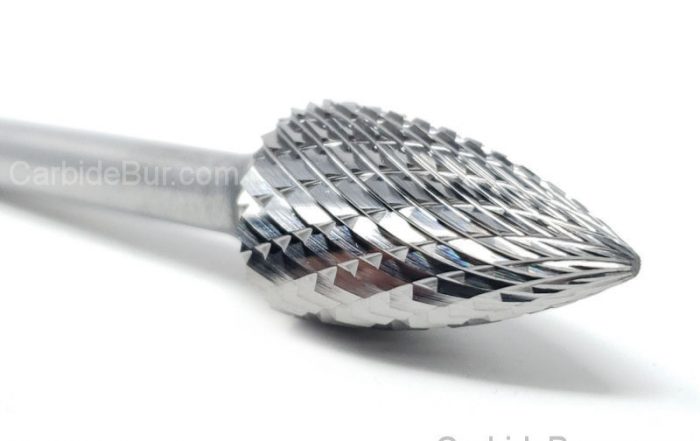
Can You Use a Carbide Burr in a Drill?
Can You Use a Carbide Burr in a Drill? Most people think a standard drill can’t handle a carbide burr, but that’s not true. Using carbide burr in the right drill can speed up your [...]
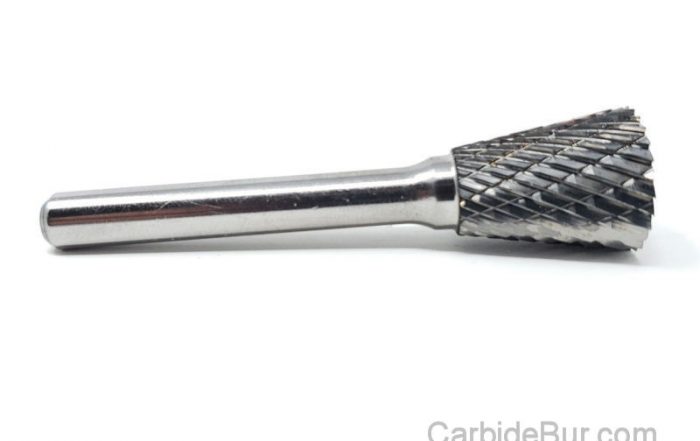
Carbide Burrs for Removing Rust: What Works Best?
Carbide Burrs for Removing Rust: What Works Best? Rust can turn your favorite tools into useless junk faster than you expect. Removing it without ruining the metal underneath takes more than just elbow grease—it demands [...]
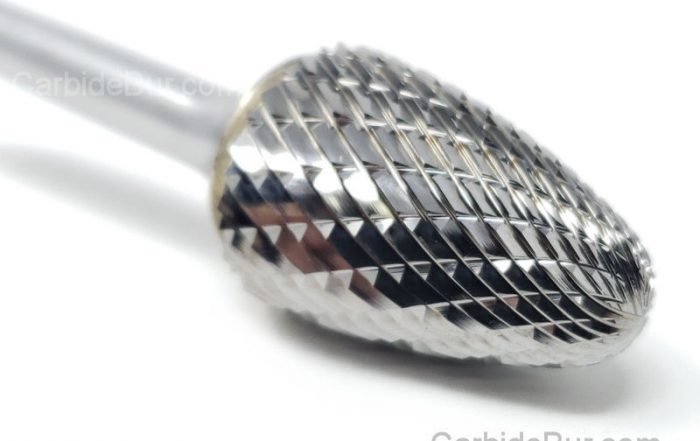
How Much Pressure Should You Use With a Carbide Burr?
How Much Pressure Should You Use With a Carbide Burr? Most people think pressing harder with a carbide burr speeds up the job. That’s not true—too much pressure wears out your tool and ruins the [...]
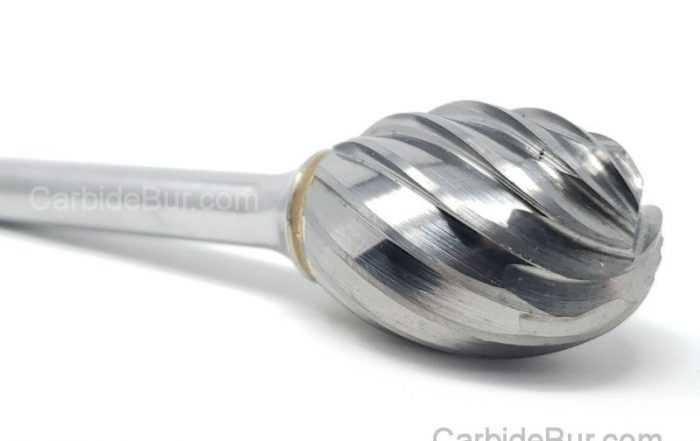
Can You Use Carbide Burrs With an Air Die Grinder?
Can You Use Carbide Burrs With an Air Die Grinder? Most people don’t realize how well carbide burrs work with air die grinders until they try them. If you’ve ever struggled with finding the right [...]
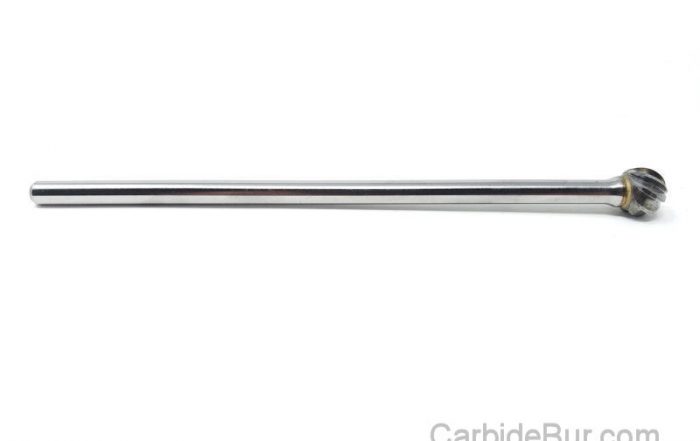
Best Long Reach Carbide Burr for Deep Metal Work
Best Long Reach Carbide Burr for Deep Metal Work Long reach carbide burrs often promise deep metal access, but many fall short where it counts most. You need a tool that cuts cleanly, lasts through [...]
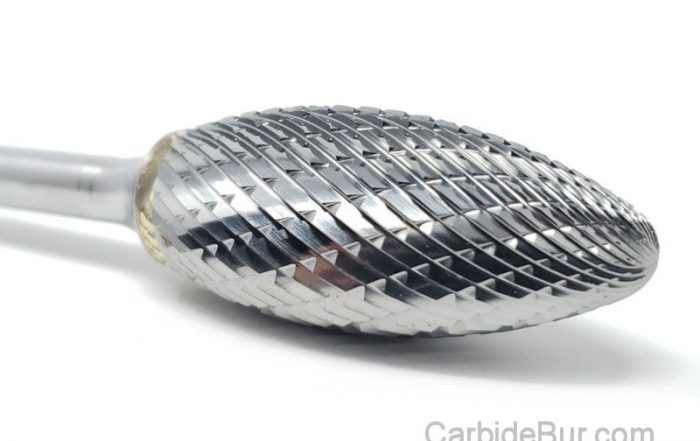
What RPM Should You Use for a 1/8 Inch Carbide Burr?
What RPM Should You Use for a 1/8 Inch Carbide Burr? Most people guess the right carbide burr RPM by feel—and waste hours redoing work. If you want cleaner cuts and longer tool life, your [...]
