
Keep Your Carbide Burrs Running Smooth: Essential Metalworking Tips for Aluminum
Clogged carbide burrs slow down your aluminum machining and wreck your finish. You’ve probably tried pushing harder or changing speeds, only to see the same mess. This guide shares metalworking tips on tool selection, feed rates, and lubricants for tools that keep your carbide burrs cutting clean and lasting longer. For more details, explore this resource.
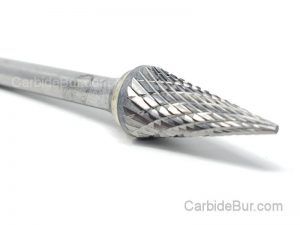
Click here for our entire selection of carbide bur tools
Proper Tool Selection
Choosing the right tools sets the stage for successful machining. Let’s dive into how you can pick the best carbide burrs to avoid clogging and get a cleaner cut.
Choosing the Right Carbide Burr
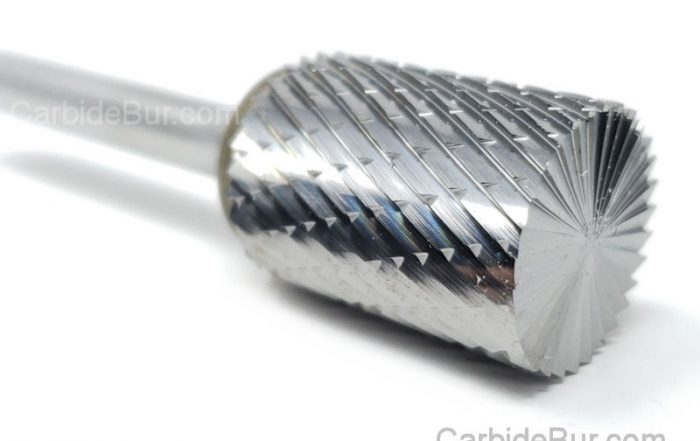
Picking the correct carbide burr means understanding the material you’re working with. Aluminum is soft, so you need a burr with a specific design to prevent clogging. Look for burrs with fewer flutes as they allow larger chips to be removed, reducing the chance of clogging. Brands like Carbide Burr offer a variety of designs specifically for aluminum.
Benefits of Tungsten Carbide Burrs
Tungsten carbide burrs are known for their hardness and durability. They last longer and cut more efficiently than other materials. For aluminum, they provide a smoother finish and maintain their edge longer, reducing downtime. Most professionals rely on these burrs because they stand up to the demands of metalworking. This makes them a popular choice among seasoned metalworkers.
Carbide Burr Set Essentials
A complete carbide burr set offers versatility. You want a set with multiple shapes and sizes to handle different tasks. A well-chosen set saves you time and effort, allowing you to switch tools effortlessly. By having the right tools at hand, you reduce the risk of damage to your workpiece and keep your processes smooth.
Optimal Feed Rates
Getting feed rates right is crucial for clog-free machining. Learn how to adjust your feed rates to keep aluminum machining efficient.
Understanding Feed Rate Impact
The impact of feed rates on machining is significant. Too fast, and you risk damaging the tool; too slow, and you may not cut efficiently. Proper feed rates ensure clean cuts and prevent tool wear. Generally, a slower feed rate allows for smoother operations and minimizes the risk of clogging.
Adjusting for Aluminum Machining
When working with aluminum machining, adjusting your feed rate is essential. Start with a moderate speed and adjust based on the material’s response. Aluminum’s softness means it can clog easily if the rate is too high. Watching the chips can guide you—if they’re too small, increase the feed rate slightly.
Avoiding Common Mistakes
One common mistake is using the same settings for different materials. Each metal has unique properties, so adapt your approach. Also, ensure your tools are sharp and well-maintained. Dull tools will increase the likelihood of clogging and produce poor finishes. Visit Speed-Talk Forum for discussions on avoiding such pitfalls.
Using Lubricants for Tools
Lubrication is the unsung hero of metalworking. Discover how it enhances tool performance and longevity.
Importance of Lubrication
Lubrication reduces friction, prevents overheating, and helps carry away chips. It’s vital for maintaining clean cuts and prolonging tool life. By using the right lubricant, you minimize resistance and enhance performance. This simple step can lead to significant improvements in your machining process.
Recommended Lubricants for Aluminum
For aluminum, not every lubricant will do. Choose ones designed for aluminum to prevent reaction and ensure efficiency. Products like cutting oils or sprays are commonly recommended. Regular application is key to keeping tools in top condition and preventing aluminum build-up.
Extending Tool Lifespan Through Lubrication
Proper lubrication extends the lifespan of your tools. Consistent use of lubricants reduces wear and tear, saving you money in the long run. By investing in quality lubricants, you can keep your tools running smoothly and your projects on track.
With these tips, you’re equipped to tackle aluminum machining with confidence. The right tools, feed rates, and lubricants make all the difference. Stay ahead by keeping your carbide burrs clean and efficient.
Click here for our entire selection of carbide bur tools
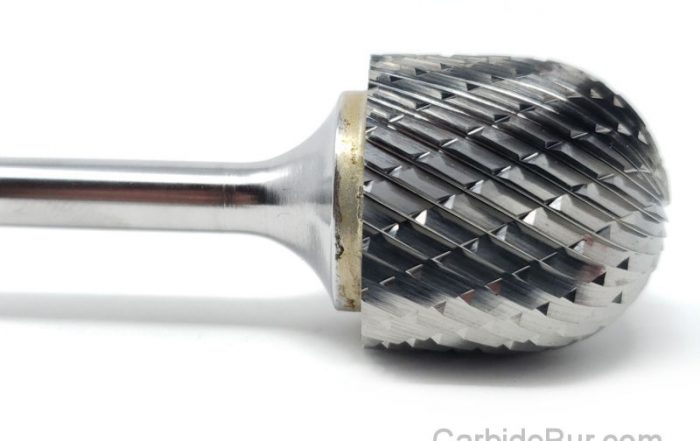
Are Expensive Carbide Burrs Worth It? Comparing Price and Performance
Are Expensive Carbide Burrs Worth It? Comparing Price and Performance When shopping for carbide burrs, it's easy to assume that the cheapest option saves money. But if you use rotary cutting tools regularly for welding, [...]
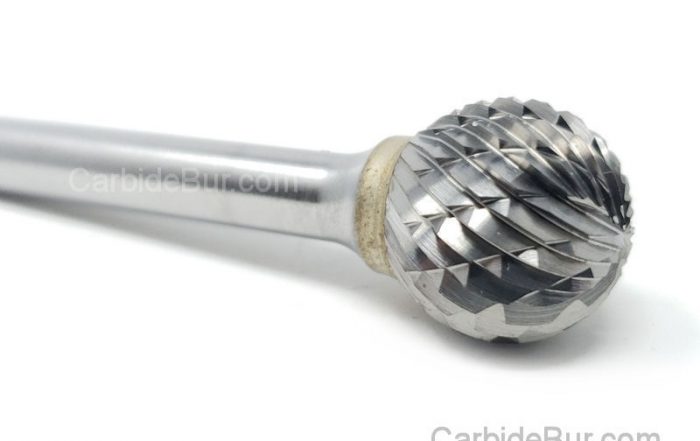
Carbide Burr vs. Grinding Stone: Which Is Better for Metal Removal?
Carbide Burr vs. Grinding Stone: Which Is Better for Metal Removal? When you need to remove metal, smooth a rough edge, or shape a metal component, two common options are carbide burrs and grinding stones. [...]
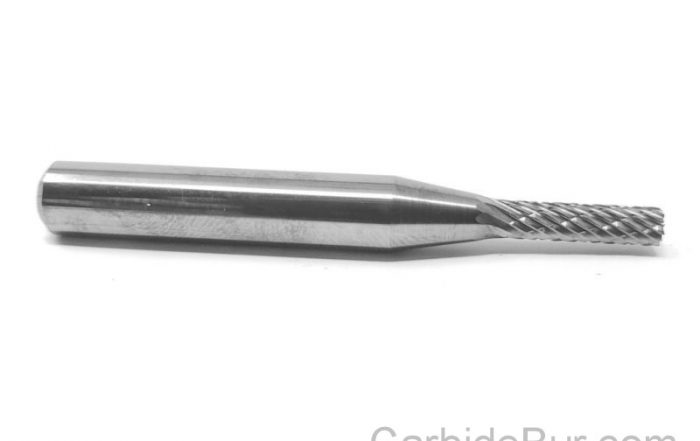
Carbide Burr Safety: RPM, Eye Protection, and Common Mistakes
Carbide Burr Safety: RPM, Eye Protection, and Common Mistakes Carbide burrs are versatile cutting tools used for metal fabrication, welding cleanup, engine porting, deburring, and general material removal. When used correctly, they can help remove [...]
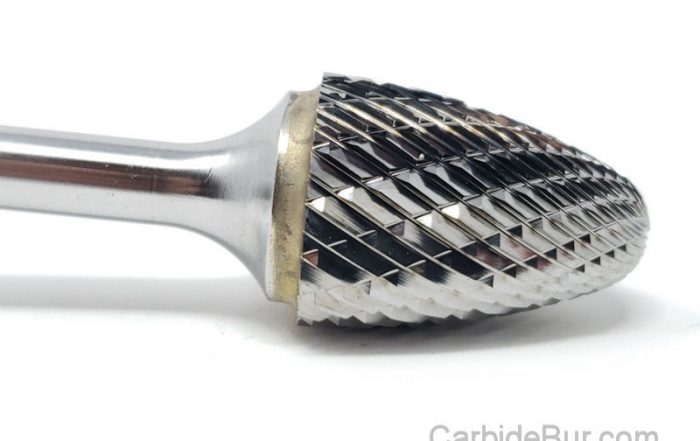
How to Stop Aluminum from Clogging Your Carbide Burr
How to Stop Aluminum from Clogging Your Carbide Burr Aluminum is widely used in automotive work, welding, metal fabrication, aerospace components, and general machining. It is lightweight, relatively easy to machine, and versatile across many [...]
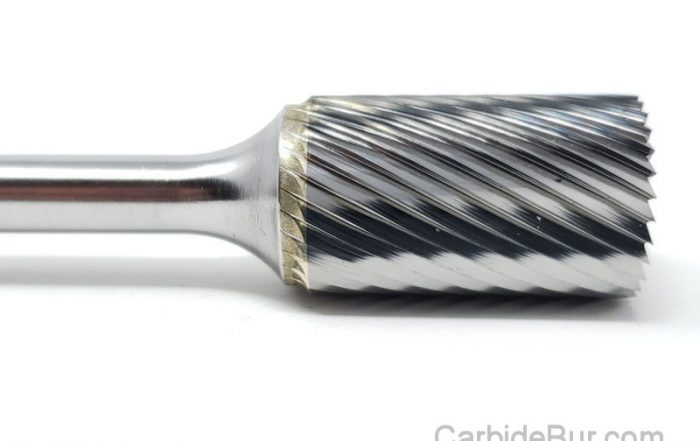
Carbide Burrs for Intake Manifolds: Shaping, Cleanup, and Fitment
Carbide Burrs for Intake Manifolds: Shaping, Cleanup, and Fitment Intake manifold work often involves more than simply bolting a component onto an engine. Depending on the application, metal intake components may have casting irregularities, rough [...]
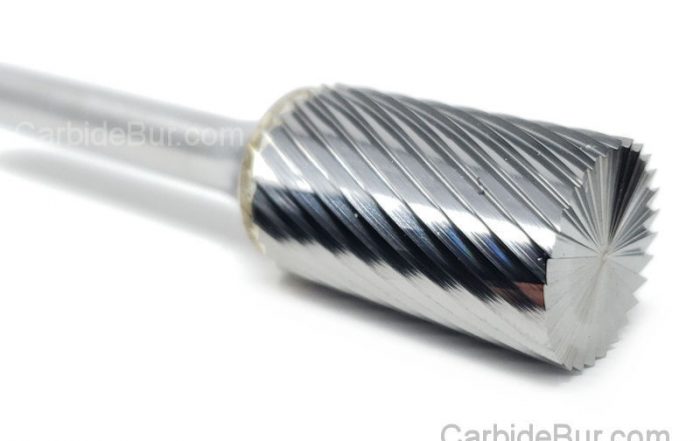
Why Long-Shank Carbide Burrs Are Useful for Hard-to-Reach Areas
Why Long-Shank Carbide Burrs Are Useful for Hard-to-Reach Areas When working on metal parts, the area that needs grinding or shaping is not always easy to reach. Recessed openings, deep cavities, interior surfaces, and complicated [...]
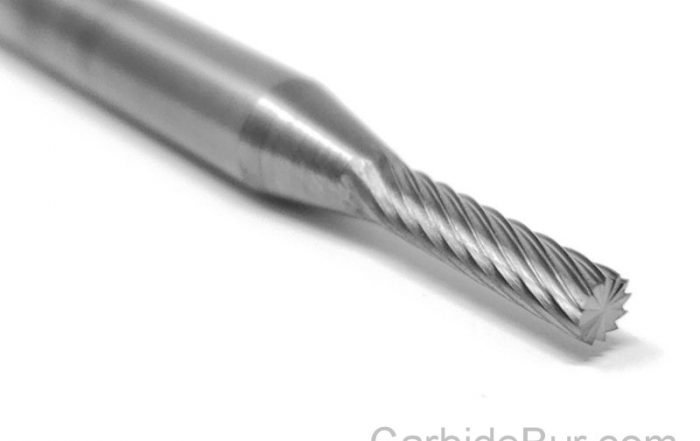
Choosing Carbide Burrs for Stainless Steel Fabrication
Choosing Carbide Burrs for Stainless Steel Fabrication Stainless steel is widely used in fabrication because of its corrosion resistance, strength, and durability. However, those same properties can make it challenging to machine and finish. Removing [...]
Can You Use Carbide Burrs in a Dremel? Shank Sizes Explained
Can You Use Carbide Burrs in a Dremel? Shank Sizes Explained If you use a Dremel or another rotary tool for detail work, metal shaping, or small fabrication projects, you may wonder whether you can [...]
How to Choose the Best Carbide Burr for Welding and Metal Fabrication
How to Choose the Best Carbide Burr for Welding and Metal Fabrication Welding and metal fabrication often require more than joining two pieces of metal together. Once the welding is finished, fabricators frequently need to [...]
Carbide Burrs for Cylinder Heads: What Automotive Enthusiasts Need to Know
Carbide Burrs for Cylinder Heads: What Automotive Enthusiasts Need to Know Cylinder head work is an important part of engine building, restoration, and performance machining. Whether you are cleaning up casting imperfections, refining port surfaces, [...]
Engine Porting 101: How Carbide Burrs Help Shape Cylinder Head Ports
Engine Porting 101: How Carbide Burrs Help Shape Cylinder Head Ports Engine performance enthusiasts, automotive machinists, and engine builders often look for ways to improve airflow through an engine's cylinder heads. One technique used in [...]
When to Use a 4-Inch or 9-Inch Die Grinder Extension
When to Use a 4-Inch or 9-Inch Die Grinder Extension Metal fabrication, welding, automotive repair, and engine building often require working in places where a standard die grinder and carbide burr cannot easily reach. Recessed [...]
