
Master Your Projects: How to Choose Between Single Cut and Double Cut Carbide Burrs
Picking the wrong carbide burr can turn a simple project into a frustrating mess. You’ve got single cut burrs and double cut burrs staring back at you—so which burr to use? This carbide burr comparison breaks down the key differences and shows you the best burrs for metal, wood, and plastic, helping you get the job done right every time. Learn more here.
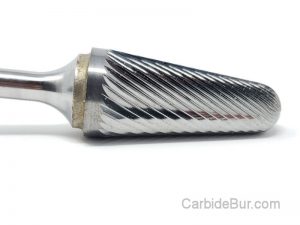
Find more information at CarbideBur.com
Understanding Carbide Burrs
Choosing the right burr can make or break your project. Let’s dive into the world of carbide burrs to see how you can make the best choice.
Single Cut vs. Double Cut
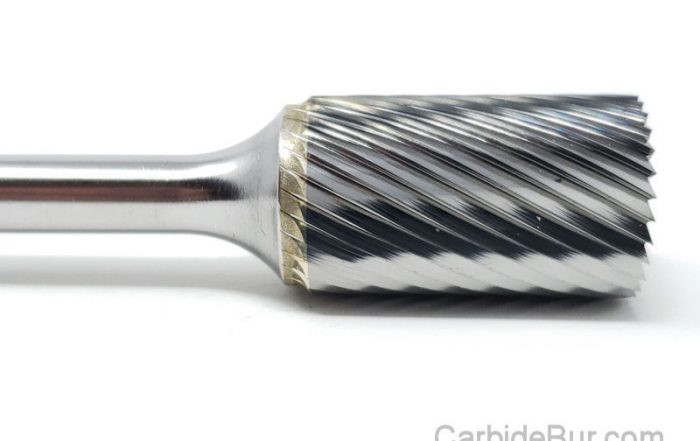
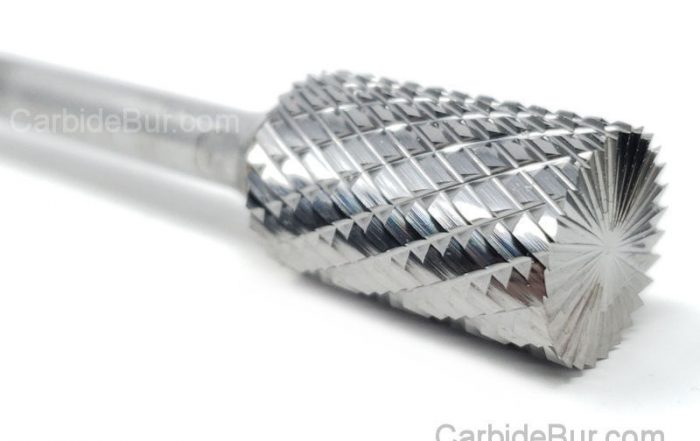
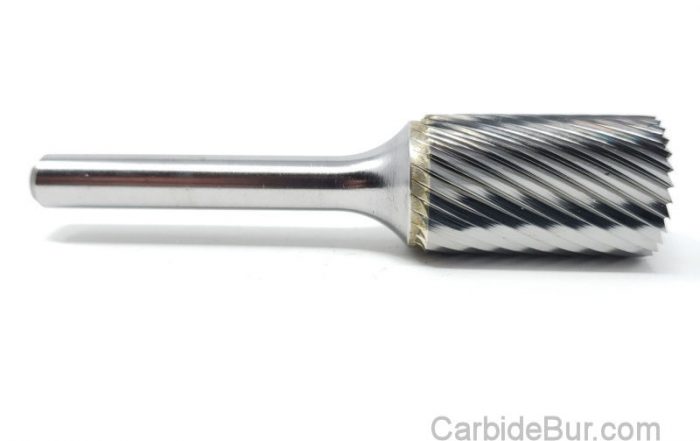
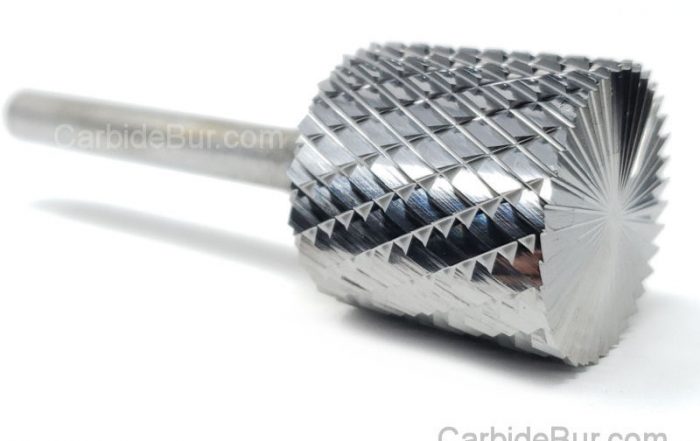
When you look at single cut burrs and double cut burrs, they may seem identical, but they’re designed for different tasks. Single cut burrs have a single line of flutes running in one direction. They are perfect for materials that require a rough finish. On the other hand, double cut burrs have two sets of flutes, intersecting each other, which makes them ideal for smoother finishes and finer cuts. This difference ensures you get the right texture and finish for your project.
Using a single cut burr means you’ll be removing material quickly. These burrs are your go-to option for metal tasks where speed is crucial. In contrast, double cut burrs offer more control, making them suitable for detailed work. When precision is key, such as in woodworking or plastic tasks, double cut burrs are your best friend.
Key Differences Explained
Understanding the key differences between these burrs can save you time and effort. Single cut burrs are great for fast stock removal. They run cooler, which helps extend their life. This makes them a reliable choice for heavy-duty tasks where speed is crucial.
Double cut burrs, however, are excellent for achieving a smooth finish. They reduce chips, making cleanup easier and leaving surfaces more refined. Additionally, they vibrate less, which can be gentler on your hands over time. For tasks that require a polished touch, double cut burrs shine.
Choosing the Right Burr
Selecting the right burr depends on your project needs. If you’re working on a tough metal project where speed is important, single cut burrs will serve you well. They chew through material rapidly, getting the job done efficiently.
For intricate projects where detail is important, double cut burrs should be your choice. They offer a smoother finish and are perfect for precision work. Whether you’re crafting wood or shaping plastic, double cut burrs provide the control and finesse needed.
When to Use Each Burr
Knowing when to use each burr can improve your work quality and efficiency. Let’s explore the best scenarios for each type.
Best Uses for Single Cut Burrs
Single cut burrs excel in applications where quick material removal is vital. They are ideal for heavy metal work. If you’re grinding down welds or tackling a project with thick steel, these burrs are your allies. They cut faster and leave a coarse finish, which might be just what you need for tough jobs.
These burrs also handle heat well, so they last longer during intense tasks. Their design helps reduce clogging, making them perfect for removing large chunks of material swiftly. When it’s about speed and strength, single cut burrs won’t let you down.
Ideal Applications for Double Cut Burrs
Double cut burrs are perfect for tasks requiring a smooth finish and precision. They are suitable for detailed metal work, where removing small amounts of material is key. These burrs also work wonders on wood and plastic, providing a fine finish with minimal fuss.
Their unique flute design reduces tool chatter, giving you greater control over your work. If your project involves intricate patterns or delicate materials, double cut burrs will help you achieve the perfect result.
Which Burr to Use for Projects
Deciding which burr to use can be simplified by considering your project’s demands. For quick, rough cuts and rapid stock removal, reach for single cut burrs. They are your best bet for heavy-duty tasks where time is of the essence.
For projects that require a fine finish and detailed work, double cut burrs are ideal. They offer precision and control, making them invaluable for detailed craftsmanship. Assess your project’s needs, and choose the burr that aligns with your goals.
Find more information at CarbideBur.com
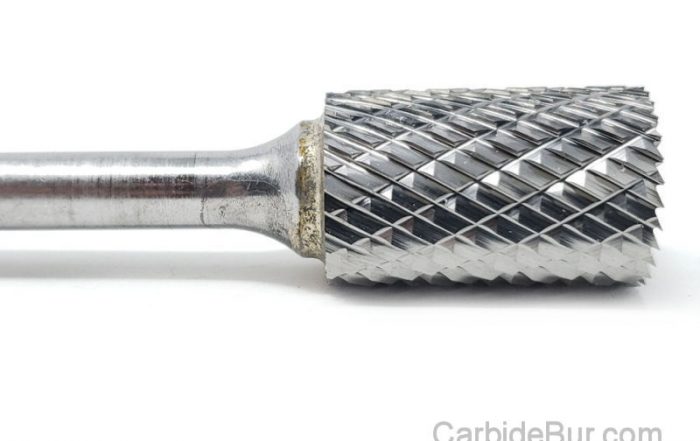
Unveiling the Secrets of Burr Cutting Efficiency: Double-Cut or Single-Cut?
Unveiling the Secrets of Burr Cutting Efficiency: Double-Cut or Single-Cut? Most metalworkers hit a wall choosing between double-cut carbide burrs and single-cut carbide burrs. Picking the wrong one can slow your work or wear your [...]
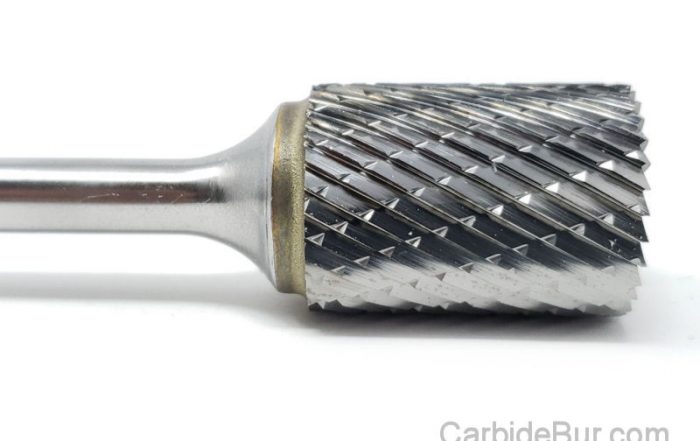
How Specialized Carbide Burrs Are Revolutionizing Aluminum Fabrication for Cleaner Cuts
How Specialized Carbide Burrs Are Revolutionizing Aluminum Fabrication for Cleaner Cuts Most aluminum fabricators still wrestle with rough edges and extra cleanup after machining. Those extra steps cost you time and eat into your profits. [...]
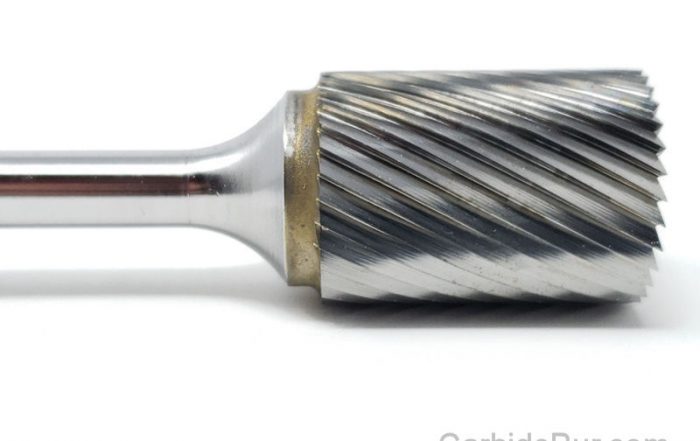
U.S. Manufacturing Reshoring: The Role of Domestic Tool Suppliers in 2026
U.S. Manufacturing Reshoring: The Role of Domestic Tool Suppliers in 2026 U.S. manufacturing is shifting closer to home faster than many expected. By 2026, reshoring trends are reshaping how supply chains function, with domestic tool [...]
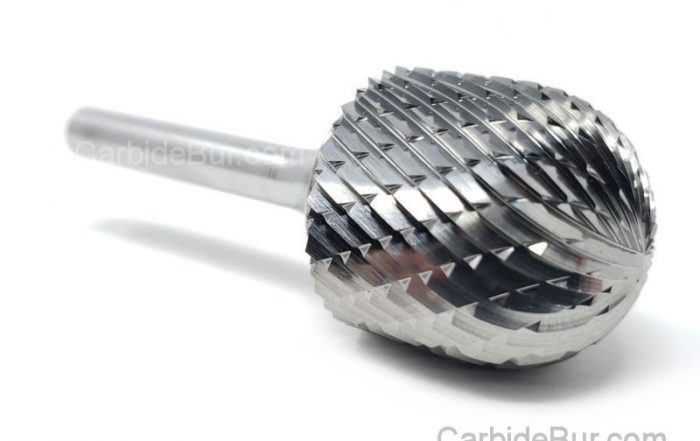
From Casting Flash to Weld Blending: Essential Techniques for 2026
From Casting Flash to Weld Blending: Essential Techniques for 2026 Forget the old ways of finishing parts in automotive production. As electric vehicles and autonomous vehicle production grow, the need for precise deburring processes and [...]
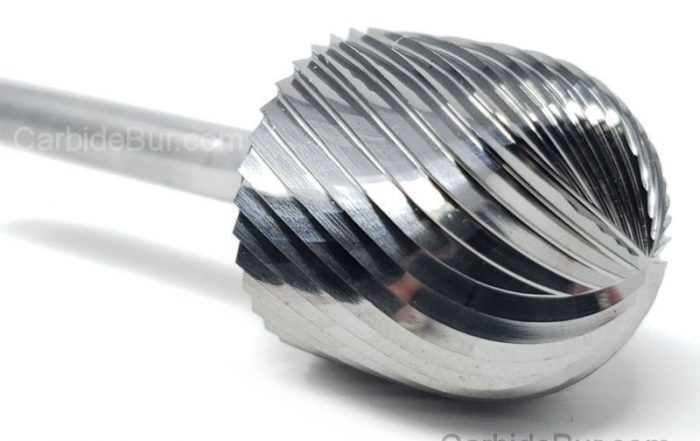
Understanding the Surge in Cutting Tool Costs and Effective Waste Reduction in Machining
Understanding the Surge in Cutting Tool Costs and Effective Waste Reduction in Machining Cutting tool costs have jumped noticeably in recent years, squeezing machine shop budgets tighter than ever. Raw material scarcity and supply chain [...]
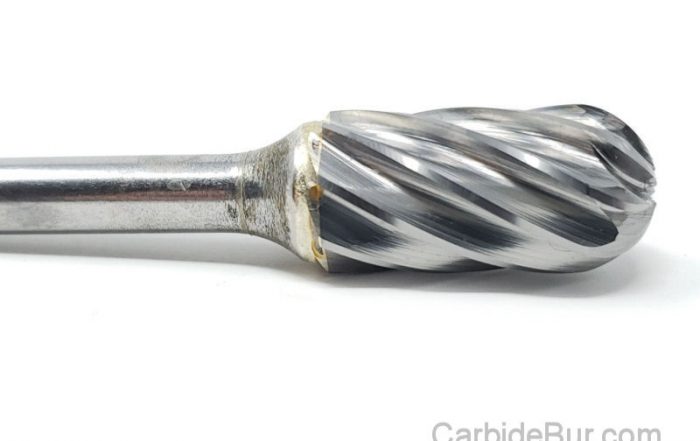
Choosing the Right Carbide Burr Shape for Your Metalworking Projects
Choosing the Right Carbide Burr Shape for Your Metalworking Projects You might think all carbide burr shapes do the same job, but that’s far from true. Choosing the wrong shape can waste time and leave [...]
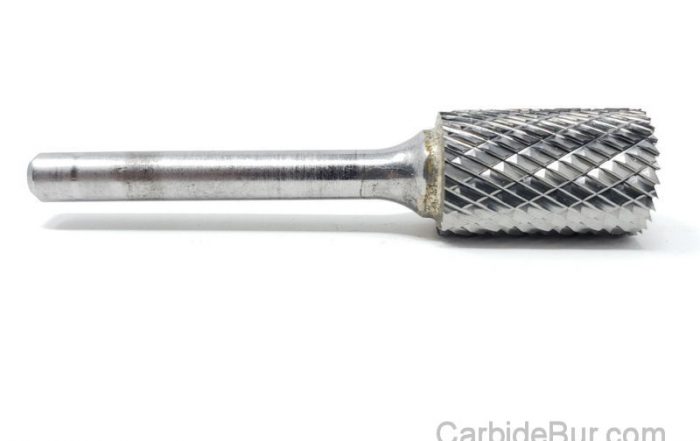
U.S. Cutting Tool Shipments Reach New Heights
U.S. Cutting Tool Shipments Reach New Heights: What It Means for Manufacturing Professionals U.S. cutting tool shipments soared to $278.1 million in July 2026, marking a 29% jump from last year. If you’re in fabrication [...]
How 3D-Printed Carbide is Redefining Precision Toolmaking with Kennametal’s Latest Technology
How 3D-Printed Carbide is Redefining Precision Toolmaking with Kennametal's Latest Technology Custom hole-finishing tools have long faced limits in design and cooling options that hold back their performance. Kennametal’s new 3D-printed carbide grade changes that [...]

The Future of Additive Manufacturing in Aerospace and Automotive Industries
The Future of Additive Manufacturing in Aerospace and Automotive Industries Metal 3D printing is no longer just a concept for prototypes; it’s scaling up fast in aerospace and automotive fields. But raw prints don’t meet [...]
Navigating the Tungsten Carbide Shortage
Navigating the Tungsten Carbide Shortage: Strategies for Metalworkers in 2026 The tungsten carbide shortage in 2026 is hitting metalworkers hard, pushing tool prices higher and supply tighter than most expected. If you’ve noticed your carbide [...]
How Export Controls and Tungsten Processing Impact Carbide Production
How Export Controls and Tungsten Processing Impact Carbide Production Tungsten supply issues are hitting carbide tool manufacturing harder than ever before. Export controls and shifts in tungsten processing have tightened availability, stretching manufacturing lead times [...]
From Alloys to Automation: Mastering CNC Machining for Speed and Accuracy
From Alloys to Automation: Mastering CNC Machining for Speed and Accuracy The old ways of machining can’t keep up with today’s demands for speed and precision. You’re working with tougher alloys and expecting flawless results [...]
