
Why Carbide Burrs Outshine Grinding Wheels in Woodworking and Metalworking
Grinding wheels have long been the go-to for shaping metal and wood, but they often fall short when precision work is on the line. If you’re tired of rough finishes or losing control on detailed projects, it’s time to consider carbide burrs. These manufacturing tools offer a level of accuracy and versatility that grinding wheels can’t match, especially in metalworking and woodworking. Let’s break down why carbide burrs stand out in this tool comparison and how they can sharpen your craft. For more insights, check out this link.
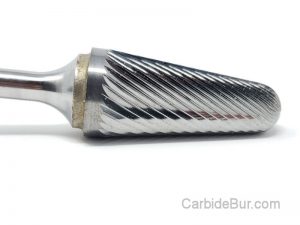
Find more information at CarbideBur.com
Precision Work with Carbide Burrs
Let’s dive into how carbide burrs can transform your craft with precision and control, moving beyond the limitations of traditional tools.
Superior Control and Versatility
Carbide burrs give you unmatched control over your projects. These tools allow for detailed, intricate work without sacrificing speed or accuracy. Imagine shaping a delicate piece of wood or metal with ease, knowing that your tool won’t slip or cause damage. Each cut is smooth, giving you the exact finish you envision. This precision is crucial in woodworking and metalworking where every detail counts.
Versatility is another key factor. Whether you’re a hobbyist or a professional, you’ll find that carbide burrs handle various materials effortlessly. From soft woods to hard metals, these tools adapt to your needs. They are perfect for projects that require different shapes and sizes, offering a range of options to suit your creative vision. You can find more about their versatility here.
Enhanced Tool Longevity
In addition to control, carbide burrs boast impressive durability. Unlike grinding wheels, these tools are built to last, saving you time and money in the long run. Their robust construction withstands wear and tear, making them a wise investment for anyone serious about their craft. You won’t need to replace them as often as other tools, which means more time working on your projects and less time shopping for replacements.
Durability also means consistent performance. With carbide burrs, you can expect reliable results every time you use them. This consistency is vital for maintaining the quality of your work, ensuring each piece meets your high standards. When your tools last longer, you have more opportunities to refine your skills and tackle new challenges.
Comparing Manufacturing Tools
To choose the right tool for your needs, it’s essential to understand the differences in tools and how they perform in various tasks.
Key Differences in Burr Types
Carbide burrs come in various types, each designed for specific tasks. From single-cut to double-cut, each style offers unique benefits. Single-cut burrs are ideal for heavy material removal, while double-cut burrs provide a smoother finish. Understanding these differences helps you select the right tool for your project.
Choosing the correct type can significantly impact your work’s outcome. For instance, using a fine-grit burr for finishing can achieve the desired smoothness without additional polishing. This selection process is crucial for efficiency and precision, ensuring your efforts yield the best results. Learn more about different burr types here.
Efficiency in Woodworking and Metalworking
Efficiency is paramount in both woodworking and metalworking, where time is valuable. Carbide burrs shine in these areas by providing quick and precise results. The sharp cutting edges reduce the time spent on each project, allowing you to complete work faster without compromising quality.
In woodworking, for instance, using carbide burrs can streamline the shaping process, letting you focus on the creative aspects of your craft. Similarly, in metalworking, these tools ensure clean cuts and smooth finishes, elevating the overall quality of your projects.
Choosing the Right Tool for You
Selecting the perfect tool involves more than just understanding the options; it requires knowing your specific needs and goals.
Factors Influencing Tool Comparison
When comparing tools, consider factors like the material you’re working with and the desired finish. Think about the complexity of your projects and the level of detail required. These considerations will guide you in choosing the tool that best suits your needs.
Budget is another factor. While carbide burrs may have a higher upfront cost, their longevity and efficiency make them a cost-effective choice over time. Weighing these factors ensures you make an informed decision that benefits your work in the long run.
Empowering Your Craftsmanship
Ultimately, your choice of tools should empower your craftsmanship. Carbide burrs not only enhance your projects but also boost your confidence and skills. Knowing you have reliable, precise tools at your disposal allows you to push your creative boundaries.
With the right tools, you can tackle more challenging projects and achieve the results you desire. Carbide burrs open new possibilities, turning your visions into reality with precision and ease. Embrace these tools and watch your craftsmanship soar to new heights.
In conclusion, carbide burrs offer unparalleled precision, control, and durability. They are a game-changer for anyone involved in woodworking and metalworking, providing the tools needed to excel in your craft.
Find more information at CarbideBur.com
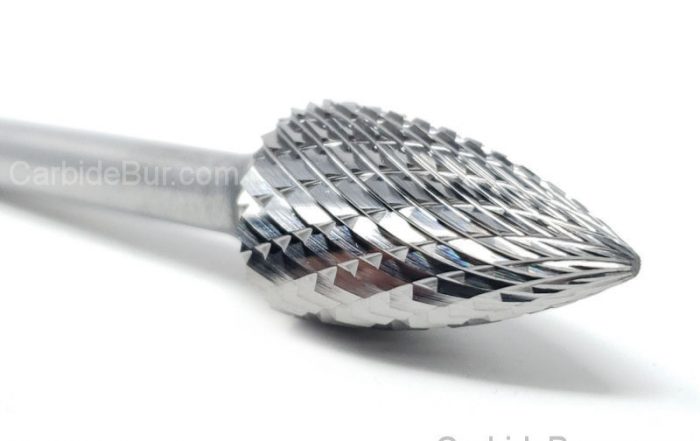
Can You Use a Carbide Burr in a Drill?
Can You Use a Carbide Burr in a Drill? Most people think a standard drill can’t handle a carbide burr, but that’s not true. Using carbide burr in the right drill can speed up your [...]
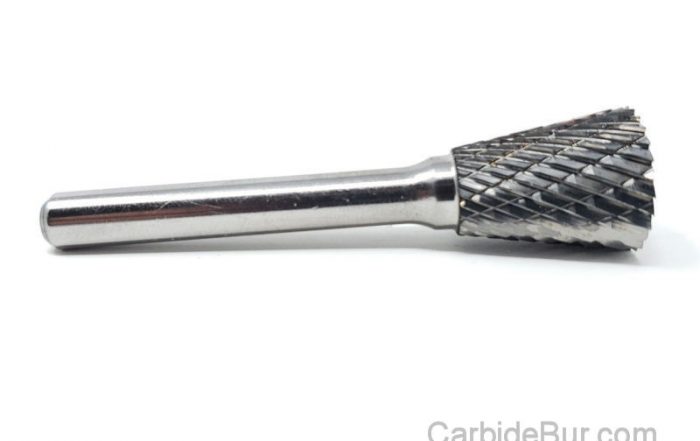
Carbide Burrs for Removing Rust: What Works Best?
Carbide Burrs for Removing Rust: What Works Best? Rust can turn your favorite tools into useless junk faster than you expect. Removing it without ruining the metal underneath takes more than just elbow grease—it demands [...]
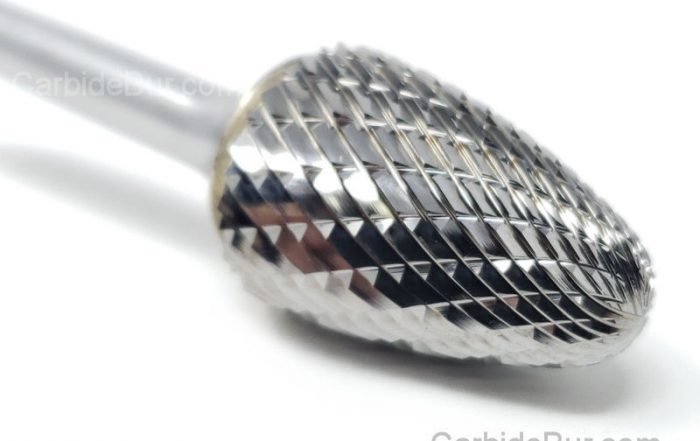
How Much Pressure Should You Use With a Carbide Burr?
How Much Pressure Should You Use With a Carbide Burr? Most people think pressing harder with a carbide burr speeds up the job. That’s not true—too much pressure wears out your tool and ruins the [...]
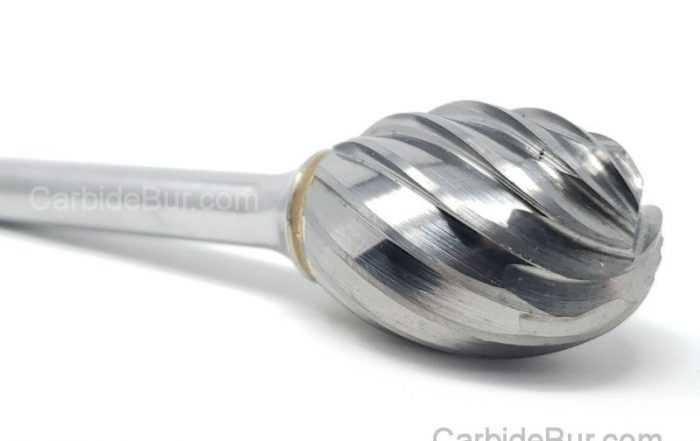
Can You Use Carbide Burrs With an Air Die Grinder?
Can You Use Carbide Burrs With an Air Die Grinder? Most people don’t realize how well carbide burrs work with air die grinders until they try them. If you’ve ever struggled with finding the right [...]
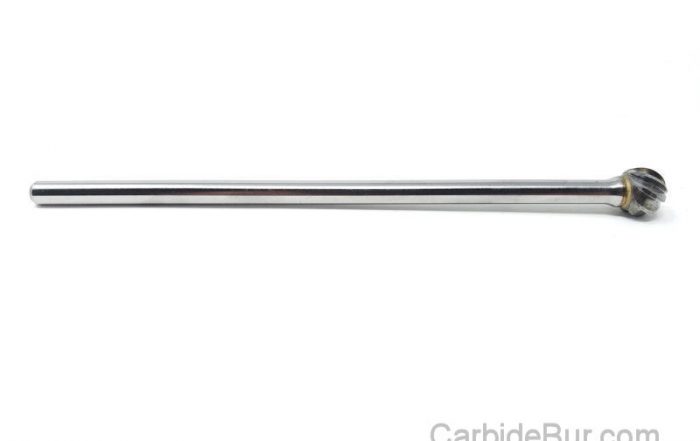
Best Long Reach Carbide Burr for Deep Metal Work
Best Long Reach Carbide Burr for Deep Metal Work Long reach carbide burrs often promise deep metal access, but many fall short where it counts most. You need a tool that cuts cleanly, lasts through [...]
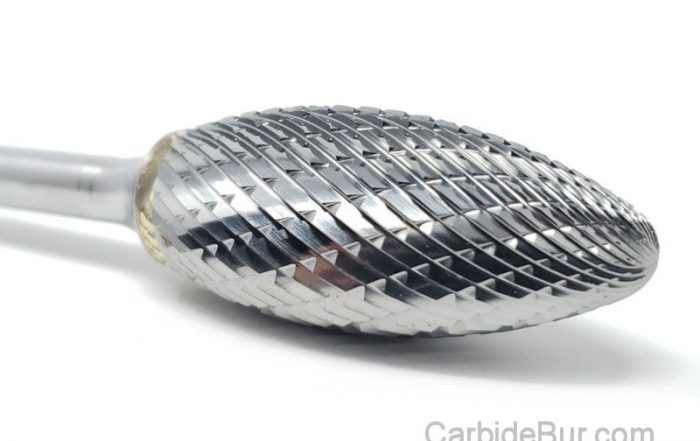
What RPM Should You Use for a 1/8 Inch Carbide Burr?
What RPM Should You Use for a 1/8 Inch Carbide Burr? Most people guess the right carbide burr RPM by feel—and waste hours redoing work. If you want cleaner cuts and longer tool life, your [...]
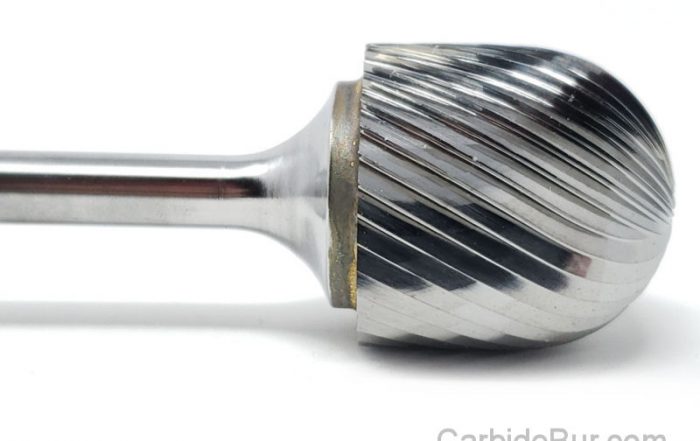
Carbide Burrs for Tight Spaces: Choosing the Right Shape
Carbide Burrs for Tight Spaces: Choosing the Right Shape Tackling tight spaces with the wrong carbide burrs wastes time and risks damaging your work. Choosing the right burr shape makes all the difference when working [...]
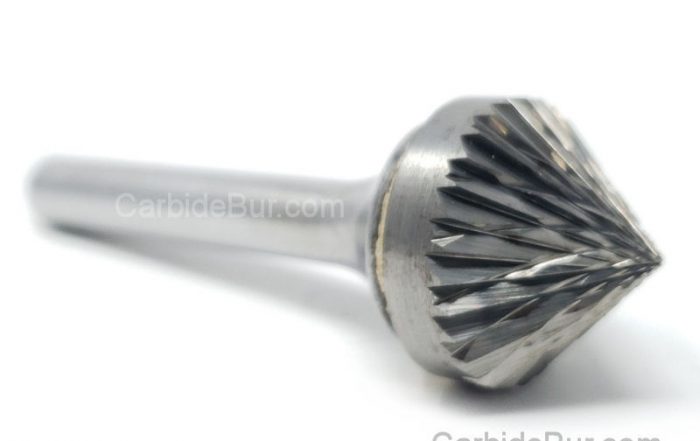
Can Carbide Burrs Remove Paint From Metal?
Can Carbide Burrs Remove Paint From Metal? Stripping paint from metal often feels like a tough chore that risks damaging the surface underneath. Many turn to carbide burrs hoping they can speed things up without [...]
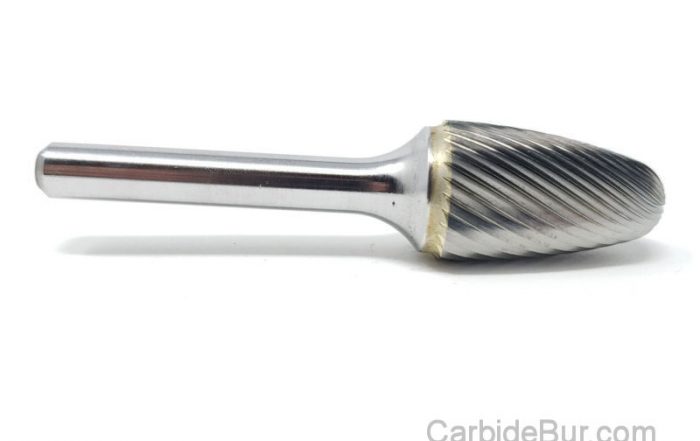
How to Grind a Groove in Metal With a Carbide Burr
How to Grind a Groove in Metal With a Carbide Burr Most metalworkers struggle to cut clean grooves without wasting time or ruining their workpiece. Many try different metalworking tools but end up with uneven [...]
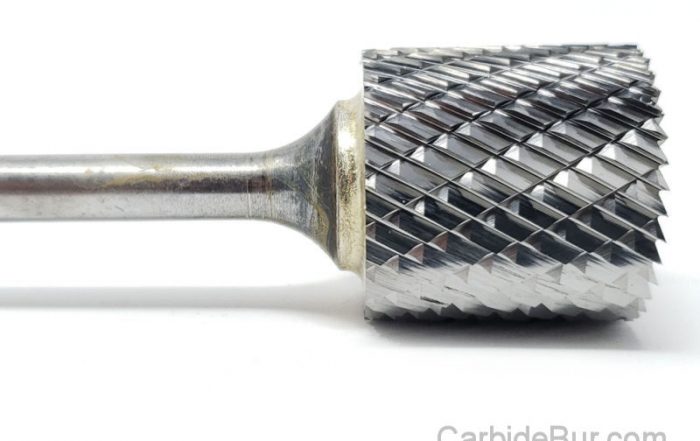
Can Carbide Burrs Cut Through Welds?
Can Carbide Burrs Cut Through Welds? Cutting through welds can feel like a battle, especially when you need clean results without harming the base metal. Carbide burrs offer a sharp edge in this fight, but [...]
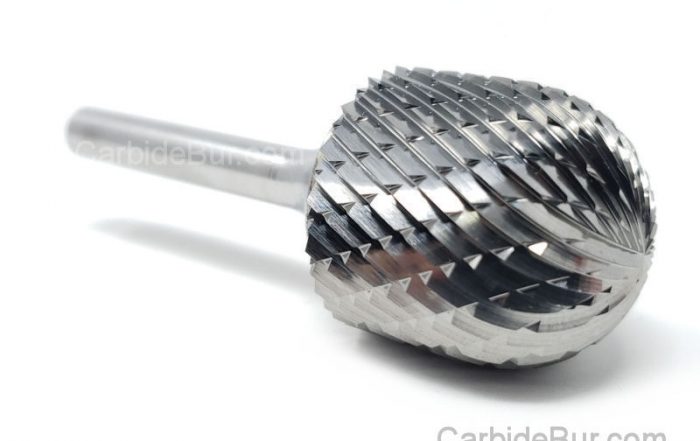
How to Use a Carbide Burr With a Die Grinder
How to Use a Carbide Burr With a Die Grinder Most people treat a carbide burr like just another tool, but using it with a die grinder takes skill. If you’ve struggled with burr installation [...]
1/8 vs 1/4 Inch Carbide Burrs: What’s the Difference?
1/8 vs 1/4 Inch Carbide Burrs: What's the Difference? Choosing between a 1/8 inch carbide burr and a 1/4 inch carbide burr can change how your project turns out. Many machinists and hobbyists overlook how [...]
