
Unleash Your Creativity: Top Die Grinders for Precision Grinding and Carving
Most die grinders struggle to handle carbide burrs without losing power or precision. If you’ve been frustrated by shaky control or slow speeds, you’re not alone. This guide breaks down the best die grinder options built for smooth carving, grinding, and polishing with carbide burrs, focusing on motor type, RPM capabilities, and comfort. Keep reading to find the right metalworking tool that fits your needs and delivers consistent results every time. For more insights, you can check out this link.
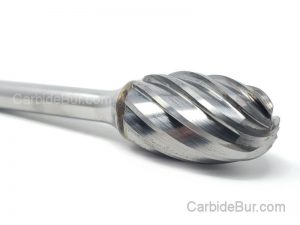
Which carbide bur tool works best for your job?
Choosing the Right Die Grinder
Finding the perfect die grinder begins with understanding your needs and the features that matter most. Let’s dive into what makes a die grinder stand out.
Key Features to Consider
When picking a die grinder, think about what you value most in a tool. Do you prioritize power or precision?
-
Power: The motor strength impacts how well your grinder handles tough materials. Choose a strong motor for demanding tasks.
-
Speed: Look for grinders with variable speed settings. This lets you control the pace, which is crucial for different materials.
-
Comfort: Ergonomic designs reduce fatigue. Consider models with grips that fit comfortably in your hand.
These features ensure your tool is not only effective but also a joy to use.
Understanding Motor Types
The motor is the heart of your die grinder. Knowing the types can help you decide which one suits your tasks best.
Electric motors are common in die grinders. They offer consistent power and are easy to find. However, they need a power source, which can limit mobility. If you need portability, pneumatic motors are a great choice. They run on compressed air, making them lighter and often more powerful. The downside is needing an air compressor.
RPM Capabilities Explained
RPM, or rotations per minute, tells you how fast the grinder spins. But why does this matter?
-
Low RPM: Better for delicate work, reducing the risk of overheating materials.
-
High RPM: Ideal for grinding and cutting, where speed is key.
Finding a grinder with adjustable RPMs can give you the flexibility to tackle various tasks with confidence.
Top Die Grinders for Carbide Burrs
With the basics covered, let’s explore top picks for die grinders that excel with carbide burrs. These models combine power and precision.
Best Models for Precision Tasks
Precision is key when working with carbide burrs. Certain models excel in this area, providing the control you need.
One model known for precision is the Makita GD0601. It offers a compact design and variable speed for intricate work. Another option is the Dewalt DWMT70783, which is favored for its smooth operation and excellent grip, perfect for detail-focused projects.
Power and Versatility in Metalworking
A powerful die grinder can handle more than just the basics. Consider models like the Ingersoll Rand 5102MAX, designed for heavy-duty metalworking.
This tool is built to last, with a durable motor that withstands tough materials. Its versatility makes it a favorite among professionals who need a reliable tool for various tasks.
Recommended Models for Carving
Carving requires precision and control. The Astro Pneumatic Tool 218 is a top choice for such work. Lightweight yet powerful, it’s easy to maneuver for detailed carving. The Milwaukee 2485-20 is another excellent model, offering a brushless motor for extended tool life and efficiency.
Enhancing Efficiency with Ergonomic Designs
Ergonomic design isn’t just about comfort. It’s about improving your efficiency and safety during long hours of work.

Benefits of Ergonomic Die Grinders
Ergonomic grinders are crafted to fit naturally in your hand, reducing strain and fatigue. This is a game-changer if you spend hours working on projects.
-
Improved Control: A good grip enhances precision.
-
Reduced Fatigue: Less strain lets you work longer without discomfort.
Opt for designs that prioritize user comfort to see a noticeable difference in your workflow.
Tips for Comfortable and Safe Use
Using a die grinder safely starts with proper practices:
-
Secure Your Workspace: Ensure your work area is clear and stable.
-
Wear Protective Gear: Always use gloves and goggles to protect against debris.
-
Take Breaks: Frequent breaks help prevent fatigue and maintain focus.
Keeping these tips in mind will promote safety and efficiency.
Popular Ergonomic Models
Several models stand out for their ergonomic features. The Bosch DG355LCE is renowned for its comfortable grip and vibration control. The Metabo GE710 Plus also offers an effective anti-vibration system, making it a popular choice among professionals.
Advanced Grinding Techniques
Refining your grinding techniques can significantly improve your outcomes. Here’s how to elevate your skills.
Precision Grinding with Die Grinders
Precision grinding involves more than just skill. The right tools and techniques play a crucial role.
-
Steady Hands: Use both hands for better control.
-
Consistent Pressure: Apply even pressure to avoid damaging materials.
Practicing these techniques can enhance your results dramatically.
Tips for Using Carbide Burrs
Carbide burrs are versatile, but using them effectively requires some know-how:
-
Select the Right Shape: Each shape is suited for different tasks, from cutting to shaping.
-
Avoid Overheating: Use a slower speed to prevent damage to both the burr and material.
By following these tips, you can maximize the lifespan of your carbide burrs and achieve better finishes.
Achieving High-Quality Outcomes
High-quality outcomes come from a mix of the right tools and careful technique. Pay attention to detail and don’t rush your work.
Remember, the longer you take to perfect your technique, the better your results will be. Practice makes perfect, so give yourself time to master each step.
Making the Right Purchase
Choosing the right die grinder means considering several factors. Here’s how to make an informed decision.
Factors Influencing Your Choice
Consider what matters most for your projects:
-
Budget: Determine how much you’re willing to spend.
-
Usage: Select a model suited for the tasks you perform most.
-
Brand: Trusted brands often provide better reliability and warranty.
These factors will guide your purchase toward a tool that meets your needs.
Budgeting for Quality Tools
Quality often comes at a price, but investing in reliable tools pays off. Consider costs as an investment in your craft. Cheaper tools might save money upfront, but they often wear out faster. Opt for durable models that offer long-term value.
Where to Buy the Best Die Grinders
Finding the right place to purchase your die grinder is crucial. Amazon’s best sellers often provide a wide range of options. For in-depth reviews, check out this blog on die grinders. Videos like this one on YouTube can offer practical insights and comparisons. These resources help you make a well-informed choice.
By considering these factors, you ensure that your investment in a die grinder will serve you well for years to come.
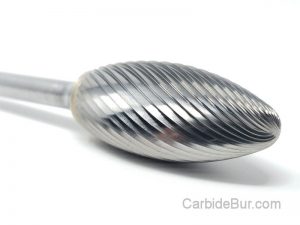
Looking for Carbide Bur Tools?
Check out our entire selection of USA made carbide bur die grinder tool bits
Follow us on Twitter
Return to CarbideBur.com
Carbide Burs – 1/4″ on 1/8″ Shanks – Accessories – Aluminum Cut – Bur Sets – End Mills – Long Shank – Solid Burs
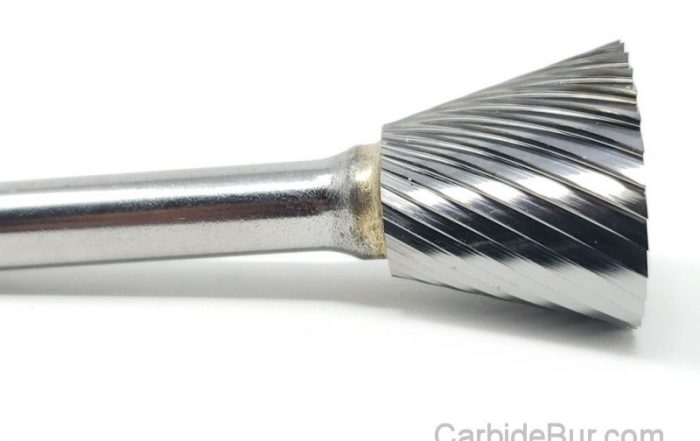
1/8 vs 1/4 Inch Carbide Burrs: What’s the Difference?
1/8 vs 1/4 Inch Carbide Burrs: What's the Difference? Choosing between a 1/8 inch carbide burr and a 1/4 inch carbide burr can change how your project turns out. Many machinists and hobbyists overlook how [...]
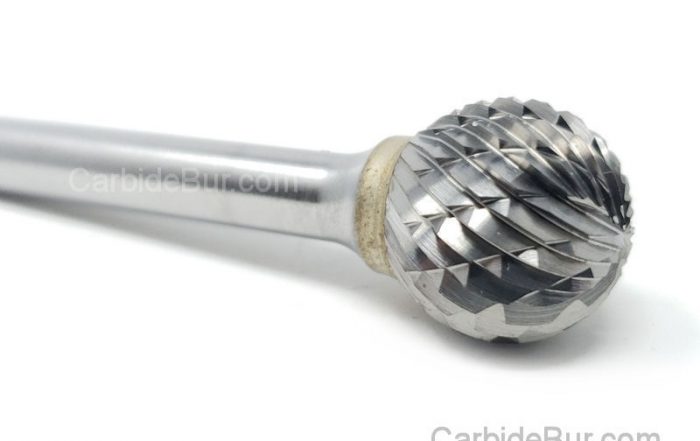
Best Carbide Burr for Removing Flash From Castings
Best Carbide Burr for Removing Flash From Castings Removing flash from castings is a task that can slow down your entire metalworking process if you don’t have the right tools. Picking the best carbide burr [...]
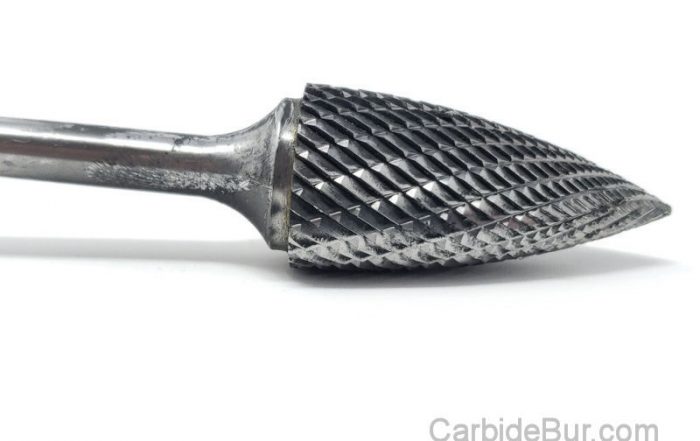
What RPM Should You Use for a 1/4 Inch Carbide Burr?
What RPM Should You Use for a 1/4 Inch Carbide Burr? Most machinists guess the right speed for a 1/4 inch carbide burr and hope for the best. Using the wrong carbide burr RPM can [...]
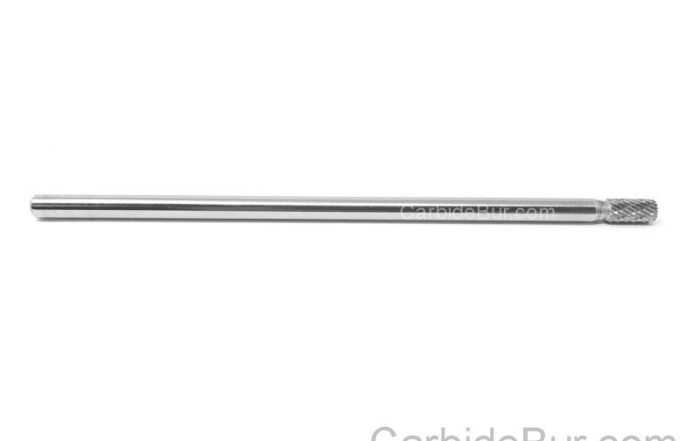
Long Shank Carbide Burrs: When Do You Need One?
Long Shank Carbide Burrs: When Do You Need One? Most machinists overlook the power of long shank carbide burrs until a project demands precision in tight spaces. When your usual tools can’t reach intricate contours, [...]
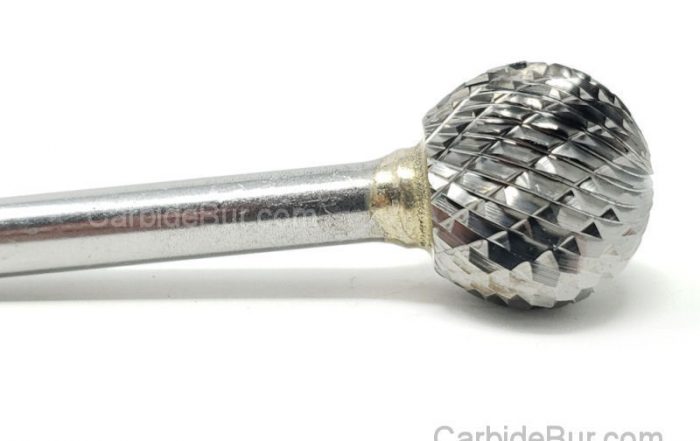
How Deep Can a Carbide Burr Cut Metal?
How Deep Can a Carbide Burr Cut Metal? Carbide burrs often get praised for their precision, but many users hit a wall wondering how deep they can actually cut metal. The truth is, cutting depth [...]
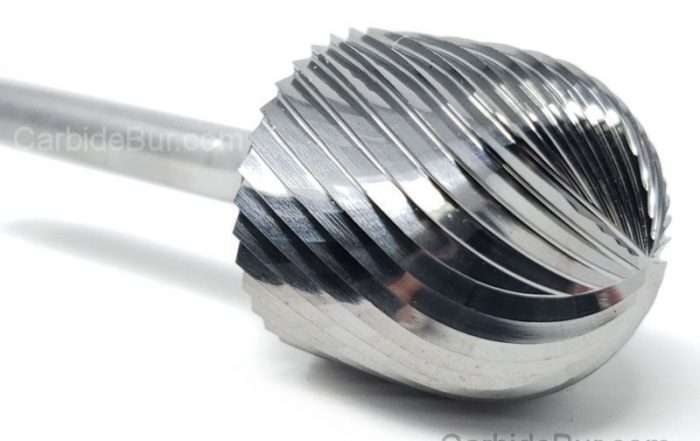
How to Use Carbide Burrs for Port Matching
How to Use Carbide Burrs for Port Matching Most engine builds hit a wall when airflow doesn’t flow smoothly between the ports and manifolds. If your engine isn’t breathing right, your performance stalls. Using the [...]
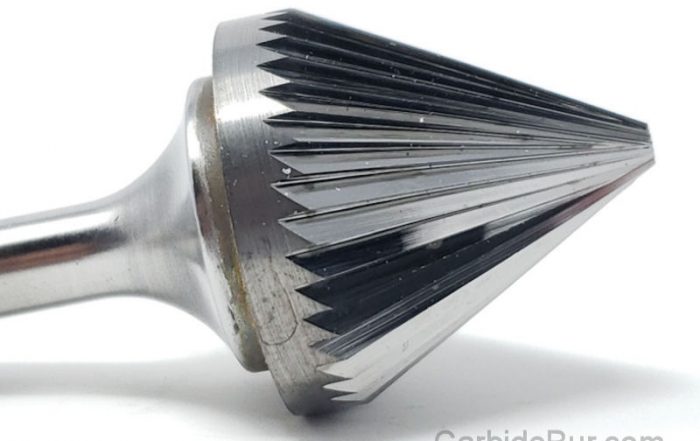
Best Carbide Burr for Porting Intake Manifolds
Best Carbide Burr for Porting Intake Manifolds Porting intake manifolds can make or break your engine’s airflow, yet many struggle with the right tools for the job. Choosing the best carbide burrs is key to [...]
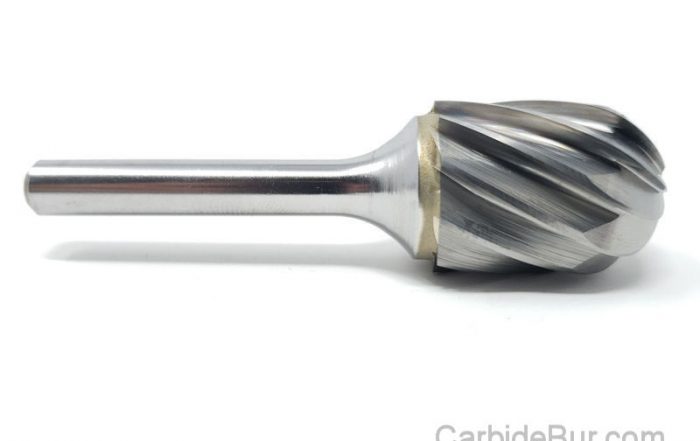
Best Carbide Burr for Concave Surfaces
Best Carbide Burr for Concave Surfaces Concave surfaces can turn a straightforward project into a frustrating challenge if you don’t have the right tool. Carbide burrs designed for these tricky curves make all the difference [...]
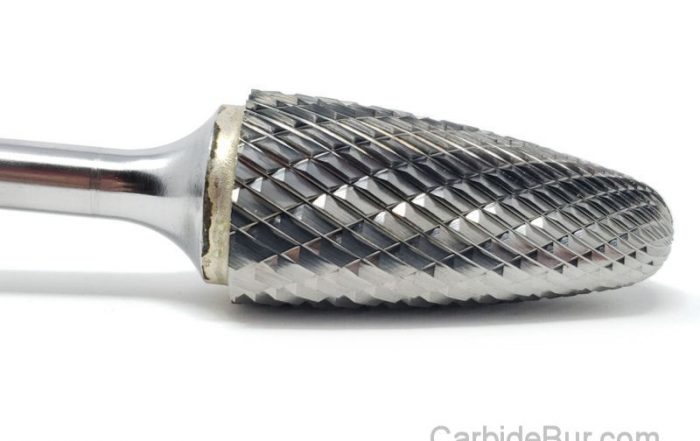
How to Grind a Slot in Metal With a Carbide Burr
How to Grind a Slot in Metal With a Carbide Burr Grinding a precise slot in metal can feel like a tricky task, especially if you’re unsure which tools to trust. Carbide burr grinding offers [...]

Best Carbide Burr for Inside Corners
Best Carbide Burr for Inside Corners Working in tight inside corners can turn even simple projects into frustrating tasks. Many carbide burrs just don’t fit or cut cleanly where you need them most. The best [...]
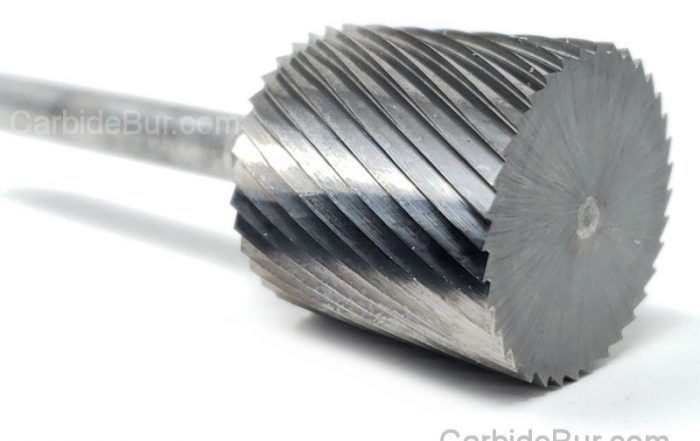
What Size Carbide Burr Do I Need?
What Size Carbide Burr Do I Need? Picking the wrong carbide burr can turn a simple project into a frustrating mess. You might have the best machining tools but still miss the mark if your [...]
How to Smooth Sharp Metal Edges With a Carbide Burr
How to Smooth Sharp Metal Edges With a Carbide Burr Sharp metal edges can turn your project from professional to risky in seconds. If you’ve struggled with smoothing metal edges without scratching or weakening the [...]
