
Mastering Metalworking: How to Use Carbide Burrs Safely
Many beginners rush into metalworking without fully grasping the risks that come with using carbide burrs. Skipping proper protection or mishandling tools can lead to serious injuries before you even finish your first project. This guide on how to use carbide burrs safely will walk you through essential metalworking safety tips, so you can protect yourself and get the best results every time.
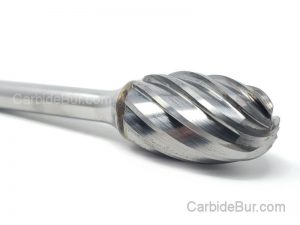
Which carbide bur tool works best for your job?
Importance of Carbide Burr Safety
Starting your journey in metalworking can be thrilling, but without the right precautions, it can quickly become hazardous. Understanding the significance of carbide burr safety is the first step in protecting yourself.
Why Safety Matters
Safety is paramount in any metalworking process. Carbide burrs, though small, are powerful tools that can cause severe injuries if mishandled. You might be tempted to rush through projects, but taking time to prioritize safety can save you from potential harm. Remember, safety isn’t just a set of rules; it’s about maintaining your well-being while enjoying your craft. Consider how much more rewarding your projects can be when you know you’re working smart and safe.
Common Risks and Hazards
Carbide burrs can pose various risks. The high-speed rotation can lead to flying debris, which is dangerous if it contacts your skin or eyes. Improper handling might also cause tool damage, leading to unexpected accidents. Understanding these risks allows you to take effective preventive measures. By being aware of these hazards, you can proactively address them, minimizing the chance of injury.
Benefits of Safe Practices
Safe practices in metalworking offer numerous benefits. You’ll not only protect yourself from injuries but also enhance the quality of your projects. Safe techniques lead to precision and better results. Plus, by adopting a safety-first approach, you’ll develop habits that will serve you throughout your metalworking journey. It’s about investing in your skills and ensuring long-term success in your craft.
Essential Personal Protective Equipment
Equipping yourself with the right personal protective equipment is crucial. These items act as your first line of defense against potential hazards in the workshop.
Choosing the Right Safety Goggles
Your eyes are invaluable, so safeguarding them is essential. Choosing the right safety goggles involves more than just picking any pair. Look for goggles with impact-resistant lenses and a snug fit to prevent debris from entering. Comfort is key, as you’ll likely wear them for extended periods. By investing in quality goggles, you ensure your vision remains uncompromised while you work on your metalworking projects.
Selecting Proper Gloves for Metalworking
Gloves protect your hands from cuts and abrasions. When selecting gloves, opt for those made from cut-resistant materials. They should be sturdy yet allow for flexibility and dexterity. Remember, the right gloves can enhance your grip, providing better control over your tools. By choosing properly, you protect one of your most vital assets: your hands.
Additional Protective Gear
Aside from goggles and gloves, consider ear protection and dust masks. Metalworking can be noisy, and prolonged exposure can affect your hearing. Dust masks are vital for preventing inhalation of tiny metal particles. Equipping yourself with these additional protective items not only ensures full coverage but also enhances your overall safety in the workshop.
Handling and Storing Carbide Burrs
Proper handling and storage of carbide burrs can significantly extend their lifespan and maintain their effectiveness.
Correct Handling Techniques
Handling carbide burrs with care is crucial to avoid accidents and maintain tool efficacy. Always ensure your tools are securely fastened in your rotary tool before use. Avoid applying excessive pressure, as this can lead to tool damage or personal injury. Gentle handling helps not only in maintaining the integrity of your burrs but also in achieving precise cuts.
Safe Storage Solutions
Storing your carbide burrs safely prevents damage and prolongs their life. Use storage solutions that keep your burrs organized and protected from falls or crushing. Consider using a dedicated box with compartments for each burr. Safe storage practices ensure your tools remain in top condition and ready whenever you need them.
Maintenance for Longevity
To maximize the lifespan of your carbide burrs, regular maintenance is essential. Clean your burrs after each use to remove debris and metal shavings. Using a wire brush can help dislodge stuck particles. Regular maintenance not only maintains the quality of your cuts but also saves you money in the long run by reducing the need for frequent replacements.

Beginner Metalworking Tips
As a beginner, mastering basic metalworking techniques can set the foundation for your future projects.
Understanding Tool Functions
Before diving into any project, take time to understand the specific functions of your tools. Carbide burrs come in various shapes and sizes, each suited for different tasks. Recognize which burr works best for your desired outcome. Understanding these functions helps you choose the right tool for the job, ensuring efficiency and precision.
Mastering Basic Techniques
Start with simple techniques to build your confidence. Focus on maintaining a steady hand and controlled movements. Practice on scrap metal to perfect your skills before moving to more complex projects. By mastering these basics, you’ll lay a solid foundation for more intricate work in the future.
Building Confidence in Your Skills
Confidence in metalworking comes with practice and knowledge. Celebrate small victories and learn from mistakes. The more you practice, the more your skills will improve. By building confidence, you’ll approach each project with a positive mindset and the assurance that you can tackle challenges head-on.
Creating a Safe Workshop Environment
A safe workshop environment is essential for productive and injury-free metalworking.
Organizing Your Workspace
An organized workspace minimizes accidents and enhances efficiency. Ensure tools are stored within easy reach, and keep your area clutter-free. Implement clear labeling systems for easy identification. An organized workspace not only improves safety but also enhances your overall workflow.
Implementing Safety Protocols
Develop safety protocols that everyone in the workshop must follow. This includes regular equipment checks, clear communication signals, and emergency procedures. Implementing protocols creates a culture of safety, ensuring that everyone remains vigilant and prepared for any situation.
Encouraging a Safety-First Mindset
Cultivating a safety-first mindset among everyone in the workshop is crucial. Encourage open discussions about safety and share tips regularly. By fostering a safety-first culture, you ensure that everyone prioritizes their well-being while enjoying the art of metalworking.
By adhering to these safety tips, you protect yourself and enhance your metalworking skills. Remember, the longer you wait to implement these practices, the higher the risk of accidents. Stay safe and enjoy your metalworking journey!
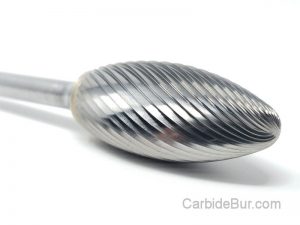
Looking for Carbide Bur Tools?
Check out our entire selection of USA made carbide bur die grinder tool bits
Follow us on Twitter
Return to CarbideBur.com
Carbide Burs – 1/4″ on 1/8″ Shanks – Accessories – Aluminum Cut – Bur Sets – End Mills – Long Shank – Solid Burs
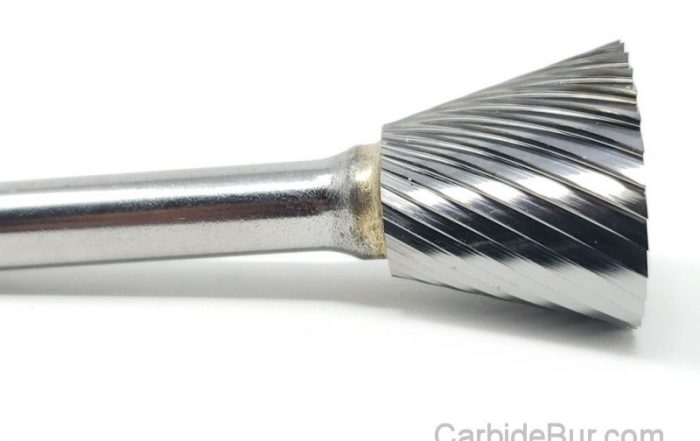
1/8 vs 1/4 Inch Carbide Burrs: What’s the Difference?
1/8 vs 1/4 Inch Carbide Burrs: What's the Difference? Choosing between a 1/8 inch carbide burr and a 1/4 inch carbide burr can change how your project turns out. Many machinists and hobbyists overlook how [...]
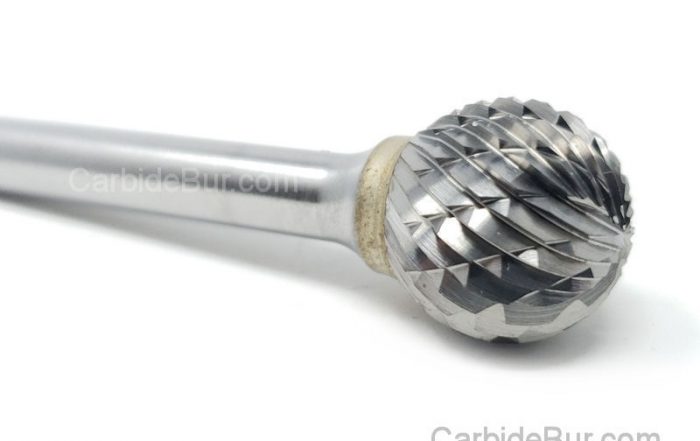
Best Carbide Burr for Removing Flash From Castings
Best Carbide Burr for Removing Flash From Castings Removing flash from castings is a task that can slow down your entire metalworking process if you don’t have the right tools. Picking the best carbide burr [...]
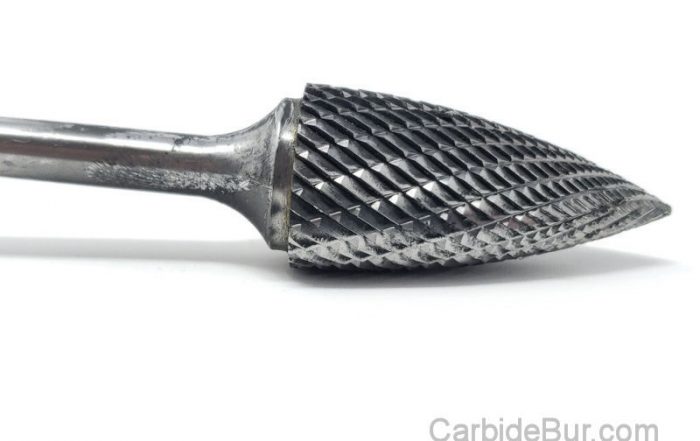
What RPM Should You Use for a 1/4 Inch Carbide Burr?
What RPM Should You Use for a 1/4 Inch Carbide Burr? Most machinists guess the right speed for a 1/4 inch carbide burr and hope for the best. Using the wrong carbide burr RPM can [...]
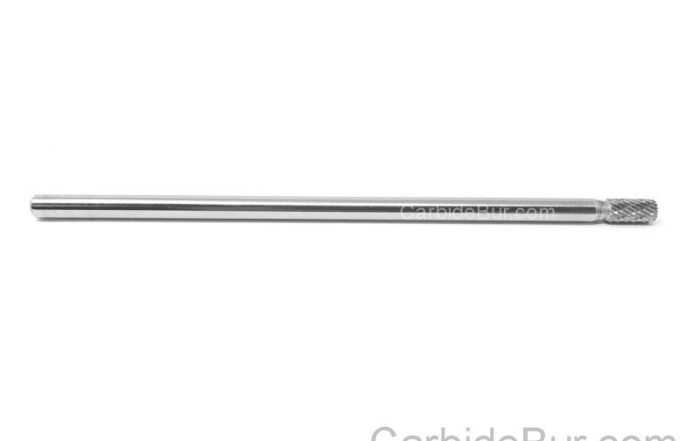
Long Shank Carbide Burrs: When Do You Need One?
Long Shank Carbide Burrs: When Do You Need One? Most machinists overlook the power of long shank carbide burrs until a project demands precision in tight spaces. When your usual tools can’t reach intricate contours, [...]
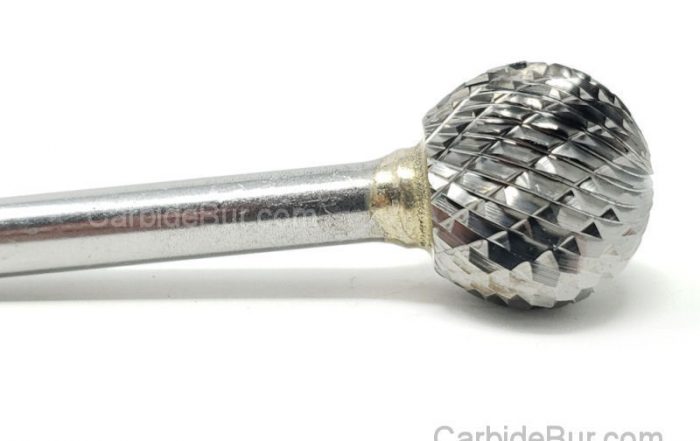
How Deep Can a Carbide Burr Cut Metal?
How Deep Can a Carbide Burr Cut Metal? Carbide burrs often get praised for their precision, but many users hit a wall wondering how deep they can actually cut metal. The truth is, cutting depth [...]
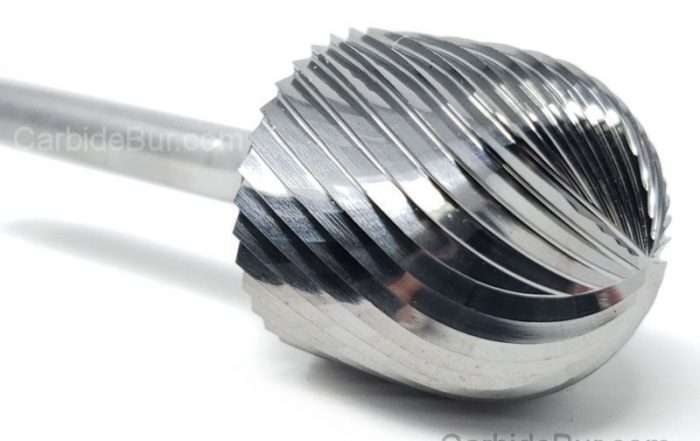
How to Use Carbide Burrs for Port Matching
How to Use Carbide Burrs for Port Matching Most engine builds hit a wall when airflow doesn’t flow smoothly between the ports and manifolds. If your engine isn’t breathing right, your performance stalls. Using the [...]
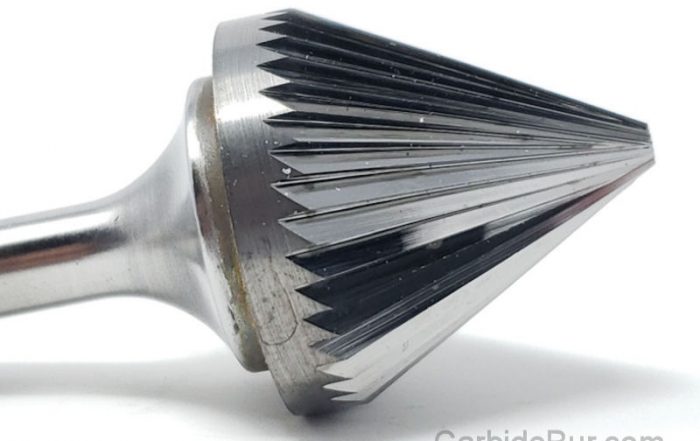
Best Carbide Burr for Porting Intake Manifolds
Best Carbide Burr for Porting Intake Manifolds Porting intake manifolds can make or break your engine’s airflow, yet many struggle with the right tools for the job. Choosing the best carbide burrs is key to [...]
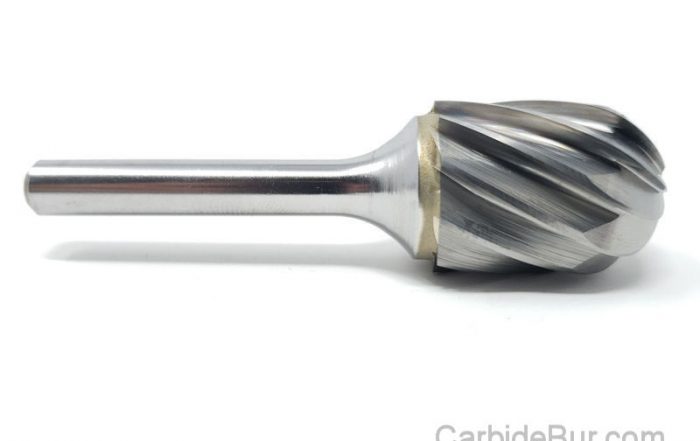
Best Carbide Burr for Concave Surfaces
Best Carbide Burr for Concave Surfaces Concave surfaces can turn a straightforward project into a frustrating challenge if you don’t have the right tool. Carbide burrs designed for these tricky curves make all the difference [...]
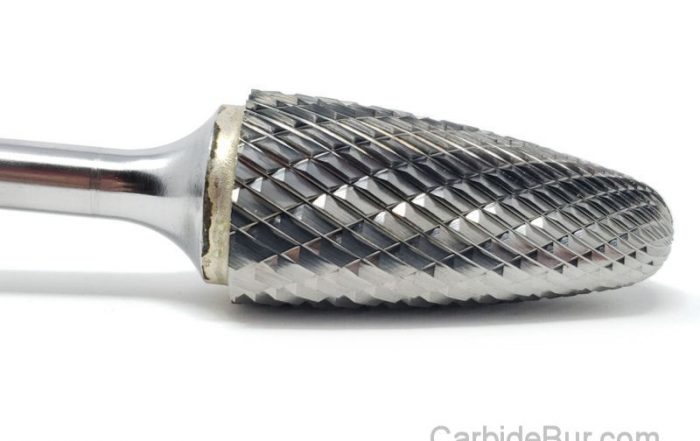
How to Grind a Slot in Metal With a Carbide Burr
How to Grind a Slot in Metal With a Carbide Burr Grinding a precise slot in metal can feel like a tricky task, especially if you’re unsure which tools to trust. Carbide burr grinding offers [...]

Best Carbide Burr for Inside Corners
Best Carbide Burr for Inside Corners Working in tight inside corners can turn even simple projects into frustrating tasks. Many carbide burrs just don’t fit or cut cleanly where you need them most. The best [...]
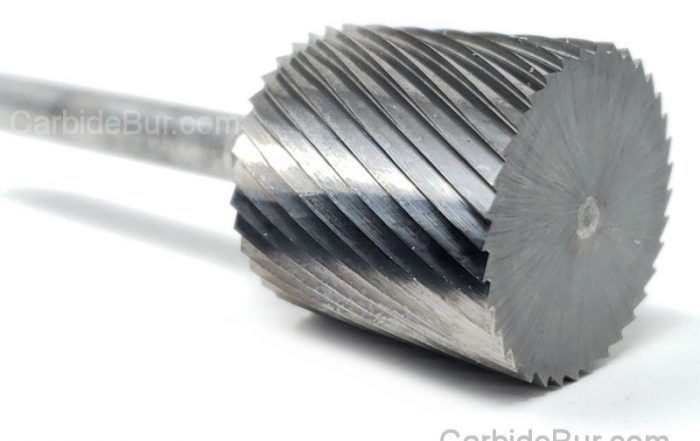
What Size Carbide Burr Do I Need?
What Size Carbide Burr Do I Need? Picking the wrong carbide burr can turn a simple project into a frustrating mess. You might have the best machining tools but still miss the mark if your [...]
How to Smooth Sharp Metal Edges With a Carbide Burr
How to Smooth Sharp Metal Edges With a Carbide Burr Sharp metal edges can turn your project from professional to risky in seconds. If you’ve struggled with smoothing metal edges without scratching or weakening the [...]
