
Tool Selection Made Easy: The Essential Guide to Carbide Burs and Burr Comparison
Choosing the right machining tools can feel like navigating a maze, especially when it comes to carbide burs and traditional burrs. Many machinists and DIY enthusiasts struggle to tell these tools apart or pick the best one for their project. This guide breaks down the key differences in composition, cutting efficiency, and durability so you can make smarter tool selection decisions. Understanding these details will help you avoid costly mistakes and get the job done right every time. For more information, check out this comprehensive guide to carbide burr shapes and their uses.
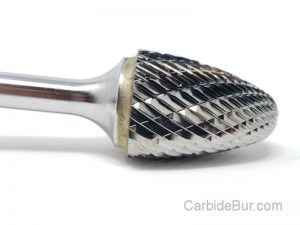
Check out this selection of USA made carbide burs
Understanding Carbide Burs
Choosing the right tool is the key to success in machining. Let’s dive into carbide burs, a popular choice for many professionals.
Composition and Material Differences
Carbide burs are known for their hard composition. Made from tungsten carbide, they provide a durable and sturdy option for various tasks. This material is much harder than steel, which makes it ideal for cutting through tough materials. In contrast, traditional burrs are often made from high-speed steel, which is less durable but more flexible.
Carbide burs can withstand high temperatures without losing their shape. This is important for projects requiring precise cuts. The choice between carbide and steel depends on your specific needs. Consider the material you are working with and the precision required for your project. By understanding these differences, you can choose the right tool with confidence.
Cutting Efficiency Explained
When it comes to cutting efficiency, carbide burs excel. Their sharp edges allow for quick and clean cuts. This efficiency saves you time and effort. Unlike traditional burrs, carbide burs maintain their sharpness longer. This means less downtime for sharpening and more focus on your task.
The efficiency of carbide burs makes them a favorite among machinists and hobbyists alike. They are especially useful for projects that require detailed work. The precision offered by these tools is unmatched. By choosing carbide, you ensure smoother operations and better results in your projects.
Burr Durability Factors
Durability is crucial in tool selection. Carbide burs are known for their long lifespan. They withstand wear and tear better than traditional burrs. This durability is due to the carbide material, which is resistant to heat and pressure.
When working on extensive projects, tool durability can save you money and time. Fewer replacements mean fewer interruptions. With carbide burs, you invest in a tool that lasts, allowing you to focus on the quality of your work rather than tool maintenance.

Need a longer reach for your die grinder?
Comparing Carbide Burs and Burrs
Now that we’ve covered the basics of carbide burs, let’s compare them with traditional burrs to understand their performance better.
Key Performance Characteristics
Carbide burs offer superior performance due to their composition. They ensure precise and efficient cuts, making them ideal for intricate projects. Traditional burrs, while less durable, offer flexibility for various applications. When choosing between the two, consider the project’s requirements and the material you will be working with.
Performance is also influenced by the speed and pressure applied during use. Carbide burs are suited for high-speed applications, while traditional burrs perform well at lower speeds. By understanding these characteristics, you can make informed decisions for your machining needs.
Application Differences in Machining
Different projects require different tools. Carbide burs are perfect for hard materials like metal and stone. They excel in detailed work and provide clean finishes. Traditional burrs are more suited for softer materials like wood or plastic. They offer versatility in various applications, albeit with less precision.
In machining, the choice of tool depends on material type and desired outcome. Carbide burs provide a reliable option for tough jobs, while traditional burrs offer broader application possibilities. Knowing these differences helps in selecting the best tool for each task.
Advantages of Carbide Burs
Carbide burs have several advantages over traditional burrs. They offer enhanced durability and cutting efficiency, making them a favorite among professionals. Their ability to maintain sharpness and withstand high temperatures sets them apart as a reliable choice.
Choosing carbide burs means investing in a tool that delivers consistent results. Whether you’re working on a small DIY project or a large machining task, carbide burs provide the precision and reliability you need to achieve the best results.
Exploring Burr Types
With a clear understanding of carbide burs, let’s explore the different types of burs available to find the one that suits your project needs.
Varieties of Carbide Burs
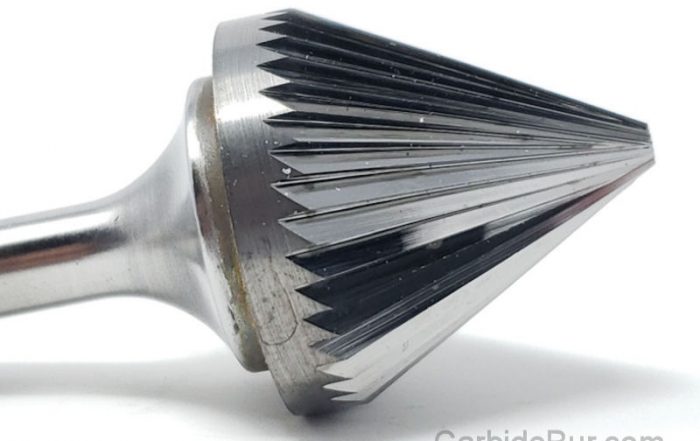
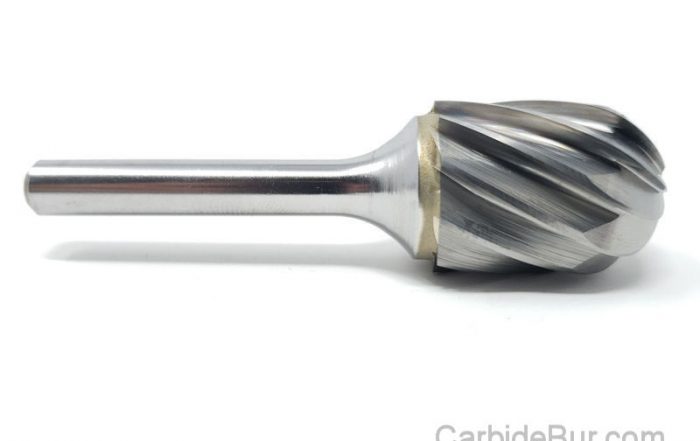
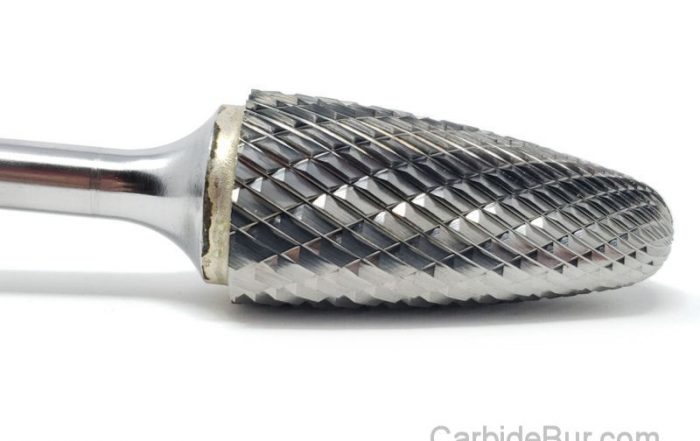
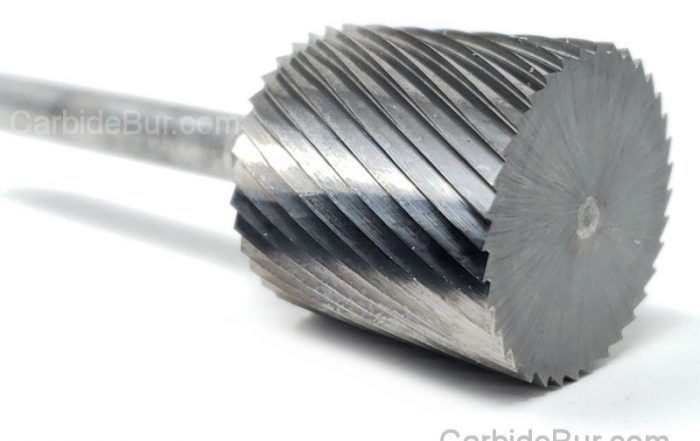
Carbide burs come in various shapes and sizes. Each type is designed for specific tasks. For instance, cylindrical burs are perfect for surface work, while conical burs are ideal for detail work. Understanding these varieties allows you to select the right tool for the job.
Having a range of carbide burs in your toolkit ensures you’re prepared for any task. By choosing the right type, you enhance your efficiency and ensure high-quality results in your projects.
Traditional Burr Categories
Traditional burrs also come in different types. They include cone, ball, and flame-shaped burrs, each suited for specific tasks. These versatile tools offer flexibility, making them useful for a wide range of applications.
The variety in traditional burrs allows for adaptability. While they might not offer the precision of carbide burs, they remain a valuable addition to any toolkit. Their versatility makes them an excellent choice for various projects.
Selecting the Right Burr for Your Needs
Choosing the right burr involves considering several factors. First, identify the material you’ll be working with. Next, think about the precision required for your task. Lastly, consider the tool’s durability and lifespan.
By taking these factors into account, you ensure that you select a tool that meets your needs. Whether it’s a carbide bur for detailed work or a traditional burr for broader applications, making an informed choice will lead to better project outcomes.
Tool Selection Tips
Armed with knowledge about different bur types, it’s time to explore tips for selecting the best tool for your projects.
Factors to Consider in Burr Comparison
When comparing burs, consider their material, shape, and intended use. Carbide burs are suitable for hard materials, while traditional burrs offer versatility for softer materials. Shape also plays a crucial role in the type of work the tool can perform.
By analyzing these factors, you make informed decisions. Understanding the intricacies of each tool ensures you select the right one for your specific needs, leading to more efficient and effective results.
Best Practices for Machining Tools
To get the best out of your tools, follow some best practices. Keep your burs clean and sharp. Regular maintenance extends their lifespan and ensures consistent performance. Use the right speed and pressure to avoid tool damage.
By adhering to these practices, you enhance your tool’s efficiency and prolong its life. This not only saves you money but also ensures you achieve the best results in your machining tasks.
Making Informed Decisions for Projects
Informed decisions lead to successful projects. By understanding the differences between burs and their applications, you improve your project outcomes. Consider material type, task precision, and tool durability when making your selection.
The knowledge gained from this guide empowers you to choose the right tool, ultimately leading to better project completion and satisfaction. With the right tools, your machining projects will be more efficient and rewarding.
Conclusion: Empowering Your Tool Choices
Making the right choice in tool selection is crucial for success in machining tasks. With the insights gained, you can confidently choose the right tools for your projects.
Confidence in Your Selections
With a solid understanding of carbide burs and traditional burrs, you can make confident selections. This knowledge allows you to tackle any project with assurance, knowing you’ve chosen the best tool for the job.
Achieving Precision in Machining Tasks
Precision is key in machining. By selecting the right tool, you ensure accurate and efficient results. This guide has equipped you with the knowledge needed to achieve precision in all your machining tasks.
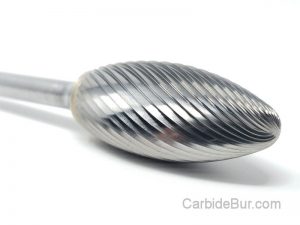
Looking for Carbide Bur Tools?
Check out our entire selection of USA made carbide bur die grinder tool bits
Follow us on Twitter

Return to CarbideBur.com
Carbide Burs – 1/4″ on 1/8″ Shanks – Accessories – Aluminum Cut – Bur Sets – End Mills – Long Shank – Solid Burs
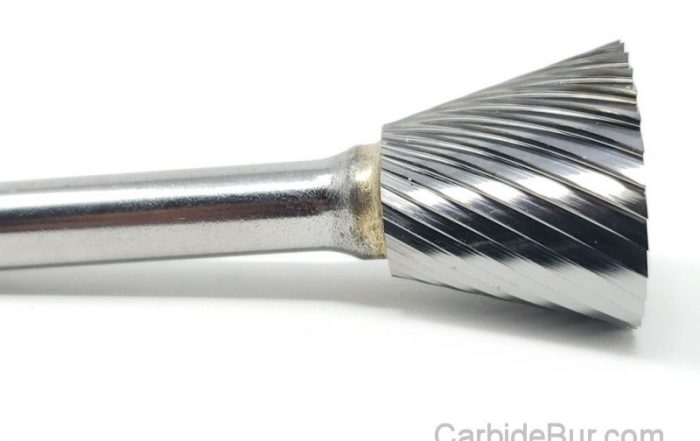
1/8 vs 1/4 Inch Carbide Burrs: What’s the Difference?
1/8 vs 1/4 Inch Carbide Burrs: What's the Difference? Choosing between a 1/8 inch carbide burr and a 1/4 inch carbide burr can change how your project turns out. Many machinists and hobbyists overlook how [...]
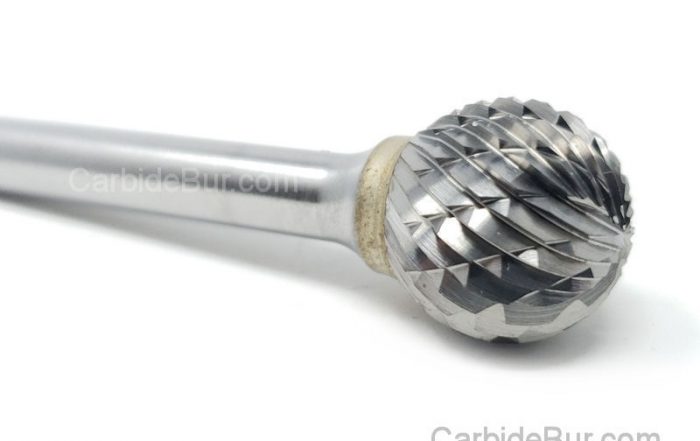
Best Carbide Burr for Removing Flash From Castings
Best Carbide Burr for Removing Flash From Castings Removing flash from castings is a task that can slow down your entire metalworking process if you don’t have the right tools. Picking the best carbide burr [...]
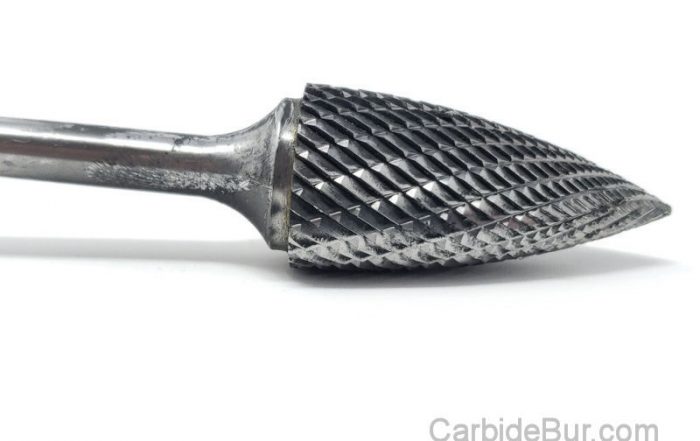
What RPM Should You Use for a 1/4 Inch Carbide Burr?
What RPM Should You Use for a 1/4 Inch Carbide Burr? Most machinists guess the right speed for a 1/4 inch carbide burr and hope for the best. Using the wrong carbide burr RPM can [...]
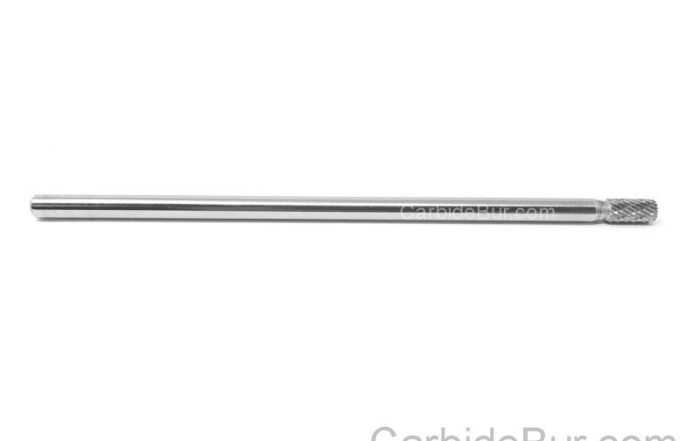
Long Shank Carbide Burrs: When Do You Need One?
Long Shank Carbide Burrs: When Do You Need One? Most machinists overlook the power of long shank carbide burrs until a project demands precision in tight spaces. When your usual tools can’t reach intricate contours, [...]
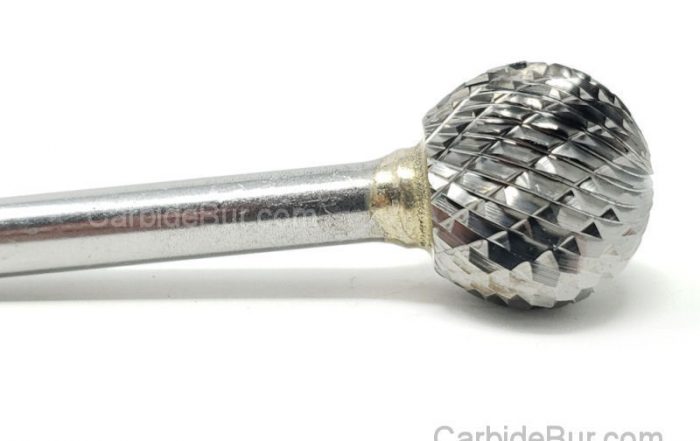
How Deep Can a Carbide Burr Cut Metal?
How Deep Can a Carbide Burr Cut Metal? Carbide burrs often get praised for their precision, but many users hit a wall wondering how deep they can actually cut metal. The truth is, cutting depth [...]
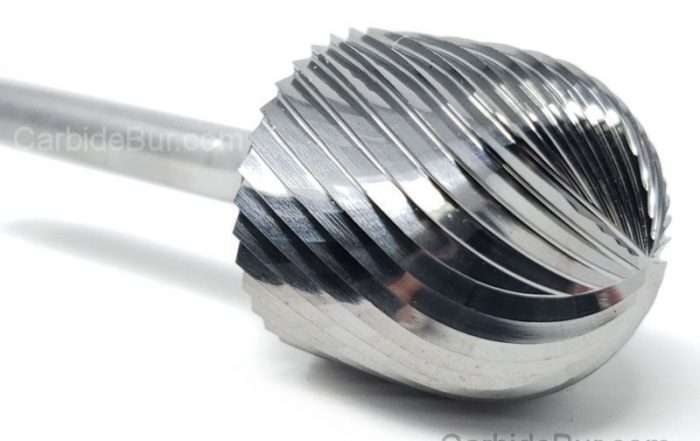
How to Use Carbide Burrs for Port Matching
How to Use Carbide Burrs for Port Matching Most engine builds hit a wall when airflow doesn’t flow smoothly between the ports and manifolds. If your engine isn’t breathing right, your performance stalls. Using the [...]
Best Carbide Burr for Porting Intake Manifolds
Best Carbide Burr for Porting Intake Manifolds Porting intake manifolds can make or break your engine’s airflow, yet many struggle with the right tools for the job. Choosing the best carbide burrs is key to [...]
Best Carbide Burr for Concave Surfaces
Best Carbide Burr for Concave Surfaces Concave surfaces can turn a straightforward project into a frustrating challenge if you don’t have the right tool. Carbide burrs designed for these tricky curves make all the difference [...]
How to Grind a Slot in Metal With a Carbide Burr
How to Grind a Slot in Metal With a Carbide Burr Grinding a precise slot in metal can feel like a tricky task, especially if you’re unsure which tools to trust. Carbide burr grinding offers [...]

Best Carbide Burr for Inside Corners
Best Carbide Burr for Inside Corners Working in tight inside corners can turn even simple projects into frustrating tasks. Many carbide burrs just don’t fit or cut cleanly where you need them most. The best [...]
What Size Carbide Burr Do I Need?
What Size Carbide Burr Do I Need? Picking the wrong carbide burr can turn a simple project into a frustrating mess. You might have the best machining tools but still miss the mark if your [...]
How to Smooth Sharp Metal Edges With a Carbide Burr
How to Smooth Sharp Metal Edges With a Carbide Burr Sharp metal edges can turn your project from professional to risky in seconds. If you’ve struggled with smoothing metal edges without scratching or weakening the [...]
