
Enhance Engine Performance: Top Features of Carbide Burrs for Porting
Most people think any carbide burr will do for porting heads. That’s where they go wrong. Choosing the best burrs for porting means understanding cutting shape, flute design, and hardness—details that directly impact airflow and engine performance. In this post, you’ll get clear advice on picking the right sizes and styles, plus safe burr techniques that protect your work and boost your power gains. For more information, check out this guide.
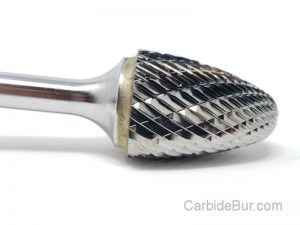
Check out this selection of USA made carbide burs
Understanding Carbide Burrs
Knowing the fundamentals of carbide burrs sets the stage for successful engine porting. Let’s dive into the core aspects that make these tools invaluable.
What Are Carbide Burrs?
Carbide burrs are small cutting tools used in various machining applications. They feature sharp, rotating blades designed to cut, shape, and remove material. Made from tungsten carbide, these burrs are incredibly tough and can handle high-speed operations.
Their primary function is to create precise cuts on hard materials like steel and aluminum. You might find them in tasks ranging from metalworking to woodworking. Their versatility is one reason why they are favored for porting engine heads, where precision and durability are crucial.
Importance in Porting Heads
When it comes to porting heads, the role of carbide burrs is pivotal. Porting involves enlarging and reshaping the intake and exhaust ports in an engine’s cylinder head. This process aims to improve airflow, which directly boosts engine performance.
Using the right burr ensures that the material is removed efficiently without compromising the surface quality. The improved airflow resulting from proper porting can lead to noticeable gains in engine power and efficiency, making the choice of burr crucial.
Benefits of Using Carbide Burrs
Carbide burrs offer multiple benefits in porting tasks. First, they provide exceptional precision, allowing you to achieve exact dimensions and shapes. This precision is vital for optimizing airflow in engine heads. Additionally, carbide burrs are known for their durability. They can withstand high temperatures and maintain their sharpness, leading to consistent performance over time.
Another key advantage is their efficiency in material removal. Carbide burrs can rapidly cut through tough materials, saving you time and effort. This efficiency, combined with their versatility, makes them a go-to tool for both professionals and hobbyists in engine modification projects. For more tips, visit this forum discussion.

Need a longer reach for your die grinder?
Key Features of Carbide Burrs
The effectiveness of carbide burrs lies in their design features. Here’s what to look for when selecting burrs for porting heads.
Cutting Shape and Efficiency
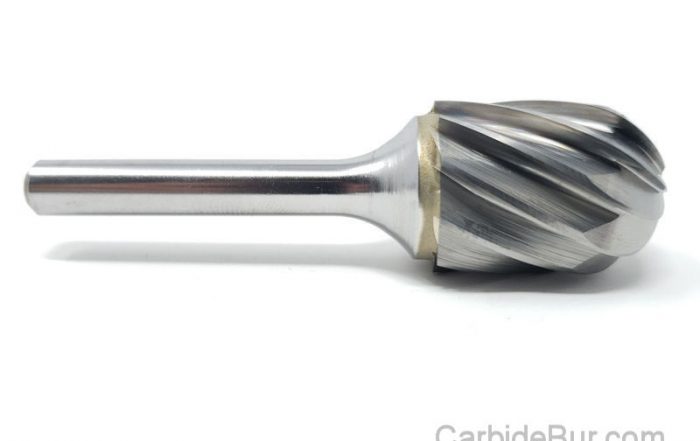
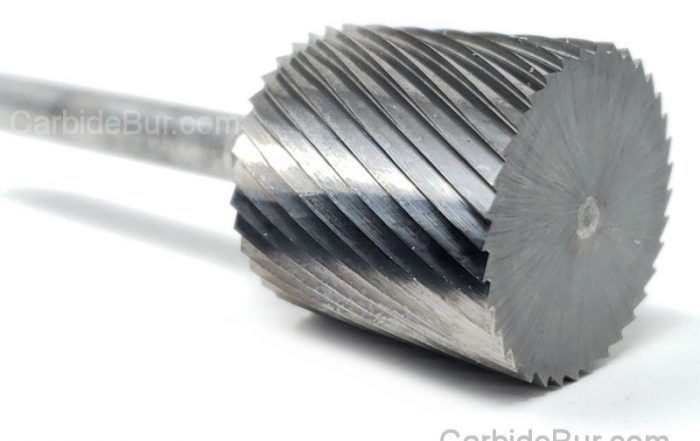
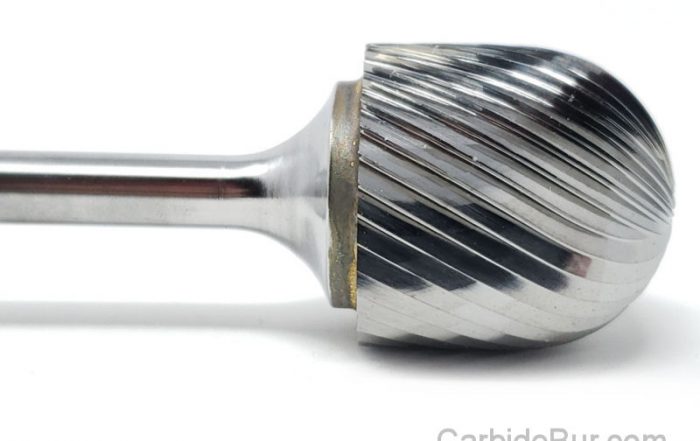
The shape of the burr greatly influences its cutting efficiency. Different shapes such as ball, oval, or cylindrical are each suited to specific tasks. For example, a cylindrical burr is ideal for flat surfaces, while a ball shape is perfect for creating contours and curves.
A well-chosen shape enhances the burr’s cutting action, reducing the time spent on each task. This efficiency translates to smoother finishes and better material handling, crucial for optimizing your engine’s airflow.
Flute Design for Optimal Performance
Flute design is another critical factor. The flutes are the grooves on the burr that do the cutting. Single-cut burrs have fewer but deeper flutes, suitable for heavy material removal. Double-cut burrs, with more flutes, are better for finishing work as they produce a smoother surface.
Choosing the right flute design affects how much control you have over the cutting process. It also impacts the burr’s ability to clear material chips, preventing clogging and ensuring a clean cut every time. For an in-depth guide, explore this resource.
Hardness and Material Compatibility
The hardness of a carbide burr is a measure of its ability to maintain sharpness and resist wear. Burrs made from high-quality tungsten carbide are exceptionally hard and durable, allowing them to cut through even the toughest materials like cast iron and stainless steel.
Material compatibility is also essential. Using a burr that’s too hard for a softer material can lead to chipping, while a burr that’s not hard enough may wear out quickly on harder materials. Selecting the correct hardness ensures that your burrs last longer and perform optimally.
Recommended Sizes and Styles
Choosing the right size and style of burr is key to getting the best results from your porting work. Here’s how to make informed choices.
Choosing the Right Size for Tasks
Selecting the appropriate size of burr depends on the specific task at hand. Smaller burrs are ideal for intricate details and tight spaces, while larger burrs are better suited for removing more material from larger areas.
Consider the size of the ports you’re modifying. For intricate work, a smaller diameter burr provides the control needed for precision cuts. Larger burrs are effective for quickly removing material in more extensive porting jobs.
Styles for Different Porting Needs
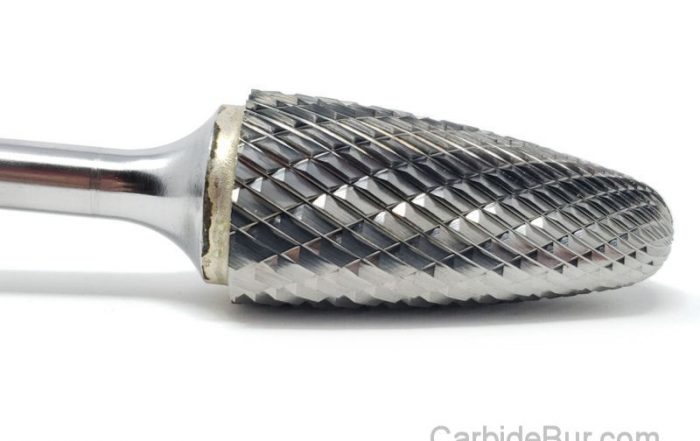
Various styles of carbide burrs cater to different porting requirements. For example, a flame-shaped burr is excellent for smooth contours, whereas a tree-shaped burr excels in cutting grooves and tight areas.
Understanding these styles helps you match the burr to the task, ensuring that you achieve the desired result efficiently. The right style can make a significant difference in both the quality of your work and the time it takes to complete it.
Popular Burrs for Engine Modifications
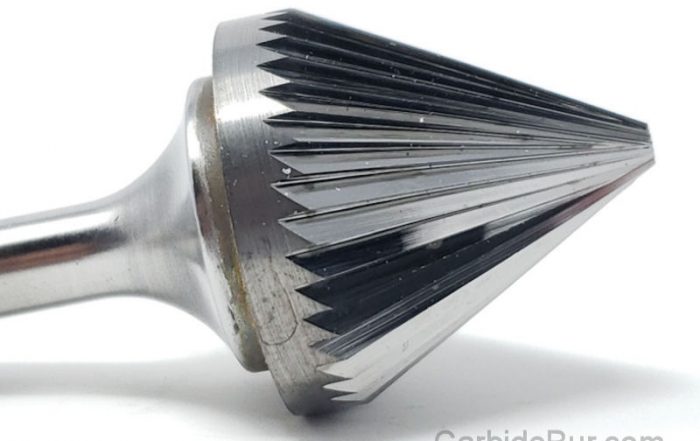
Certain burrs have become popular choices in engine modification circles due to their proven effectiveness. Ball-shaped burrs are favored for general porting tasks, while cone-shaped burrs are often used for deburring and finishing.
Choosing a popular burr can be a safe bet if you’re unsure where to start. These burrs have stood the test of time, delivering reliable performance across various porting applications. For more details, join the conversation on this Facebook group.
Safe and Effective Techniques
Using carbide burrs safely and effectively is essential for both quality results and personal safety. Here’s how to achieve both.
Using Carbide Burrs Safely
Safety should always be a top priority when working with carbide burrs. Always wear protective gear, such as safety glasses and gloves, to shield yourself from flying debris. Additionally, ensure your work area is well-lit and free of clutter.
Secure the workpiece properly to prevent movement during cutting. A stable work environment not only enhances safety but also contributes to the precision of your cuts, ensuring your porting work is both effective and safe.
Techniques for Best Results
Achieving the best results with carbide burrs involves mastering a few key techniques. Apply even, consistent pressure to avoid damaging the material. Let the burr do the work instead of forcing it, which can lead to uneven cuts or breakage.
Practice makes perfect. Take time to familiarize yourself with how different burrs behave on various materials. Experimenting in a controlled environment helps you gain the confidence to tackle more complex porting tasks.
Tips for Maintaining Burrs
Maintaining your carbide burrs ensures they remain effective and last longer. Clean burrs after each use to remove material buildup that can dull the cutting edges. Store them in a dry, organized space to prevent damage and rust.
Regular maintenance extends the life of your burrs, providing consistent performance. A well-maintained burr not only cuts better but also reduces the risk of accidents, making your porting work safer and more efficient.
Selecting the Best Carbide Burrs
Choosing the best carbide burrs involves considering several factors that affect performance and suitability for your tasks.
Factors to Consider
When selecting carbide burrs, consider factors such as material compatibility, cutting shape, and flute design. These elements determine how well a burr will perform for your specific needs.
Additionally, think about the frequency of use and your budget. Investing in high-quality burrs may be more cost-effective in the long run, as they tend to last longer and provide better results with less effort.
Top Brands and Products
Several brands offer reliable carbide burrs for porting heads. Researching customer reviews and expert recommendations can guide you to the best options. Brands known for quality and durability often offer burrs that deliver consistent performance.
Look for products that have a proven track record in engine modifications. A well-regarded brand can provide peace of mind, knowing that you’re using tools trusted by professionals in the field.
Enhancing Engine Performance with the Right Burrs
Selecting the right carbide burrs can significantly enhance engine performance. With the correct tools, you can achieve precise cuts that improve airflow and boost power. Don’t underestimate the impact of choosing the right burrs on your engine’s capabilities.
Armed with the knowledge of what to look for, you’re ready to make informed choices that lead to successful porting projects. The right burrs make all the difference, helping you achieve the power gains and efficiency you’re after. For more insights, watch this helpful video.
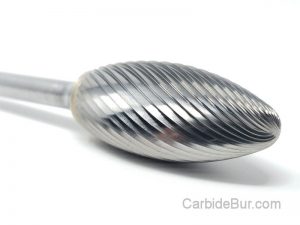
Looking for Carbide Bur Tools?
Check out our entire selection of USA made carbide bur die grinder tool bits
Follow us on Twitter

Return to CarbideBur.com
Carbide Burs – 1/4″ on 1/8″ Shanks – Accessories – Aluminum Cut – Bur Sets – End Mills – Long Shank – Solid Burs
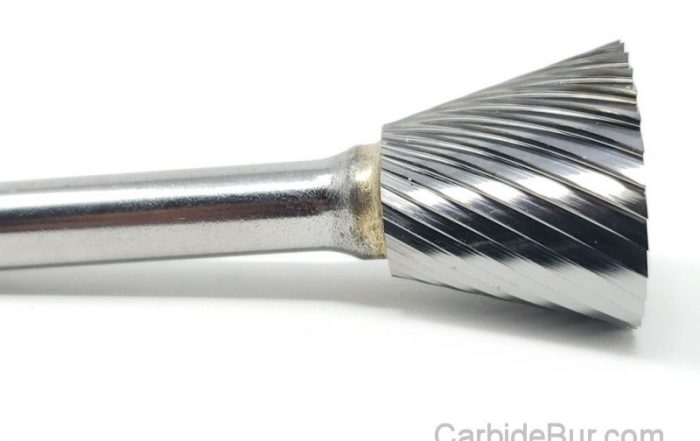
1/8 vs 1/4 Inch Carbide Burrs: What’s the Difference?
1/8 vs 1/4 Inch Carbide Burrs: What's the Difference? Choosing between a 1/8 inch carbide burr and a 1/4 inch carbide burr can change how your project turns out. Many machinists and hobbyists overlook how [...]
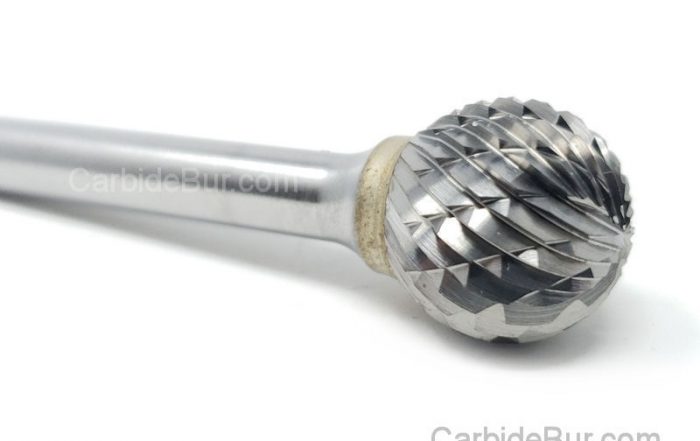
Best Carbide Burr for Removing Flash From Castings
Best Carbide Burr for Removing Flash From Castings Removing flash from castings is a task that can slow down your entire metalworking process if you don’t have the right tools. Picking the best carbide burr [...]
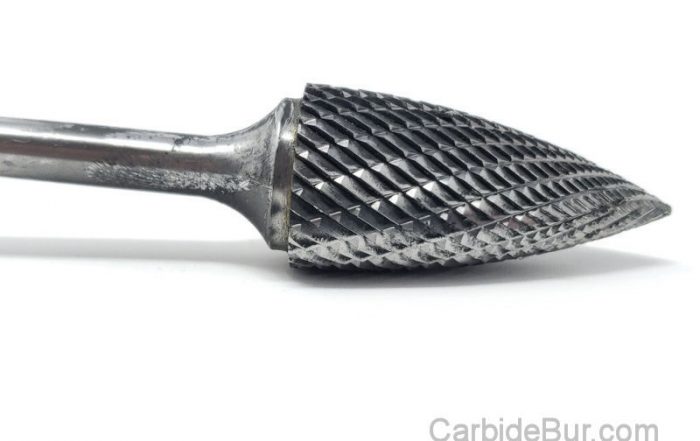
What RPM Should You Use for a 1/4 Inch Carbide Burr?
What RPM Should You Use for a 1/4 Inch Carbide Burr? Most machinists guess the right speed for a 1/4 inch carbide burr and hope for the best. Using the wrong carbide burr RPM can [...]
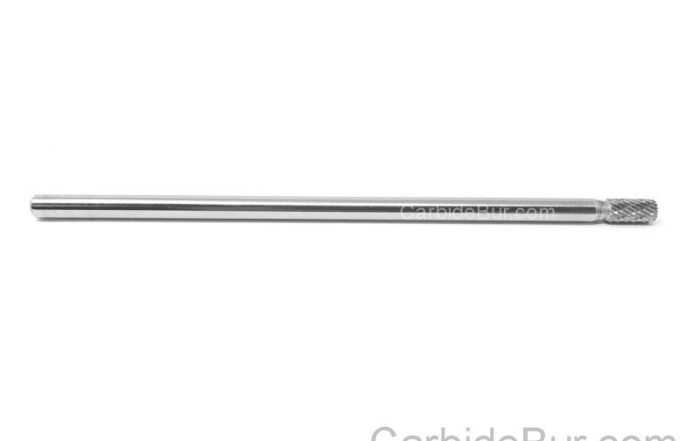
Long Shank Carbide Burrs: When Do You Need One?
Long Shank Carbide Burrs: When Do You Need One? Most machinists overlook the power of long shank carbide burrs until a project demands precision in tight spaces. When your usual tools can’t reach intricate contours, [...]
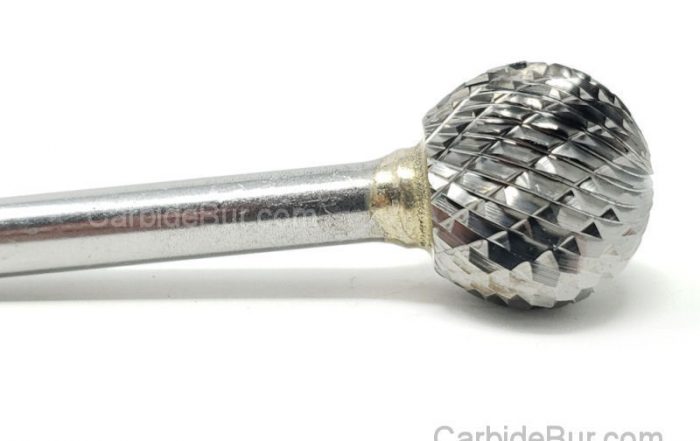
How Deep Can a Carbide Burr Cut Metal?
How Deep Can a Carbide Burr Cut Metal? Carbide burrs often get praised for their precision, but many users hit a wall wondering how deep they can actually cut metal. The truth is, cutting depth [...]
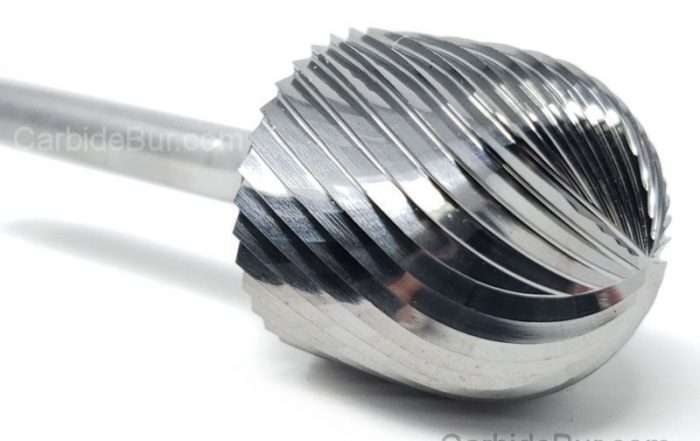
How to Use Carbide Burrs for Port Matching
How to Use Carbide Burrs for Port Matching Most engine builds hit a wall when airflow doesn’t flow smoothly between the ports and manifolds. If your engine isn’t breathing right, your performance stalls. Using the [...]
Best Carbide Burr for Porting Intake Manifolds
Best Carbide Burr for Porting Intake Manifolds Porting intake manifolds can make or break your engine’s airflow, yet many struggle with the right tools for the job. Choosing the best carbide burrs is key to [...]
Best Carbide Burr for Concave Surfaces
Best Carbide Burr for Concave Surfaces Concave surfaces can turn a straightforward project into a frustrating challenge if you don’t have the right tool. Carbide burrs designed for these tricky curves make all the difference [...]
How to Grind a Slot in Metal With a Carbide Burr
How to Grind a Slot in Metal With a Carbide Burr Grinding a precise slot in metal can feel like a tricky task, especially if you’re unsure which tools to trust. Carbide burr grinding offers [...]

Best Carbide Burr for Inside Corners
Best Carbide Burr for Inside Corners Working in tight inside corners can turn even simple projects into frustrating tasks. Many carbide burrs just don’t fit or cut cleanly where you need them most. The best [...]
What Size Carbide Burr Do I Need?
What Size Carbide Burr Do I Need? Picking the wrong carbide burr can turn a simple project into a frustrating mess. You might have the best machining tools but still miss the mark if your [...]
How to Smooth Sharp Metal Edges With a Carbide Burr
How to Smooth Sharp Metal Edges With a Carbide Burr Sharp metal edges can turn your project from professional to risky in seconds. If you’ve struggled with smoothing metal edges without scratching or weakening the [...]
