
A Machinist’s Guide to Surface Finishing Tools: Fine vs Coarse Carbide Burrs
Most machinists think all carbide burrs do the same job. That’s a costly mistake when your project demands either smooth precision or fast material removal. Choosing between a fine cut carbide burr and a coarse cut carbide burr shapes how well your surface finishing tools perform. This burr comparison will help you pick the right tool for every task, saving time and improving your results. Learn more about carbide burrs here.
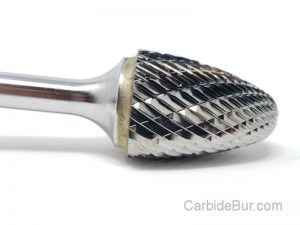
Check out this selection of USA made carbide burs
Introduction to Carbide Burrs
Understanding Carbide Burrs
Carbide burrs might look simple, but they’re essential in shaping and finishing surfaces. These tools come in various cuts and sizes, each suited for specific tasks. Whether you’re smoothing or removing material, understanding the function of each burr type is crucial. Each type of carbide burr has unique benefits that can improve efficiency and accuracy in your work.
Carbide burrs are made from tungsten carbide, a material known for its strength and durability. This makes them perfect for working with hard materials like steel and iron. You can find these tools in single or double-cut styles, each providing different results. Explore diverse cut styles and their applications.
Importance in Machining
In machining, choosing the right tool can make or break a project. Carbide burrs play a pivotal role in this process. They help you achieve precise finishes and remove unwanted material quickly. Using the wrong type can lead to errors, wasted time, and increased costs. By selecting the right burr, you enhance your workflow and ensure high-quality results.
For machinists and DIY enthusiasts alike, knowing when to use a fine or coarse cut burr is vital. Fine cut burrs excel in precision tasks, while coarse cut burrs are best for rapid material removal. Understanding these differences is key to successful machining projects. Learn more about the differences between carbide burrs.
Fine Cut Carbide Burrs Explained
Precision Shaping Benefits
Fine cut carbide burrs are your go-to for precision tasks. They allow you to shape materials with great accuracy. These burrs are perfect for detailed work where smoothness is essential. The closely spaced teeth on fine cut burrs ensure minimal material removal, giving you control over the final shape.
These tools are ideal for projects requiring a polished finish. When working with metals or other hard surfaces, fine cut burrs provide a clean edge without roughness. This makes them indispensable in tasks where the appearance of the material is paramount. Watch a detailed demonstration of fine cut burrs in action.

Need a longer reach for your die grinder?
Ideal Applications
Fine cut burrs shine in applications where detail and smoothness are your main goals. Jewelers, for instance, use fine cut burrs to craft intricate designs. These burrs are also essential in automotive work, where precise fitting is crucial. When you need to refine edges or engrave patterns, fine cut burrs are the tool of choice.
In woodworking, these burrs help create smooth surfaces and intricate designs. They’re also used in metalworking to achieve a high-gloss finish. Whenever you need control and precision, fine cut burrs deliver superior results. Understand more about how carbide burrs function in air tools.
Coarse Cut Carbide Burrs Explained
Rapid Material Removal
Coarse cut carbide burrs excel in removing material quickly. Their aggressive design allows for fast cuts and efficient material removal. When speed is your priority, and the finish is secondary, coarse cut burrs are the tool you need. They are equipped with fewer, larger teeth, making them ideal for heavy-duty work.
These burrs save you time by removing large amounts of material fast. In projects where rough shaping is necessary, a coarse cut burr is the best choice. It’s perfect for initial cuts that require less precision. Discover how different burrs are used in machining.
Aggressive Grinding Uses
For projects requiring aggressive material removal, coarse cut burrs are unmatched. They’re used extensively in metal fabrication, where grinding down welds is common. Coarse cut burrs also handle tasks like removing rust or paint from surfaces efficiently.
In construction, these burrs are used for cutting through thick materials swiftly. They are essential tools in areas where large amounts of material need to be cleared quickly. When you face heavy-duty tasks, choose coarse cut burrs for the best results. Gain more insights on single cut vs. double cut burrs.
Comparing Fine and Coarse Burrs
Advantages of Each Type
Each type of burr offers distinct advantages. Fine cut burrs provide control and smooth finishes. They’re perfect for tasks where precision is key. Coarse cut burrs, on the other hand, remove material quickly and efficiently. They’re ideal for projects where speed is more important than the finish.
Both types have unique roles in machining. Understanding these roles helps you choose the right burr for your needs. Whether you’re smoothing surfaces or cutting through materials, having the right burr makes all the difference.
Choosing the Right Burr
Choosing the right burr depends on your project requirements. Consider the material you’re working with and the desired outcome. Fine cut burrs are best for detail and finish, whereas coarse cut burrs are suited for fast material removal.
Evaluate your project’s needs to determine which burr will deliver optimal results. By selecting the right tool, you can improve your efficiency and achieve the desired finish. Remember, the right burr can transform your machining process and boost your productivity.
Selecting the Right Tool for Your Project
Factors to Consider
When choosing a carbide burr, consider these factors:
-
Material Type: Different materials require different burr types.
-
Desired Finish: Precision vs. speed will dictate your choice.
-
Project Scope: Identify whether detail or rough shaping is needed.
Tips for Optimal Performance
To get the most out of your carbide burrs:
-
Use the Right Speed: Adjust your tool’s speed for the material.
-
Maintain Your Tools: Regular cleaning extends tool life.
-
Experiment with Techniques: Try different methods to find what works best for you.
By understanding these aspects, you’ll make informed decisions that enhance your work quality and efficiency. The choice between fine and coarse cut burrs can significantly impact your results, so choose wisely for the best outcomes in your projects.
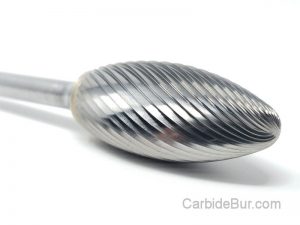
Looking for Carbide Bur Tools?
Check out our entire selection of USA made carbide bur die grinder tool bits
Follow us on Twitter

Return to CarbideBur.com
Carbide Burs – 1/4″ on 1/8″ Shanks – Accessories – Aluminum Cut – Bur Sets – End Mills – Long Shank – Solid Burs
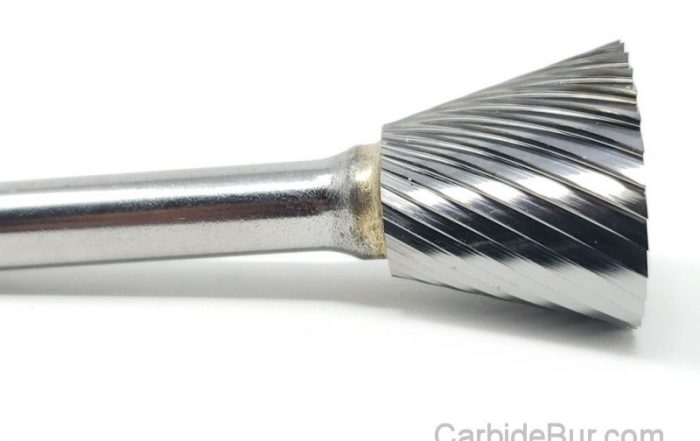
1/8 vs 1/4 Inch Carbide Burrs: What’s the Difference?
1/8 vs 1/4 Inch Carbide Burrs: What's the Difference? Choosing between a 1/8 inch carbide burr and a 1/4 inch carbide burr can change how your project turns out. Many machinists and hobbyists overlook how [...]
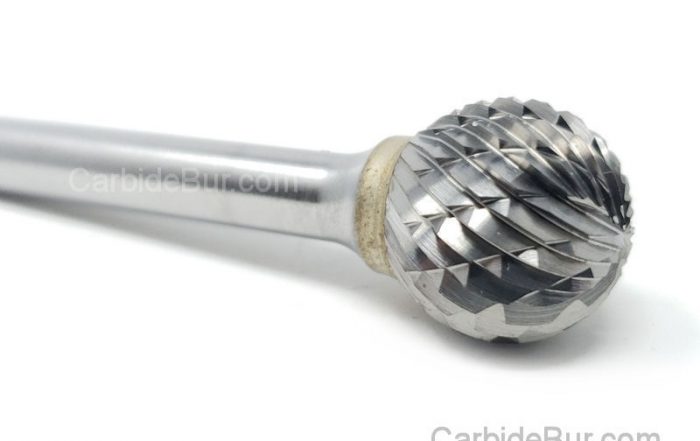
Best Carbide Burr for Removing Flash From Castings
Best Carbide Burr for Removing Flash From Castings Removing flash from castings is a task that can slow down your entire metalworking process if you don’t have the right tools. Picking the best carbide burr [...]
What RPM Should You Use for a 1/4 Inch Carbide Burr?
What RPM Should You Use for a 1/4 Inch Carbide Burr? Most machinists guess the right speed for a 1/4 inch carbide burr and hope for the best. Using the wrong carbide burr RPM can [...]
Long Shank Carbide Burrs: When Do You Need One?
Long Shank Carbide Burrs: When Do You Need One? Most machinists overlook the power of long shank carbide burrs until a project demands precision in tight spaces. When your usual tools can’t reach intricate contours, [...]
How Deep Can a Carbide Burr Cut Metal?
How Deep Can a Carbide Burr Cut Metal? Carbide burrs often get praised for their precision, but many users hit a wall wondering how deep they can actually cut metal. The truth is, cutting depth [...]
How to Use Carbide Burrs for Port Matching
How to Use Carbide Burrs for Port Matching Most engine builds hit a wall when airflow doesn’t flow smoothly between the ports and manifolds. If your engine isn’t breathing right, your performance stalls. Using the [...]
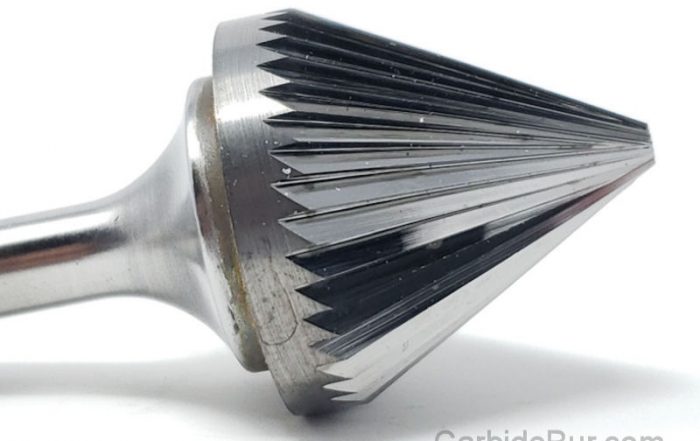
Best Carbide Burr for Porting Intake Manifolds
Best Carbide Burr for Porting Intake Manifolds Porting intake manifolds can make or break your engine’s airflow, yet many struggle with the right tools for the job. Choosing the best carbide burrs is key to [...]
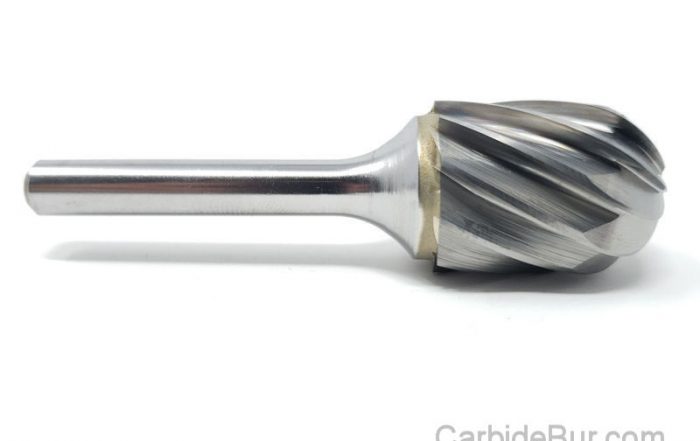
Best Carbide Burr for Concave Surfaces
Best Carbide Burr for Concave Surfaces Concave surfaces can turn a straightforward project into a frustrating challenge if you don’t have the right tool. Carbide burrs designed for these tricky curves make all the difference [...]
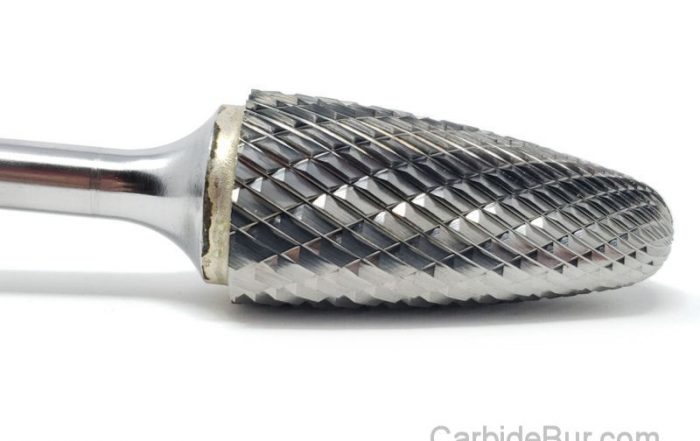
How to Grind a Slot in Metal With a Carbide Burr
How to Grind a Slot in Metal With a Carbide Burr Grinding a precise slot in metal can feel like a tricky task, especially if you’re unsure which tools to trust. Carbide burr grinding offers [...]

Best Carbide Burr for Inside Corners
Best Carbide Burr for Inside Corners Working in tight inside corners can turn even simple projects into frustrating tasks. Many carbide burrs just don’t fit or cut cleanly where you need them most. The best [...]
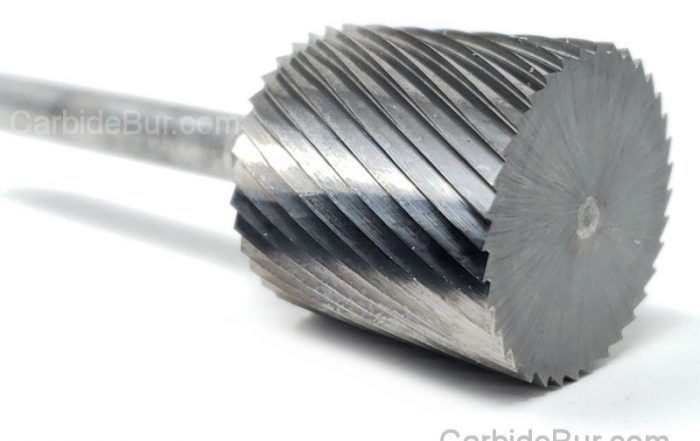
What Size Carbide Burr Do I Need?
What Size Carbide Burr Do I Need? Picking the wrong carbide burr can turn a simple project into a frustrating mess. You might have the best machining tools but still miss the mark if your [...]
How to Smooth Sharp Metal Edges With a Carbide Burr
How to Smooth Sharp Metal Edges With a Carbide Burr Sharp metal edges can turn your project from professional to risky in seconds. If you’ve struggled with smoothing metal edges without scratching or weakening the [...]
