
Mastering Rust Removal: How to Use Carbide Burrs for Pristine Metal Surfaces
Rust on your metal projects can turn hours of work into frustration. Scraping or sanding often leaves behind stubborn patches and uneven surfaces. Using a carbide burr changes the game, giving you precise control and cleaner results for metal surface preparation. Let’s break down the best rust removal techniques with grinding burrs so your metal shines like new. For more detailed guidance on carbide burrs, check out this comprehensive guide.
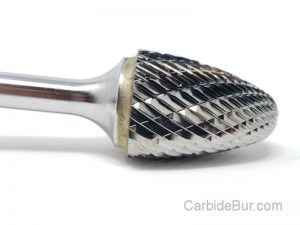
Check out this selection of USA made carbide burs
Understanding Carbide Burrs
Before diving into rust removal techniques, it’s crucial to grasp what makes carbide burrs such an effective tool. These powerful tools offer precision and efficiency that transform your metalworking tasks.
What Are Carbide Burrs?
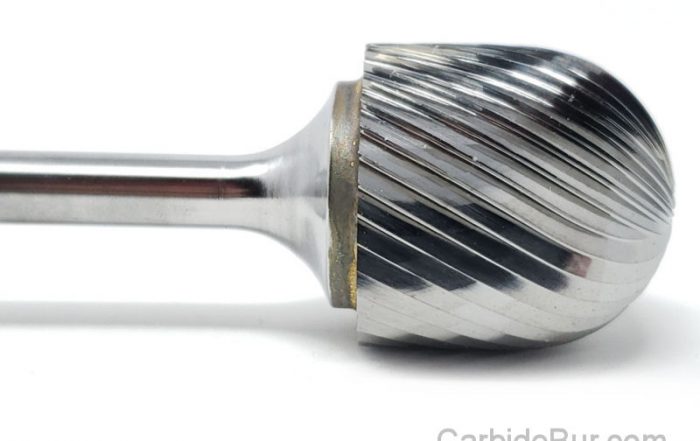
Carbide burrs are rotary bits used in various applications, especially in metalworking. They are composed of tungsten carbide, which is incredibly hard and durable. You attach them to rotary tools like die grinders. This allows you to shape, smooth, and remove material from metal surfaces. The primary advantage of using carbide burrs is their ability to cut through tough materials with ease. This quality makes them perfect for rust removal, providing the control you need to work on intricate or large metal surfaces. By understanding their versatility, you can unlock new possibilities in your metal projects.
Benefits of Carbide in Rust Removal
When it comes to rust removal, carbide burrs stand out due to their strength and precision. The sharp edges are designed to handle the toughest rust patches without damaging the metal underneath. Here’s why they’re indispensable:
-
Precision control: Tackle even the smallest details.
-
Durability: Lasts longer than other tools, saving you money.
-
Versatility: Works on different metal types and surfaces.
By using carbide burrs, you’re equipped with a tool that not only cleans but also enhances the quality of your work. The more you use them, the more you’ll appreciate their incredible benefits.
Choosing the Right Burr Shape
Selecting the right burr shape is key to achieving the best results. Different shapes suit various tasks, depending on the surface and complexity of the rust removal. Here’s a quick guide to help you choose:
-
Cylinder: Best for flat surfaces.
-
Ball: Ideal for smoothing and contouring.
-
Taper: Great for reaching tight spots.
Understanding which shape fits your project will streamline your workflow and improve your results. Make sure you have a selection of shapes ready, so you can switch as needed.
Preparing Your Metal Surface
With a solid understanding of carbide burrs, you’re ready to prepare your metal surface. This step sets the foundation for effective rust removal and ensures a smooth process.
Essential Rust Removal Tools
Your toolkit should include more than just carbide burrs. You’ll need a few essential items to tackle rust efficiently:
-
Wire brushes: Perfect for initial cleaning.
-
Sandpaper: Smooths out any remaining rough patches.
-
Protective gear: Safety goggles and gloves are a must.
Having these tools on hand ensures you’re ready for every step of the rust removal process. For additional tips on tool choices, explore this helpful article.
Safety Precautions to Follow
Safety should never take a backseat when working with metal tools. Here are key precautions to consider:
-
Wear protective gear: Goggles and gloves protect your eyes and hands.
-
Keep the workspace ventilated: Avoid inhaling dust and debris.
-
Secure your workpiece: Ensure the metal is stable before you start.
By prioritizing safety, you can focus on the task at hand without unnecessary risks. Remember, a safe workspace is a productive one.
Setting Up Your Workspace
Creating an efficient workspace is crucial in achieving great results. Here’s how to set up for success:
-
Organize your tools: Keep everything within reach.
-
Clear your area: Ensure ample space to move around.
-
Ensure good lighting: Visibility is key for precision work.
A well-organized workspace boosts your efficiency and helps you maintain focus. The right setup can make a significant difference in the quality of your metalwork.

Need a longer reach for your die grinder?
Effective Rust Removal Techniques
Now that you’re prepared, it’s time to dive into rust removal techniques. Understanding the right approach is crucial to restoring your metal surfaces.
Step-by-Step Burr Application
Using carbide burrs effectively requires a step-by-step approach:
-
Start with coarse burrs: Remove most of the rust quickly.
-
Move to finer burrs: Smooth the surface and fine-tune details.
-
Maintain steady pressure: Control ensures consistent results.
By following these steps, you’ll achieve a cleaner, smoother finish. Consistency in technique leads to higher-quality outcomes.
Techniques for Different Metals
Different metals require different techniques. Here’s how you can adjust your approach:
-
Steel: Use medium pressure to avoid overheating.
-
Aluminum: Opt for lighter pressure to prevent gouging.
-
Copper: Keep movements slow and controlled.
Adapting your technique to the metal type ensures effective rust removal without causing damage. Your understanding of metal characteristics will guide this process.
Achieving a Pristine Finish
Achieving a spotless finish is the goal of any rust removal project. To ensure the best results:
-
Inspect your work: Check for any remaining rust patches.
-
Polish with fine burrs: This brings out the shine.
-
Apply metal polish: Protects and maintains the surface.
These final touches enhance the appearance and longevity of your metal projects. For more expert advice, consider visiting this discussion on rust removal.
Maintaining Your Grinding Burrs
Once your rust removal is complete, it’s vital to maintain your equipment. Proper care of your grinding burrs ensures they stay effective for future projects.
Cleaning and Storage Tips
Maintaining your burrs involves cleaning and storing them properly. Here’s how:
-
Clean after use: Remove residue with a wire brush or compressed air.
-
Store in a dry place: Moisture can cause damage.
Proper maintenance extends the life of your tools and ensures they’re ready for your next project. Good habits make a big difference over time.
Extending Burr Longevity
To make the most of your investment, focus on extending the life of your burrs:
-
Avoid excess pressure: It accelerates wear.
-
Use the right speed: Follow manufacturer guidelines.
These practices help your burrs last longer, saving you money in the long run. Longevity comes from consistent, careful use.
Recognizing Wear and Tear
Knowing when to replace your burrs is crucial. Watch for these signs:
-
Reduced cutting efficiency: They take longer to remove material.
-
Visible wear: Noticeable dullness or damage.
Recognizing these signs allows you to maintain the quality of your work. Replacing worn tools ensures continued success in your projects.
Enhancing Your DIY Projects
With your skills honed and tools in top shape, it’s time to apply what you’ve learned to your DIY projects. Carbide burrs open up new possibilities for creativity.
Inspiring Metalwork Ideas
Ready to take on new projects? Here are some ideas:
-
Custom metal wall art
-
Handcrafted garden sculptures
-
Unique furniture pieces
These projects are just the beginning. Your creativity can lead to endless possibilities in metalwork.
Building Confidence in Metalwork
Gaining confidence in your skills is empowering. Here’s how to build it:
-
Practice regularly: Improve and refine your techniques.
-
Challenge yourself: Try increasingly complex projects.
Confidence grows with experience. The more you create, the more skilled you become, leading to greater satisfaction.
Sharing Your Success Online
Celebrate your achievements by sharing them online. Here’s why it matters:
-
Inspire others: Showcasing your projects motivates fellow DIYers.
-
Connect with communities: Join forums and social media groups.
Sharing your work fosters a sense of community and encourages continuous learning. Your journey can inspire others to start their own. For more insights on metalworking, refer to this resource on rust removal techniques.
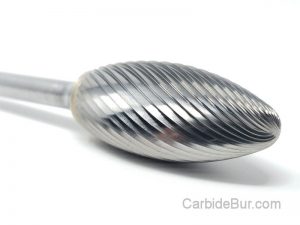
Looking for Carbide Bur Tools?
Check out our entire selection of USA made carbide bur die grinder tool bits
Follow us on Twitter

Return to CarbideBur.com
Carbide Burs – 1/4″ on 1/8″ Shanks – Accessories – Aluminum Cut – Bur Sets – End Mills – Long Shank – Solid Burs
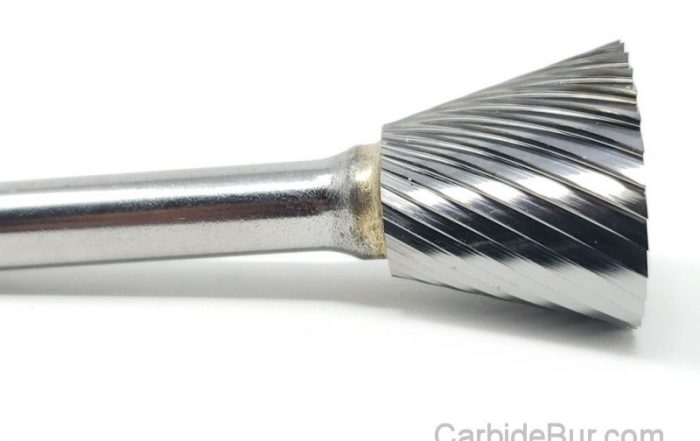
1/8 vs 1/4 Inch Carbide Burrs: What’s the Difference?
1/8 vs 1/4 Inch Carbide Burrs: What's the Difference? Choosing between a 1/8 inch carbide burr and a 1/4 inch carbide burr can change how your project turns out. Many machinists and hobbyists overlook how [...]
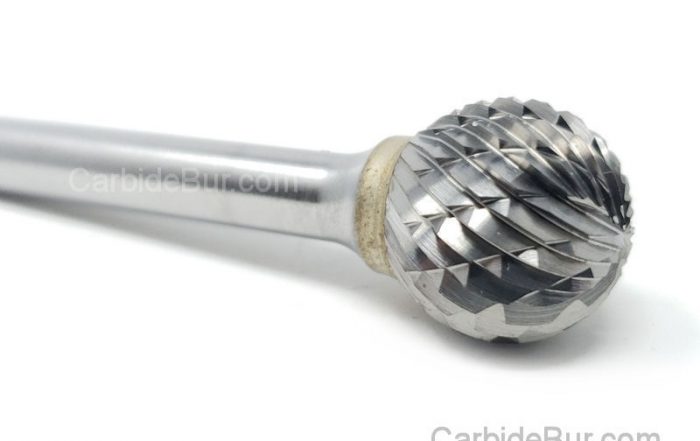
Best Carbide Burr for Removing Flash From Castings
Best Carbide Burr for Removing Flash From Castings Removing flash from castings is a task that can slow down your entire metalworking process if you don’t have the right tools. Picking the best carbide burr [...]
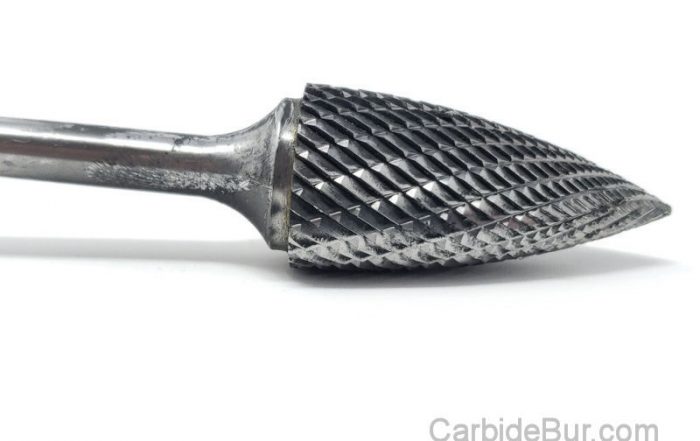
What RPM Should You Use for a 1/4 Inch Carbide Burr?
What RPM Should You Use for a 1/4 Inch Carbide Burr? Most machinists guess the right speed for a 1/4 inch carbide burr and hope for the best. Using the wrong carbide burr RPM can [...]
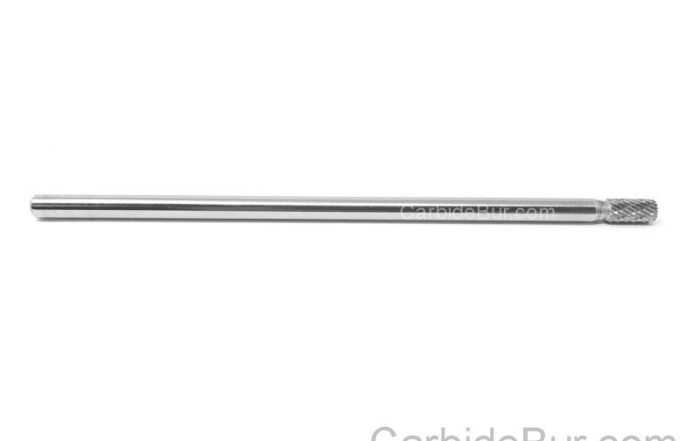
Long Shank Carbide Burrs: When Do You Need One?
Long Shank Carbide Burrs: When Do You Need One? Most machinists overlook the power of long shank carbide burrs until a project demands precision in tight spaces. When your usual tools can’t reach intricate contours, [...]
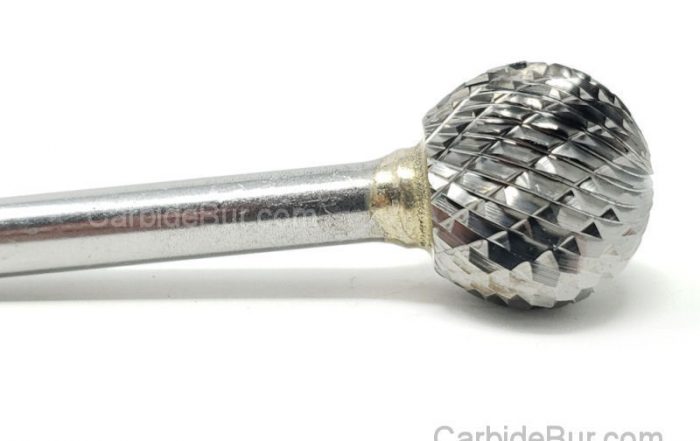
How Deep Can a Carbide Burr Cut Metal?
How Deep Can a Carbide Burr Cut Metal? Carbide burrs often get praised for their precision, but many users hit a wall wondering how deep they can actually cut metal. The truth is, cutting depth [...]
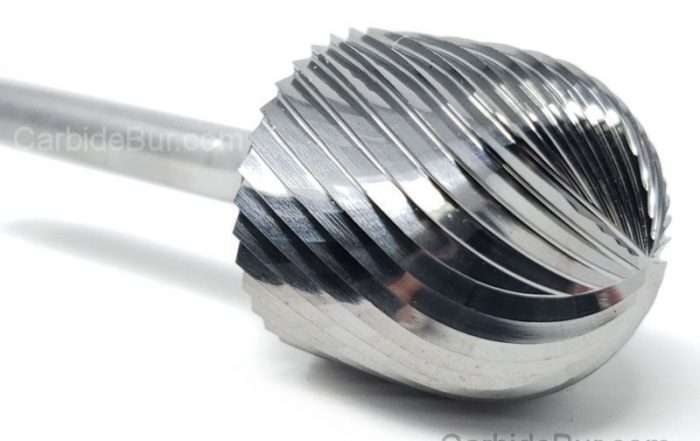
How to Use Carbide Burrs for Port Matching
How to Use Carbide Burrs for Port Matching Most engine builds hit a wall when airflow doesn’t flow smoothly between the ports and manifolds. If your engine isn’t breathing right, your performance stalls. Using the [...]
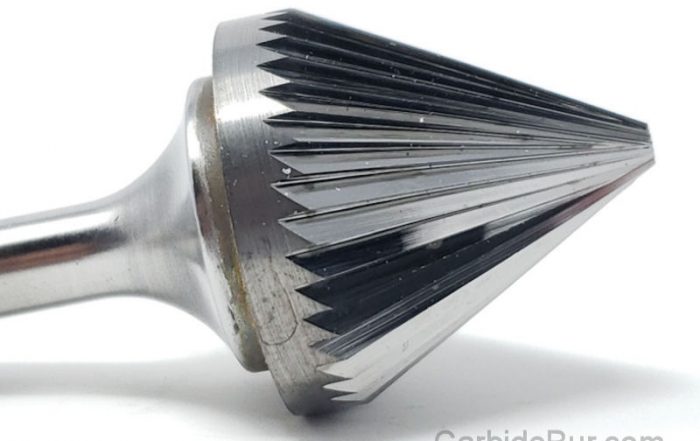
Best Carbide Burr for Porting Intake Manifolds
Best Carbide Burr for Porting Intake Manifolds Porting intake manifolds can make or break your engine’s airflow, yet many struggle with the right tools for the job. Choosing the best carbide burrs is key to [...]
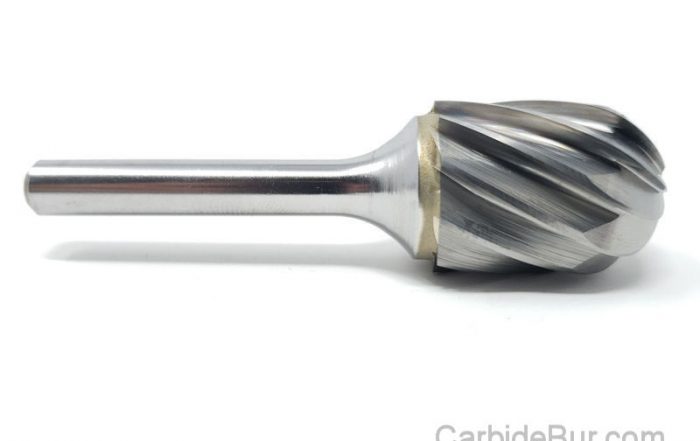
Best Carbide Burr for Concave Surfaces
Best Carbide Burr for Concave Surfaces Concave surfaces can turn a straightforward project into a frustrating challenge if you don’t have the right tool. Carbide burrs designed for these tricky curves make all the difference [...]
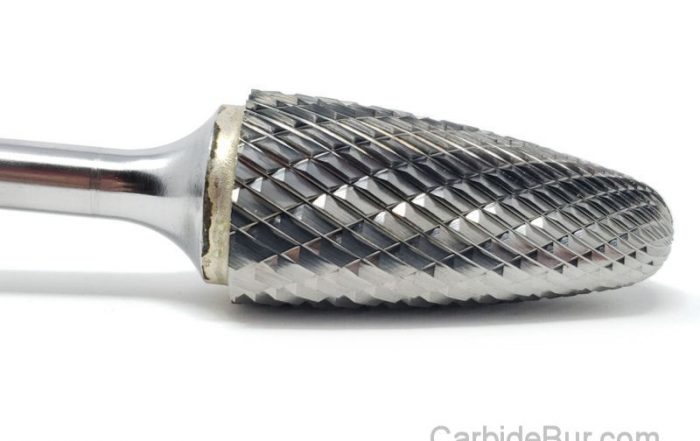
How to Grind a Slot in Metal With a Carbide Burr
How to Grind a Slot in Metal With a Carbide Burr Grinding a precise slot in metal can feel like a tricky task, especially if you’re unsure which tools to trust. Carbide burr grinding offers [...]

Best Carbide Burr for Inside Corners
Best Carbide Burr for Inside Corners Working in tight inside corners can turn even simple projects into frustrating tasks. Many carbide burrs just don’t fit or cut cleanly where you need them most. The best [...]
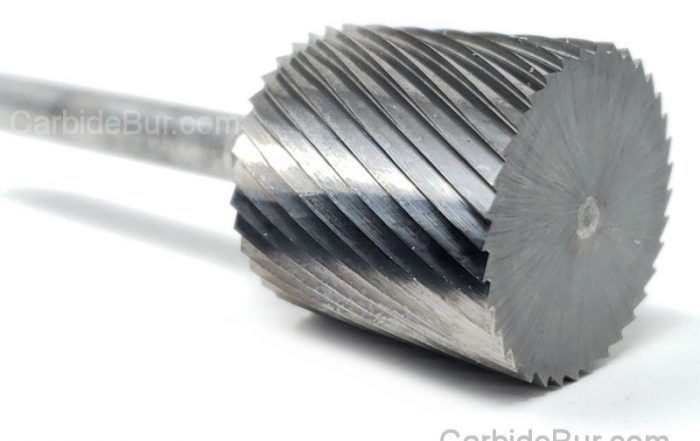
What Size Carbide Burr Do I Need?
What Size Carbide Burr Do I Need? Picking the wrong carbide burr can turn a simple project into a frustrating mess. You might have the best machining tools but still miss the mark if your [...]
How to Smooth Sharp Metal Edges With a Carbide Burr
How to Smooth Sharp Metal Edges With a Carbide Burr Sharp metal edges can turn your project from professional to risky in seconds. If you’ve struggled with smoothing metal edges without scratching or weakening the [...]
