
Mastering Aluminum Machining: The Role of Carbide Burrs in Precision Cutting
Cutting aluminum can be tricky if you don’t have the right tools. Carbide burrs stand out when machining aluminum because they handle its soft yet tough nature without gumming up. Knowing which burr shapes and sizes work best can save you time and deliver cleaner results. Let’s break down how these tools make aluminum fabrication smoother and more precise for your projects. For more insights, check out this guide on choosing and using carbide burrs for aluminum projects.
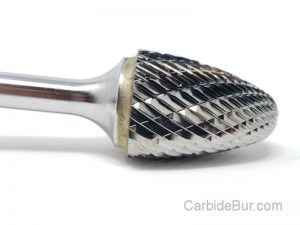
Check out this selection of USA made carbide burs
Understanding Aluminum in Machining
Aluminum is a favorite in many industries, known for its versatility and strength. But what makes it stand out when it comes to machining?
Properties of Aluminum
Aluminum is light yet strong, making it ideal for parts that need to withstand stress without the extra weight. It resists corrosion, which means it lasts longer in harsh environments. Its thermal and electrical conductivity also makes it valuable in electrical applications.
-
Lightweight: Easy to handle and shape.
-
Corrosion-resistant: Great for outdoor use.
-
Conductive: Perfect for electrical industries.
Benefits for Fabrication
Why do machinists love aluminum? It’s easy to work with and can be shaped into complex forms. You can cut, drill, and mold it without much hassle. Plus, recycling aluminum is quite simple, making it an eco-friendly choice.
-
Ease of machining: Saves time and effort.
-
Recyclability: Supports sustainable practices.
-
Versatile applications: Suitable for various projects.
Common Applications in Industry
Aluminum finds its way into many products we see daily. Think of the automotive world, where reducing weight boosts fuel efficiency. In construction, it’s used for both structural and decorative purposes. Electronics industries benefit from its conductive properties too.
-
Automotive: Lightweight parts for better mileage.
-
Construction: Durable and aesthetic structures.
-
Electronics: Key component in circuits and gadgets.
For a deeper dive into how aluminum interacts with burrs, explore this forum discussion.
Carbide Burrs: An Introduction
Carbide burrs are the unsung heroes in metalworking, designed to handle tricky materials like aluminum. Let’s see how they help in machining.
What Are Carbide Burrs?
Carbide burrs are rotary tools used for shaping, cutting, and grinding. Made from tungsten carbide, they are incredibly tough, which makes them last longer than other tools. You’ll find them in various shapes and sizes, each for a specific task.
-
Durable material: Tungsten carbide stands out.
-
Variety of shapes: Tailored for different uses.
-
Long-lasting: Reduces the need for frequent replacements.
Why Choose Carbide for Cutting?
Carbide burrs offer precision, allowing you to achieve clean edges and smooth finishes. Unlike regular tools, they don’t wear out quickly when working with hard materials. They’re also resistant to heat, which keeps them from losing their shape during intense jobs.
-
Precision cutting: Clean and accurate results.
-
Heat resistance: Maintains shape under pressure.
-
Durability: Withstands tough materials.
Comparing with Other Cutting Tools
Carbide burrs outshine other tools due to their strength and endurance. Unlike steel, they stay sharp longer and require less force. While high-speed steel tools are cheaper, they don’t match the lifespan of carbide. For more comparisons, check out this Instagram reel.
-
Carbide vs. Steel: Longer-lasting and sharper.
-
Cost vs. Value: Higher initial cost but better longevity.
-
Efficiency: Less force, more precision.
Best Carbide Burrs for Aluminum
Choosing the right burr is key to successful aluminum machining. Let’s look at the best shapes and sizes for your projects.

Need a longer reach for your die grinder?
Recommended Shapes for Precision
Different shapes serve different purposes. For aluminum, flute shapes like cylinder and ball work best. They prevent clogging, ensuring smooth cuts.
-
Cylinder shape: Ideal for flat surfaces.
-
Ball shape: Perfect for rounded edges.
-
Flutes: Prevents clogging.
Optimal Sizes for Various Tasks
Size matters when it comes to burrs. Smaller sizes are great for detail work, while larger ones handle broader areas. Choose the size based on your project needs.
-
Small burrs: For intricate designs.
-
Large burrs: For bigger, less detailed areas.
-
Size selection: Matches the complexity of the task.
Selecting Burrs for Specific Applications
Identifying the right burr for the job ensures efficiency. Use cutting burrs for removing material and finishing burrs for smoothing edges. Knowing the application saves time and enhances outcomes.
-
Cutting burrs: Material removal.
-
Finishing burrs: Smooth final touches.
-
Task matching: Boosts efficiency.
For more detailed recommendations, visit this comprehensive guide.
Techniques for Effective Aluminum Cutting
Preparation and technique are crucial for high-quality cuts. Here’s how to get the best results.
Preparing Aluminum for Machining
Start with a clean surface. Remove any dirt or oils that can interfere with cutting. Securing the material prevents shifts and helps in achieving precise cuts.
-
Clean surface: Reduces interference.
-
Secure material: Ensures stability.
-
Preparation: Key to precision.
Achieving Clean and Precise Cuts
Use consistent pressure and maintain a steady hand. Let the burr do the work without forcing it. This approach reduces tool wear and keeps edges sharp.
-
Consistent pressure: Prevents tool wear.
-
Steady hand: Achieves sharp edges.
-
Technique: Enhances finish.
Maintaining Your Carbide Burrs
Regular maintenance extends the life of your burrs. Clean them after each use to remove debris. Check for signs of wear and replace if necessary.
-
Regular cleaning: Removes debris.
-
Wear check: Ensures performance.
-
Tool care: Prolongs lifespan.
Enhancing Your Fabrication Projects
Improve your projects with a few tips and insights. Let’s explore how you can elevate your work.
Tips for Superior Results
Focus on precision and don’t rush. Double-check your setup before starting. Use the right tools for each task.
-
Precision focus: Key to quality.
-
Double-check setup: Avoids mistakes.
-
Right tools: Match tasks for success.
Common Mistakes to Avoid
Avoid using dull tools as they create rough edges. Don’t skip prep work or use the wrong burr size.
-
Dull tools: Cause rough edges.
-
Skipped prep: Leads to errors.
-
Wrong size: Reduces efficiency.
Future Trends in Aluminum Fabrication
Keep an eye on new materials and techniques. Innovations in burr design are making machining more efficient. Stay updated to leverage these advancements.
-
New materials: Enhance possibilities.
-
Technique innovations: Improve efficiency.
-
Stay updated: Gain a competitive edge.
For community insights and discussions on aluminum machining, join the conversation in this Facebook group.
By understanding aluminum properties and using the right tools, your fabrication projects can reach new heights. Keep exploring and refining your techniques to stay ahead in the field.
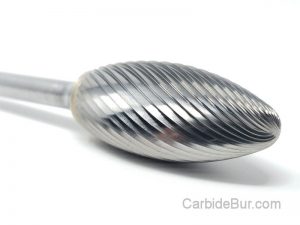
Looking for Carbide Bur Tools?
Check out our entire selection of USA made carbide bur die grinder tool bits
Follow us on Twitter

Return to CarbideBur.com
Carbide Burs – 1/4″ on 1/8″ Shanks – Accessories – Aluminum Cut – Bur Sets – End Mills – Long Shank – Solid Burs
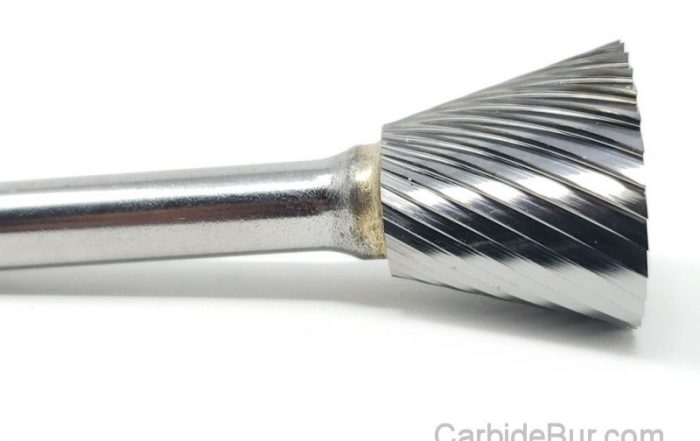
1/8 vs 1/4 Inch Carbide Burrs: What’s the Difference?
1/8 vs 1/4 Inch Carbide Burrs: What's the Difference? Choosing between a 1/8 inch carbide burr and a 1/4 inch carbide burr can change how your project turns out. Many machinists and hobbyists overlook how [...]

Best Carbide Burr for Removing Flash From Castings
Best Carbide Burr for Removing Flash From Castings Removing flash from castings is a task that can slow down your entire metalworking process if you don’t have the right tools. Picking the best carbide burr [...]
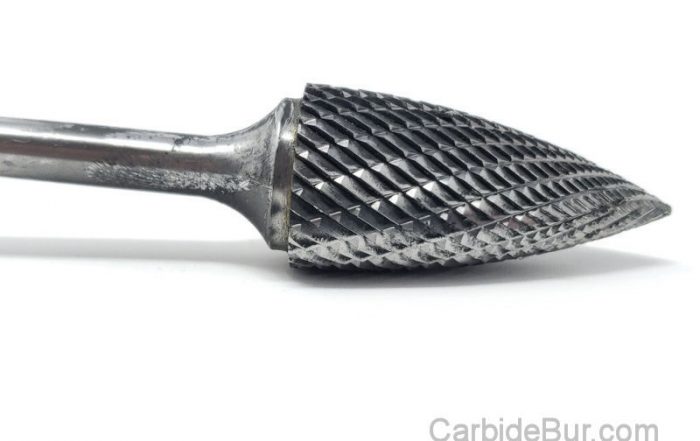
What RPM Should You Use for a 1/4 Inch Carbide Burr?
What RPM Should You Use for a 1/4 Inch Carbide Burr? Most machinists guess the right speed for a 1/4 inch carbide burr and hope for the best. Using the wrong carbide burr RPM can [...]
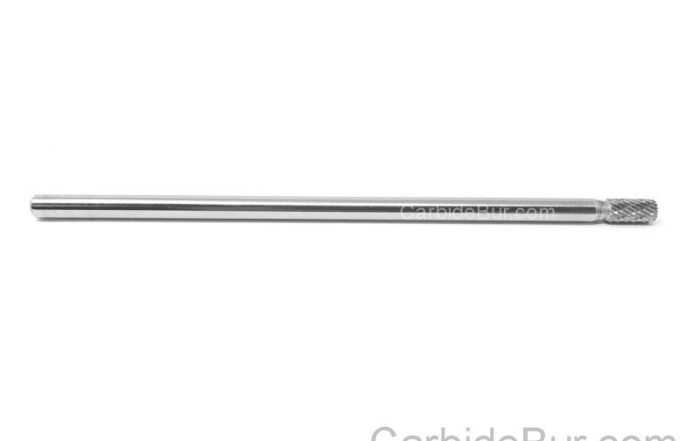
Long Shank Carbide Burrs: When Do You Need One?
Long Shank Carbide Burrs: When Do You Need One? Most machinists overlook the power of long shank carbide burrs until a project demands precision in tight spaces. When your usual tools can’t reach intricate contours, [...]
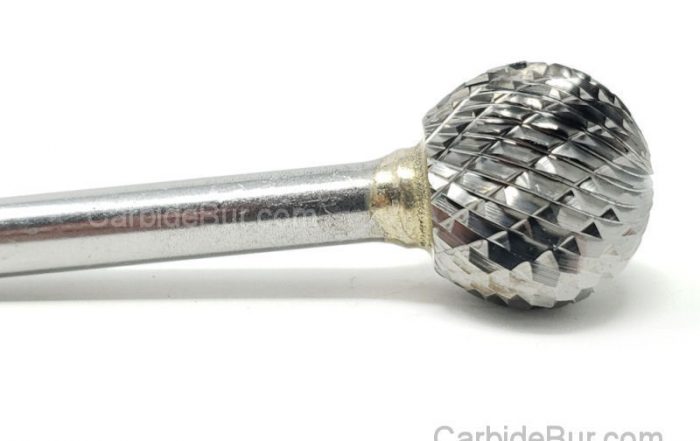
How Deep Can a Carbide Burr Cut Metal?
How Deep Can a Carbide Burr Cut Metal? Carbide burrs often get praised for their precision, but many users hit a wall wondering how deep they can actually cut metal. The truth is, cutting depth [...]
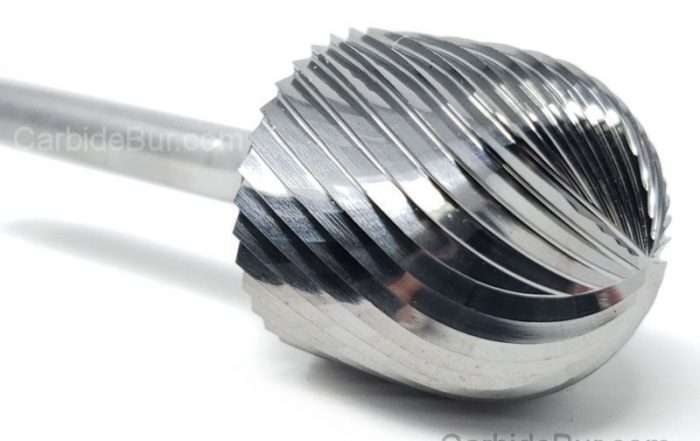
How to Use Carbide Burrs for Port Matching
How to Use Carbide Burrs for Port Matching Most engine builds hit a wall when airflow doesn’t flow smoothly between the ports and manifolds. If your engine isn’t breathing right, your performance stalls. Using the [...]
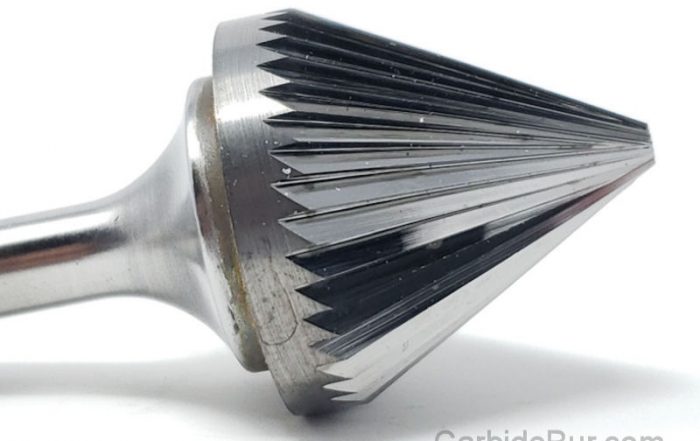
Best Carbide Burr for Porting Intake Manifolds
Best Carbide Burr for Porting Intake Manifolds Porting intake manifolds can make or break your engine’s airflow, yet many struggle with the right tools for the job. Choosing the best carbide burrs is key to [...]
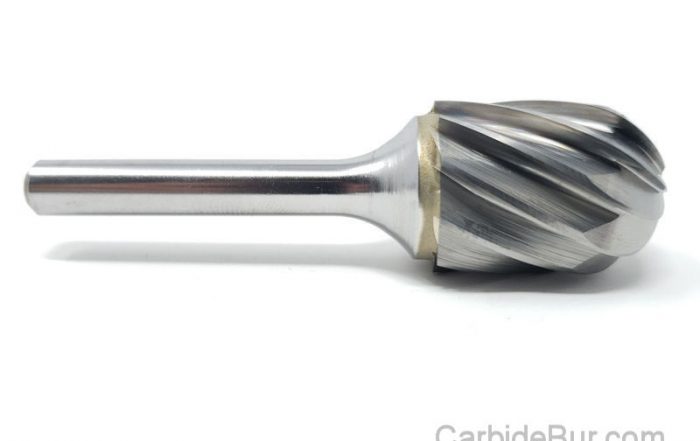
Best Carbide Burr for Concave Surfaces
Best Carbide Burr for Concave Surfaces Concave surfaces can turn a straightforward project into a frustrating challenge if you don’t have the right tool. Carbide burrs designed for these tricky curves make all the difference [...]
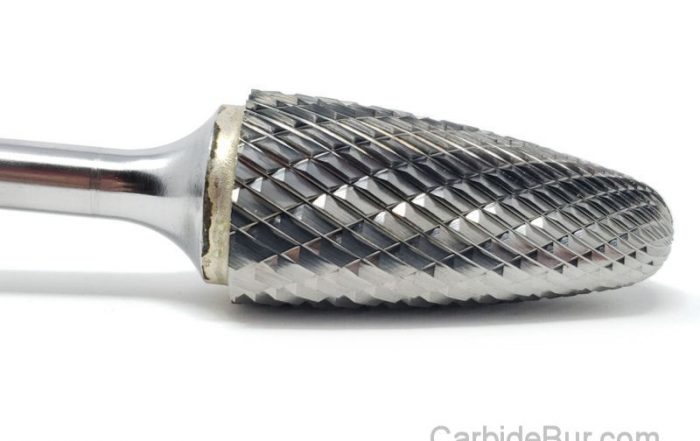
How to Grind a Slot in Metal With a Carbide Burr
How to Grind a Slot in Metal With a Carbide Burr Grinding a precise slot in metal can feel like a tricky task, especially if you’re unsure which tools to trust. Carbide burr grinding offers [...]

Best Carbide Burr for Inside Corners
Best Carbide Burr for Inside Corners Working in tight inside corners can turn even simple projects into frustrating tasks. Many carbide burrs just don’t fit or cut cleanly where you need them most. The best [...]
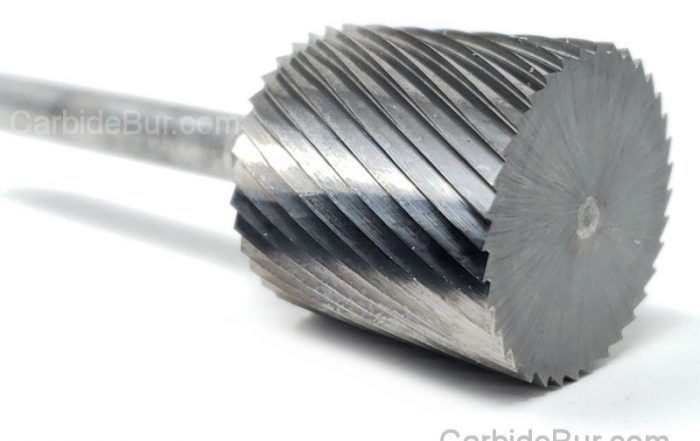
What Size Carbide Burr Do I Need?
What Size Carbide Burr Do I Need? Picking the wrong carbide burr can turn a simple project into a frustrating mess. You might have the best machining tools but still miss the mark if your [...]
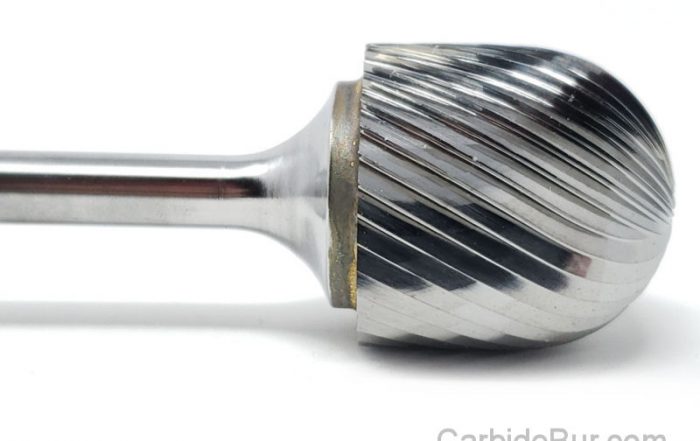
How to Smooth Sharp Metal Edges With a Carbide Burr
How to Smooth Sharp Metal Edges With a Carbide Burr Sharp metal edges can turn your project from professional to risky in seconds. If you’ve struggled with smoothing metal edges without scratching or weakening the [...]
