
The Ultimate Guide to Choosing the Best Die Grinder for Carbide Burrs
You’ve probably noticed that not all die grinders handle carbide burrs the same way. Picking the best die grinder means looking beyond brand names to motor power, speed settings, and the right collet sizes. In this guide, you’ll find clear die grinder recommendations and practical carbide burr usage tips that help you get the most from your tools and keep them running longer. Read on to find the perfect fit for your next project. For more detailed information on using carbide burrs, check out this guide.
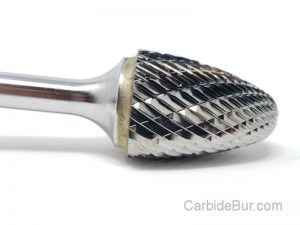
Check out this selection of USA made carbide burs
Key Features of Die Grinders
Choosing the right die grinder involves understanding its core elements. Let’s break down what makes one model stand out from another.
Understanding Motor Power
Motor power is crucial for die grinders. The more powerful the motor, the easier it is to work with hard materials like carbide burrs. A strong motor means fewer chances of stalling, providing smoother cuts. When you’re tackling heavy-duty projects, a high-power motor can save time and reduce frustration.
For most tasks, a die grinder with at least 0.25 horsepower should suffice. If you’re working with tougher materials, consider 0.50 horsepower or more. Remember, a higher power doesn’t always mean better results. It’s about matching the motor to your needs.
Importance of Speed Settings
Speed settings dictate how effectively you can use your die grinder. Variable speeds provide flexibility, letting you adjust for different materials and burr sizes. Lower speeds are ideal for delicate work, while higher speeds suit more aggressive tasks.
Look for grinders with ranges between 10,000 to 30,000 RPM. Such versatility ensures you can handle a variety of tasks smoothly. Speed control is key to achieving precision without damaging the material or the tool.
Choosing the Right Collet Size
Collet size affects what burrs you can use. Most grinders come with a 1/4-inch collet, compatible with many burrs. However, some tasks require different sizes.
Having a grinder with interchangeable collets can be beneficial. It allows you to switch between 1/4-inch and 1/8-inch sizes, depending on your project. This flexibility can make your grinder more versatile, accommodating various tasks and burr sizes.
Performance and Compatibility Factors
Now that you’re familiar with the key features, let’s explore how these elements affect performance and compatibility with carbide burrs.
Motor Power’s Impact on Performance
A robust motor enhances the performance of your die grinder. It ensures consistent speed under load, preventing the grinder from bogging down. This reliability is essential when working with dense materials like carbide burrs.
When the motor maintains steady power, you achieve cleaner cuts and faster completion times. This performance level is crucial for professionals who need precision and efficiency in their work.

Need a longer reach for your die grinder?
Speed Settings for Optimal Use
Correct speed settings optimize tool usage. Different materials and burrs require specific speeds for best results. Adjusting the RPM prevents overheating and extends the life of both the grinder and the burr.
Using the right speed helps avoid common issues like chattering and burning. This control allows for smoother finishes and increased productivity, especially in detailed tasks.
Collet Sizes and Burr Compatibility
Compatibility between collets and burrs is vital for effective grinding. A mismatch can lead to tool slippage or improper cuts, risking damage to both the grinder and the workpiece.
Ensure the collet securely holds the burr in place. This secure fit not only boosts performance but also enhances user safety. Properly matched collet sizes mean you can tackle any task without worry.
Die Grinder Recommendations
Having explored features and performance, let’s look at some top recommendations tailored for different users.
Top Models for Professionals
Professional-grade grinders offer durability and power. These models, often equipped with advanced features, are designed for heavy, consistent use. They maintain speed and power, even under stress.
Brands like Makita and DeWalt are renowned for their reliability. They offer models with high RPMs and robust motors, ensuring longevity and superior performance for demanding tasks.
Best Options for Hobbyists
Hobbyists need versatile yet affordable options. These models balance power with ease of use, perfect for occasional projects. They provide enough features to handle most tasks without overwhelming complexity.
Consider brands like Bosch and Milwaukee. These offer user-friendly grinders with sufficient power for DIY projects. They’re perfect for those new to using die grinders but who still want quality results.
Budget-Friendly Choices
Budget-friendly grinders are all about value. They provide necessary features without breaking the bank. Ideal for those who need a functional tool without professional-level demands.
Look at models from Ryobi or Black+Decker. These brands offer reliable grinders at accessible prices, making them suitable for light-duty tasks without compromising on essential features.
Maintenance and Usage Tips
To get the most from your grinder and burrs, proper maintenance and usage are crucial.
Carbide Burr Maintenance
Keeping your carbide burrs in top condition ensures long-lasting performance. Regular cleaning prevents material buildup, which can cause wear and tear. Use a brush to remove debris after each use.
Inspect burrs for damage frequently. Any cracks or chips can affect performance and safety. Replacing worn burrs promptly keeps your projects running smoothly and efficiently.
Extending Die Grinder Lifespan
Proper maintenance extends the life of your die grinder. Regularly check for loose parts and tighten them as needed. Lubricate moving components to reduce friction and wear.
Store your grinder in a dry place to prevent rust and corrosion. Regular care results in a reliable tool, ready for any project you tackle.
Effective Carbide Burr Usage
Using carbide burrs effectively requires practice and understanding. Apply even pressure and let the burr do the work. Avoid forcing the tool, which can cause overheating and damage.
Learn to adjust speed and pressure based on material hardness. This skill improves results and prolongs both tool and burr life, ensuring consistent project outcomes.
Making the Right Choice
With all this information, you’re ready to choose the perfect die grinder for your needs.
Assessing Your Project Needs
Identify your specific project requirements. Consider the materials you’ll work with and the tasks at hand. This clarity helps in selecting a grinder that matches your unique needs.
Think about how often you’ll use the tool. Frequent use may justify investing in a more durable model, while occasional use might warrant a budget-friendly option.
Comparing Die Grinder Features
When comparing grinders, focus on the features that matter most to you. Whether it’s motor power, speed settings, or collet compatibility, prioritize what’s important for your work.
Compare models side-by-side to see which offers the best combination of features and price. This process ensures a smart purchase that meets both your needs and budget.
Final Selection Tips
Make your final decision with confidence. Choose a grinder that aligns with your project goals and personal preferences. Ensure it offers the features you value most and fits within your budget.
Remember, the right die grinder can significantly enhance your work quality and efficiency. Invest wisely, and you’ll enjoy outstanding results with your carbide burr projects.
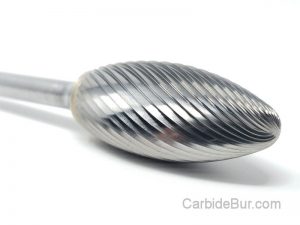
Looking for Carbide Bur Tools?
Check out our entire selection of USA made carbide bur die grinder tool bits
Follow us on Twitter

Return to CarbideBur.com
Carbide Burs – 1/4″ on 1/8″ Shanks – Accessories – Aluminum Cut – Bur Sets – End Mills – Long Shank – Solid Burs
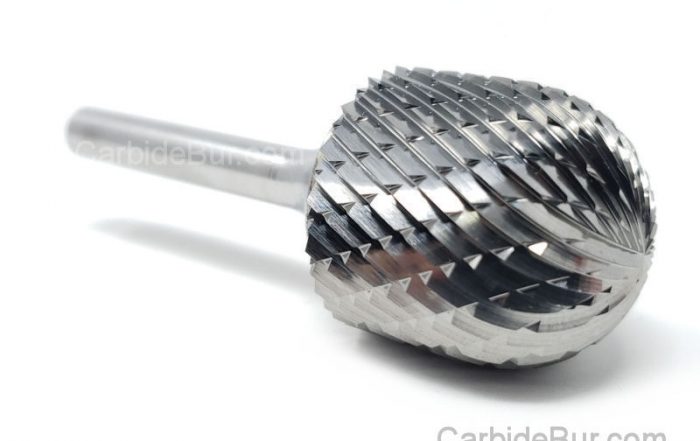
How to Use a Carbide Burr With a Die Grinder
How to Use a Carbide Burr With a Die Grinder Most people treat a carbide burr like just another tool, but using it with a die grinder takes skill. If you’ve struggled with burr installation [...]
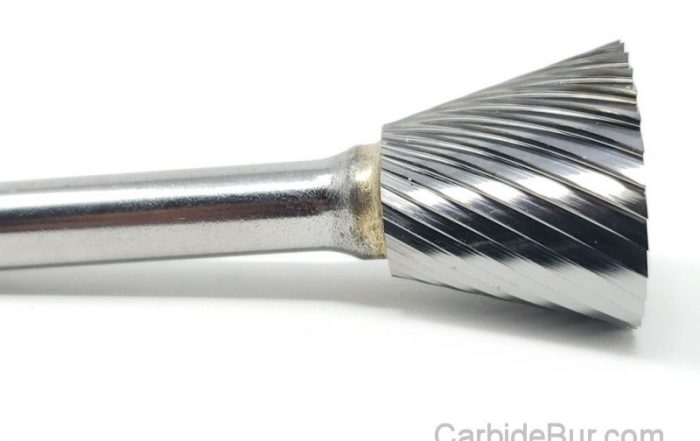
1/8 vs 1/4 Inch Carbide Burrs: What’s the Difference?
1/8 vs 1/4 Inch Carbide Burrs: What's the Difference? Choosing between a 1/8 inch carbide burr and a 1/4 inch carbide burr can change how your project turns out. Many machinists and hobbyists overlook how [...]
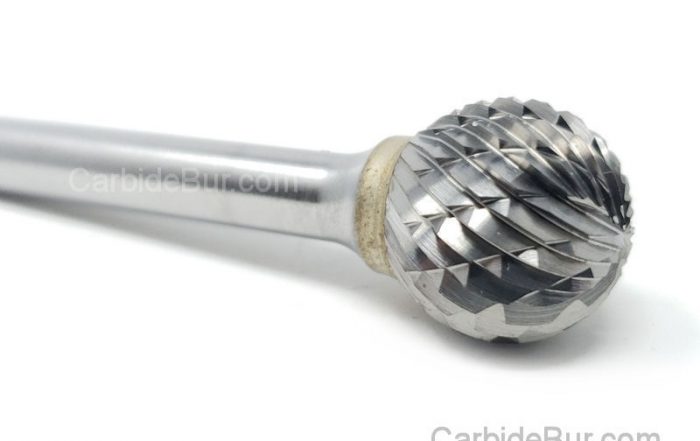
Best Carbide Burr for Removing Flash From Castings
Best Carbide Burr for Removing Flash From Castings Removing flash from castings is a task that can slow down your entire metalworking process if you don’t have the right tools. Picking the best carbide burr [...]
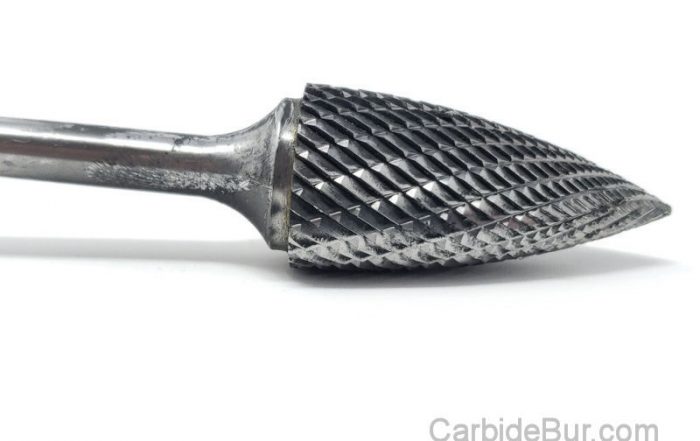
What RPM Should You Use for a 1/4 Inch Carbide Burr?
What RPM Should You Use for a 1/4 Inch Carbide Burr? Most machinists guess the right speed for a 1/4 inch carbide burr and hope for the best. Using the wrong carbide burr RPM can [...]
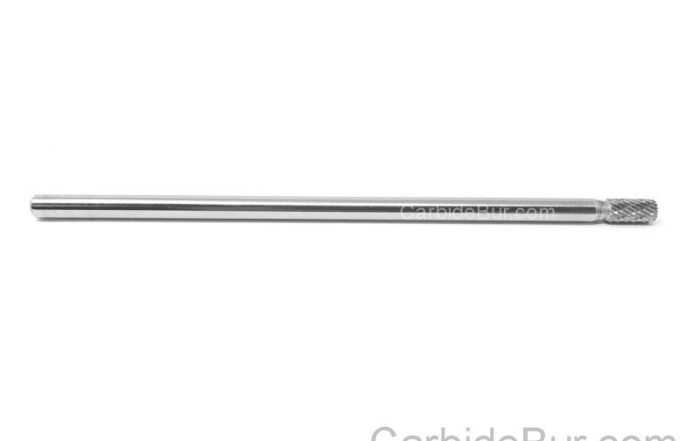
Long Shank Carbide Burrs: When Do You Need One?
Long Shank Carbide Burrs: When Do You Need One? Most machinists overlook the power of long shank carbide burrs until a project demands precision in tight spaces. When your usual tools can’t reach intricate contours, [...]
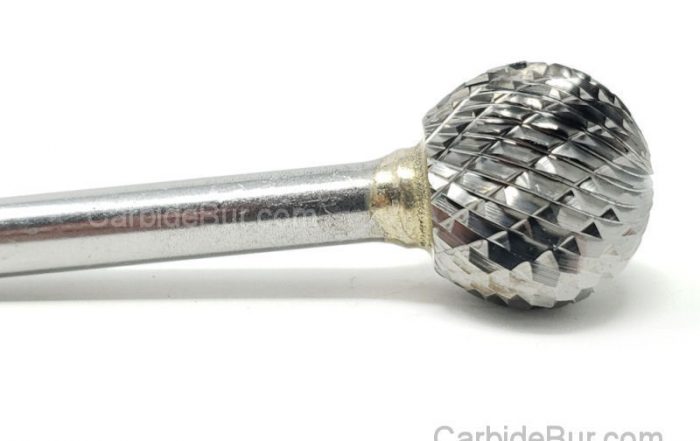
How Deep Can a Carbide Burr Cut Metal?
How Deep Can a Carbide Burr Cut Metal? Carbide burrs often get praised for their precision, but many users hit a wall wondering how deep they can actually cut metal. The truth is, cutting depth [...]
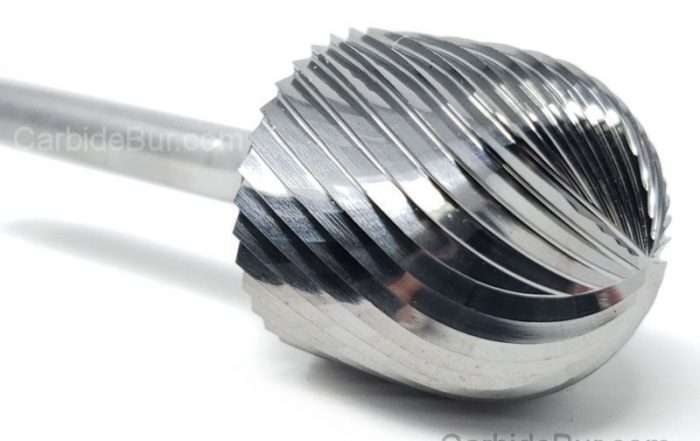
How to Use Carbide Burrs for Port Matching
How to Use Carbide Burrs for Port Matching Most engine builds hit a wall when airflow doesn’t flow smoothly between the ports and manifolds. If your engine isn’t breathing right, your performance stalls. Using the [...]
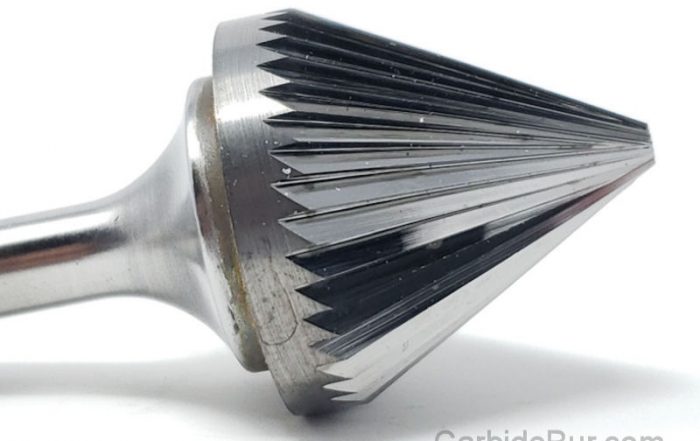
Best Carbide Burr for Porting Intake Manifolds
Best Carbide Burr for Porting Intake Manifolds Porting intake manifolds can make or break your engine’s airflow, yet many struggle with the right tools for the job. Choosing the best carbide burrs is key to [...]
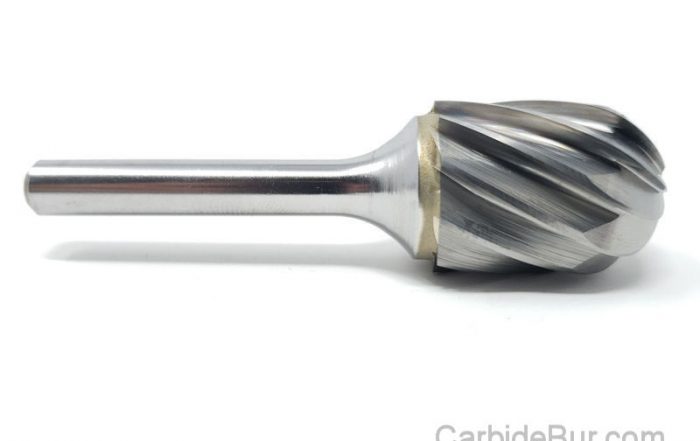
Best Carbide Burr for Concave Surfaces
Best Carbide Burr for Concave Surfaces Concave surfaces can turn a straightforward project into a frustrating challenge if you don’t have the right tool. Carbide burrs designed for these tricky curves make all the difference [...]
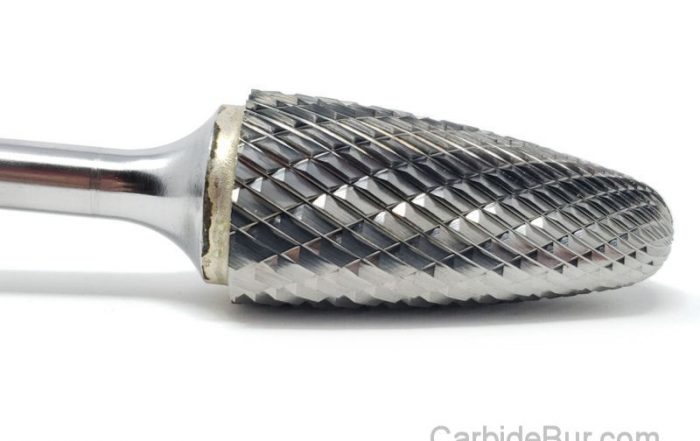
How to Grind a Slot in Metal With a Carbide Burr
How to Grind a Slot in Metal With a Carbide Burr Grinding a precise slot in metal can feel like a tricky task, especially if you’re unsure which tools to trust. Carbide burr grinding offers [...]

Best Carbide Burr for Inside Corners
Best Carbide Burr for Inside Corners Working in tight inside corners can turn even simple projects into frustrating tasks. Many carbide burrs just don’t fit or cut cleanly where you need them most. The best [...]
What Size Carbide Burr Do I Need?
What Size Carbide Burr Do I Need? Picking the wrong carbide burr can turn a simple project into a frustrating mess. You might have the best machining tools but still miss the mark if your [...]
