Are Carbide Burrs the Key to Cost-Effective Metalworking in a Pricey Market?
Tool prices keep climbing, and metalworkers are feeling the pinch when their tools wear out too fast. Cheaper options may save money upfront but often cost more in the long run due to frequent replacements. This buying guide breaks down the durability of carbide burrs, their cutting performance, and whether their tool lifespan justifies the initial price. Read on to see if investing in quality metalworking tools pays off in today’s market. For more insights, check out this buying guide for carbide inserts.

Have you seen our selection of carbide bur tools?
Exploring Carbide Burrs in Metalworking
Metalworking involves many tools, but carbide burrs stand out. This section introduces these tools and why they’re essential.
Understanding Carbide Burrs
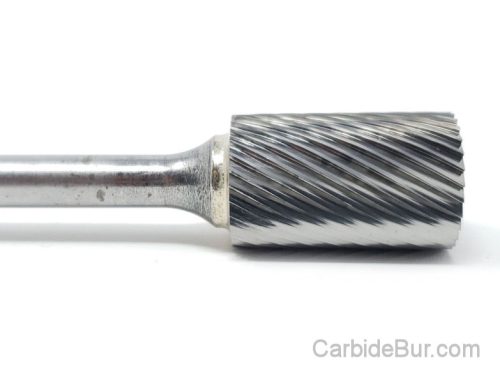
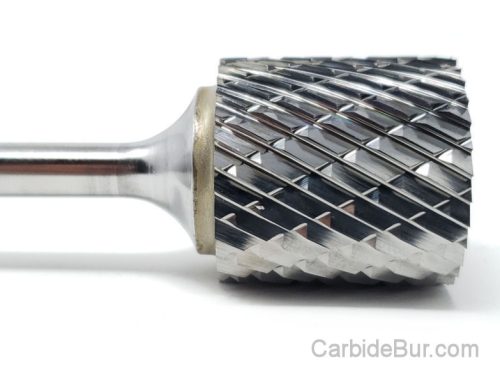
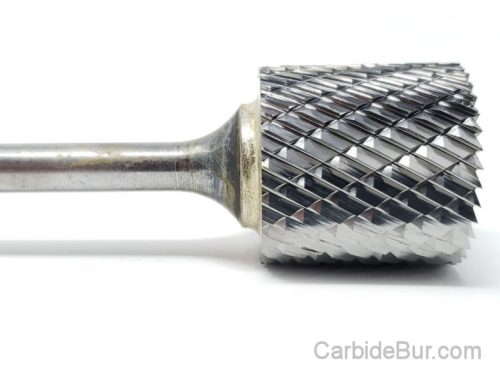
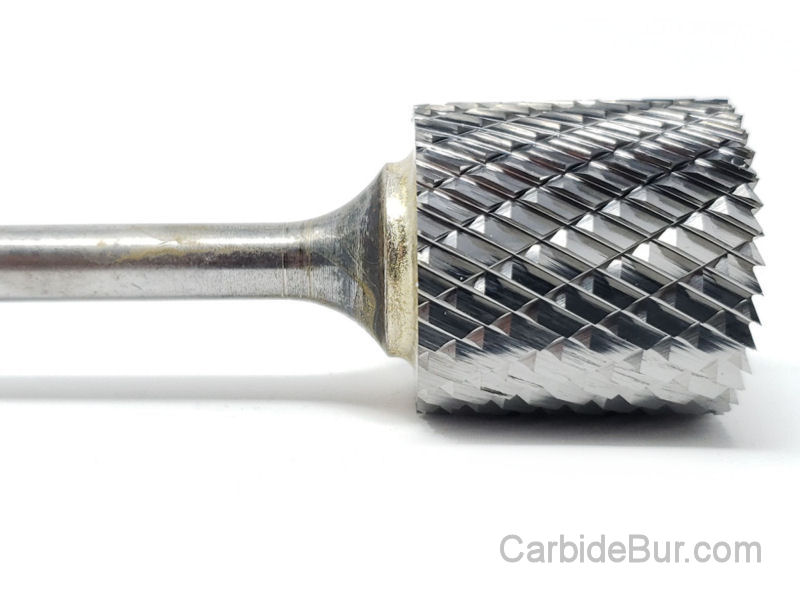
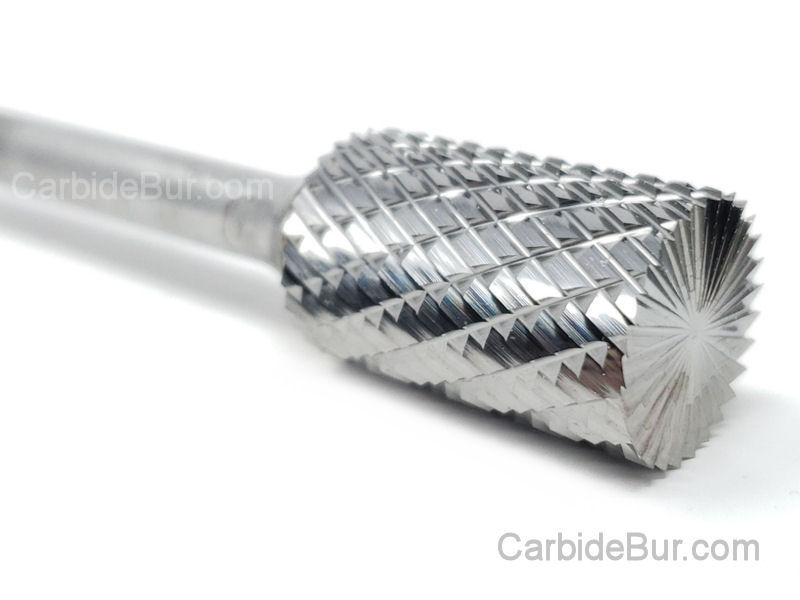
Carbide burrs are small rotary cutting tools used for shaping, grinding, and cutting metal. Made from tungsten carbide, they are known for their hardness and ability to withstand high temperatures. They come in various shapes and sizes, allowing you to choose the best match for specific tasks. The strength of carbide burrs makes them a favorite among metalworkers who need precision and durability. Unlike other tools, they maintain sharpness longer, reducing the need for frequent replacements.
Using carbide burrs can enhance the quality of your work. Their design allows for smoother finishes and more accurate cuts. This precision is crucial for intricate metalworking projects. So, if you need a reliable tool for detailed tasks, carbide burrs are a wise choice.
Why Metalworking Tool Prices Are Rising
The cost of metalworking tools has increased due to several factors. Raw material shortages and increased demand have contributed to higher prices. Additionally, advancements in technology have led to improved, yet more expensive, tool designs. As a metalworker, facing these rising costs can be challenging. Opting for cheaper tools might seem like a solution, but it often leads to more frequent replacements and higher long-term expenses.
Carbide burrs are part of this trend. Their initial cost might be higher, but they offer value through longevity and performance. Investing in quality tools like carbide burrs can save you money over time, despite the upfront expense. This strategic choice helps you manage rising tool costs effectively.
Benefits of Using Carbide Burrs
Now that you’ve learned about carbide burrs and market trends, let’s delve into their benefits. These tools offer unique advantages that justify their cost.
Durability of Carbide Burrs
Carbide burrs are renowned for their durability. Made from tungsten carbide, these tools resist wear and maintain their cutting edge longer than steel counterparts. This durability means fewer replacements, translating to savings in both time and money. The hardness of carbide burrs allows them to cut through tough metals with ease. This strength makes them ideal for demanding tasks where lesser tools might fail. By choosing carbide burrs, you invest in a tool that can withstand heavy use without losing efficiency.
The long lifespan of carbide burrs also means less downtime for tool maintenance, keeping your projects on schedule. With these tools, you spend more time working and less time worried about wear and tear. Over time, this reliability can improve your workflow and productivity.
Cutting Performance Insights
The cutting performance of carbide burrs sets them apart. Their design allows for precise cuts and smooth finishes, even on hard materials. This precision can be a game-changer for intricate metalworking tasks. Unlike some tools that struggle with detailed work, carbide burrs excel. They deliver consistent results, ensuring high-quality outputs. The cutting efficiency of these tools also reduces the effort and time required to complete projects. This efficiency can boost your productivity, helping you achieve more in less time.
Carbide burrs also generate less heat when cutting, which preserves the integrity of your workpiece. Lower heat levels reduce the risk of damage, ensuring that your projects remain in top condition. This aspect of carbide burrs enhances their value in your tool kit.
Comparing Tool Lifespan and Costs
Understanding the lifespan and costs of tools helps you make informed purchasing decisions. This section compares carbide burrs to cheaper alternatives.
Long-Term Value of Carbide Burrs
While carbide burrs may have a higher initial cost, their long-term value is significant. Their durability means fewer replacements, saving you money over time. This long lifespan also reduces waste, supporting more sustainable practices. Additionally, the consistent performance of carbide burrs enhances their value. Their ability to maintain sharpness and precision over time ensures that your work remains at a high standard. Investing in these tools means fewer interruptions and more reliable outcomes.
Choosing carbide burrs is a strategic decision that pays off in the long run. Their cost-effectiveness comes from reduced replacement costs and enhanced performance, making them a wise choice for serious metalworkers.
Replacing Cheaper Tools: A Cost Analysis
Replacing cheap tools frequently can add up quickly. While they may save money initially, their short lifespan often leads to higher long-term costs. Frequent replacements disrupt your workflow and decrease productivity. In contrast, carbide burrs offer a more stable investment. Their durability reduces the need for constant replacements, saving you time and money. When you consider the total cost of ownership, carbide burrs often come out ahead.
By analyzing costs over time, it’s clear that investing in quality tools like carbide burrs provides better value. They minimize disruptions and maximize efficiency, helping you focus on your craft.
Factors to Consider in Your Purchase
When choosing tools, several factors influence your decision. This section guides you on what to consider when buying carbide burrs.
Material Suitability for Carbide Burrs
Not all materials are suitable for carbide burrs, so it’s essential to know what you’re working with. Carbide burrs excel with hard metals like stainless steel, cast iron, and carbon steel. They can also work on softer metals, but their strengths lie in durability with challenging materials. Understanding material compatibility ensures you get the most out of your carbide burrs. Using them on the right materials prolongs their lifespan and maintains performance. This compatibility is a key factor in achieving optimal results.
When selecting carbide burrs, match them to your specific needs. This choice ensures that you maximize their benefits and achieve the desired outcomes in your projects.
Buying Guide for Metalworkers
Selecting the right carbide burrs depends on your specific needs. Here’s a brief guide to help you make an informed purchase:
-
Identify Your Needs: Understand what tasks you will use the burrs for.
-
Choose the Right Shape: Different shapes cater to different tasks, such as deburring, cutting, or finishing.
-
Consider Material Compatibility: Ensure the burrs match the materials you work with.
-
Check Quality and Brand: Opt for reputable brands known for quality.
By following this guide, you can make a purchase that aligns with your needs and enhances your metalworking projects.
Making the Right Choice
Armed with this information, you’re ready to make the best choice for your metalworking needs.
Evaluating Your Metalworking Needs
Understanding your needs is crucial when selecting tools. Consider the materials you work with, the tasks you perform, and the level of precision required. This evaluation helps you choose tools that match your specific projects. By identifying your needs, you ensure that you select carbide burrs that offer maximum benefits. This strategic choice optimizes your workflow and improves outcomes. Making informed decisions leads to better results and more satisfaction in your work.
Finding Cost-Effective Tools
Finding cost-effective tools is about balancing quality and price. While carbide burrs may have a higher upfront cost, their long-term value makes them a cost-effective choice. They offer durability and performance that cheaper tools can’t match. When searching for tools, focus on those that provide the best value over time. This approach ensures that you invest in tools that enhance your productivity and deliver consistent results.
By prioritizing quality and value, you make smart purchasing decisions that benefit your metalworking projects.
Frequently Asked Questions
What are carbide burrs used for?
Carbide burrs are used for shaping, cutting, and grinding metal. Their durability makes them ideal for detailed metalworking tasks and working with hard materials.
Why are carbide burrs more expensive?
Carbide burrs are more expensive due to their composition and precision design. Made from tungsten carbide, they offer superior durability and cutting performance, justifying the higher cost.
How long do carbide burrs last?
Carbide burrs have a long lifespan due to their hardness and resistance to wear. They maintain sharpness longer than steel burrs, resulting in fewer replacements and better value over time.
Are carbide burrs suitable for all metals?
Carbide burrs are best for hard metals like stainless steel and cast iron. While they can work on softer metals, their strength is most beneficial with tougher materials.
How do I choose the right carbide burr?
Choose carbide burrs based on your specific needs, including the tasks you perform, the materials you work with, and the level of precision required. Matching burrs to your needs ensures optimal performance.
Have you seen our selection of carbide bur tools?
Looking for Carbide Bur Tools?
Check out our entire selection of USA made carbide bur die grinder tool bits
Follow us on Twitter

Return to CarbideBur.com
Carbide Burs – 1/4″ on 1/8″ Shanks – Accessories – Aluminum Cut – Bur Sets – End Mills – Long Shank – Solid Burs
Choosing the Best Carbide Burrs for Your Projects
Quality and Performance: Choosing the Best Carbide Burrs for Your Projects Choosing between American-made carbide burrs and imported carbide tools can feel like navigating a maze without a map. You want tools that last and [...]
The Ultimate Guide to Choosing the Right Die Grinder Attachments
The Ultimate Guide to Choosing the Right Die Grinder Attachments Reaching deep cavities with your die grinder can feel like a puzzle with missing pieces. When you’re stuck trying to access tight spaces, the right [...]
Extend Tool Life: Tips for Maximizing Carbide Burr Performance
Extend Tool Life: Tips for Maximizing Carbide Burr Performance Most people think the only way to extend tool life is by buying premium carbide burrs. The truth is, simple mistakes kill your tools faster than [...]
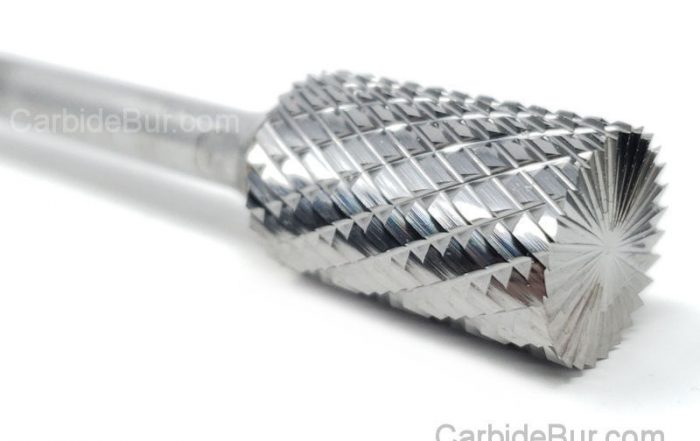
Are Carbide Burrs the Key to Cost-Effective Metalworking in a Pricey Market?
Are Carbide Burrs the Key to Cost-Effective Metalworking in a Pricey Market? Tool prices keep climbing, and metalworkers are feeling the pinch when their tools wear out too fast. Cheaper options may save money upfront [...]
Precision Metalworking Tools: The Backbone of Defense Manufacturing Expansion
Precision Metalworking Tools: The Backbone of Defense Manufacturing Expansion Defense manufacturing has surged by over 40% in the past three years, pushing demand for precision metalworking tools to new heights. If your production lines aren’t [...]

The Complete Guide to Removing Rough Welds and Sharp Metal Edges
The Complete Guide to Removing Rough Welds and Sharp Metal Edges Welding and metal fabrication often leave behind rough edges, excess weld material, sharp burrs, and uneven surfaces that need attention before a project is [...]
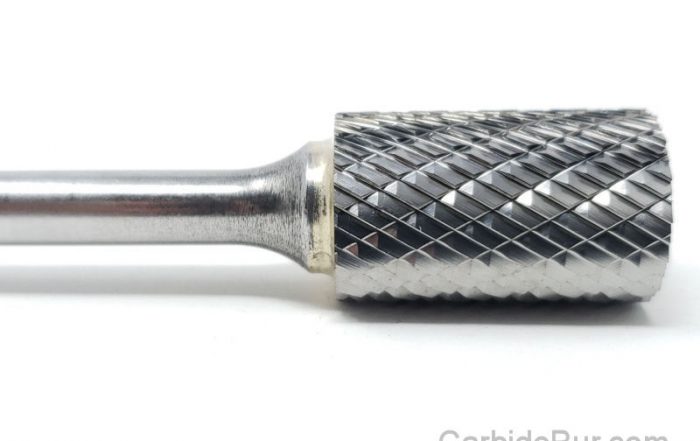
Using Carbide Burrs on Cast Iron: Tips for Automotive and Industrial Work
Using Carbide Burrs on Cast Iron: Tips for Automotive and Industrial Work Cast iron is used in a wide range of automotive and industrial components because of its strength, wear resistance, and ability to withstand [...]
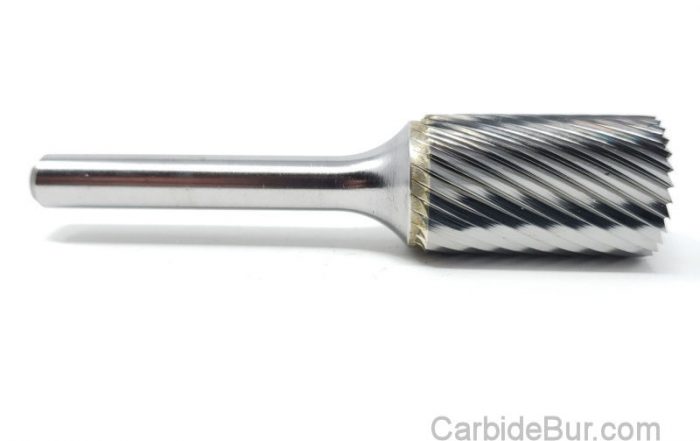
Carbide Burr Shapes Explained: Cylindrical, Ball, Oval, and Tree Burrs
Carbide Burr Shapes Explained: Cylindrical, Ball, Oval, and Tree Burrs Choosing the right carbide burr shape can make metalworking easier, improve control, and help you remove material where it is actually needed. Whether you are [...]
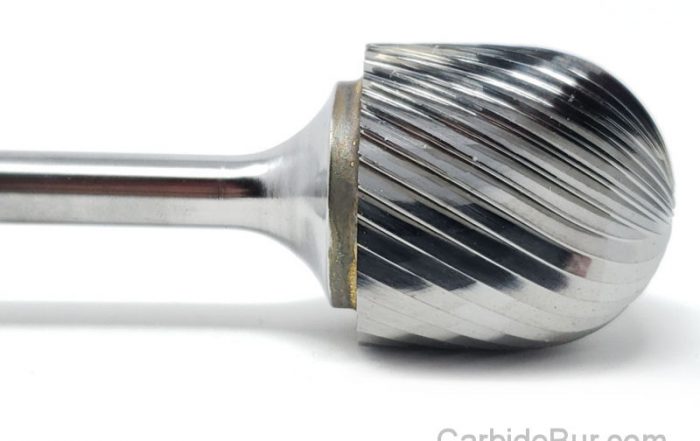
How to Get More Life from Your Carbide Burrs
How to Get More Life from Your Carbide Burrs Carbide burrs are valuable tools for welders, fabricators, machinists, automotive enthusiasts, and anyone who regularly works with metal. They can remove material, shape edges, clean up [...]
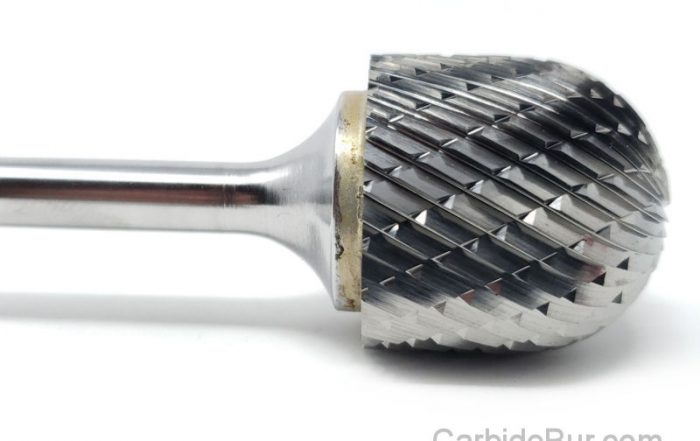
Are Expensive Carbide Burrs Worth It? Comparing Price and Performance
Are Expensive Carbide Burrs Worth It? Comparing Price and Performance When shopping for carbide burrs, it's easy to assume that the cheapest option saves money. But if you use rotary cutting tools regularly for welding, [...]
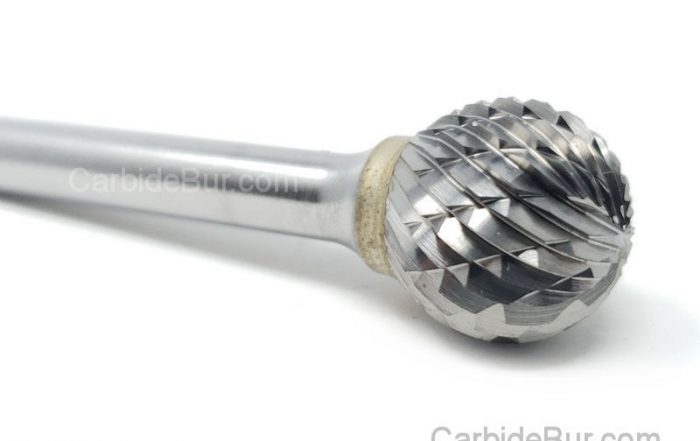
Carbide Burr vs. Grinding Stone: Which Is Better for Metal Removal?
Carbide Burr vs. Grinding Stone: Which Is Better for Metal Removal? When you need to remove metal, smooth a rough edge, or shape a metal component, two common options are carbide burrs and grinding stones. [...]
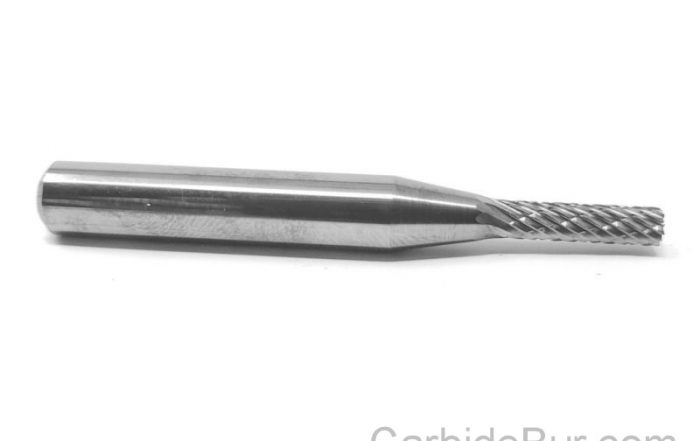
Carbide Burr Safety: RPM, Eye Protection, and Common Mistakes
Carbide Burr Safety: RPM, Eye Protection, and Common Mistakes Carbide burrs are versatile cutting tools used for metal fabrication, welding cleanup, engine porting, deburring, and general material removal. When used correctly, they can help remove [...]