Using Carbide Burrs on Cast Iron: Tips for Automotive and Industrial Work
Cast iron is used in a wide range of automotive and industrial components because of its strength, wear resistance, and ability to withstand demanding operating conditions. However, cast parts can have rough edges, casting irregularities, excess material, and uneven surfaces that require cleanup before assembly or further machining.
A carbide burr for cast iron can help remove unwanted material, smooth selected edges, refine contours, and clean up suitable cast components. When paired with the right cutting profile and a controlled technique, carbide burrs are useful tools for engine work, metal fabrication, equipment maintenance, and general industrial applications.
In this guide, we’ll cover common cast-iron applications, how to select a suitable carbide burr, techniques for controlled material removal, and important safety precautions when grinding cast iron.

Do you need a longer reach for your die grinder tool bits?
Why Use Carbide Burrs on Cast Iron?
Cast iron can be brittle, and its surface may contain irregularities left over from the casting process. Depending on the component and the type of cast iron, machining behavior can vary considerably.
Carbide burrs use cutting flutes to remove material as the tool rotates. They can provide localized material removal in areas where a larger grinding wheel or conventional abrasive tool may be difficult to position.
Common benefits include:
- Casting cleanup: Removing suitable flash, small projections, and irregular edges left from casting.
- Edge deburring: Cleaning up sharp edges and openings before further processing.
- Contour shaping: Refining accessible curves, transitions, and selected surfaces.
- Automotive component work: Performing controlled cleanup on suitable cast-iron engine and exhaust components.
- Industrial maintenance: Addressing localized surface irregularities on appropriate cast-iron parts.
The objective is to remove only the material necessary for the job while protecting important dimensions, sealing surfaces, and structural features.
1. Removing Casting Irregularities and Rough Edges
Cast components may have rough edges, small projections, or uneven areas that need attention before the part can be assembled or finished.
A carbide burr can help with localized cleanup when the material to be removed is accessible and the component permits this type of machining. Depending on the workpiece, suitable applications may include deburring openings, refining noncritical edges, and removing small unwanted projections.
For better control:
- Secure the component firmly before starting.
- Choose a burr shape that fits the area without contacting surrounding surfaces.
- Use gradual passes rather than trying to remove a large amount of material at once.
- Inspect the surface frequently to avoid overgrinding.
- Stop if you discover cracks, deep defects, or unexpected material damage.
Not every casting irregularity should be ground away. A raised feature may serve a structural, sealing, alignment, or mounting purpose. Consult the component specifications before modifying any critical area.
2. Using Carbide Burrs on Automotive Cast-Iron Components
Cast iron is common in automotive applications, including certain engine blocks, cylinder heads, exhaust manifolds, and other drivetrain or exhaust components. Carbide burrs can be useful for specific cleanup and shaping operations on suitable parts.
Engine block and cylinder-head cleanup
On appropriate cast-iron engine components, a carbide burr may be used for localized deburring or removing unwanted material from noncritical areas. However, engine components can contain precision-machined surfaces, oil passages, coolant passages, valve seats, and other features that must remain within specified dimensions.
Do not grind these critical areas without the correct service information, machining procedure, and appropriate expertise.
Exhaust manifold cleanup
Cast-iron exhaust manifolds may have rough casting features or accessible edges that need cleanup during repair or restoration. A suitable burr can help refine selected areas, provided the work does not compromise the manifold’s sealing surfaces, wall thickness, or structural integrity.
General automotive restoration
During restoration, some cast-iron parts may need minor edge cleanup before painting, assembly, or further processing. A carbide burr can provide localized cutting access where the part’s shape makes other tools less convenient.
Always inspect used components for cracks and wear before machining. Grinding is not a substitute for repairing or replacing a damaged component.
3. Choosing the Right Carbide Burr Profile
The shape of the cutting head affects access, control, and the type of surface you can work on. Choose a profile based on the geometry of the cast-iron component and the amount of material that needs to be removed.
<AsyncImageGroup query={[“cylindrical carbide burr rotary tool bit isolated white background”,”ball nose carbide burr rotary cutting tool isolated white background”,”oval carbide burr rotary cutting tool isolated white background”,”tree shaped tapered carbide burr rotary tool bit isolated white background”]} aspectRatio=”1:1″ layout=”carousel” />
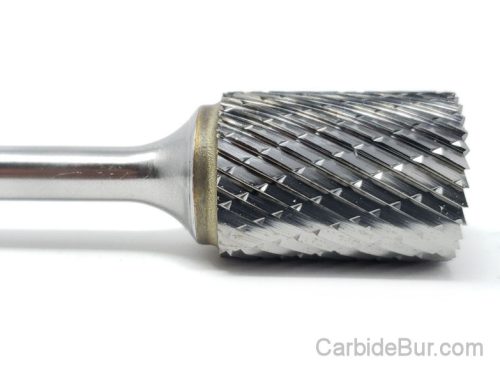
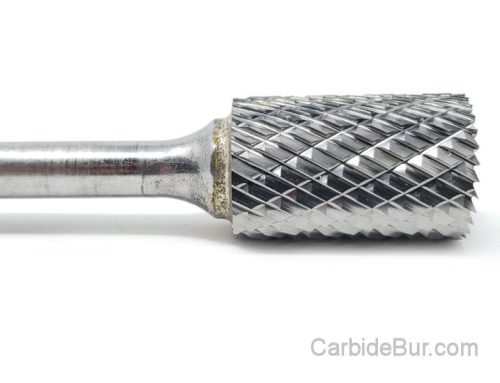
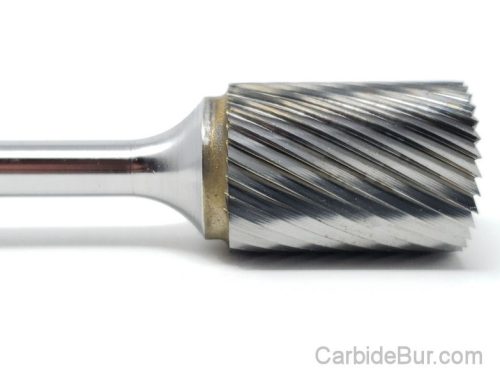
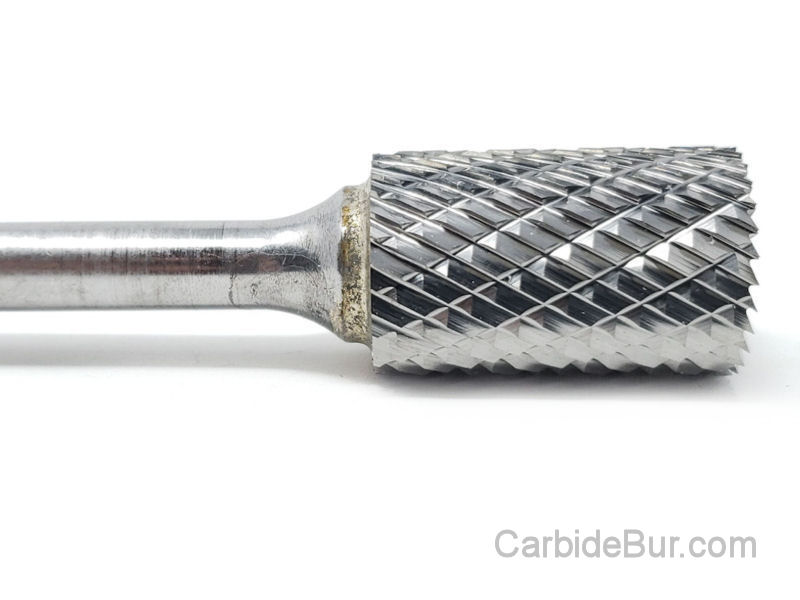
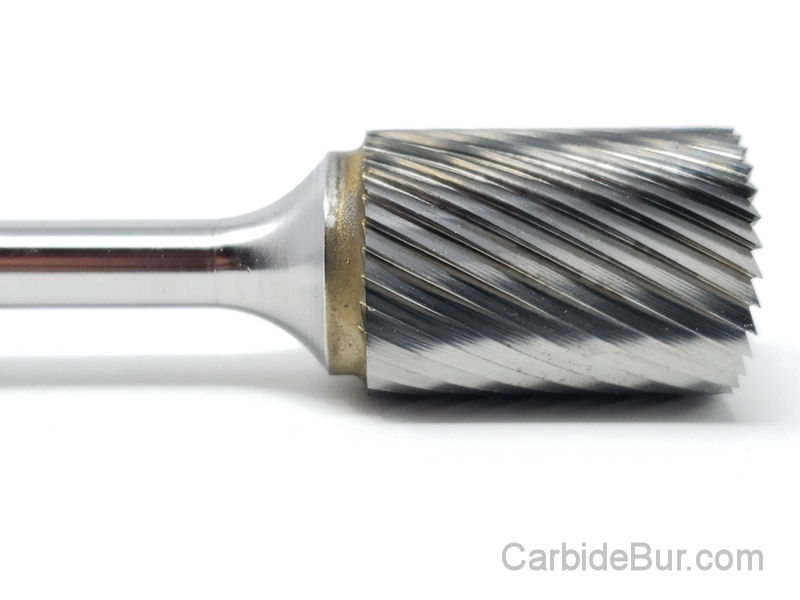
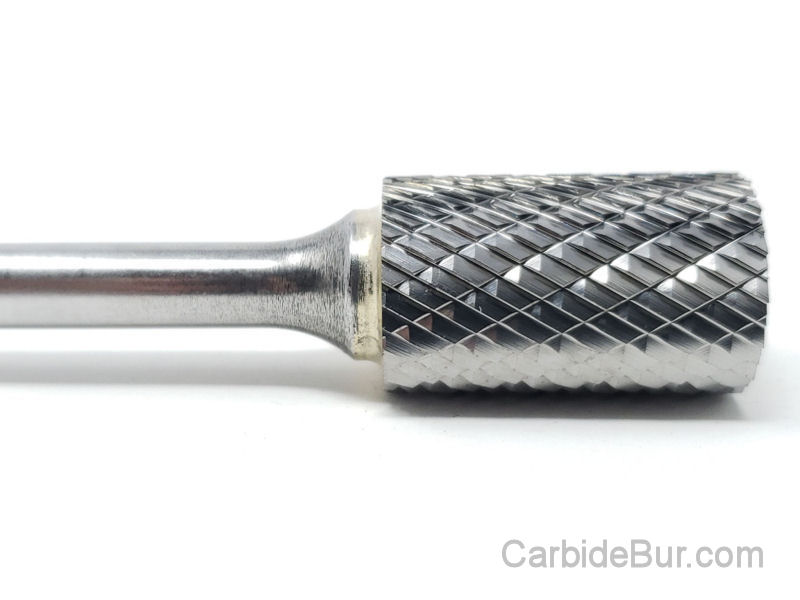
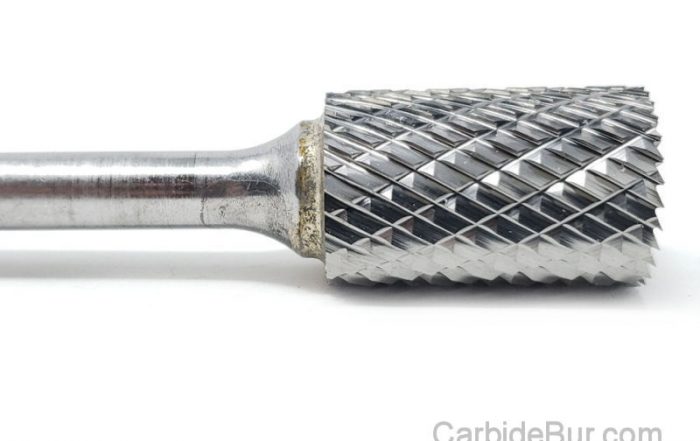
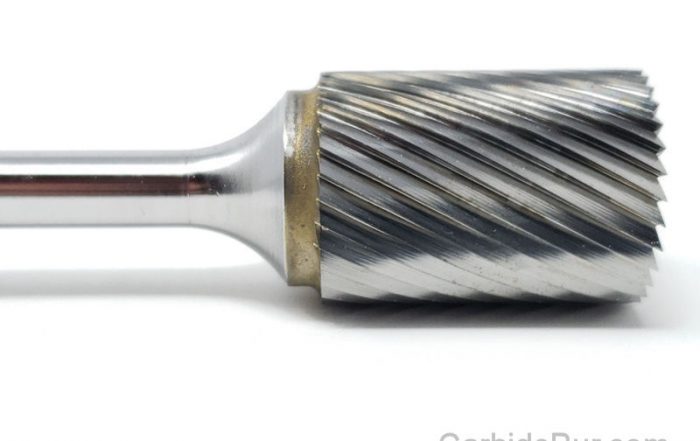
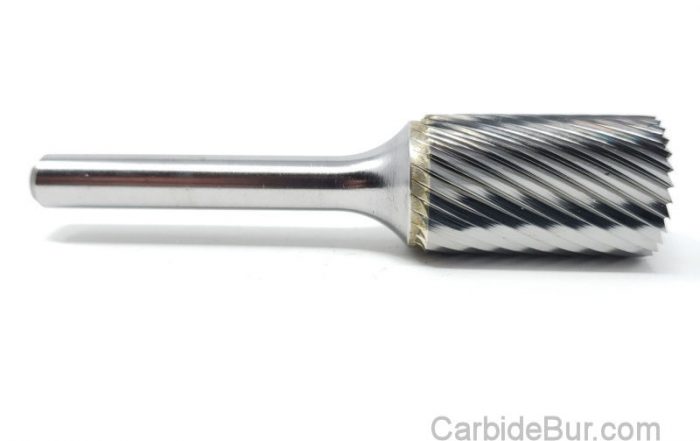
Cylindrical burrs
Cylindrical profiles can be useful for working on accessible edges, flatter areas, and selected raised features. Their shape can help when the goal is to refine a surface without using a rounded cutting head.
Ball-shaped burrs
Ball burrs are suited to certain rounded contours, curved transitions, and localized areas where a rounded profile provides better access. They may be useful when cleaning up selected recesses or shaping curved surfaces.
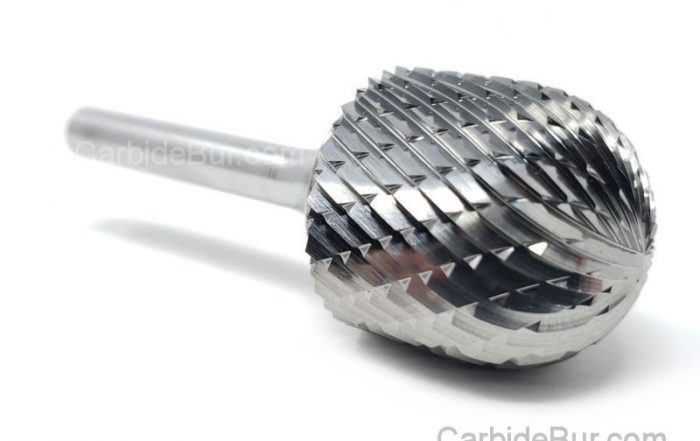
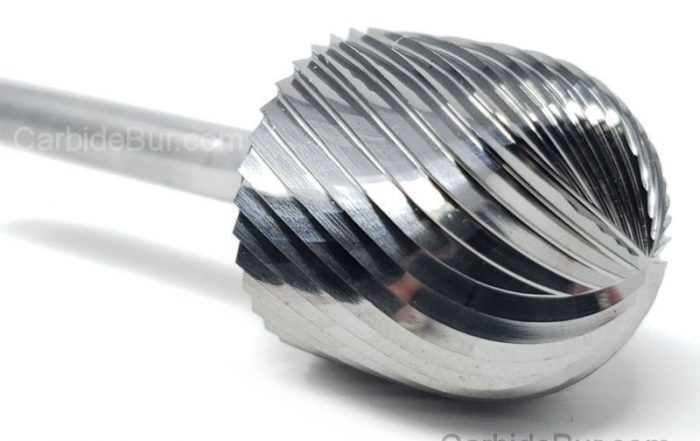
Oval burrs
Oval profiles can help blend curved surfaces and transitions. They are worth considering when the work area has rounded geometry and a cylindrical burr would be difficult to position appropriately.
Tree-shaped and tapered burrs
Tapered and tree-shaped burrs can reach certain angled surfaces, corners, and narrow transitions. Select the profile carefully to avoid contacting nearby walls or removing material from areas that should remain unchanged.
The best choice depends on the actual part. A large cutting head may be difficult to control in a narrow opening, while a small burr may be inefficient for a broad area.
4. Use a Controlled Cutting Technique
Cast iron should be approached with a technique that emphasizes control rather than force. Although carbide burrs can remove material effectively, aggressive grinding can damage the component, produce excessive heat, or create unwanted gouges.
Follow these guidelines:
Start with a suitable burr. Select a profile designed for the intended task and appropriate for the material and tool setup.
Use the manufacturer’s recommended speed. Check the maximum RPM for the burr and the grinder. Never exceed the rating of the lowest-rated component in the setup.
Apply controlled pressure. Let the cutting edges remove material instead of forcing the tool into the workpiece.
Make gradual passes. Remove material in stages and check your progress frequently, especially around thin sections, openings, and transitions.
Keep the tool stable. Avoid twisting, prying, or using the burr as a lever. Uncontrolled side loading can damage the tool or the workpiece.
Watch for vibration and unusual behavior. Stop immediately if the burr begins to chatter excessively, appears damaged, or becomes difficult to control.
For precision engine work, follow the component manufacturer’s specifications and use appropriate measuring equipment. Visual inspection alone may not be sufficient to confirm that a critical surface remains within tolerance.
5. Cast-Iron Grinding Dust: A Critical Safety Consideration
Cast-iron machining can generate fine particulate matter, and some cast irons contain graphite and other constituents that contribute to the dust produced during grinding. The dust can irritate the eyes and respiratory system, and its composition depends on the material and the operation.
Dust control should be part of the work setup from the beginning.
Use effective dust extraction
Use a suitable extraction system positioned to capture dust near the point where it is generated. The extraction equipment should be appropriate for metalworking dust and the specific material being processed.
Do not assume an ordinary household vacuum is suitable for collecting metalworking dust. Check the extraction system’s specifications and follow applicable workplace safety requirements.
Wear appropriate respiratory protection
Where extraction alone does not adequately control exposure, use suitable respiratory protection selected according to the hazard assessment and applicable workplace requirements. Respirators must be appropriate for the particles involved and properly fitted.
Protect your eyes and face
Wear safety glasses with side protection and appropriate face protection for grinding. A face shield is generally used in addition to safety glasses, not as a replacement for them.
Protect your hearing and work area
Rotary grinding can produce significant noise. Use appropriate hearing protection, keep bystanders away from the work area, and prevent dust from spreading into occupied spaces.
Avoid creating secondary dust exposure
Do not blow cast-iron dust around with compressed air or dry-sweep it in a way that disperses particles into the air. Use suitable dust collection and cleanup methods for the material and workplace.
Also consider the fire and ignition hazards associated with grinding sparks. Keep combustible materials away and ensure the extraction setup is designed for the material and process.
6. Inspect the Component Before and After Grinding
Before working on a cast-iron component, check its condition and identify the areas that can safely be modified.
Look for cracks, chips, severe corrosion, and signs of previous damage. If the part is cracked or structurally compromised, grinding the visible defect may make the problem worse rather than repair it.
Before starting, identify:
- Machined sealing surfaces.
- Mounting and alignment features.
- Oil and coolant passages.
- Thin walls and narrow sections.
- Areas that require specific surface finishes or dimensional tolerances.
After grinding, inspect the component for gouges, cracks, sharp edges, and unwanted material removal. Remove remaining debris using a suitable cleaning process before reassembly or further machining.
For engine parts and industrial components that operate under pressure, temperature, vibration, or substantial mechanical loads, follow the applicable inspection and repair procedures. A carbide burr should not be used to make unapproved changes to critical dimensions.
7. Common Mistakes to Avoid When Grinding Cast Iron
Even with a quality tool, several mistakes can compromise the result.
Choosing the wrong cutting profile: An unsuitable shape can make access difficult or increase the risk of gouging adjacent surfaces.
Applying excessive pressure: Forcing the burr can reduce control, increase tool stress, and damage the workpiece.
Ignoring dust control: Fine particles can become airborne and expose the operator or nearby workers.
Grinding critical surfaces without specifications: Removing material from sealing, mounting, or precision-machined areas can affect component fit and performance.
Using a damaged burr: Chipped or worn cutting edges can lead to poor cutting performance and unpredictable tool behavior.
Failing to secure the part: A moving component makes controlled material removal much more difficult and increases the risk of injury.
Taking time to select the right burr and prepare the work area helps make the process more predictable and controlled.
Find Carbide Burrs for Cast Iron and General Metalworking
Cast iron cleanup and shaping require suitable tooling, careful material removal, and effective dust control. A carbide burr can be useful for removing casting irregularities, deburring accessible edges, refining selected contours, and performing appropriate automotive or industrial cleanup tasks.
At CarbideBurr.net, you can explore USA-made carbide burr tools for general metalworking, fabrication, and automotive applications. Compare available profiles and sizes to find a tool suited to your workpiece, and verify material compatibility and operating specifications before use.
Whether you’re cleaning up a cast component, working on a suitable exhaust part, or performing general industrial maintenance, selecting the right carbide burr can help you approach the job with better access and control.
Explore carbide burrs at CarbideBurr.net for your cast-iron and general metalworking applications.
Looking for Carbide Bur Tools?
Check out our entire selection of USA made carbide bur die grinder tool bits
Follow us on Twitter

Return to CarbideBur.com
Carbide Burs – 1/4″ on 1/8″ Shanks – Accessories – Aluminum Cut – Bur Sets – End Mills – Long Shank – Solid Burs
Mastering Carbide Burrs for Enhanced Engine Performance
Beginner's Guide to Engine Porting: Mastering Carbide Burrs for Enhanced Engine Performance Most beginners think engine porting is just about grinding metal. The truth is, mastering carbide burrs can change how air moves through your [...]
Unveiling the Secrets of Burr Cutting Efficiency: Double-Cut or Single-Cut?
Unveiling the Secrets of Burr Cutting Efficiency: Double-Cut or Single-Cut? Most metalworkers hit a wall choosing between double-cut carbide burrs and single-cut carbide burrs. Picking the wrong one can slow your work or wear your [...]
How Specialized Carbide Burrs Are Revolutionizing Aluminum Fabrication for Cleaner Cuts
How Specialized Carbide Burrs Are Revolutionizing Aluminum Fabrication for Cleaner Cuts Most aluminum fabricators still wrestle with rough edges and extra cleanup after machining. Those extra steps cost you time and eat into your profits. [...]
U.S. Manufacturing Reshoring: The Role of Domestic Tool Suppliers in 2026
U.S. Manufacturing Reshoring: The Role of Domestic Tool Suppliers in 2026 U.S. manufacturing is shifting closer to home faster than many expected. By 2026, reshoring trends are reshaping how supply chains function, with domestic tool [...]
From Casting Flash to Weld Blending: Essential Techniques for 2026
From Casting Flash to Weld Blending: Essential Techniques for 2026 Forget the old ways of finishing parts in automotive production. As electric vehicles and autonomous vehicle production grow, the need for precise deburring processes and [...]
Understanding the Surge in Cutting Tool Costs and Effective Waste Reduction in Machining
Understanding the Surge in Cutting Tool Costs and Effective Waste Reduction in Machining Cutting tool costs have jumped noticeably in recent years, squeezing machine shop budgets tighter than ever. Raw material scarcity and supply chain [...]
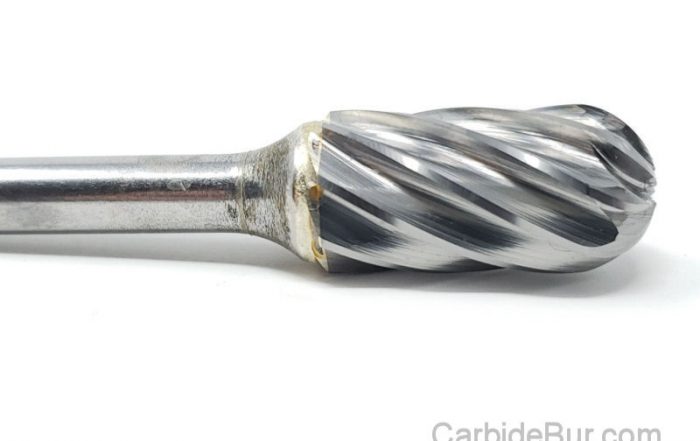
Choosing the Right Carbide Burr Shape for Your Metalworking Projects
Choosing the Right Carbide Burr Shape for Your Metalworking Projects You might think all carbide burr shapes do the same job, but that’s far from true. Choosing the wrong shape can waste time and leave [...]
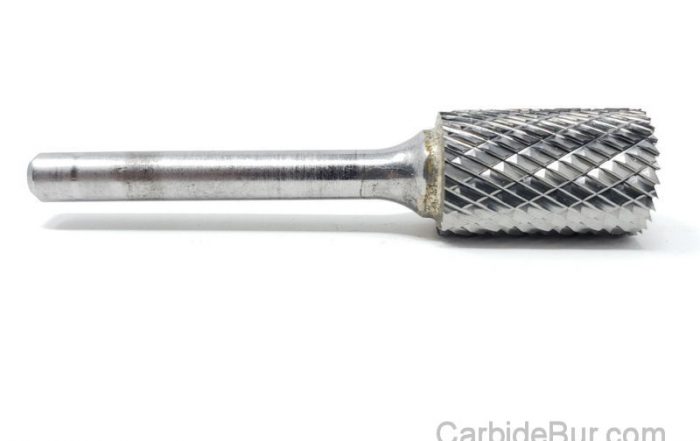
U.S. Cutting Tool Shipments Reach New Heights
U.S. Cutting Tool Shipments Reach New Heights: What It Means for Manufacturing Professionals U.S. cutting tool shipments soared to $278.1 million in July 2026, marking a 29% jump from last year. If you’re in fabrication [...]
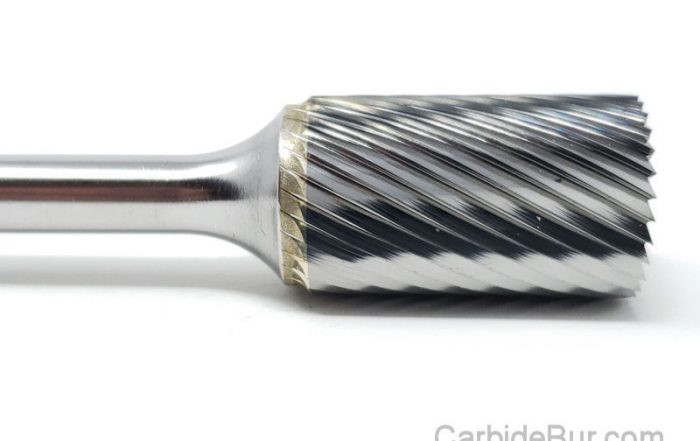
How 3D-Printed Carbide is Redefining Precision Toolmaking with Kennametal’s Latest Technology
How 3D-Printed Carbide is Redefining Precision Toolmaking with Kennametal's Latest Technology Custom hole-finishing tools have long faced limits in design and cooling options that hold back their performance. Kennametal’s new 3D-printed carbide grade changes that [...]

The Future of Additive Manufacturing in Aerospace and Automotive Industries
The Future of Additive Manufacturing in Aerospace and Automotive Industries Metal 3D printing is no longer just a concept for prototypes; it’s scaling up fast in aerospace and automotive fields. But raw prints don’t meet [...]
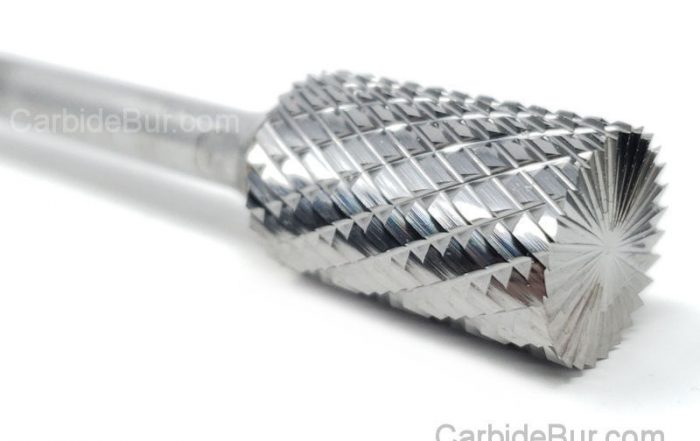
Navigating the Tungsten Carbide Shortage
Navigating the Tungsten Carbide Shortage: Strategies for Metalworkers in 2026 The tungsten carbide shortage in 2026 is hitting metalworkers hard, pushing tool prices higher and supply tighter than most expected. If you’ve noticed your carbide [...]
How Export Controls and Tungsten Processing Impact Carbide Production
How Export Controls and Tungsten Processing Impact Carbide Production Tungsten supply issues are hitting carbide tool manufacturing harder than ever before. Export controls and shifts in tungsten processing have tightened availability, stretching manufacturing lead times [...]