Enhance Your Fabrication Projects with Advanced Finishing Methods
You just finished a tough weld, but the job isn’t done yet. Skipping key post-welding processes can leave your joints weak and your project looking rough. In this post, you’ll learn welding inspection techniques and fabrication finishing methods that boost weld quality improvement and weld joint durability. Whether you’re crafting a machine part or a hobby piece, these steps make all the difference in strength and appearance. For more information, check out this link.

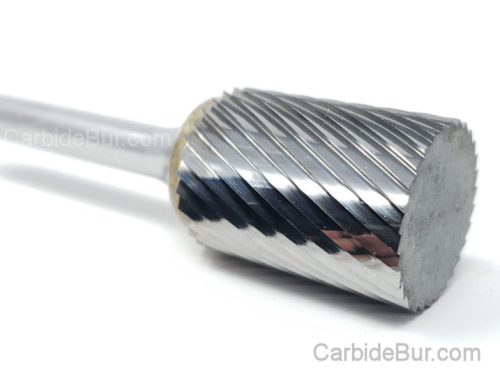
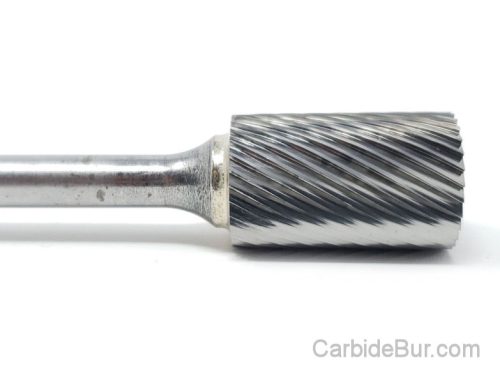
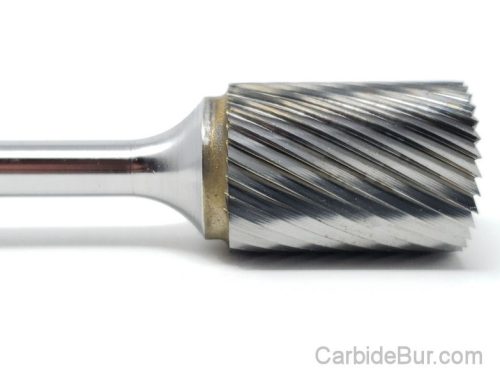
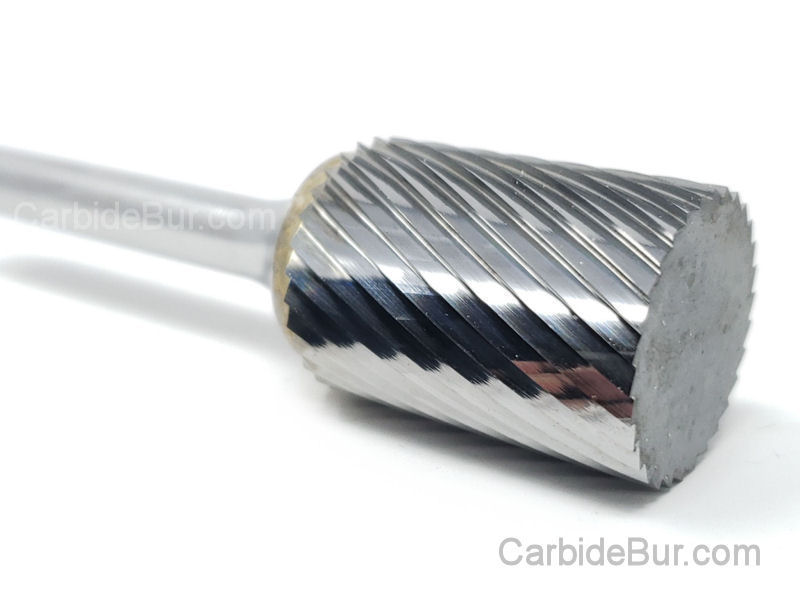
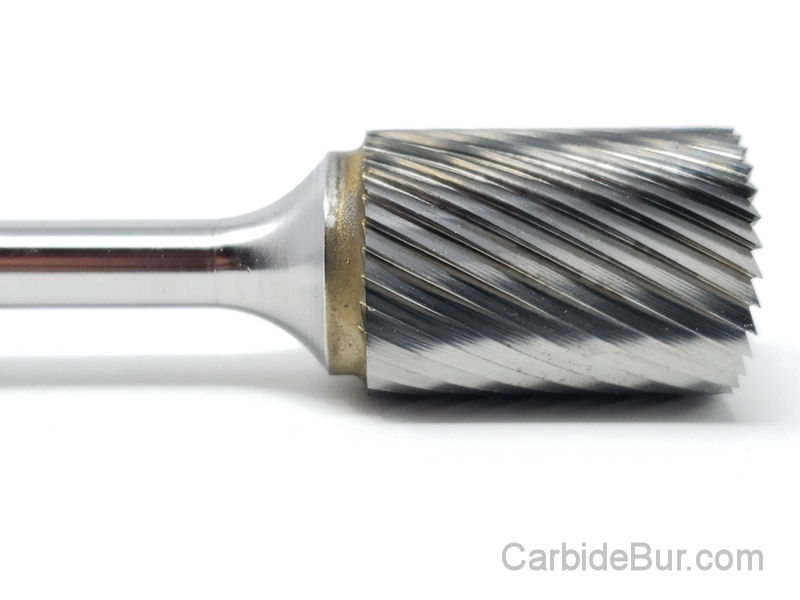
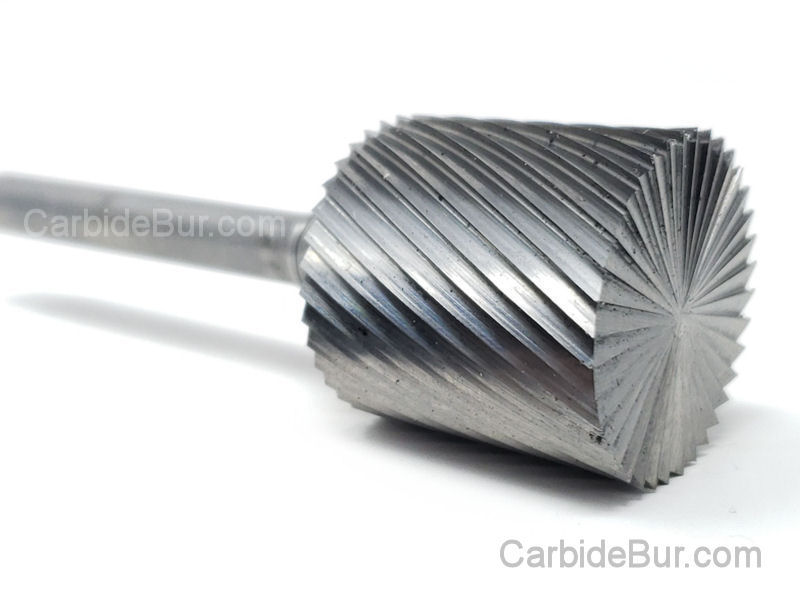
Have you seen our selection of carbide bur tools?
Importance of Post-Welding Processes
Making sure your welds last long and look good starts with post-welding processes. These processes set the foundation for quality and durability in your projects.
Enhancing Weld Quality
To boost the quality of your welds, focus on thorough post-weld cleaning. This helps remove any leftover residues that can weaken your welds over time. By applying effective cleaning techniques, you ensure that your final product is both strong and visually appealing. Think of it as polishing a diamond: the extra effort reveals a gleaming result.
Improving Weld Joint Durability
Durability is key for any welding project. After welding, certain finishing techniques like grinding and smoothing help strengthen the joints. This prevents cracks and ensures that your welds can withstand stress. Regularly inspecting your welds is another crucial step. By doing so, you catch potential problems early, ensuring the longevity of your projects.
Essential Cleaning Techniques
Cleaning is more than just a finishing touch. It’s a vital step that prepares your welds for any subsequent processes.
Effective Debris Removal
Debris can compromise the integrity of your welds. To eliminate it, start with a clean work area and always use the proper tools. Wire brushes and grinders can help remove unwanted particles, ensuring your welds are clear of contaminants. Keeping your workspace tidy not only enhances weld quality but also accelerates the cleaning process.
Surface Preparation Best Practices
Surface preparation is about creating a suitable base for welding. Begin by cleaning the metal surface to remove any rust, oil, or old paint. Use solvents or specialized cleaners to achieve a spotless surface. This step ensures that the weld adheres properly and maintains its integrity over time. A well-prepared surface leads to stronger, more reliable welds.
Advanced Finishing Techniques
Moving beyond basic cleaning, finishing techniques add an extra layer of quality to your projects. They enhance both appearance and protection.
Polishing for Aesthetic Appeal
A polished finish not only looks great but also showcases the quality of your work. Polishing can be achieved using buffing wheels or polishing compounds. This step smooths out any imperfections, making your welds shine. A polished weld reflects professionalism and attention to detail, setting your work apart from others.
Coating for Added Protection
Applying a protective coating can extend the life of your welds. Coatings like paint or powder provide a barrier against corrosion and environmental damage. This step is particularly vital for projects exposed to harsh conditions. By safeguarding your welds with a coating, you ensure that they remain durable and visually appealing over time.
Inspection and Quality Assurance
Regular inspection is crucial in maintaining the quality and durability of your welds. It helps identify and rectify issues before they become significant problems.
Key Welding Inspection Techniques
Inspections should be thorough and regular. Techniques like visual examination and non-destructive testing (NDT) are essential. These methods help verify that your welds meet required standards and identify any defects. By incorporating these techniques, you ensure that your projects maintain their quality and durability over time.
Ensuring Structural Integrity
To guarantee structural integrity, always assess your welds for cracks, porosity, and other defects. Use tools like ultrasonic testers or x-ray machines where applicable. These tools help detect hidden flaws that might compromise your welds. A robust inspection routine ensures that your projects are safe and reliable.
Application in Various Projects
Whether you’re working on industrial or personal projects, post-welding processes play a crucial role.
Industrial Fabrication Insights
In industrial settings, the focus is on efficiency and quality. Employ advanced tools and techniques for cleaning and inspection. Regular maintenance and quality checks ensure that your projects meet industry standards. Proper post-welding processes in industrial fabrication lead to projects that are both high-quality and cost-effective.
Tips for Hobbyist Projects
For hobbyists, the love for the craft often drives the project. Use simple, effective cleaning and inspection methods. Even with basic tools, you can achieve great results. Focus on learning and applying best practices to enhance both your skills and the quality of your projects. Remember, even small improvements can lead to noticeable differences in your work.
Frequently Asked Questions
What are the main steps in post-welding processes?
Post-welding processes include cleaning, finishing, and inspection. Cleaning removes residues, while finishing improves appearance and protection. Regular inspections ensure quality and identify any defects.
Why is surface preparation important before welding?
Surface preparation removes contaminants like rust and oil, ensuring a clean base for welding. This helps in achieving strong, reliable welds that adhere well and last longer.
How can I improve the appearance of my welds?
To enhance the appearance, use polishing techniques and apply protective coatings. Polishing smooths surfaces and adds shine, while coatings protect against environmental damage.
What tools are essential for welding inspection?
Key tools for inspection include visual examination tools, ultrasonic testers, and x-ray machines. These help identify defects and ensure your welds meet quality standards.
How do coatings protect my welds?
Coatings act as a barrier against corrosion and environmental damage. They extend the life of your welds, ensuring they remain durable and visually appealing.
Have you seen our selection of carbide bur tools?
Looking for Carbide Bur Tools?
Check out our entire selection of USA made carbide bur die grinder tool bits
Follow us on Twitter

Return to CarbideBur.com
Carbide Burs – 1/4″ on 1/8″ Shanks – Accessories – Aluminum Cut – Bur Sets – End Mills – Long Shank – Solid Burs

Enhance Your Fabrication Projects with Advanced Finishing Methods
Enhance Your Fabrication Projects with Advanced Finishing Methods You just finished a tough weld, but the job isn’t done yet. Skipping key post-welding processes can leave your joints weak and your project looking rough. In [...]
Grinding Metal in Tight Spaces: Top Tool Picks and Essential Safety Tips
Grinding Metal in Tight Spaces: Top Tool Picks and Essential Safety Tips Grinding metal in tight spaces is a challenge many metalworkers and DIYers face. Using the wrong tools often leads to frustration and sloppy [...]
Finding the Best Carbide Burrs for Perfect Weld Cleanup: A Welder’s Guide
Finding the Best Carbide Burrs for Perfect Weld Cleanup: A Welder's Guide Welding cleanup can waste hours if you pick the wrong tools. Using carbide burrs that don’t fit your weld removal or metal blending [...]
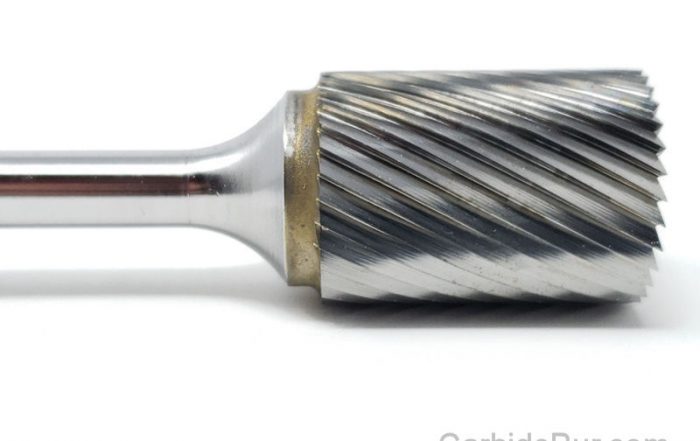
Riding the Wave: How the Machine-Tool Orders Surge is Shaping Manufacturing
Riding the Wave: How the Machine-Tool Orders Surge is Shaping Manufacturing Machine-tool orders have jumped by 45% this year, shaking up the manufacturing scene. If you're a tool buyer, this surge means fresh chances to [...]
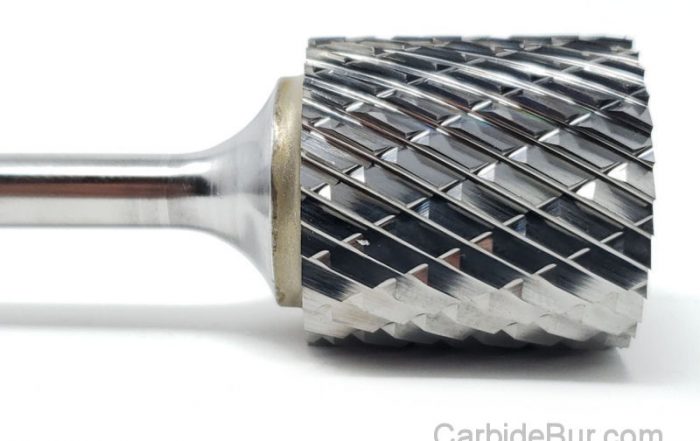
Choosing the Best Carbide Burrs for Your Projects
Quality and Performance: Choosing the Best Carbide Burrs for Your Projects Choosing between American-made carbide burrs and imported carbide tools can feel like navigating a maze without a map. You want tools that last and [...]
The Ultimate Guide to Choosing the Right Die Grinder Attachments
The Ultimate Guide to Choosing the Right Die Grinder Attachments Reaching deep cavities with your die grinder can feel like a puzzle with missing pieces. When you’re stuck trying to access tight spaces, the right [...]
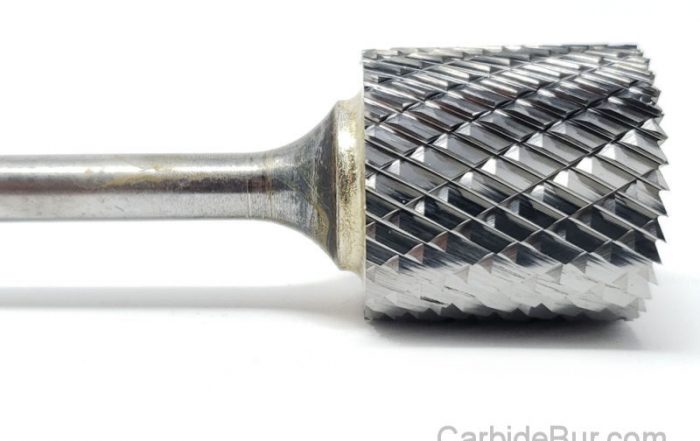
Extend Tool Life: Tips for Maximizing Carbide Burr Performance
Extend Tool Life: Tips for Maximizing Carbide Burr Performance Most people think the only way to extend tool life is by buying premium carbide burrs. The truth is, simple mistakes kill your tools faster than [...]
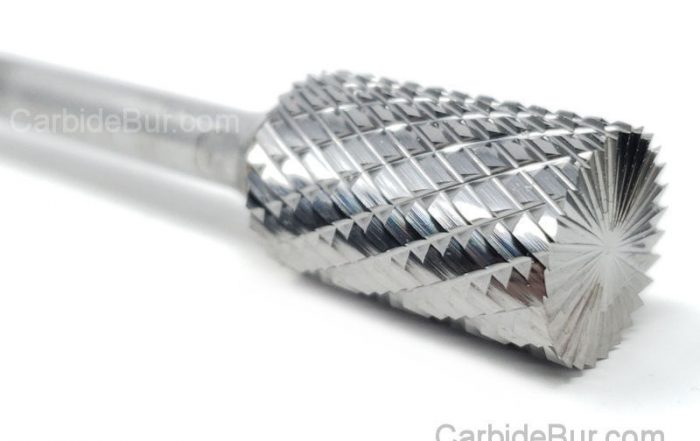
Are Carbide Burrs the Key to Cost-Effective Metalworking in a Pricey Market?
Are Carbide Burrs the Key to Cost-Effective Metalworking in a Pricey Market? Tool prices keep climbing, and metalworkers are feeling the pinch when their tools wear out too fast. Cheaper options may save money upfront [...]
Precision Metalworking Tools: The Backbone of Defense Manufacturing Expansion
Precision Metalworking Tools: The Backbone of Defense Manufacturing Expansion Defense manufacturing has surged by over 40% in the past three years, pushing demand for precision metalworking tools to new heights. If your production lines aren’t [...]

The Complete Guide to Removing Rough Welds and Sharp Metal Edges
The Complete Guide to Removing Rough Welds and Sharp Metal Edges Welding and metal fabrication often leave behind rough edges, excess weld material, sharp burrs, and uneven surfaces that need attention before a project is [...]
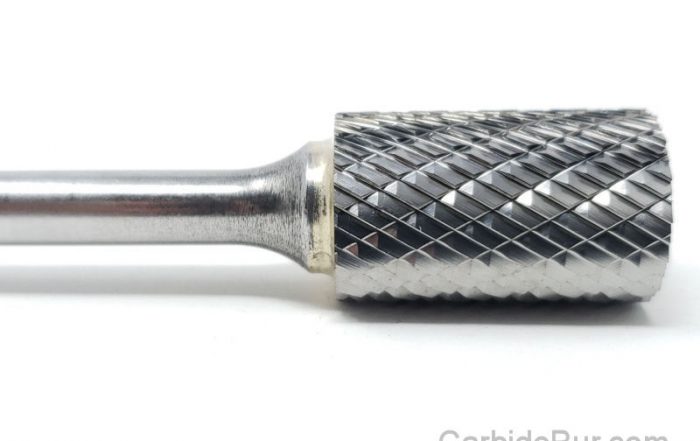
Using Carbide Burrs on Cast Iron: Tips for Automotive and Industrial Work
Using Carbide Burrs on Cast Iron: Tips for Automotive and Industrial Work Cast iron is used in a wide range of automotive and industrial components because of its strength, wear resistance, and ability to withstand [...]
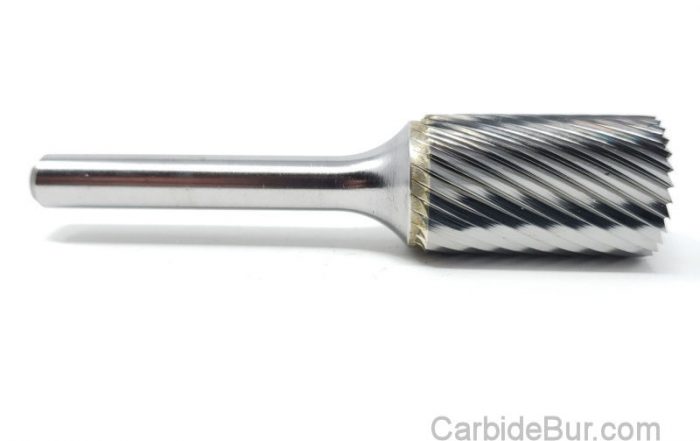
Carbide Burr Shapes Explained: Cylindrical, Ball, Oval, and Tree Burrs
Carbide Burr Shapes Explained: Cylindrical, Ball, Oval, and Tree Burrs Choosing the right carbide burr shape can make metalworking easier, improve control, and help you remove material where it is actually needed. Whether you are [...]