Top Deburring Tools for Stainless Steel: From Carbide Burrs to Sanding Blocks
Most people damage their stainless steel finish while trying to deburr it. If you’ve struggled to get smooth edges without ruining your work, you’re not alone. This post breaks down the best deburring tools and techniques that keep your stainless steel looking sharp and flawless, from carbide burrs to sanding blocks. Stick around to learn how to polish stainless steel the right way and keep your projects professional every time. For more insights, check out this guide on how to deburr metal.

Have you seen our selection of carbide bur tools?
Introduction to Deburring Stainless Steel
Understanding how to deburr stainless steel properly is key to maintaining its finish. You might wonder why these techniques are vital for your projects. The answer lies in preserving both the function and look of your work.
Importance of Deburring Techniques
Deburring techniques are essential because they protect your stainless steel from unnecessary wear and tear. When you remove burrs properly, you avoid future complications that can arise from rough edges. Burrs can cause components to misalign or wear unevenly, which might lead to a shorter lifespan of the product.
Imagine working on a critical project, only to find your components don’t fit as they should. That’s where efficient deburring saves the day. A polished edge not only looks good but also ensures everything fits together perfectly. For more tips, you can join discussions on the metalworking community on Reddit.
Maintaining the Pristine Finish
Keeping the finish of your stainless steel pristine is crucial for professional results. It’s more than just aesthetics; a smooth surface prevents corrosion and other damage. The trick is to use tools and techniques that don’t mar the surface.
When you maintain a clean finish, you also ensure that your work remains visually appealing. This can be especially important if you’re crafting pieces for clients or creating products for sale. A polished piece speaks volumes about attention to detail and quality craftsmanship.
Essential Deburring Tools
The right tools make all the difference in deburring stainless steel. They help you achieve a smooth, clean edge without damaging the finish. Let’s explore two crucial tools you should consider.
Fine Carbide Burrs
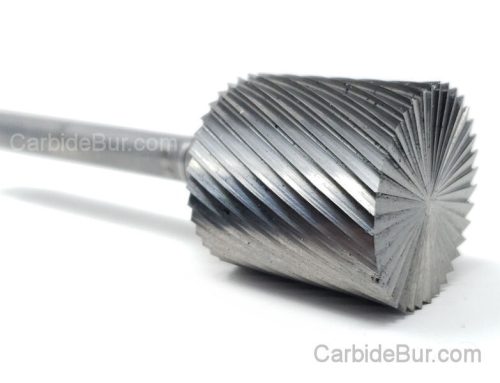
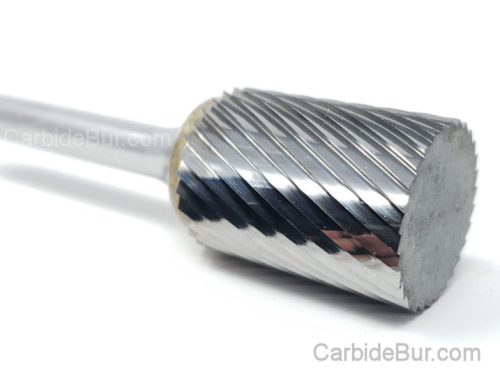
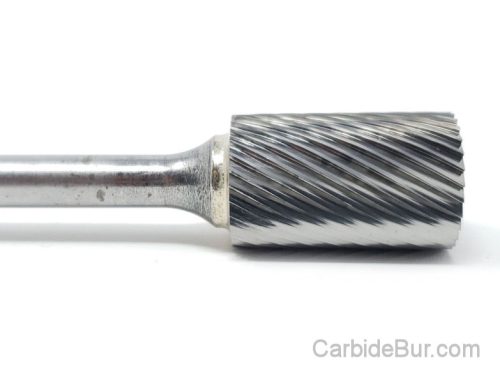
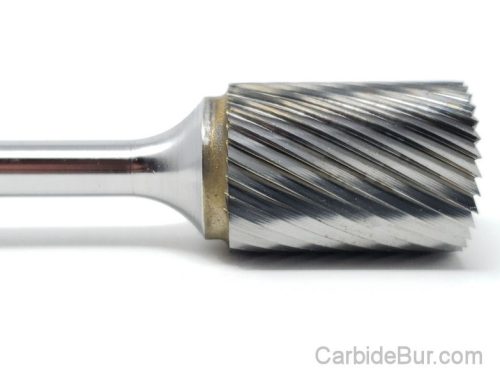
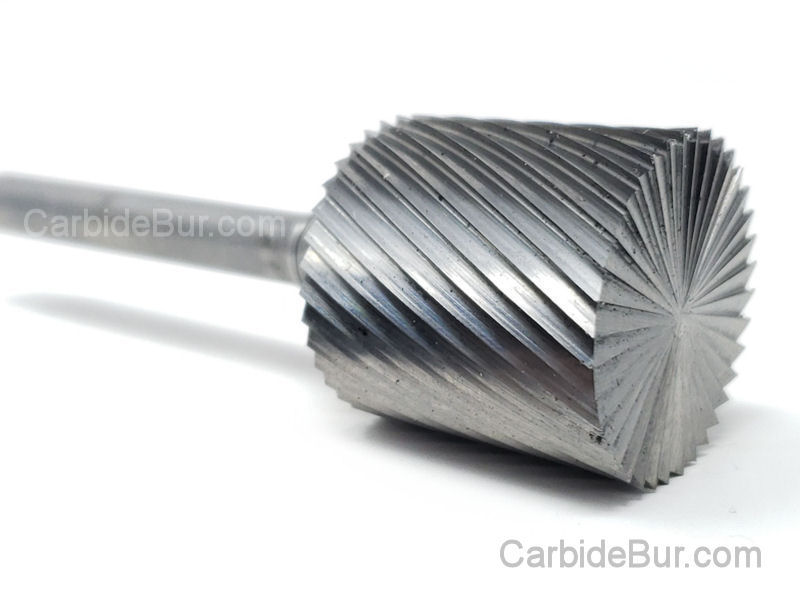
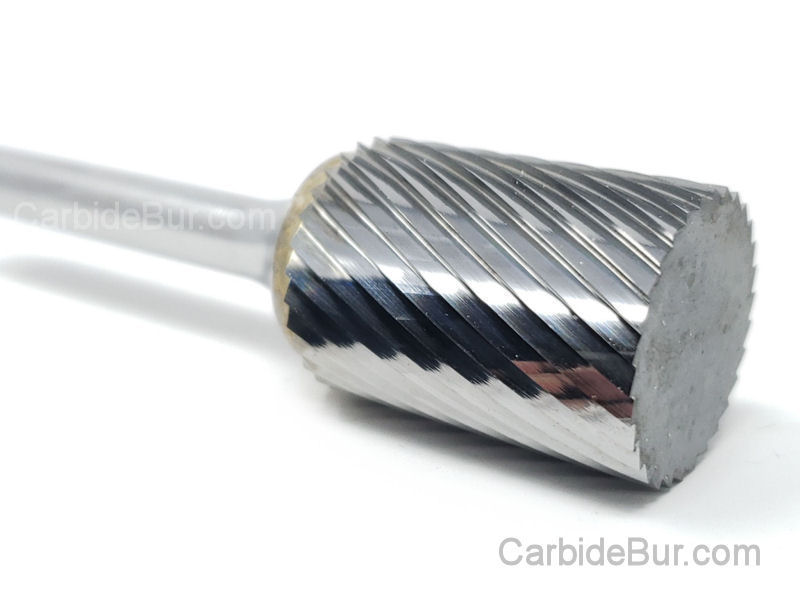
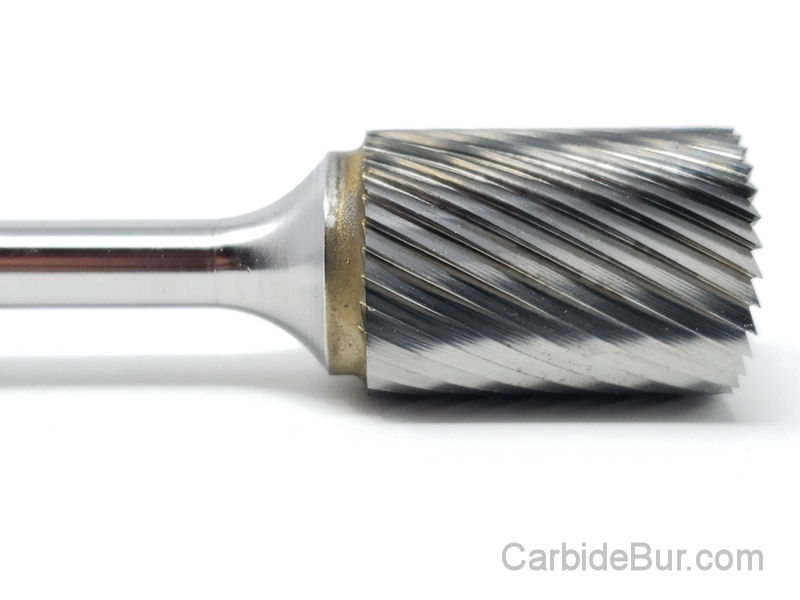
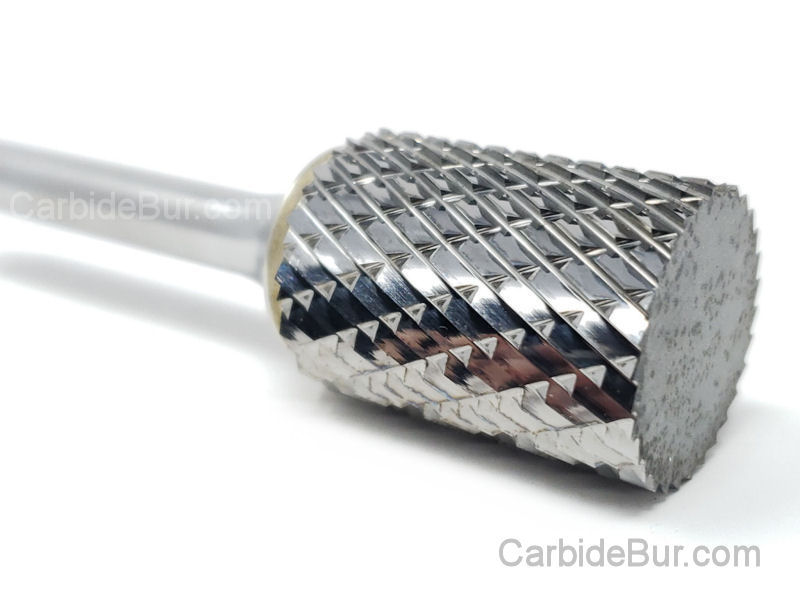
Fine carbide burrs are perfect for precision work. They allow you to remove small burrs without harming the surrounding material, making them ideal for detailed projects. These burrs are durable and can handle the tough nature of stainless steel.
Using fine carbide burrs means you get a clean edge every time. Their design minimizes effort while maximizing results, giving you control over the deburring process. You’ll find that with the right burr, your work becomes more efficient and less time-consuming. Watch this video demonstration on carbide burrs to see them in action.
Specialized Sanding Blocks
Specialized sanding blocks are another must-have in your toolkit. They are perfect for larger surfaces and help achieve a uniform finish. These blocks come in various grits, allowing you to choose the right one for your needs.
Consider using them to smooth out imperfections after using carbide burrs. Sanding blocks ensure an even surface, which is essential for a professional look. They also help remove any minor scratches that might have appeared during the deburring process.
Techniques for Smooth Edges
Achieving smooth edges involves more than just having the right tools. It’s about using the correct techniques to protect the stainless steel’s finish.
Minimizing Surface Damage
To minimize surface damage, always go slow. Applying too much pressure can lead to scratches or even gouges in the metal. The goal is to gently work away the burrs without pressing too hard.
When you approach deburring with care, you’ll find the results are much more satisfying. A light touch ensures that only the burrs are removed, leaving the rest of the surface untouched. This method preserves the integrity of the metal and extends its lifespan. Join the welding community for more insights.
Proper Technique Tips
Here are a few tips to keep in mind for proper deburring:
-
Angle the tool correctly: Keep it consistent to avoid uneven edges.
-
Use steady pressure: Light but firm pressure prevents damage.
-
Keep tools clean: Regularly clean your tools to avoid residue buildup.
With these techniques, you’ll find deburring becomes easier and more efficient. Mastering these skills ensures that your stainless steel projects always look their best.
Polishing Stainless Steel
Once you’ve deburred, polishing your stainless steel is the next step. This process enhances the finish and adds a professional touch to your work.
Finishing Touches
The final touches in polishing make a world of difference. Use a polishing wheel to bring out the shine in your stainless steel. This step not only improves appearance but also offers a layer of protection against environmental factors.
Polishing can be a rewarding process. Watching your work transform from dull to dazzling is satisfying, and reinforces the quality of your craftsmanship. A polished finish also makes cleaning and maintenance easier over time.
Achieving a Professional Look
To achieve a professional look, consistency is key. Ensure that each piece of stainless steel undergoes the same level of care. This includes using the same polishing technique throughout all pieces of a project.
A uniform finish indicates a high level of professionalism and quality. Customers and clients will notice the effort you put into maintaining a consistent appearance. It’s this attention to detail that sets your work apart from the rest.
Stainless Steel Fabrication Tips
In the world of fabrication, selecting the right tools and methods is crucial. Here are some tips to guide you.
Selecting the Right Abrasives
Choosing the right abrasives can make the fabrication process smoother and more efficient. Fine grit abrasives are typically preferred for stainless steel to prevent scratches. Ensure that your choice aligns with the type of finish you aim to achieve.
When selecting abrasives, consider the task at hand. Whether you need to remove heavy burrs or just want a smooth finish, the right abrasive will help you get there faster and with less hassle.
Ensuring Aesthetic Appeal
Aesthetic appeal is vital in stainless steel projects. Every piece should look as good as it functions. Pay close attention to detail during each step of the process.
Be mindful of the audience or end-user. A piece that looks appealing is more likely to attract attention and be valued. By focusing on aesthetics, you ensure your work remains competitive and desirable in the market.
Frequently Asked Questions
What is the best way to deburr stainless steel?
The best way to deburr stainless steel is to use fine carbide burrs and specialized sanding blocks. These tools help remove burrs efficiently while maintaining the metal’s finish.
How can I maintain the finish of stainless steel during deburring?
Use gentle pressure and the right angles with your tools. This approach minimizes surface damage and keeps the finish intact.
Why is polishing important after deburring?
Polishing enhances the appearance of stainless steel and offers protection against environmental damage. It also ensures a professional and consistent look.
What tools should I use for a smooth stainless steel edge?
Fine carbide burrs and specialized sanding blocks are ideal. They ensure clean edges without harming the stainless steel finish.
How do I select the right abrasive for stainless steel?
Choose fine grit abrasives for a smooth finish. The right choice depends on the task, whether removing heavy burrs or achieving a polished look.
Have you seen our selection of carbide bur tools?
Looking for Carbide Bur Tools?
Check out our entire selection of USA made carbide bur die grinder tool bits
Follow us on Twitter

Return to CarbideBur.com
Carbide Burs – 1/4″ on 1/8″ Shanks – Accessories – Aluminum Cut – Bur Sets – End Mills – Long Shank – Solid Burs

Top Deburring Tools for Stainless Steel: From Carbide Burrs to Sanding Blocks
Top Deburring Tools for Stainless Steel: From Carbide Burrs to Sanding Blocks Most people damage their stainless steel finish while trying to deburr it. If you’ve struggled to get smooth edges without ruining your work, [...]

Enhance Your Fabrication Projects with Advanced Finishing Methods
Enhance Your Fabrication Projects with Advanced Finishing Methods You just finished a tough weld, but the job isn’t done yet. Skipping key post-welding processes can leave your joints weak and your project looking rough. In [...]
Grinding Metal in Tight Spaces: Top Tool Picks and Essential Safety Tips
Grinding Metal in Tight Spaces: Top Tool Picks and Essential Safety Tips Grinding metal in tight spaces is a challenge many metalworkers and DIYers face. Using the wrong tools often leads to frustration and sloppy [...]
Finding the Best Carbide Burrs for Perfect Weld Cleanup: A Welder’s Guide
Finding the Best Carbide Burrs for Perfect Weld Cleanup: A Welder's Guide Welding cleanup can waste hours if you pick the wrong tools. Using carbide burrs that don’t fit your weld removal or metal blending [...]
Riding the Wave: How the Machine-Tool Orders Surge is Shaping Manufacturing
Riding the Wave: How the Machine-Tool Orders Surge is Shaping Manufacturing Machine-tool orders have jumped by 45% this year, shaking up the manufacturing scene. If you're a tool buyer, this surge means fresh chances to [...]
Choosing the Best Carbide Burrs for Your Projects
Quality and Performance: Choosing the Best Carbide Burrs for Your Projects Choosing between American-made carbide burrs and imported carbide tools can feel like navigating a maze without a map. You want tools that last and [...]
The Ultimate Guide to Choosing the Right Die Grinder Attachments
The Ultimate Guide to Choosing the Right Die Grinder Attachments Reaching deep cavities with your die grinder can feel like a puzzle with missing pieces. When you’re stuck trying to access tight spaces, the right [...]
Extend Tool Life: Tips for Maximizing Carbide Burr Performance
Extend Tool Life: Tips for Maximizing Carbide Burr Performance Most people think the only way to extend tool life is by buying premium carbide burrs. The truth is, simple mistakes kill your tools faster than [...]
Are Carbide Burrs the Key to Cost-Effective Metalworking in a Pricey Market?
Are Carbide Burrs the Key to Cost-Effective Metalworking in a Pricey Market? Tool prices keep climbing, and metalworkers are feeling the pinch when their tools wear out too fast. Cheaper options may save money upfront [...]
Precision Metalworking Tools: The Backbone of Defense Manufacturing Expansion
Precision Metalworking Tools: The Backbone of Defense Manufacturing Expansion Defense manufacturing has surged by over 40% in the past three years, pushing demand for precision metalworking tools to new heights. If your production lines aren’t [...]

The Complete Guide to Removing Rough Welds and Sharp Metal Edges
The Complete Guide to Removing Rough Welds and Sharp Metal Edges Welding and metal fabrication often leave behind rough edges, excess weld material, sharp burrs, and uneven surfaces that need attention before a project is [...]
Using Carbide Burrs on Cast Iron: Tips for Automotive and Industrial Work
Using Carbide Burrs on Cast Iron: Tips for Automotive and Industrial Work Cast iron is used in a wide range of automotive and industrial components because of its strength, wear resistance, and ability to withstand [...]