Extend Tool Life: Tips for Maximizing Carbide Burr Performance
Most people think the only way to extend tool life is by buying premium carbide burrs. The truth is, simple mistakes kill your tools faster than you realize. From storage errors to running at wrong speeds, these common carbide burr mistakes drain your tool efficiency and cost you money. Keep reading to learn how proper carbide burr maintenance can help you get more from every tool.

Have you seen our selection of carbide bur tools?
Understanding Carbide Burrs
To get the most from your carbide burrs, start by understanding what they are and why they matter. This groundwork helps in making informed choices and avoiding common pitfalls.
What Are Carbide Burrs?
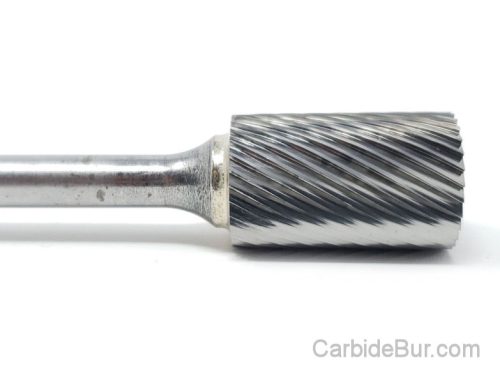
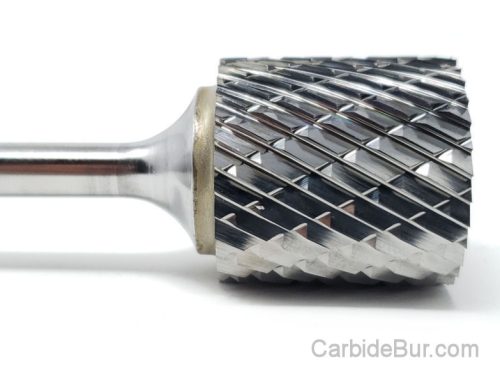
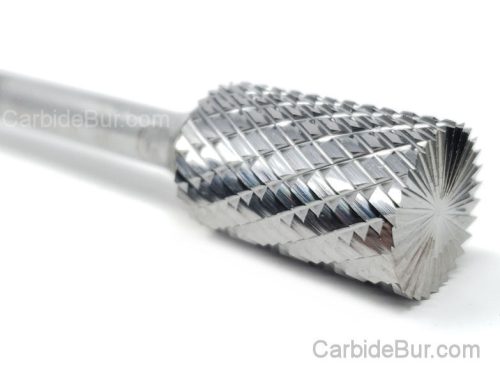
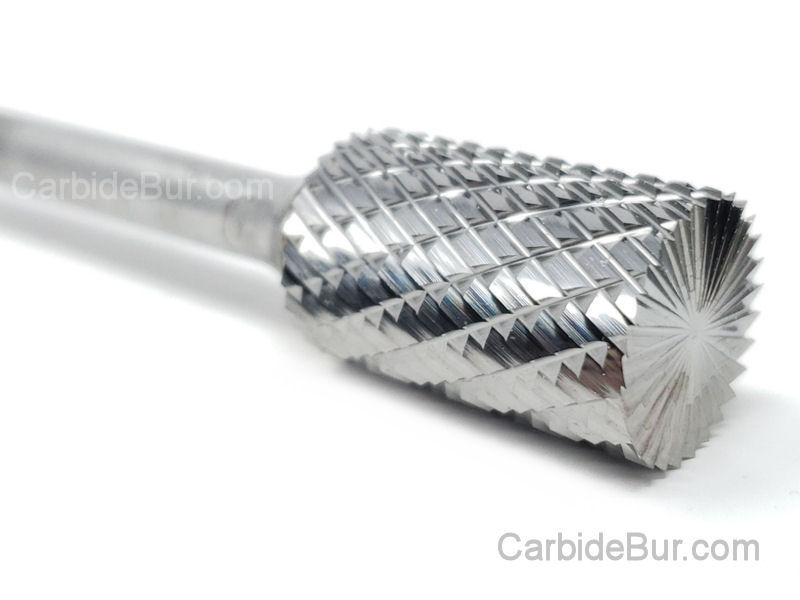
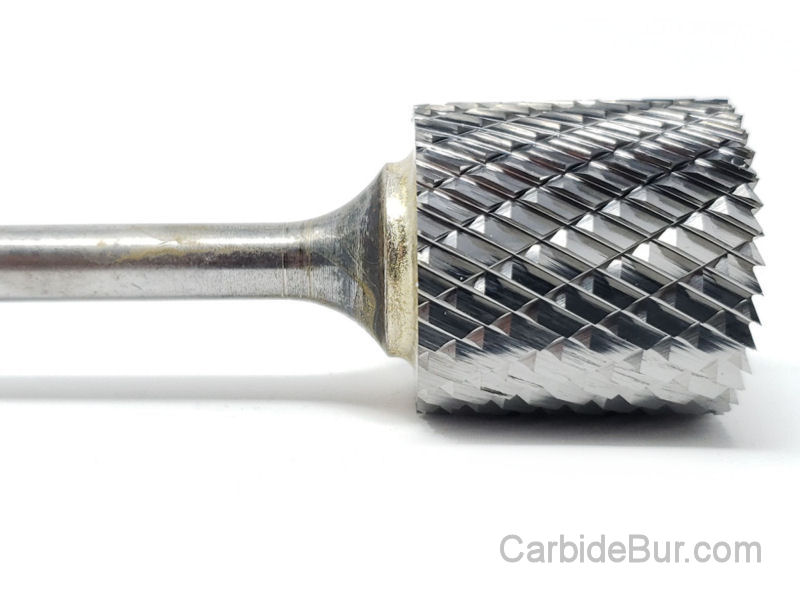
Carbide burrs are small, rotating tools used to cut, shape, and grind metal. They come in various shapes and sizes, each designed for specific tasks. These versatile tools are essential in metalworking for tasks that require precision and detail.
Carbide burrs are made from tungsten carbide, a material known for its hardness and durability. They can handle tough metals, making them valuable for both professionals and hobbyists. With proper use, these burrs can save time and enhance the quality of your work.
Importance in Metalworking
Carbide burrs play a crucial role in metalworking by providing clean, precise cuts. They are used in deburring, shaping, and surface preparation. Their ability to handle high-speed applications without losing sharpness makes them indispensable in many workshops.
When you use carbide burrs, you can achieve fine finishes and detailed work that might be difficult with other tools. This precision is why they are favored by metalworkers who need reliable performance and efficiency.
Common Carbide Burr Materials
The most common material for these burrs is tungsten carbide, chosen for its strength and resistance to wear. This material ensures that the burrs remain sharp over time, even with frequent use. By selecting the right material for your tasks, you can enhance tool longevity and performance.
Other materials like high-speed steel are also used, but they don’t match the durability of carbide. Knowing the differences can help you select the best tool for your needs, ensuring better results and longer tool life.
Common Carbide Burr Mistakes
Understanding how to avoid common mistakes with carbide burrs can significantly extend their life and maintain their performance. Addressing these errors can save you time, money, and frustration.
Improper Storage Techniques
Storing your carbide burrs incorrectly can shorten their lifespan. Burrs need to be kept clean and dry, away from moisture and dust. When left exposed, they can rust or become dull, affecting their performance.
Use a dedicated storage container to keep your burrs organized and protected. This small step goes a long way in preserving their sharpness and ensuring they are ready when you need them.
Incorrect Operating Speeds
Running carbide burrs at the wrong speed is a common error. Each burr has an optimal speed range, and deviating from it can cause overheating or inefficient cutting. This mistake not only damages the burr but also affects the quality of your work.
Always check the manufacturer’s recommendations for speed settings. Using the right speed ensures that your burr performs at its best, delivering clean cuts and extending its life.
Inadequate Cleaning Practices
Neglecting to clean your carbide burrs can lead to buildup that affects their efficiency. Metal shavings and debris can clog the burr, making it less effective and more prone to overheating.
Regular cleaning with a suitable brush or tool keeps your burrs in top shape. By maintaining cleanliness, you ensure that your burrs remain sharp and ready for the next task, reducing time wasted on ineffective tools.
Tips for Carbide Burr Maintenance
Proper maintenance is key to extending the life of your carbide burrs. By following these tips, you can ensure optimal performance and longevity for your tools.
Selecting the Right Burr for the Job
Choose the burr that fits your task to avoid unnecessary wear. Different shapes and sizes are designed for specific applications. Using the wrong burr can lead to subpar results and quicker wear.
For example, use a cylindrical burr for flat surfaces and a ball-shaped burr for contoured areas. Selecting the right burr for each job helps maintain its efficiency and extends its lifespan.
Cleaning and Lubrication Tips
Regular cleaning and lubrication are essential for maintaining carbide burrs. After each use, clean your burr with a brush to remove debris. This prevents buildup that can dull the tool.
Lubricating your burrs with a light oil can also help reduce friction and wear during use. This simple maintenance routine can keep your tools in excellent condition, ensuring they deliver top performance every time.
Safe Storage Solutions
Storing your burrs properly prevents damage and extends their life. Use a storage box with individual compartments to keep them organized and protected. This prevents them from knocking against each other, which can cause chipping.
By investing in a suitable storage solution, you ensure your burrs remain in pristine condition, ready for your next project. Safe storage is a simple yet effective way to prolong the life of your tools.
Strategies to Extend Tool Life
Implementing strategies to extend the life of your carbide burrs can lead to significant savings and improved productivity in your workshop.
Monitoring and Managing Speeds
Keep an eye on the operating speeds of your burrs. Use a speed chart or guide to match the tool and material, ensuring optimal performance. Incorrect speeds can lead to excessive wear and reduced efficiency.
By managing speeds properly, you can avoid common damage and prolong the life of your tools. This proactive approach ensures your burrs work effectively and last longer.
Routine Inspection and Replacement
Regularly inspect your carbide burrs for signs of wear. Look for dull edges or chips, which indicate it’s time for replacement. Using damaged burrs can compromise your work quality and safety.
Timely replacement of worn burrs maintains the efficiency of your operations. By keeping a routine inspection schedule, you ensure that your tools are always in peak condition.
Educating Your Team
Training your team on the proper use and maintenance of carbide burrs can prevent common mistakes. Educated users are less likely to misuse the tools, which can lead to damage.
Hold regular training sessions to update your team on best practices for using and caring for these tools. An informed team contributes to the longevity of your equipment and the success of your projects.
Enhancing Tool Performance
Enhancing the performance of your carbide burrs ensures that your work is precise and consistent. Implement these practices for better results in your projects.
Achieving Optimal Cuts
To achieve the best cuts, use the right burr and speed for your material. This combination ensures clean, precise results that enhance the quality of your work.
By focusing on optimal cuts, you not only improve your work but also extend the life of your tools. Consistent quality is a sign of well-maintained equipment.
Ensuring Consistent Results
Consistency in your work relies on proper tool maintenance and selection. By following best practices, you can ensure that each project meets the high standards you set.
This consistency builds your reputation and confidence, knowing your tools will perform reliably. Ensuring consistent results is key to professional success in metalworking.
Maintaining Worksite Safety
Safety should always be a priority in your workshop. Proper use and maintenance of carbide burrs play a significant role in preventing accidents.
Inspect your tools regularly and ensure your team follows safety guidelines. A safe worksite not only protects your team but also ensures the longevity of your equipment.
Frequently Asked Questions
What are the main uses of carbide burrs?
Carbide burrs are used for cutting, shaping, and grinding metal. They are essential for tasks that require precision, such as deburring and surface preparation. Their versatility makes them a staple in metalworking.
How can I extend the life of my carbide burrs?
To extend the life of your carbide burrs, use proper storage, adhere to recommended operating speeds, and maintain regular cleaning routines. Selecting the right burr for your task also helps avoid unnecessary wear.
Why is it important to use the right speed with carbide burrs?
Using the right speed ensures optimal performance and prevents overheating, which can damage the burr. Always refer to the manufacturer’s guidelines to match the speed with the type of burr and material.
How often should I inspect my carbide burrs?
Regular inspection is crucial for maintaining tool efficiency. Check your burrs for wear or damage before each use. Timely replacement of worn burrs helps maintain quality and safety in your work.
What is the best way to store carbide burrs?
Store carbide burrs in a protective case with individual compartments. This prevents them from knocking against each other and getting damaged, keeping them in top condition for your next project.
Have you seen our selection of carbide bur tools?
Looking for Carbide Bur Tools?
Check out our entire selection of USA made carbide bur die grinder tool bits
Follow us on Twitter

Return to CarbideBur.com
Carbide Burs – 1/4″ on 1/8″ Shanks – Accessories – Aluminum Cut – Bur Sets – End Mills – Long Shank – Solid Burs
Choosing the Best Carbide Burrs for Your Projects
Quality and Performance: Choosing the Best Carbide Burrs for Your Projects Choosing between American-made carbide burrs and imported carbide tools can feel like navigating a maze without a map. You want tools that last and [...]
The Ultimate Guide to Choosing the Right Die Grinder Attachments
The Ultimate Guide to Choosing the Right Die Grinder Attachments Reaching deep cavities with your die grinder can feel like a puzzle with missing pieces. When you’re stuck trying to access tight spaces, the right [...]
Extend Tool Life: Tips for Maximizing Carbide Burr Performance
Extend Tool Life: Tips for Maximizing Carbide Burr Performance Most people think the only way to extend tool life is by buying premium carbide burrs. The truth is, simple mistakes kill your tools faster than [...]
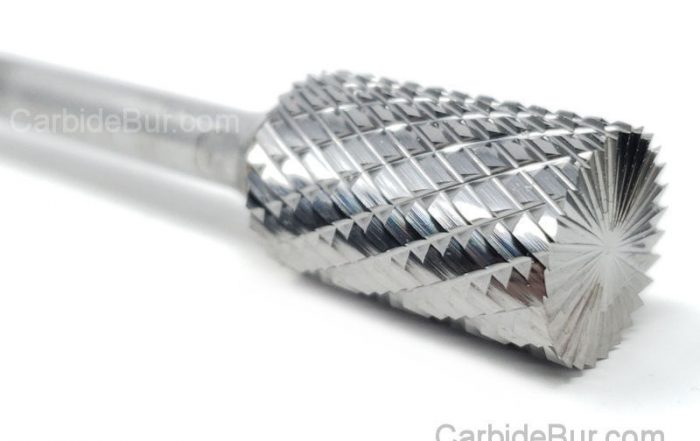
Are Carbide Burrs the Key to Cost-Effective Metalworking in a Pricey Market?
Are Carbide Burrs the Key to Cost-Effective Metalworking in a Pricey Market? Tool prices keep climbing, and metalworkers are feeling the pinch when their tools wear out too fast. Cheaper options may save money upfront [...]
Precision Metalworking Tools: The Backbone of Defense Manufacturing Expansion
Precision Metalworking Tools: The Backbone of Defense Manufacturing Expansion Defense manufacturing has surged by over 40% in the past three years, pushing demand for precision metalworking tools to new heights. If your production lines aren’t [...]

The Complete Guide to Removing Rough Welds and Sharp Metal Edges
The Complete Guide to Removing Rough Welds and Sharp Metal Edges Welding and metal fabrication often leave behind rough edges, excess weld material, sharp burrs, and uneven surfaces that need attention before a project is [...]
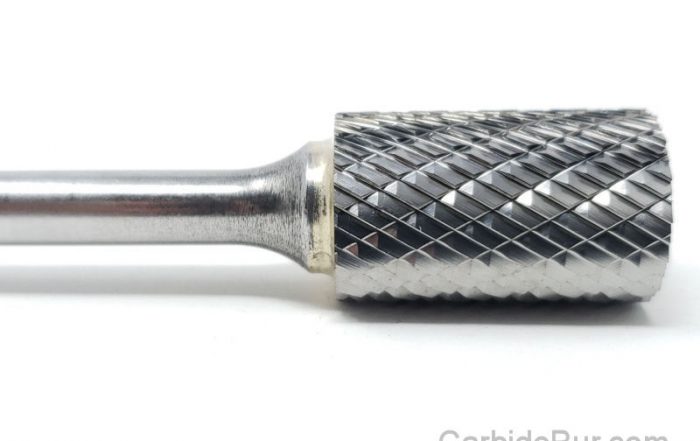
Using Carbide Burrs on Cast Iron: Tips for Automotive and Industrial Work
Using Carbide Burrs on Cast Iron: Tips for Automotive and Industrial Work Cast iron is used in a wide range of automotive and industrial components because of its strength, wear resistance, and ability to withstand [...]
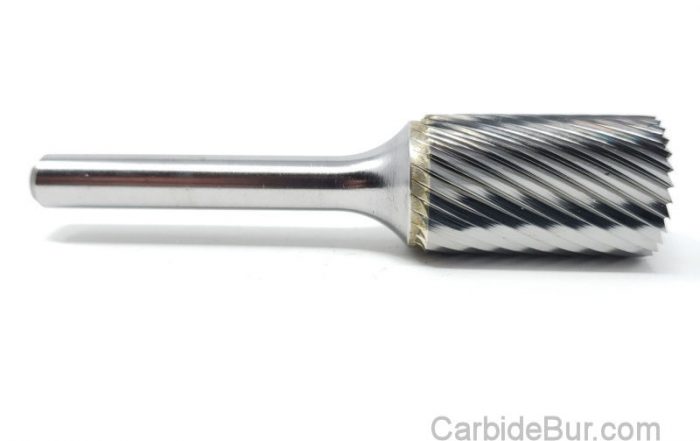
Carbide Burr Shapes Explained: Cylindrical, Ball, Oval, and Tree Burrs
Carbide Burr Shapes Explained: Cylindrical, Ball, Oval, and Tree Burrs Choosing the right carbide burr shape can make metalworking easier, improve control, and help you remove material where it is actually needed. Whether you are [...]
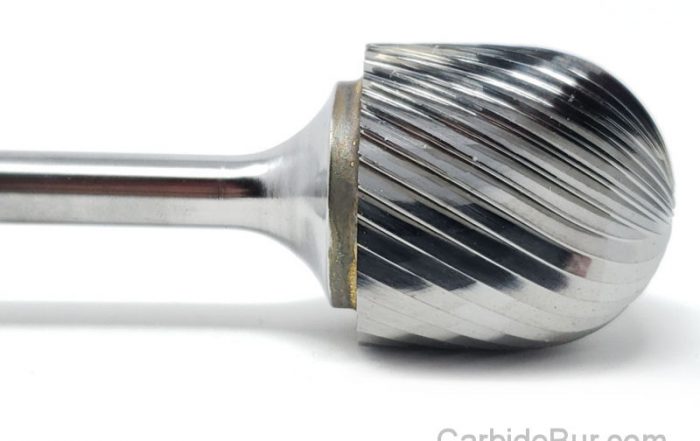
How to Get More Life from Your Carbide Burrs
How to Get More Life from Your Carbide Burrs Carbide burrs are valuable tools for welders, fabricators, machinists, automotive enthusiasts, and anyone who regularly works with metal. They can remove material, shape edges, clean up [...]
Are Expensive Carbide Burrs Worth It? Comparing Price and Performance
Are Expensive Carbide Burrs Worth It? Comparing Price and Performance When shopping for carbide burrs, it's easy to assume that the cheapest option saves money. But if you use rotary cutting tools regularly for welding, [...]
Carbide Burr vs. Grinding Stone: Which Is Better for Metal Removal?
Carbide Burr vs. Grinding Stone: Which Is Better for Metal Removal? When you need to remove metal, smooth a rough edge, or shape a metal component, two common options are carbide burrs and grinding stones. [...]
Carbide Burr Safety: RPM, Eye Protection, and Common Mistakes
Carbide Burr Safety: RPM, Eye Protection, and Common Mistakes Carbide burrs are versatile cutting tools used for metal fabrication, welding cleanup, engine porting, deburring, and general material removal. When used correctly, they can help remove [...]