
Carbide Burs 101: A Beginner’s Guide to Mastering Metal Polishing
Metal polishing might seem like a daunting task for beginner welders, but it doesn’t have to be. With the right tools and a bit of guidance, you can transform your welds into gleaming masterpieces. Carbide burs are an essential part of this process, making them a must-have in your collection of welding tools. In this guide, we’ll break down the basics of using carbide burs, exploring different techniques to achieve a flawless finish on your metal projects. Whether you’re just starting out or looking to hone your skills, this beginner-friendly tutorial will set you on the path to mastering weld polishing techniques. For more insights, check out this guide.## Introduction to Carbide Burs
Understanding carbide burs is crucial for anyone venturing into metal polishing. These small but powerful tools are essential for refining metal surfaces and achieving the desired finish. They come in various shapes and sizes, each designed for specific tasks. Let’s delve into what carbide burs are and why they’re indispensable in metalworking.
Check out all our USA made carbide bur cutting tools here
What Are Carbide Burs?
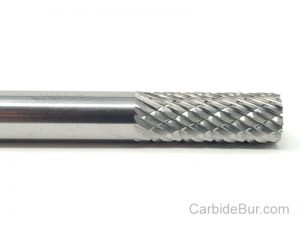
Carbide burs are rotary cutting tools used in metalworking to smooth and shape metal surfaces. Made from tungsten carbide, they are extremely hard and durable. This makes them perfect for grinding, deburring, and polishing. Carbide burs come in different shapes, such as cylindrical, spherical, or flame-shaped, each suited for specific tasks.
-
Durability: Carbide burs withstand high temperatures and maintain their sharpness longer than other materials.
-
Versatility: They are used in various applications, from dental labs to large-scale metal fabrication.
-
You can find more about carbide burs at Carbide Bur.
Benefits of Using Carbide Burs
Carbide burs offer several advantages for metalworkers. First, their durability ensures a long-lasting tool that can handle tough materials. They also offer precision in metal polishing, allowing detailed work without damaging the material.
-
Efficiency: They remove material quickly, saving time and effort.
-
Precision: Suitable for detailed work, such as intricate carvings and designs.
-
Explore different types at Carbide Burr.
Choosing the Right Burs for You
When selecting carbide burs, consider the material you are working with and the required finish. The choice of bur shape affects the result, so understanding each type’s purpose is key.
-
Material compatibility: Use aluminum-specific burs to avoid clogging. Learn more at Soobill’s Guide.
-
Desired finish: Different shapes and cuts achieve varying textures and finishes.
-
Task-specific burs: Choose accordingly for grinding or polishing.
Essential Welding Tools
Having the right tools is vital for any beginner welder. The right setup not only enhances safety but also ensures efficient and quality work. Let’s explore the must-have tools and safety gear for metal polishing.
Must-Have Tools for Beginners
For those just starting, creating a comprehensive toolset is crucial. Essential tools include a welding machine, clamps, and, of course, carbide burs.
-
Welding machine: Choose one that suits the metals you will work with.
-
Clamps: Secure your pieces during the welding and polishing process.
-
Carbide burs: Essential for achieving a smooth finish.
Safety Gear for Metal Polishing
Safety is paramount when working with metal. Proper safety gear protects you from potential hazards associated with metalworking.
-
Eye protection: Use goggles or face shields to keep your eyes safe from flying debris.
-
Gloves: Protect your hands from hot surfaces and sharp edges.
-
Respirators: Prevent inhalation of harmful dust and fumes.
Maintaining Your Welding Equipment
Proper maintenance of your tools ensures longevity and reliability. Regular checks and cleaning are essential for optimal performance.
-
Cleaning: Remove debris and dust from tools after use.
-
Inspection: Regularly check for wear and tear.
-
Lubrication: Keep moving parts well-lubricated to prevent rust and wear.
Metal Polishing Techniques
Mastering metal polishing techniques is crucial for achieving a flawless finish. Whether refining welds or creating intricate designs, effective polishing brings out the best in your work. Discover the basics and learn how to troubleshoot common issues.
Basics of Weld Polishing
Weld polishing involves smoothing out weld joints to create a seamless look. It not only enhances aesthetics but also improves the structural integrity of the weld.
-
Initial grinding: Use a coarse bur to remove excess material.
-
Smoothing: Progress to finer burs for a smoother finish.
-
Final polish: Achieve a mirror-like surface with specialized burs.
Step-by-Step Polishing Guide
Follow these steps for effective weld polishing:
-
Prepare the surface by cleaning and removing any debris.
-
Start with a coarse carbide bur to remove excess weld.
-
Move to a medium-grit bur to smooth out the surface.
-
Finish with a fine-grit bur for a polished appearance.
Troubleshooting Common Issues
Metal polishing can present challenges, but many common issues have straightforward solutions.
-
Uneven finish: Ensure even pressure is applied throughout polishing.
-
Burs clogging: Use proper burs for the material to prevent clogging.
-
Surface scratches: Check for debris on the bur that might cause scratches.
Getting Started with Carbide Burs
Starting with carbide burs involves setting up your workspace, honing your welding skills, and practicing polishing techniques. A well-organized workspace sets the stage for successful projects.
Setting Up Your Workspace
Create a workspace that promotes safety and efficiency. Adequate lighting, ventilation, and organization are key components.
-
Lighting: Ensure good visibility to prevent errors.
-
Ventilation: Use fans or exhaust systems to remove harmful fumes.
-
Organization: Keep tools accessible and organized for easy use.
Beginner Welding Tips
For beginners, mastering basic welding techniques is crucial. Focus on practice and consistency to build confidence and skill.
-
Practice regularly to develop a steady hand.
-
Start with simple projects to gain experience.
-
Seek feedback from experienced welders to improve.
Practicing Weld Polishing Techniques
Regular practice of polishing techniques enhances skill and precision. Use scrap metal to hone your abilities without the pressure of ruining a project.
-
Experiment with different burs to understand their effects.
-
Focus on technique to achieve even results.
-
Repeat polishing exercises to build muscle memory.
Growing Your Metalworking Skills
To advance in metalworking, continuous learning, quality work, and entrepreneurial spirit are essential. These elements will help you build a robust skill set and a successful brand.
Resources for Continuous Learning
Staying informed about the latest techniques and trends in metalworking is vital. Access to resources like online courses and forums can greatly enhance your skills.
-
Online tutorials: Find step-by-step guides and videos.
-
Join forums to connect with other metalworkers.
-
Read industry publications for the latest insights.
Building Your Brand with Quality Work
Producing quality work is the foundation of a strong brand. Consistency in craftsmanship builds a reputation for reliability and skill.
-
Focus on precision to ensure every project meets high standards.
-
Create a portfolio showcasing your best work.
-
Engage with clients to understand their needs and exceed expectations.
Encouraging Entrepreneurship in Metalworking
Entrepreneurship in metalworking opens opportunities for innovation and growth. Building a business requires passion, dedication, and a commitment to quality.
-
Identify a niche within metalworking to specialize in.
-
Develop a business plan outlining goals and strategies.
-
Network with other entrepreneurs to share insights and opportunities.
Check out all our USA made carbide bur cutting tools here
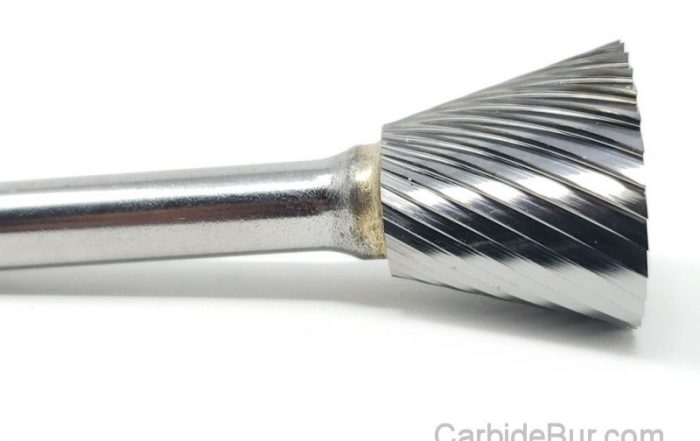
1/8 vs 1/4 Inch Carbide Burrs: What’s the Difference?
1/8 vs 1/4 Inch Carbide Burrs: What's the Difference? Choosing between a 1/8 inch carbide burr and a 1/4 inch carbide burr can change how your project turns out. Many machinists and hobbyists overlook how [...]
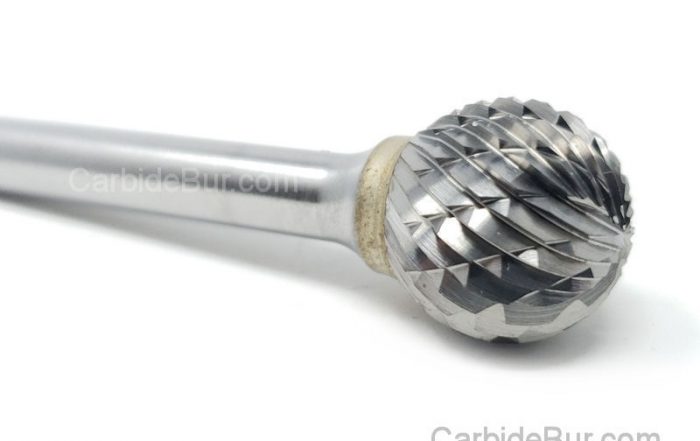
Best Carbide Burr for Removing Flash From Castings
Best Carbide Burr for Removing Flash From Castings Removing flash from castings is a task that can slow down your entire metalworking process if you don’t have the right tools. Picking the best carbide burr [...]
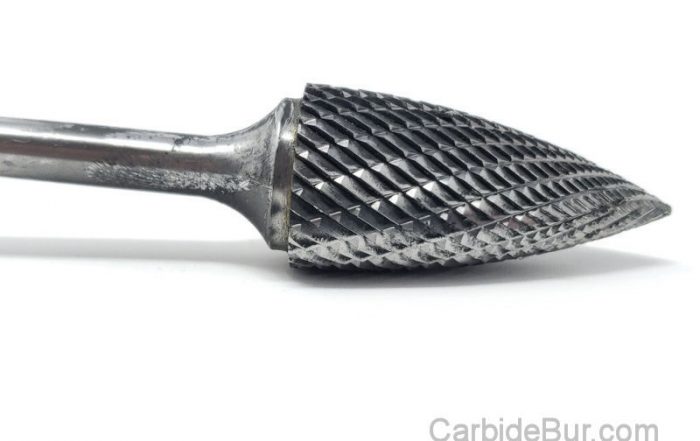
What RPM Should You Use for a 1/4 Inch Carbide Burr?
What RPM Should You Use for a 1/4 Inch Carbide Burr? Most machinists guess the right speed for a 1/4 inch carbide burr and hope for the best. Using the wrong carbide burr RPM can [...]
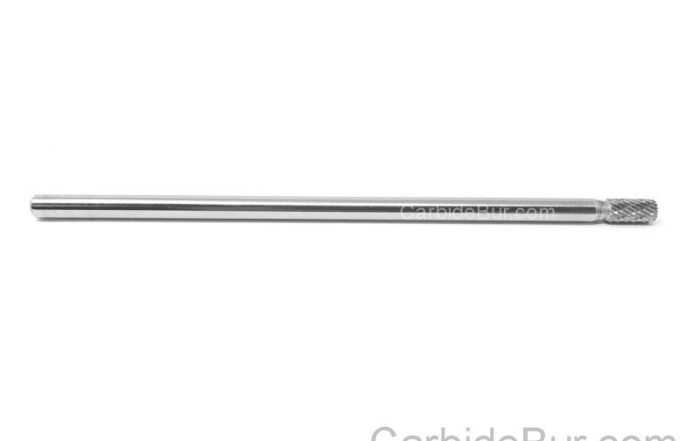
Long Shank Carbide Burrs: When Do You Need One?
Long Shank Carbide Burrs: When Do You Need One? Most machinists overlook the power of long shank carbide burrs until a project demands precision in tight spaces. When your usual tools can’t reach intricate contours, [...]
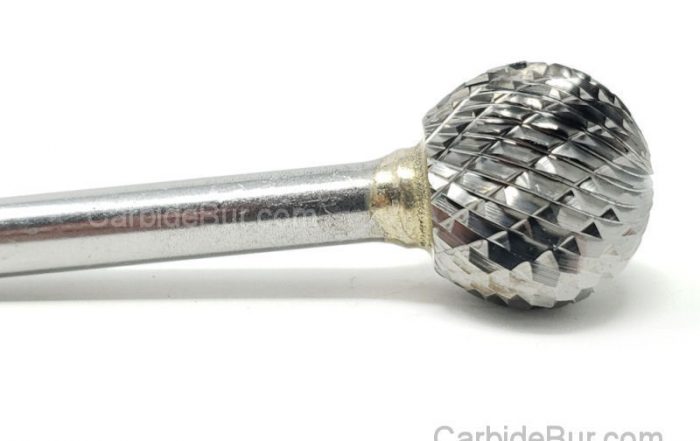
How Deep Can a Carbide Burr Cut Metal?
How Deep Can a Carbide Burr Cut Metal? Carbide burrs often get praised for their precision, but many users hit a wall wondering how deep they can actually cut metal. The truth is, cutting depth [...]
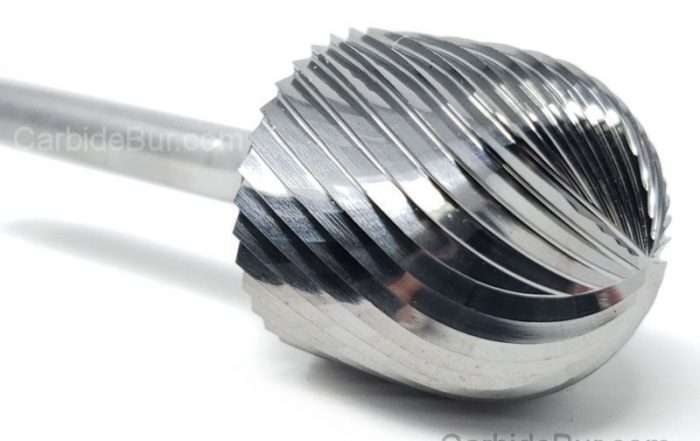
How to Use Carbide Burrs for Port Matching
How to Use Carbide Burrs for Port Matching Most engine builds hit a wall when airflow doesn’t flow smoothly between the ports and manifolds. If your engine isn’t breathing right, your performance stalls. Using the [...]
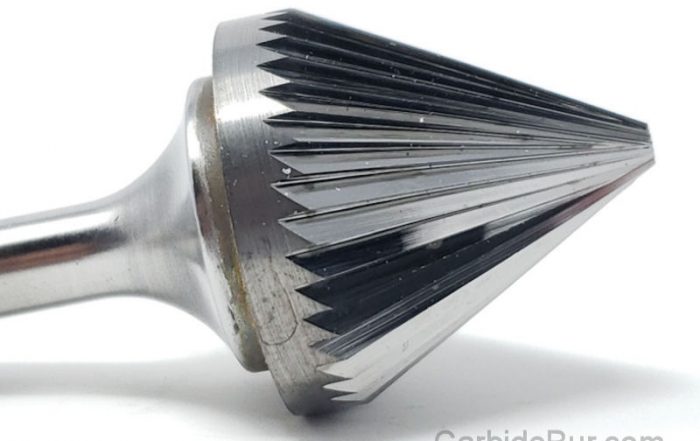
Best Carbide Burr for Porting Intake Manifolds
Best Carbide Burr for Porting Intake Manifolds Porting intake manifolds can make or break your engine’s airflow, yet many struggle with the right tools for the job. Choosing the best carbide burrs is key to [...]
Best Carbide Burr for Concave Surfaces
Best Carbide Burr for Concave Surfaces Concave surfaces can turn a straightforward project into a frustrating challenge if you don’t have the right tool. Carbide burrs designed for these tricky curves make all the difference [...]
How to Grind a Slot in Metal With a Carbide Burr
How to Grind a Slot in Metal With a Carbide Burr Grinding a precise slot in metal can feel like a tricky task, especially if you’re unsure which tools to trust. Carbide burr grinding offers [...]

Best Carbide Burr for Inside Corners
Best Carbide Burr for Inside Corners Working in tight inside corners can turn even simple projects into frustrating tasks. Many carbide burrs just don’t fit or cut cleanly where you need them most. The best [...]
What Size Carbide Burr Do I Need?
What Size Carbide Burr Do I Need? Picking the wrong carbide burr can turn a simple project into a frustrating mess. You might have the best machining tools but still miss the mark if your [...]
How to Smooth Sharp Metal Edges With a Carbide Burr
How to Smooth Sharp Metal Edges With a Carbide Burr Sharp metal edges can turn your project from professional to risky in seconds. If you’ve struggled with smoothing metal edges without scratching or weakening the [...]
