
Mastering Metalwork: A Guide to Carbide Bur Shapes in Weld Polishing
In the world of metalworking, mastering the specifics of carbide bur shapes is essential for achieving precision and excellence in weld polishing. Each carbide tool, whether it’s cylindrical, ball, or tree-shaped, plays a unique role in refining metal surfaces, offering welders and fabricators the edge they need for perfect finishes. Understanding these tools and their specific applications can significantly enhance the quality of your work, making your projects stand out in the competitive field of metal fabrication. As you explore the diverse applications of carbide tools, you’ll find that choosing the right shape not only improves efficiency but also opens up new possibilities for your craft. Let’s delve into the fascinating world of metalworking tools and uncover how these small but mighty instruments can transform your welding projects. For more information, you can visit Empire Abrasives.
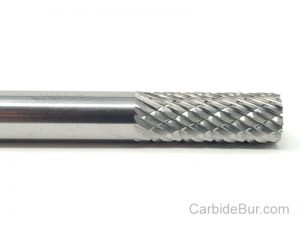
Check out all our USA made carbide bur cutting tools here
Introduction to Carbide Bur Shapes
Carbide bur shapes are crucial in metalworking, especially in weld polishing tasks. Each shape has a distinct purpose, with specific applications that can enhance the quality and efficiency of metal finishing.
Importance in Metalworking
Carbide bur shapes are vital for achieving precision in metalworking. They allow workers to smooth, shape, and finish metal surfaces with high accuracy. Using the right bur shape ensures a superior finish, reducing the need for further work. This leads to increased productivity and better results. The choice of carbide bur can also affect the longevity and durability of the workpiece.
For more insights on carbide burs, visit Soobill.
Overview of Weld Polishing
Weld polishing involves the refinement of welded joints to achieve a smooth surface. This process is crucial for both aesthetic and structural purposes. Proper polishing can prevent issues such as corrosion or fatigue in metal components.
-
A well-polished weld enhances strength and appearance.
-
Polishing removes excess weld material, creating an even surface.
-
It helps in preparing metal surfaces for painting or coating.
Key Benefits of Carbide Tools
Carbide tools offer numerous benefits in metalworking. Durability and precision are top advantages. These tools are engineered to withstand high temperatures and resist wear, making them ideal for repetitive tasks.
-
Longevity: Reduces tool replacement frequency.
-
Efficiency: Speeds up metalworking processes.
-
Versatility: Suitable for various applications.
For more detailed information, check CarbideBur.
Exploring Cylindrical Burs
Cylindrical burs are a staple in welding applications. They are designed for tasks that require straight edges and flat surfaces.
Applications in Welding
Cylindrical burs are perfect for removing burrs and smoothing surfaces. Their design allows for easy handling in tight spaces, making them ideal for detailed work.
-
Deburring: Essential for removing sharp edges.
-
Surface Leveling: Perfect for flat areas on metal pieces.
-
Groove Cutting: Creates precise grooves and slots.
Advantages for Precision Work
Cylindrical burs excel in precision tasks. Their straight sides allow for consistent contact with the metal surface, ensuring even finishes.
-
Uniformity: Achieves an even surface.
-
Control: Provides stability in detailed work.
-
Accessibility: Reaches tight or narrow areas.
To learn more, visit CarbideBurr.
Understanding Ball Burs
Ball burs are uniquely shaped for specific metalworking tasks. They are effective in creating smooth, rounded surfaces.
Effective Uses in Metalwork
Ball burs are suitable for tasks that require rounded edges or hollowed-out areas. Their spherical shape allows for seamless movement across metal surfaces.
-
Rounding Edges: Ideal for softening sharp corners.
-
Cavities: Excels in shaping concave areas.
-
Engraving: Provides precision in detailed engraving work.
Enhancing Surface Finish
Ball burs contribute significantly to surface finishing. Their design ensures a uniform finish, enhancing both the appearance and texture of metal workpieces.
-
Smoothness: Achieves a polished look.
-
Consistency: Maintains uniformity across surfaces.
-
Detailing: Enhances intricate designs and patterns.
The Versatility of Tree Burs
Tree burs are indispensable for complex metal shapes and weld polishing. Their tapered design offers unique advantages.
Unique Applications in Weld Polishing
Tree burs are optimal for reaching tight angles and complex shapes. They efficiently remove material while preserving the integrity of the metal.
-
Tight Corners: Maneuvers easily in confined areas.
-
Material Removal: Efficiently reduces excess material.
-
Complex Shapes: Handles intricate designs with ease.
Benefits for Complex Shapes
The ability of tree burs to adapt to various contours makes them valuable in metalworking. Their versatile design enables them to tackle challenging tasks.
-
Adaptability: Conforms to various shapes.
-
Precision: Ensures clean edges and surfaces.
-
Efficiency: Reduces time spent on manual adjustments.
Selecting the Right Carbide Bur
Choosing the right carbide bur is crucial for optimizing metalworking efficiency. It involves understanding the specific needs of your project.
Factors to Consider
When selecting a carbide bur, several factors play a role. These include the type of material, desired finish, and complexity of the workpiece.
-
Material Type: Different burs for different metals.
-
Shape Needs: Match bur shape to task requirements.
-
Finish Quality: Consider the desired surface texture.
Improving Metalworking Efficiency
The right carbide bur can significantly enhance efficiency in metalworking tasks. Here are some tips to keep in mind:
-
Use the appropriate bur for the task at hand.
-
Consider the hardness and toughness of the metal.
-
Maintain burs regularly to prolong their lifespan.
For expert advice, refer to Empire Abrasives.
Check out all our USA made carbide bur cutting tools here
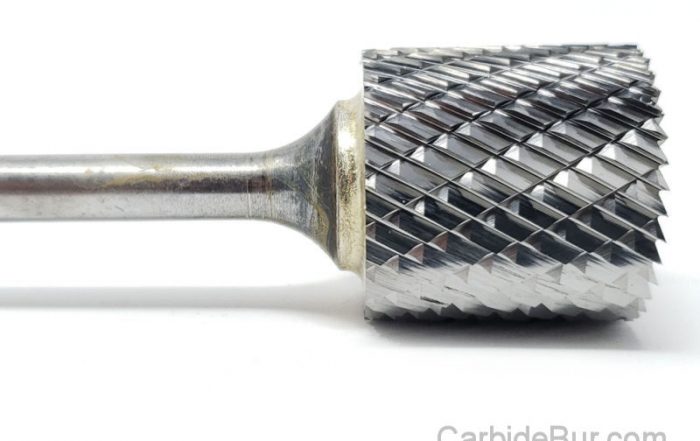
Can Carbide Burrs Cut Through Welds?
Can Carbide Burrs Cut Through Welds? Cutting through welds can feel like a battle, especially when you need clean results without harming the base metal. Carbide burrs offer a sharp edge in this fight, but [...]
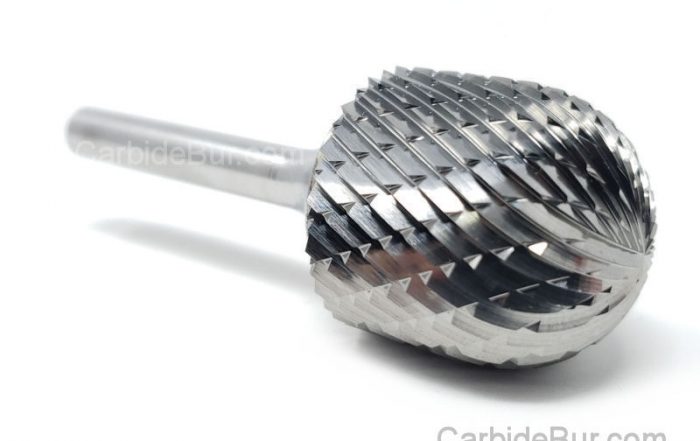
How to Use a Carbide Burr With a Die Grinder
How to Use a Carbide Burr With a Die Grinder Most people treat a carbide burr like just another tool, but using it with a die grinder takes skill. If you’ve struggled with burr installation [...]
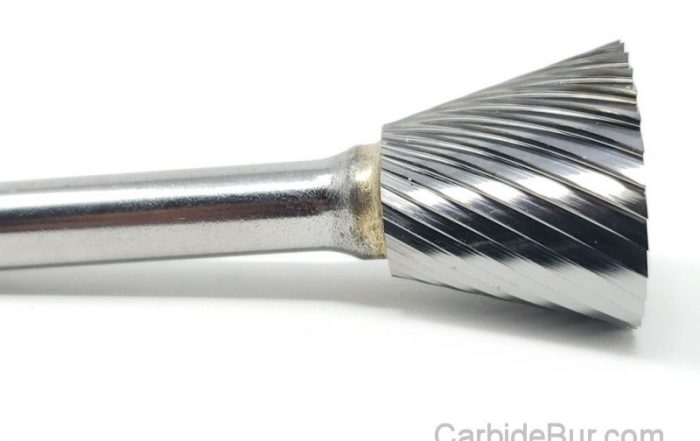
1/8 vs 1/4 Inch Carbide Burrs: What’s the Difference?
1/8 vs 1/4 Inch Carbide Burrs: What's the Difference? Choosing between a 1/8 inch carbide burr and a 1/4 inch carbide burr can change how your project turns out. Many machinists and hobbyists overlook how [...]
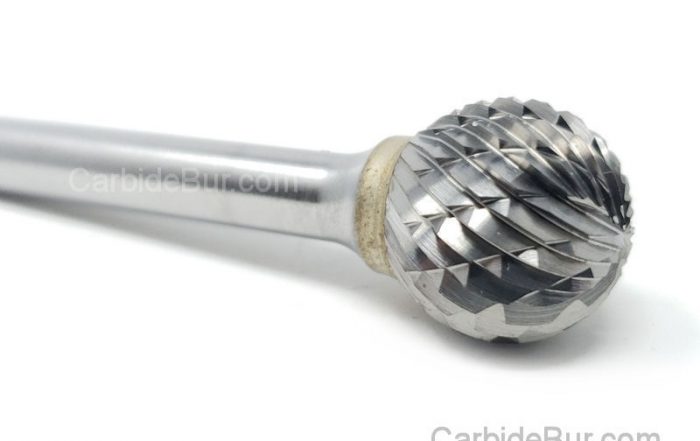
Best Carbide Burr for Removing Flash From Castings
Best Carbide Burr for Removing Flash From Castings Removing flash from castings is a task that can slow down your entire metalworking process if you don’t have the right tools. Picking the best carbide burr [...]
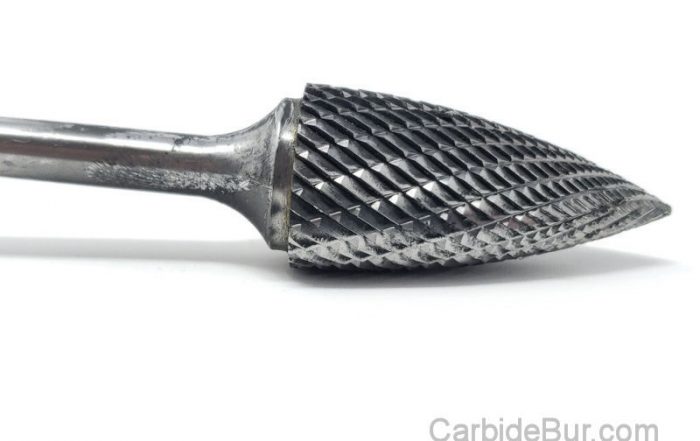
What RPM Should You Use for a 1/4 Inch Carbide Burr?
What RPM Should You Use for a 1/4 Inch Carbide Burr? Most machinists guess the right speed for a 1/4 inch carbide burr and hope for the best. Using the wrong carbide burr RPM can [...]
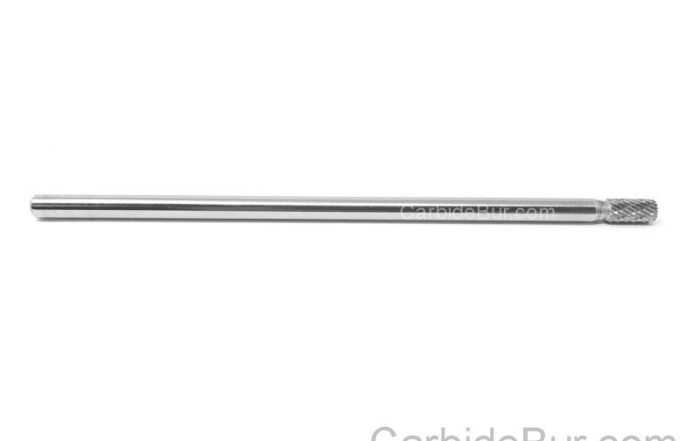
Long Shank Carbide Burrs: When Do You Need One?
Long Shank Carbide Burrs: When Do You Need One? Most machinists overlook the power of long shank carbide burrs until a project demands precision in tight spaces. When your usual tools can’t reach intricate contours, [...]
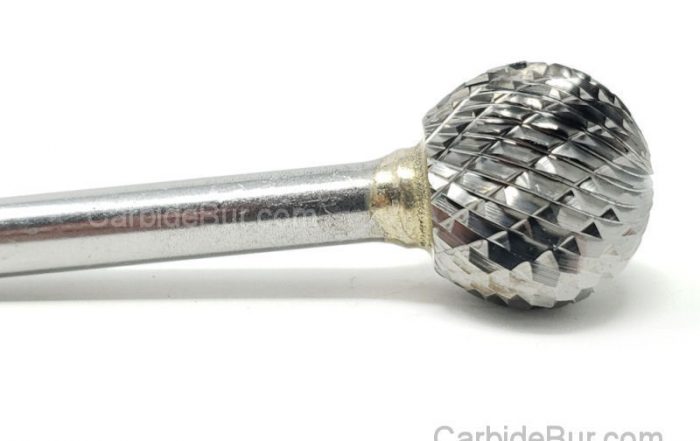
How Deep Can a Carbide Burr Cut Metal?
How Deep Can a Carbide Burr Cut Metal? Carbide burrs often get praised for their precision, but many users hit a wall wondering how deep they can actually cut metal. The truth is, cutting depth [...]
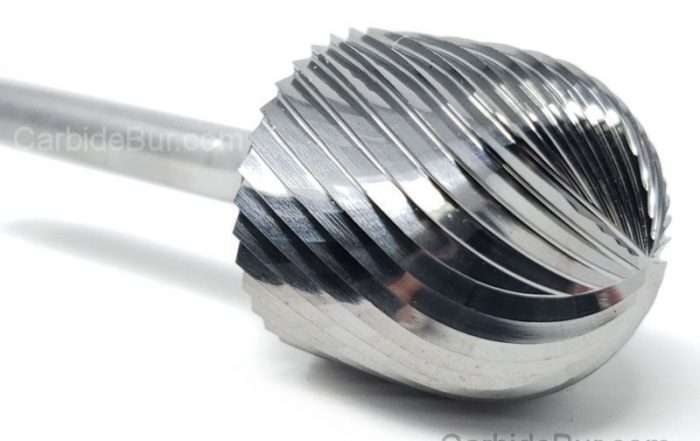
How to Use Carbide Burrs for Port Matching
How to Use Carbide Burrs for Port Matching Most engine builds hit a wall when airflow doesn’t flow smoothly between the ports and manifolds. If your engine isn’t breathing right, your performance stalls. Using the [...]
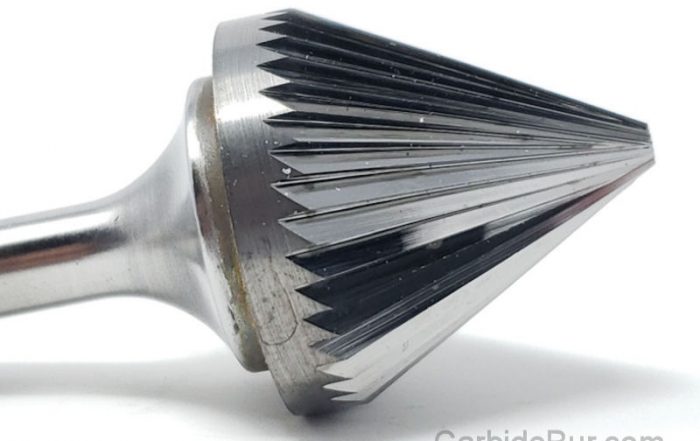
Best Carbide Burr for Porting Intake Manifolds
Best Carbide Burr for Porting Intake Manifolds Porting intake manifolds can make or break your engine’s airflow, yet many struggle with the right tools for the job. Choosing the best carbide burrs is key to [...]
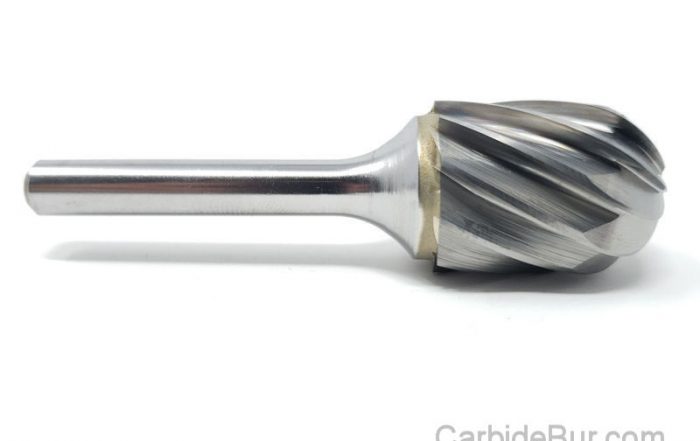
Best Carbide Burr for Concave Surfaces
Best Carbide Burr for Concave Surfaces Concave surfaces can turn a straightforward project into a frustrating challenge if you don’t have the right tool. Carbide burrs designed for these tricky curves make all the difference [...]
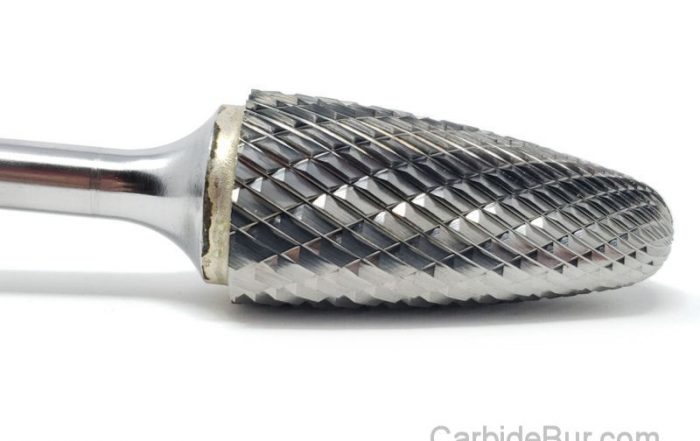
How to Grind a Slot in Metal With a Carbide Burr
How to Grind a Slot in Metal With a Carbide Burr Grinding a precise slot in metal can feel like a tricky task, especially if you’re unsure which tools to trust. Carbide burr grinding offers [...]

Best Carbide Burr for Inside Corners
Best Carbide Burr for Inside Corners Working in tight inside corners can turn even simple projects into frustrating tasks. Many carbide burrs just don’t fit or cut cleanly where you need them most. The best [...]
