
Mastering Steel Machining: A Guide to Choosing the Best Carbide Burrs
Most carbide burrs claim to work on steel, but few deliver clean cuts and smooth finishes without wearing out fast. You’ve spent hours grinding down tough steel only to face dull bits and uneven edges. This guide breaks down the best carbide burrs for steel, explaining which shapes and cuts handle the job right. Keep reading to get the tips that will save your tools and sharpen your results every time. For more information, check out this comprehensive guide.
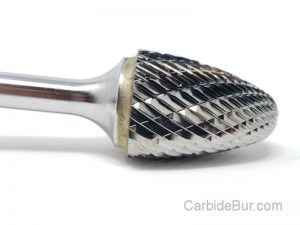
Check out this selection of USA made carbide burs
Understanding Carbide Burrs for Steel
Grasping the significance of carbide burrs is your first step toward mastering steel machining. These tools are your partners in achieving that perfect finish.
Importance of Carbide Burrs
Carbide burrs are critical for metalworkers. They cut through steel, making your projects smoother and more precise. This means less time and effort on your part. Imagine reducing your workload while enhancing your outcomes. That’s the promise of using the right burrs. They are not just tools; they are investments in quality and efficiency.
Key Characteristics of Steel Burrs
Not all burrs are created equal. The best ones for steel are made of tungsten carbide. This material is tough and durable, allowing you to handle even the most challenging steel surfaces. The structure of these burrs ensures they withstand high temperatures and resist wear. You want a tool that lasts, and tungsten carbide burrs fit the bill perfectly.
Best Carbide Burrs for Steel
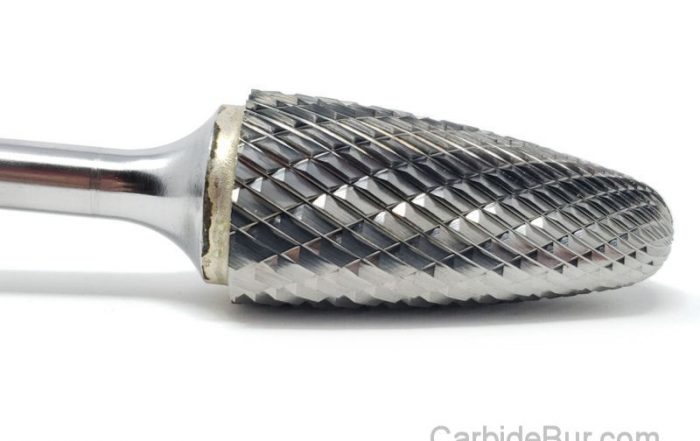
Choosing the best carbide burrs can transform your work. Look for double-cut burrs. They offer a smoother finish and are excellent for reducing material quickly. These burrs are versatile, allowing you to tackle different tasks with ease. For an in-depth analysis, visit this ultimate guide.
Exploring Carbide Burr Shapes
Now that you understand what makes a carbide burr effective, let’s delve into the shapes. The shape you choose can greatly impact your results.
Popular Shapes for Steel Applications
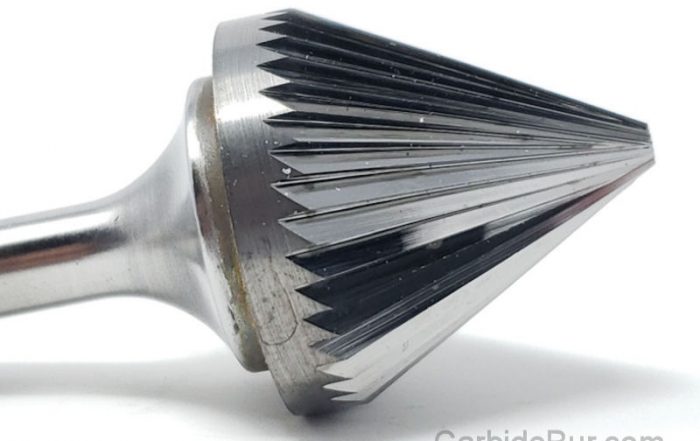
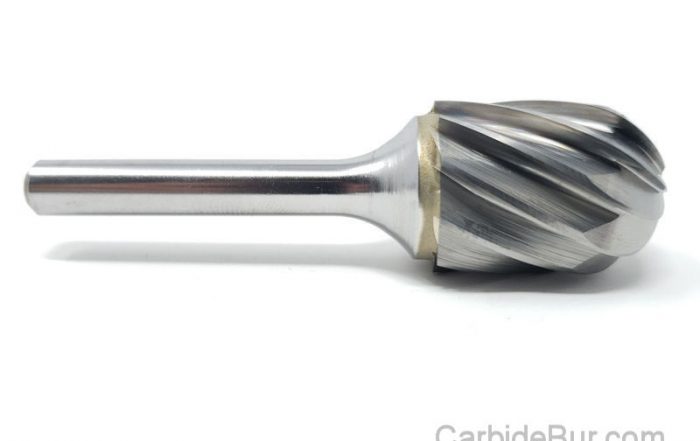
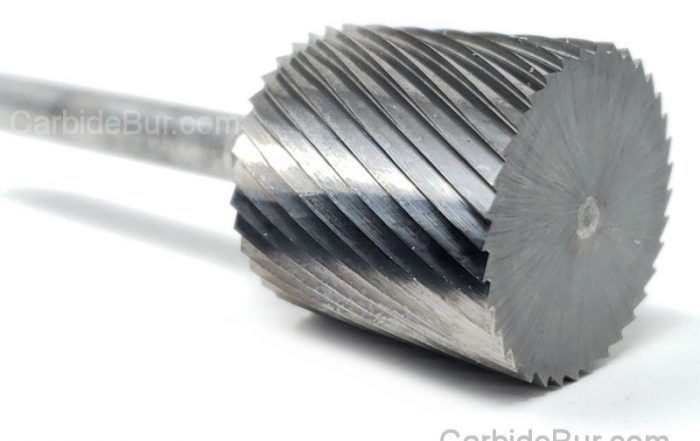
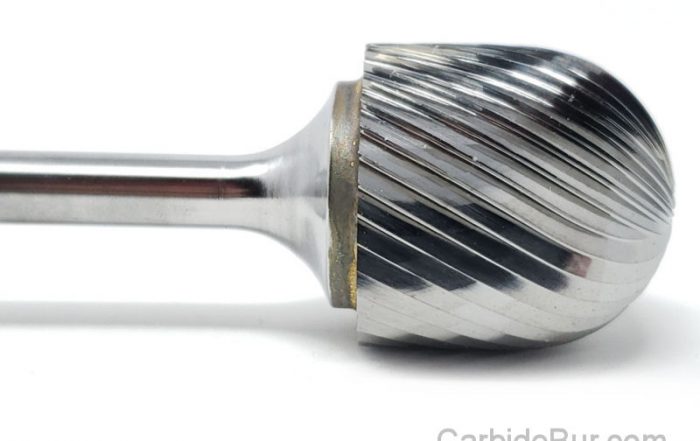
Carbide burrs come in various shapes, each with its unique advantage. Cylindrical burrs are perfect for flat surfaces and contour finishing. Ball-shaped burrs are ideal for creating concave cuts. These shapes allow you to customize your approach depending on the task. Selecting the right shape can enhance your project’s precision and quality.

Need a longer reach for your die grinder?
Choosing the Right Shape for Tasks
Matching the shape of the burr to the task is crucial. For cutting rounded edges, opt for a flame-shaped burr. When removing large amounts of material, a tree-shaped burr is your best bet. Understanding these distinctions helps you achieve desired outcomes efficiently. Each shape serves a purpose, making your work easier and more effective.
Impact of Shape on Material Removal
The shape of the burr affects how material is removed. For instance, pointed burrs are excellent at getting into tight spots. On the other hand, cylindrical burrs offer more surface contact, ideal for larger areas. The right shape can speed up your work and improve accuracy. For further exploration, check out this resource.
Techniques for Effective Steel Machining
Mastering the right techniques can elevate your machining projects. By focusing on details like speed and precision, you can achieve exceptional results.
Optimal Speeds for Burrs
Operating speed is a key factor in effective machining. Higher speeds are great for quick material removal, but they can wear down the burr faster. Lower speeds offer more control and precision. The right balance between speed and pressure ensures efficiency and durability. Experiment with different speeds to find what works best for your tasks.
Ensuring Precise Finishes
Precision is crucial for professional results. Use a light touch when working with burrs to avoid mishaps. Keep the burr moving steadily and avoid lingering in one spot. This approach reduces heat buildup and ensures a smooth finish. Consistency in your technique is your friend here.
Techniques for Material Longevity
To extend the life of your burrs, proper technique is essential. Clean the burrs regularly to prevent material buildup. Use lubrication to reduce friction and heat. These practices not only prolong the life of your burrs but also maintain their performance. For more tips on longevity, check out this guide.
Selecting the Right Burr for Projects
Choosing the correct burr for your specific needs can make or break your project. Let’s explore how to make the right choice for your tasks.
Assessing Project Requirements
Begin by analyzing your project needs. Consider the material type, the complexity of the design, and the desired finish. These factors guide your burr selection. A well-matched burr ensures efficiency and precision, allowing you to execute your vision flawlessly.
Matching Burrs to Steel Types
Different steel types require different burrs. For example, harder steels need more robust burrs. Softer steels benefit from burrs that offer precision and control. Understanding these nuances helps you make informed decisions and achieve superior results. It’s all about matching the tool to the task.
Tips for Quality Results
For the best outcome, follow these tips:
-
Always wear protective gear.
-
Use the right speed for the task.
-
Regularly inspect your tools for wear.
These practices ensure safety and quality in your work. For community insights, visit this discussion.
Maintaining and Caring for Burrs
To get the most out of your burrs, proper maintenance is key. Let’s delve into how to care for your tools effectively.
Cleaning and Storage Practices
After each use, clean your burrs to prevent residue buildup. Use a brush to remove debris, then store them in a dry place. Proper storage prevents rust and extends the life of your burrs. Simple steps like these keep your tools in top condition.
Extending Burr Lifespan
To maximize the lifespan of your burrs, avoid excessive pressure during use. Always use the right speed and angle. These small adjustments can make a big difference in durability. With proper care, your burrs can last significantly longer, saving you time and money in the long run.
Troubleshooting Common Issues
Encountering issues like chipping or dullness? It might be due to incorrect speed or pressure. Adjusting these factors often resolves the problem. Regular maintenance and correct usage can prevent most common issues. Keeping these tips in mind ensures smooth and efficient operations.
By understanding and applying these insights, you’re well-equipped to tackle any steel machining project with confidence and precision. The longer you wait to implement these practices, the more time and resources you might waste. Start today to see the difference in your work.
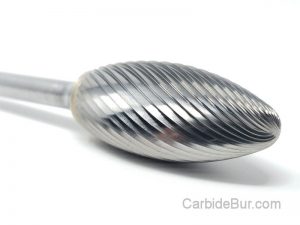
Looking for Carbide Bur Tools?
Check out our entire selection of USA made carbide bur die grinder tool bits
Follow us on Twitter

Return to CarbideBur.com
Carbide Burs – 1/4″ on 1/8″ Shanks – Accessories – Aluminum Cut – Bur Sets – End Mills – Long Shank – Solid Burs
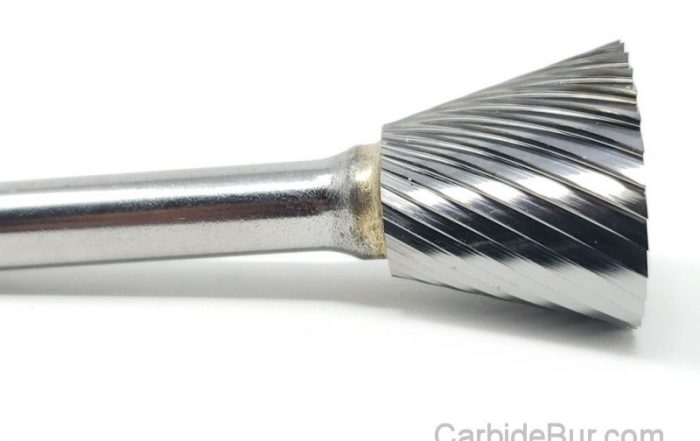
1/8 vs 1/4 Inch Carbide Burrs: What’s the Difference?
1/8 vs 1/4 Inch Carbide Burrs: What's the Difference? Choosing between a 1/8 inch carbide burr and a 1/4 inch carbide burr can change how your project turns out. Many machinists and hobbyists overlook how [...]
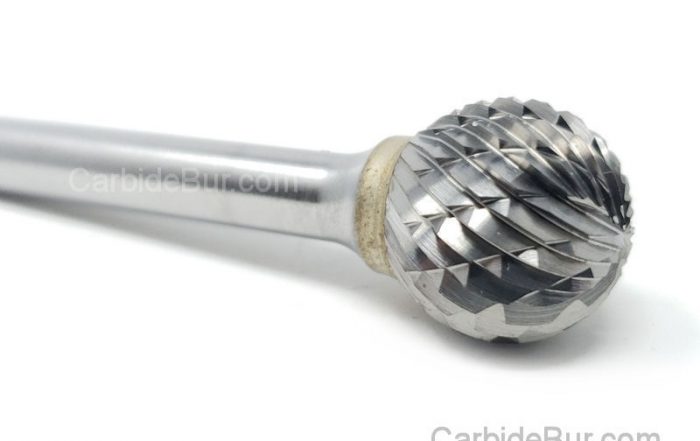
Best Carbide Burr for Removing Flash From Castings
Best Carbide Burr for Removing Flash From Castings Removing flash from castings is a task that can slow down your entire metalworking process if you don’t have the right tools. Picking the best carbide burr [...]
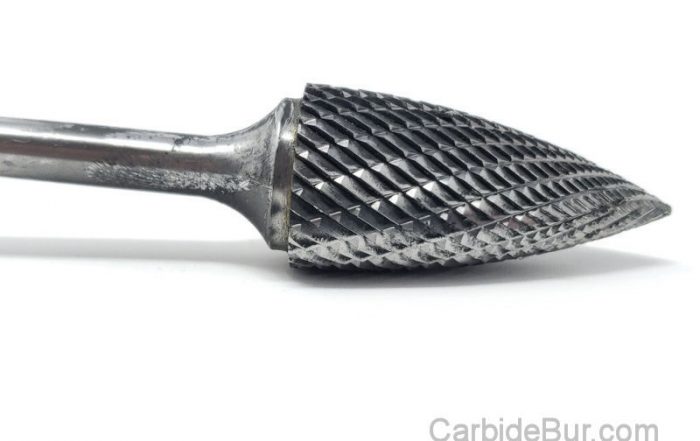
What RPM Should You Use for a 1/4 Inch Carbide Burr?
What RPM Should You Use for a 1/4 Inch Carbide Burr? Most machinists guess the right speed for a 1/4 inch carbide burr and hope for the best. Using the wrong carbide burr RPM can [...]
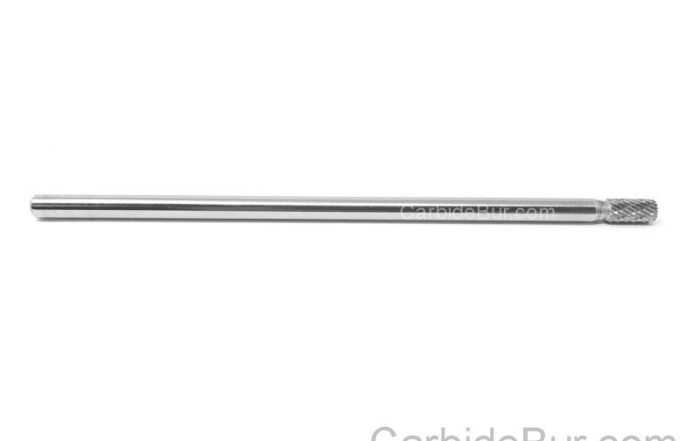
Long Shank Carbide Burrs: When Do You Need One?
Long Shank Carbide Burrs: When Do You Need One? Most machinists overlook the power of long shank carbide burrs until a project demands precision in tight spaces. When your usual tools can’t reach intricate contours, [...]
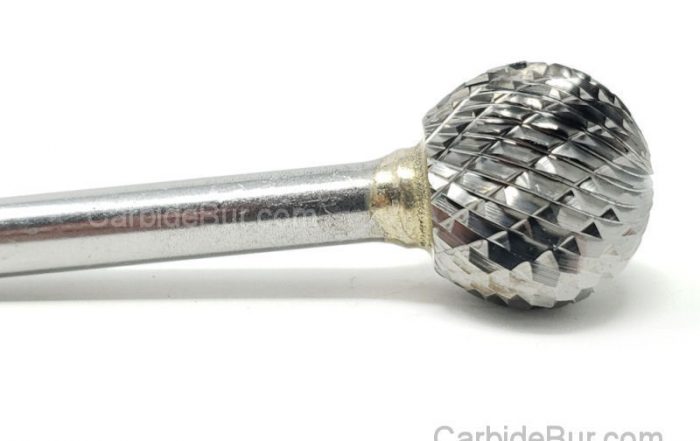
How Deep Can a Carbide Burr Cut Metal?
How Deep Can a Carbide Burr Cut Metal? Carbide burrs often get praised for their precision, but many users hit a wall wondering how deep they can actually cut metal. The truth is, cutting depth [...]
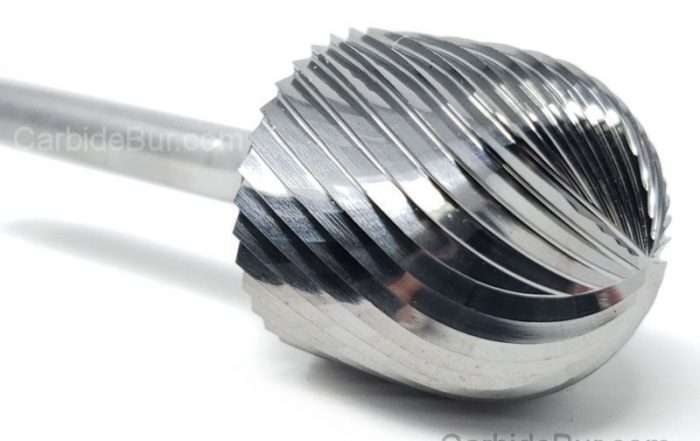
How to Use Carbide Burrs for Port Matching
How to Use Carbide Burrs for Port Matching Most engine builds hit a wall when airflow doesn’t flow smoothly between the ports and manifolds. If your engine isn’t breathing right, your performance stalls. Using the [...]
Best Carbide Burr for Porting Intake Manifolds
Best Carbide Burr for Porting Intake Manifolds Porting intake manifolds can make or break your engine’s airflow, yet many struggle with the right tools for the job. Choosing the best carbide burrs is key to [...]
Best Carbide Burr for Concave Surfaces
Best Carbide Burr for Concave Surfaces Concave surfaces can turn a straightforward project into a frustrating challenge if you don’t have the right tool. Carbide burrs designed for these tricky curves make all the difference [...]
How to Grind a Slot in Metal With a Carbide Burr
How to Grind a Slot in Metal With a Carbide Burr Grinding a precise slot in metal can feel like a tricky task, especially if you’re unsure which tools to trust. Carbide burr grinding offers [...]

Best Carbide Burr for Inside Corners
Best Carbide Burr for Inside Corners Working in tight inside corners can turn even simple projects into frustrating tasks. Many carbide burrs just don’t fit or cut cleanly where you need them most. The best [...]
What Size Carbide Burr Do I Need?
What Size Carbide Burr Do I Need? Picking the wrong carbide burr can turn a simple project into a frustrating mess. You might have the best machining tools but still miss the mark if your [...]
How to Smooth Sharp Metal Edges With a Carbide Burr
How to Smooth Sharp Metal Edges With a Carbide Burr Sharp metal edges can turn your project from professional to risky in seconds. If you’ve struggled with smoothing metal edges without scratching or weakening the [...]
