
Boost Your Car Tuning Skills with Expert Port Matching Techniques
In the world of car tuning, achieving peak engine performance often hinges on the precision of your techniques, and port matching stands as a crucial element in this pursuit. A well-executed port matching process ensures that your engine’s intake and exhaust ports are perfectly aligned, allowing for optimal airflow and efficiency. This is where carbide burs come into play, offering the precision and control needed to refine these critical areas. By mastering the use of these essential automotive tools, you can significantly enhance your car’s performance and gain the confidence to tackle more advanced tuning projects. Whether you’re an automotive engineer, a performance tuner, or a passionate DIY car enthusiast, understanding the role of carbide burs in port matching can be the key to achieving your tuning goals. For more information, visit this resource.## Understanding Port Matching
Port matching is vital in car tuning. This process involves ensuring that the engine’s intake and exhaust ports are perfectly aligned. By achieving this alignment, you can improve airflow efficiency, leading to better engine performance.
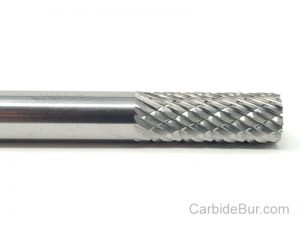
Check out all our USA made carbide bur cutting tools here
Importance in Car Tuning
Achieving proper port matching is essential for anyone serious about car tuning. Precise alignment of intake and exhaust ports reduces airflow resistance, resulting in more power and efficiency. Engine enthusiasts know that even minor misalignments can lead to performance bottlenecks.
Port matching also helps in reducing turbulence within the engine. Smooth airflow means that the engine can breathe more easily, which is crucial for any performance tuning. This aspect is particularly important for those who participate in competitive racing.
Furthermore, achieving excellence in port matching can help prevent engine knock and other issues related to poor air-fuel mixture. Overall, investing time in this technique can significantly enhance car tuning outcomes.
Role in Engine Performance
In engine performance, port matching plays a vital role in ensuring maximum efficiency. Well-matched ports allow for optimal air and fuel flow, leading to increased horsepower and torque.
Proper port matching ensures that the engine operates smoothly across different RPM ranges. This smooth operation is crucial for both fuel efficiency and performance. Car enthusiasts often note a significant improvement in throttle response and engine sound.
Additionally, port matching can extend the engine’s life by reducing stress on its components. Reducing the load on the engine helps maintain its integrity over time. For anyone looking to enhance their vehicle’s engine performance, port matching is a crucial step.
Carbide Burs: The Essential Tool
Carbide burs are indispensable for achieving perfect port matching. These tools offer the precision required to refine intake and exhaust ports efficiently, ensuring smooth and accurate results.
Benefits of Carbide Burs
Carbide burs are essential for achieving precise port matching. These tools are designed to cut through metal effortlessly, making them ideal for refining intake and exhaust ports. Their durability ensures they maintain their sharpness over extended use.
-
Carbide burs provide precise control, essential for detailed work.
-
Their heat resistance allows for extended use without degradation.
-
Versatile in application, they suit various materials and engine types.
Using carbide burs minimizes the risk of errors during the port matching process. Their efficiency can drastically reduce the time needed for tuning projects. To explore more about these tools, visit this resource.
Choosing the Right Automotive Tools
Selecting the right tools is crucial for effective port matching. Carbide burs come in different shapes and sizes, each suited for specific tasks. It’s essential to choose the appropriate bur to match the port’s dimensions and material.
-
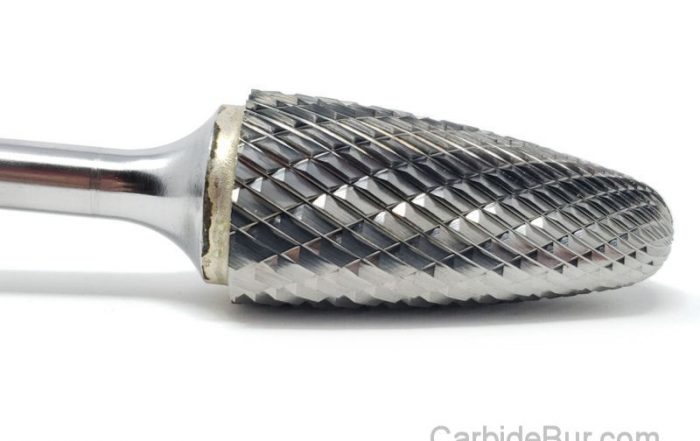
Flame-shaped burs are ideal for detailed work on tight corners.
-
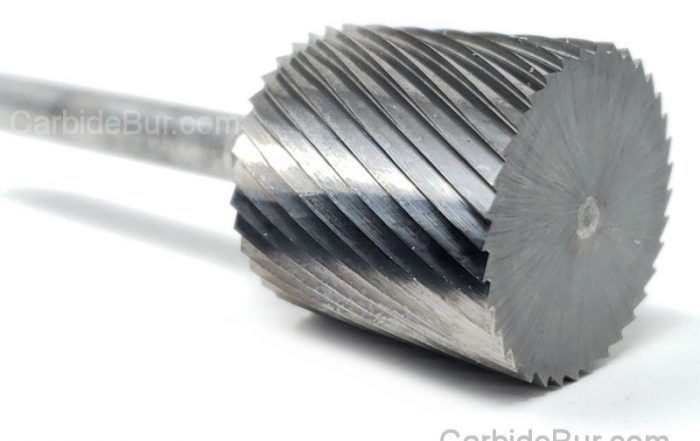
Cylinder-shaped burs work well for larger surface areas.
-
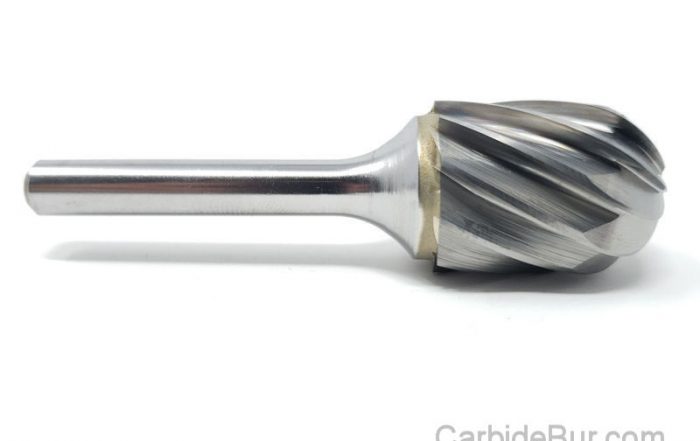
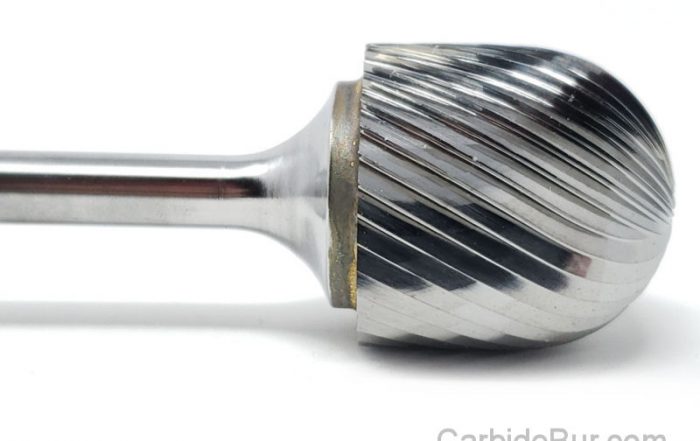
Ball-shaped burs are perfect for rounding edges.
Always consider the material you’re working on. For example, softer materials may require different burs than harder metals. For a wide range of options, check out this collection.
Intake and Exhaust Alignment Techniques
Aligning intake and exhaust ports is crucial for optimal engine performance. Mastering these techniques can lead to significant improvements in your car’s efficiency and power output.
Step-by-Step Port Matching Process
To achieve perfect port matching, follow these steps:
-
Remove the cylinder head and clean the ports thoroughly.
-
Use a template to mark areas needing adjustment.
-
Select the appropriate carbide bur for the material.
-
Carefully grind the ports, ensuring even removal of material.
-
Regularly check your progress against the template.
Consistency is key. Ensure that all ports are aligned and smooth. Regularly measure to avoid over-grinding. For more detailed guidance, refer to this resource.
Common Mistakes to Avoid
Avoiding common pitfalls can save time and resources in port matching. Over-grinding is a frequent error that can lead to performance issues.
-
Do not rush the process; precision takes time.
-
Avoid using the wrong type of bur, as it can damage ports.
-
Always work in a well-lit area to ensure accuracy.
Ensure your workspace is clean to prevent debris from contaminating the engine. Mistakes can lead to costly repairs and reduced engine performance.
Enhancing Engine Performance
Proper port matching can significantly enhance engine performance. By allowing smoother airflow, your engine can operate more efficiently and powerfully.
Benefits of Proper Port Matching
Proper port matching offers several benefits:
-
Increased horsepower and torque due to improved airflow.
-
Enhanced fuel efficiency, resulting in cost savings over time.
-
Smoother engine operation, reducing wear and tear.
A well-matched engine also provides a more responsive driving experience. These improvements can make a significant difference in both daily driving and competitive racing scenarios.
Real-World Examples
Numerous car tuning enthusiasts have experienced significant gains from proper port matching. For instance, a performance tuner reported a 15% increase in power after a meticulous port matching process.
-
Enhanced throttle response was immediately noticeable.
-
Fuel efficiency improved by approximately 10%.
-
Engine noise reduced, providing a quieter ride.
These real-world outcomes highlight the importance of port matching for anyone serious about car performance.
DIY Car Enthusiast Tips
For DIY enthusiasts, port matching can be a rewarding project. With the right tools and knowledge, you can achieve professional-level results.
Safety Precautions and Best Practices
Safety should always be a priority when working with power tools. Ensure you wear protective gear, such as goggles and gloves, to prevent injury.
-
Keep work areas well-ventilated to avoid inhaling metal dust.
-
Regularly check tools for wear to prevent accidents.
-
Use clamps to secure components during the grinding process.
Following these precautions can prevent accidents and ensure a smooth port matching experience.
Resources for Learning and Growth
For those keen to improve their skills, numerous resources are available:
-
Online forums provide advice from experienced tuners.
-
Video tutorials offer step-by-step guidance.
-
Workshops and courses are available for hands-on learning.
Enhancing your skills can lead to better results and more confidence in future projects. For more tools and insights, visit this site.
Check out all our USA made carbide bur cutting tools here
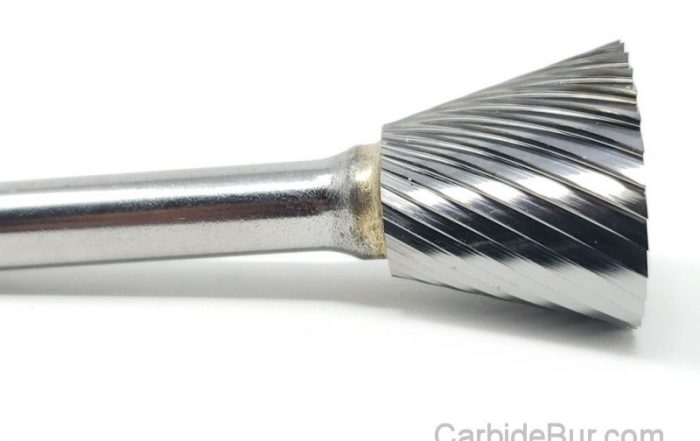
1/8 vs 1/4 Inch Carbide Burrs: What’s the Difference?
1/8 vs 1/4 Inch Carbide Burrs: What's the Difference? Choosing between a 1/8 inch carbide burr and a 1/4 inch carbide burr can change how your project turns out. Many machinists and hobbyists overlook how [...]
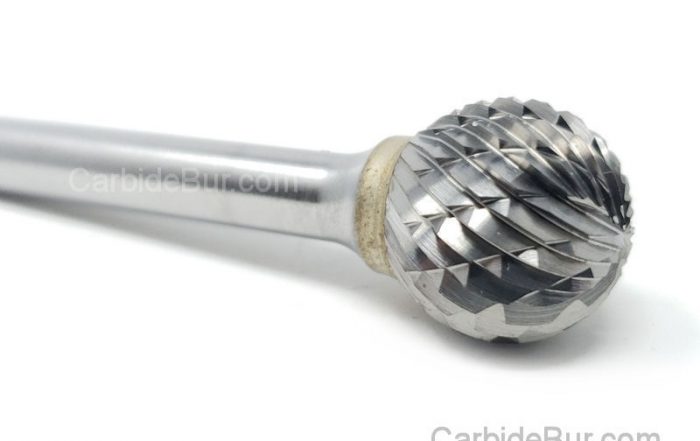
Best Carbide Burr for Removing Flash From Castings
Best Carbide Burr for Removing Flash From Castings Removing flash from castings is a task that can slow down your entire metalworking process if you don’t have the right tools. Picking the best carbide burr [...]
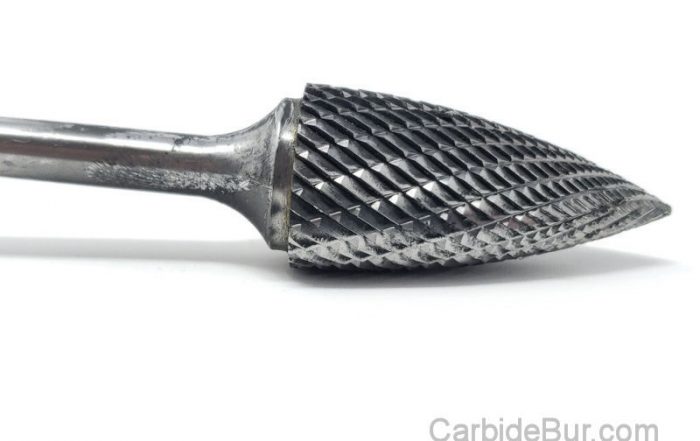
What RPM Should You Use for a 1/4 Inch Carbide Burr?
What RPM Should You Use for a 1/4 Inch Carbide Burr? Most machinists guess the right speed for a 1/4 inch carbide burr and hope for the best. Using the wrong carbide burr RPM can [...]
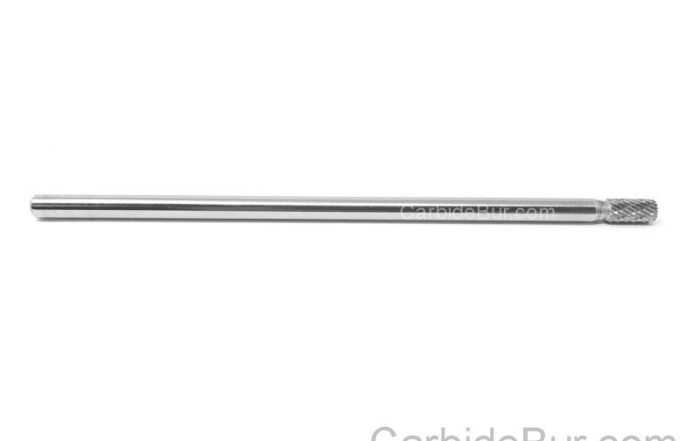
Long Shank Carbide Burrs: When Do You Need One?
Long Shank Carbide Burrs: When Do You Need One? Most machinists overlook the power of long shank carbide burrs until a project demands precision in tight spaces. When your usual tools can’t reach intricate contours, [...]
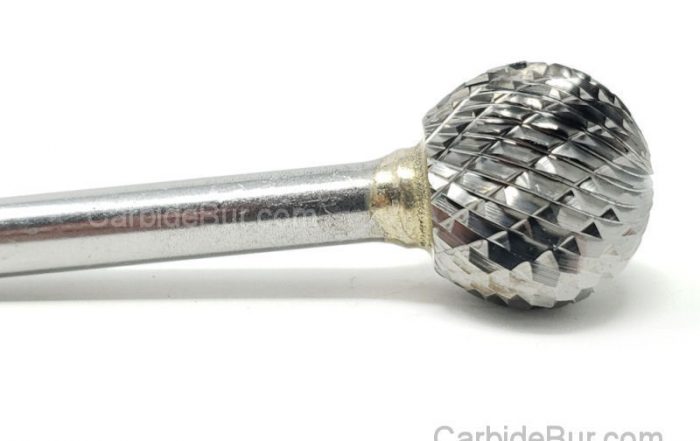
How Deep Can a Carbide Burr Cut Metal?
How Deep Can a Carbide Burr Cut Metal? Carbide burrs often get praised for their precision, but many users hit a wall wondering how deep they can actually cut metal. The truth is, cutting depth [...]
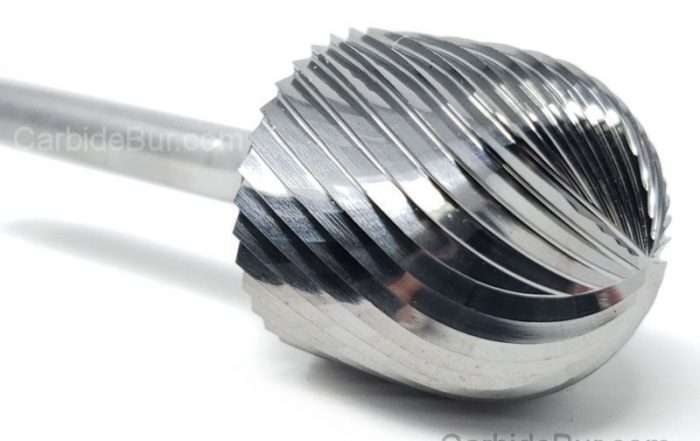
How to Use Carbide Burrs for Port Matching
How to Use Carbide Burrs for Port Matching Most engine builds hit a wall when airflow doesn’t flow smoothly between the ports and manifolds. If your engine isn’t breathing right, your performance stalls. Using the [...]
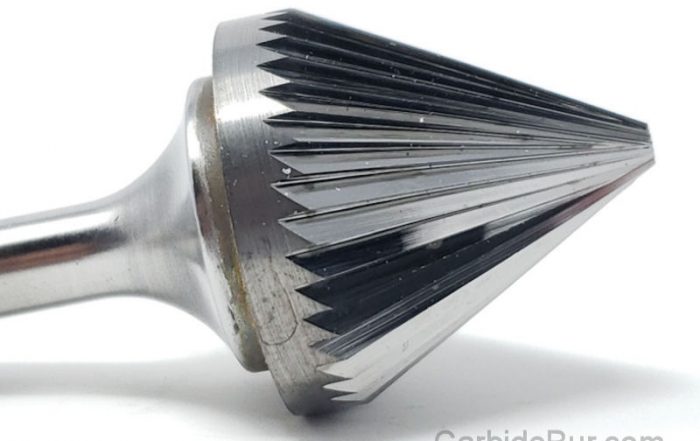
Best Carbide Burr for Porting Intake Manifolds
Best Carbide Burr for Porting Intake Manifolds Porting intake manifolds can make or break your engine’s airflow, yet many struggle with the right tools for the job. Choosing the best carbide burrs is key to [...]
Best Carbide Burr for Concave Surfaces
Best Carbide Burr for Concave Surfaces Concave surfaces can turn a straightforward project into a frustrating challenge if you don’t have the right tool. Carbide burrs designed for these tricky curves make all the difference [...]
How to Grind a Slot in Metal With a Carbide Burr
How to Grind a Slot in Metal With a Carbide Burr Grinding a precise slot in metal can feel like a tricky task, especially if you’re unsure which tools to trust. Carbide burr grinding offers [...]

Best Carbide Burr for Inside Corners
Best Carbide Burr for Inside Corners Working in tight inside corners can turn even simple projects into frustrating tasks. Many carbide burrs just don’t fit or cut cleanly where you need them most. The best [...]
What Size Carbide Burr Do I Need?
What Size Carbide Burr Do I Need? Picking the wrong carbide burr can turn a simple project into a frustrating mess. You might have the best machining tools but still miss the mark if your [...]
How to Smooth Sharp Metal Edges With a Carbide Burr
How to Smooth Sharp Metal Edges With a Carbide Burr Sharp metal edges can turn your project from professional to risky in seconds. If you’ve struggled with smoothing metal edges without scratching or weakening the [...]
