
Choosing the Right Tool: Carbide Burs and Their Impact on Professional Engine Building
In the world of professional engine building, selecting the right cutting tools is crucial to achieving precision and efficiency. Carbide burs have emerged as a top choice among experts, offering unmatched durability and sharpness for detailed machining tasks. These tools are essential for engine builders who demand high performance and reliability from their equipment. By choosing carbide burs, professionals can ensure smoother operations and superior finishes, making them a staple in any serious engine builder’s toolkit. In this post, you’ll gain insights from industry veterans on why these tools are indispensable in the field of engine building. For more information, visit Carbide Bur.
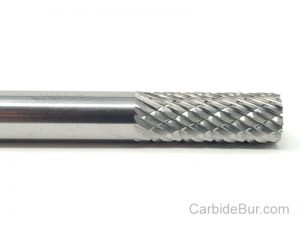
Check out all our USA made carbide bur cutting tools here
The Importance of Tool Choice
Choosing the correct tools is vital in professional engine building to ensure precision and efficiency. The right tools can significantly impact the quality of your work and the lifespan of your equipment. In this section, we will explore why the choice of cutting tools, especially carbide burs, matters so much.
Why Carbide Burs Matter
Carbide burs are crucial for engine builders who need precision in their work. Carbide burs are made of tungsten carbide, offering durability and strength that surpass other materials. This makes them ideal for detailed machining tasks.
Carbide burs provide smoother finishes compared to other tools. They are perfect for tasks requiring high accuracy and minimal error margins. Carbide burs’ sharpness ensures clean cuts, reducing the chances of imperfections.
Many professionals favor carbide burs for their heat resistance. They maintain their sharpness at higher temperatures, making them suitable for extensive machining. As a result, carbide burs have become the go-to choice for those demanding reliability and performance.
Engine Building Tools and Techniques
In engine building, using the right techniques and tools can dramatically enhance results. A well-equipped toolkit is essential for achieving precision in machining and ensuring optimal engine performance.
Tool selection and technique go hand in hand. Carbide burs, for instance, complement various engine-building techniques. They can be used for porting, polishing, and removing material efficiently.
Engine builders often rely on carbide burs for consistent results. Techniques like port matching and gasket matching benefit from the precision carbide burs offer. They allow for finer control over the material being worked on, which is invaluable in engine tuning.
Understanding Carbide Burs
Understanding the properties and varieties of carbide burs can help you make informed decisions when selecting your tools. This section will delve into what makes carbide burs stand out and the different types available.
What Sets Carbide Apart
Carbide burs are distinguished by their composition and performance. Tungsten carbide, known for its hardness, is more durable than steel, providing long-lasting sharpness.
Carbide burs are versatile, handling a range of materials from soft metals to hard alloys. This versatility makes them suitable for various engine-building tasks, enhancing their utility in professional settings.
Heat resistance is another significant advantage. Carbide burs maintain their cutting edge under high temperatures, allowing for prolonged use without dulling. This property makes them indispensable for heavy-duty machining in engine building.
Types of Carbide Burs
Carbide burs come in various shapes and sizes, each suited for specific tasks. Understanding these types can help you choose the right one for your needs.
-
Ball-shaped burs are perfect for contouring and carving.
-
Cylinder-shaped burs work well for cleaning up flat surfaces and sharp corners.
-
Flame-shaped burs excel in creating intricate details.
By selecting the appropriate type, you can ensure precise machining and efficient material removal. Visit Carbide Bur for more detailed information on different types of burs.
Benefits of Carbide Burs
Carbide burs offer numerous advantages in professional engine building. This section will highlight how these tools can improve precision and impact the overall quality of engine assembly.
Precision in Machining
Precision is paramount in engine building, and carbide burs deliver it. These tools are known for their ability to produce fine, accurate cuts. The sharpness of carbide burs minimizes the risk of errors, ensuring a high-quality finish.
Carbide burs are ideal for intricate work, such as porting and polishing engine components. They allow for detailed craftsmanship, which is critical in performance engine building.
The consistency of carbide burs enhances their precision. Their ability to maintain cutting edges over long periods ensures reliability in machining tasks. This consistency is crucial in maintaining high standards across projects.
Impact on Professional Engine Builders
Carbide burs have become a staple in the toolkit of professional engine builders. Their impact is evident in the quality of work and the efficiency of the building process.
-
Reduced downtime: Carbide burs’ durability means less frequent tool changes.
-
Enhanced performance: Precise machining leads to better engine performance.
-
Cost-effectiveness: Long-lasting tools reduce overall tool expenditure.
For more insights on the impact of carbide burs, explore discussions on HP Academy.
Perspectives from Industry Experts
Hearing from industry experts can provide valuable insights into the best practices for selecting and using cutting tools. This section will share expert opinions on carbide burs and tips for making informed tool choices.
Insights on Cutting Tools
Industry experts have long favored carbide burs for their reliability and performance. These tools are praised for their versatility and efficiency in various applications.
Experts highlight the importance of quality. Investing in high-grade carbide burs ensures better results and longevity. The initial cost is offset by the tools’ extended lifespan and reduced need for replacements.
Flexibility is another advantage that experts appreciate. Carbide burs’ ability to tackle different materials makes them ideal for engine building. This flexibility reduces the need to switch tools frequently, saving time and improving workflow.
Expert Tips for Tool Selection
Choosing the right cutting tools involves considering several factors. Experts provide the following advice to guide your selection process:
-
Assess material compatibility: Choose burs that match the materials you work with.
-
Evaluate tool design: Select shapes that suit your specific machining tasks.
-
Prioritize durability: Opt for high-quality carbide to ensure longevity.
Explore expert opinions on cutting tools at Carbide Bur.
Enhancing Your Tool Arsenal
Building a robust toolkit is crucial for achieving precision in engine building. This section will guide you on choosing the right cutting tools and the benefits of investing in quality equipment.
Choosing the Right Cutting Tools
Selecting the right cutting tools involves understanding your specific needs and the demands of your projects. Consider the following steps to ensure you make informed decisions:
-
Identify tasks: Determine the common tasks you perform that require cutting tools.
-
Research options: Investigate different tool types and their applications.
-
Test tools: Where possible, trial tools to assess their performance and suitability.
These steps will help you build a comprehensive set of tools that enhance your capabilities and improve your craftsmanship.
Investing in Quality for Precision Machining
Quality tools are essential for achieving precision in machining tasks. Investing in high-grade equipment can yield significant benefits:
-
Improved accuracy: Quality tools produce cleaner, more precise cuts.
-
Long-term savings: Durable tools reduce the need for frequent replacements.
-
Enhanced productivity: Reliable tools minimize downtime and boost efficiency.
Ensure your toolkit aligns with the demands of your projects, focusing on quality for optimal results.
Check out all our USA made carbide bur cutting tools here
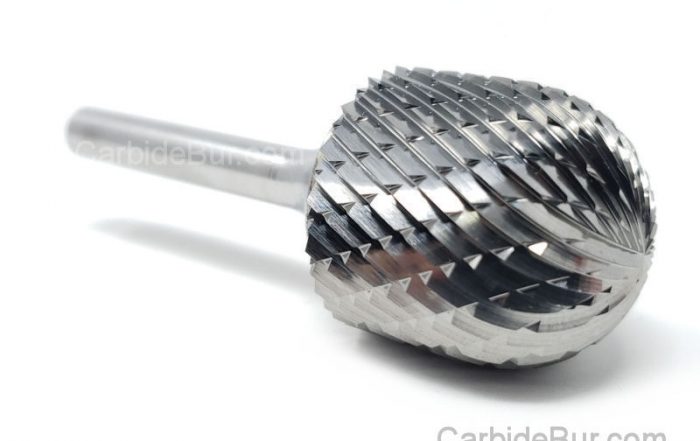
How to Use a Carbide Burr With a Die Grinder
How to Use a Carbide Burr With a Die Grinder Most people treat a carbide burr like just another tool, but using it with a die grinder takes skill. If you’ve struggled with burr installation [...]
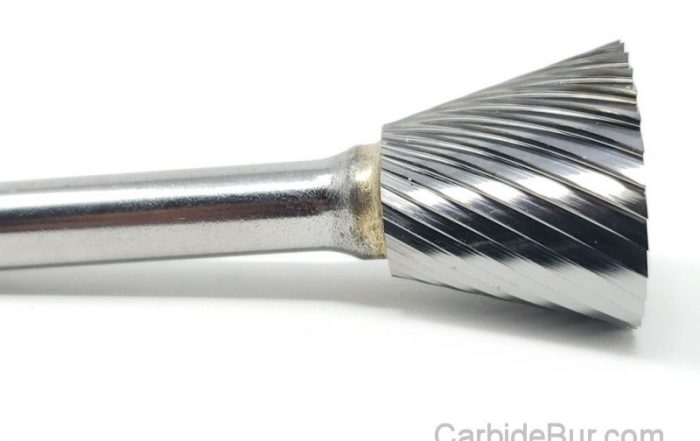
1/8 vs 1/4 Inch Carbide Burrs: What’s the Difference?
1/8 vs 1/4 Inch Carbide Burrs: What's the Difference? Choosing between a 1/8 inch carbide burr and a 1/4 inch carbide burr can change how your project turns out. Many machinists and hobbyists overlook how [...]
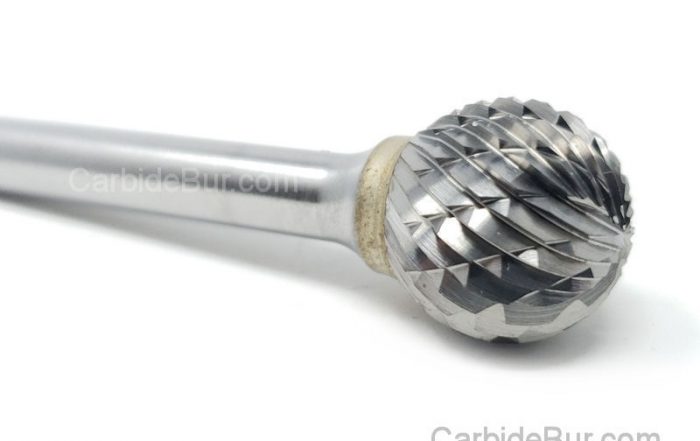
Best Carbide Burr for Removing Flash From Castings
Best Carbide Burr for Removing Flash From Castings Removing flash from castings is a task that can slow down your entire metalworking process if you don’t have the right tools. Picking the best carbide burr [...]
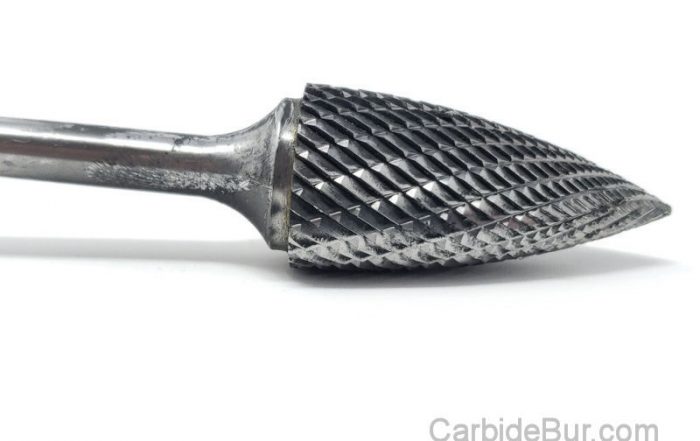
What RPM Should You Use for a 1/4 Inch Carbide Burr?
What RPM Should You Use for a 1/4 Inch Carbide Burr? Most machinists guess the right speed for a 1/4 inch carbide burr and hope for the best. Using the wrong carbide burr RPM can [...]
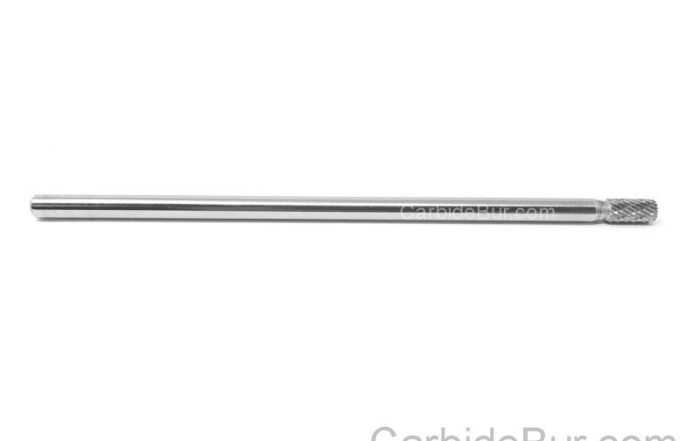
Long Shank Carbide Burrs: When Do You Need One?
Long Shank Carbide Burrs: When Do You Need One? Most machinists overlook the power of long shank carbide burrs until a project demands precision in tight spaces. When your usual tools can’t reach intricate contours, [...]
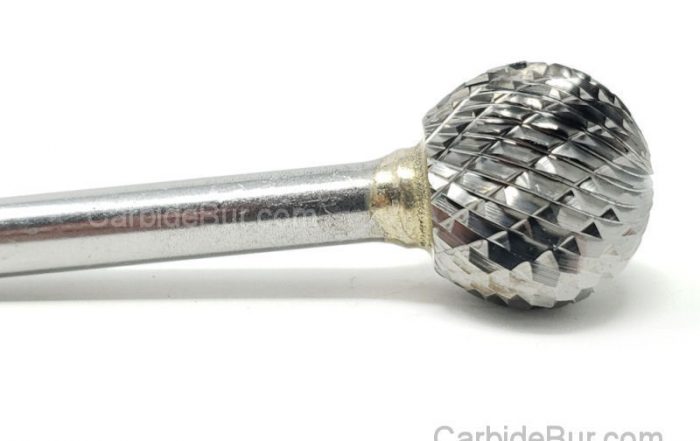
How Deep Can a Carbide Burr Cut Metal?
How Deep Can a Carbide Burr Cut Metal? Carbide burrs often get praised for their precision, but many users hit a wall wondering how deep they can actually cut metal. The truth is, cutting depth [...]
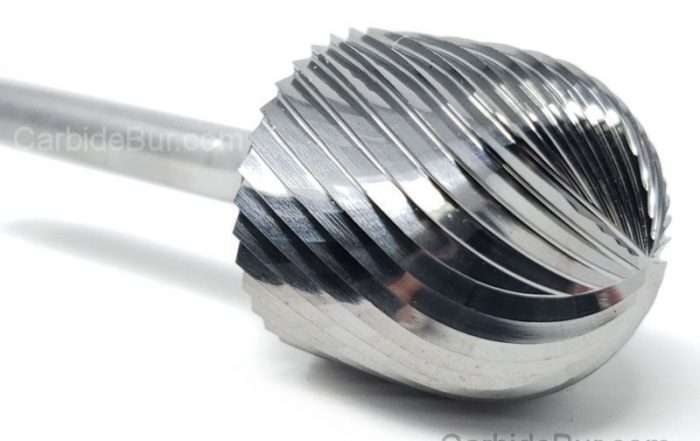
How to Use Carbide Burrs for Port Matching
How to Use Carbide Burrs for Port Matching Most engine builds hit a wall when airflow doesn’t flow smoothly between the ports and manifolds. If your engine isn’t breathing right, your performance stalls. Using the [...]
Best Carbide Burr for Porting Intake Manifolds
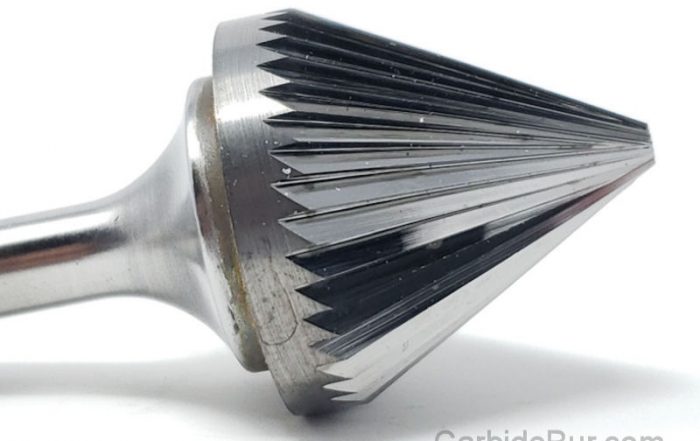
Best Carbide Burr for Porting Intake Manifolds Porting intake manifolds can make or break your engine’s airflow, yet many struggle with the right tools for the job. Choosing the best carbide burrs is key to [...]
Best Carbide Burr for Concave Surfaces
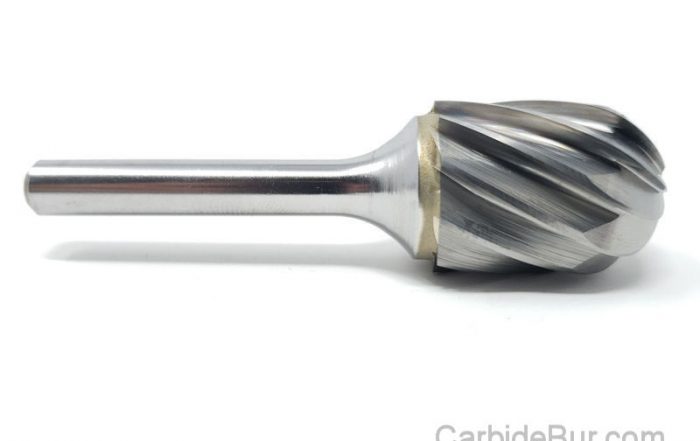
Best Carbide Burr for Concave Surfaces Concave surfaces can turn a straightforward project into a frustrating challenge if you don’t have the right tool. Carbide burrs designed for these tricky curves make all the difference [...]
How to Grind a Slot in Metal With a Carbide Burr
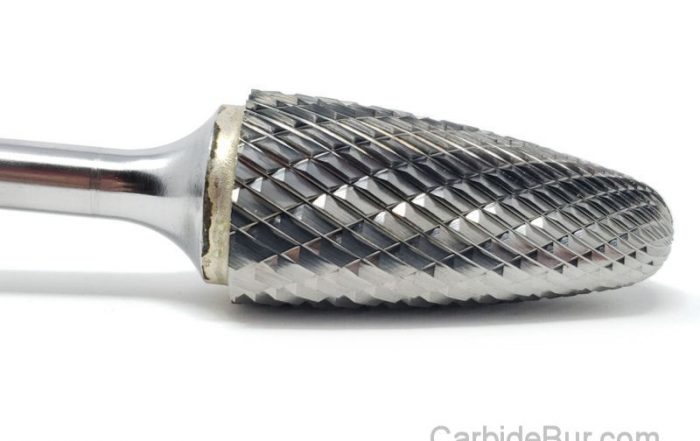
How to Grind a Slot in Metal With a Carbide Burr Grinding a precise slot in metal can feel like a tricky task, especially if you’re unsure which tools to trust. Carbide burr grinding offers [...]

Best Carbide Burr for Inside Corners
Best Carbide Burr for Inside Corners Working in tight inside corners can turn even simple projects into frustrating tasks. Many carbide burrs just don’t fit or cut cleanly where you need them most. The best [...]
What Size Carbide Burr Do I Need?
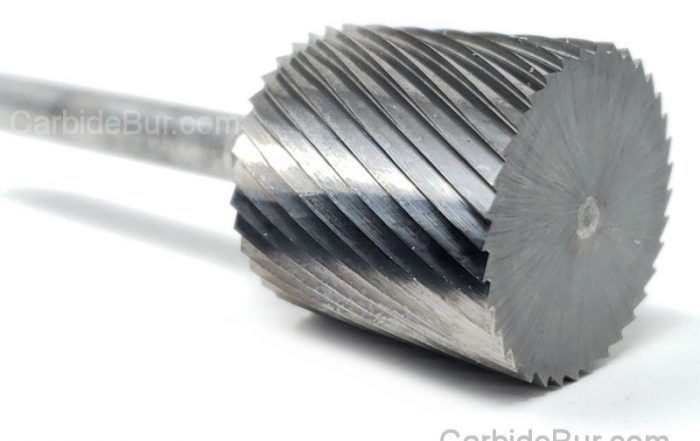
What Size Carbide Burr Do I Need? Picking the wrong carbide burr can turn a simple project into a frustrating mess. You might have the best machining tools but still miss the mark if your [...]
