
Carbide Burs vs. Sanding Rolls: Find the Perfect Porting Tool for Your Cylinder Head Work
When it comes to enhancing motorcycle performance and fine-tuning engine components, choosing the right porting tools is crucial for effective cylinder head work. Whether you’re a seasoned mechanic or an automotive enthusiast, understanding the differences between carbide burs and sanding rolls can significantly impact your metalworking techniques. Each tool offers unique advantages and potential drawbacks, influencing the precision and efficiency of your machine shop tasks. This comparison will guide you in selecting the best tool for your specific needs, ensuring your engine tuning projects are both efficient and successful. Equip yourself with the knowledge to make informed decisions and achieve exceptional results in your automotive endeavors. Here’s a discussion to further enhance your understanding of the tools available for cylinder head porting work.
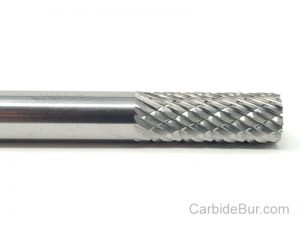
Check out all our USA made carbide bur cutting tools here
Introduction to Porting Tools
Porting tools are essential for anyone involved in cylinder head work. They serve the purpose of enhancing engine performance by meticulously reshaping the intake and exhaust ports. This section will provide insights into the significance of cylinder head work, the importance of engine tuning, and the role it plays in motorcycle performance.
Understanding Cylinder Head Work
Cylinder head work is a critical aspect of engine customization. It involves modifying the cylinder head to improve airflow and combustion efficiency. Proper porting can lead to significant gains in horsepower and torque. This process is precise and requires a deep understanding of engine dynamics.
-
Objective: Increase airflow efficiency.
-
Methods: Enlarging and smoothing port surfaces.
-
Outcome: Enhanced engine performance.
Engaging with communities such as this Reddit thread can provide personal insights and shared experiences from enthusiasts who have undertaken similar projects.
Importance of Engine Tuning
Engine tuning is more than just an adjustment; it’s about optimizing engine parameters to match the modified components. This step ensures the engine runs smoothly and efficiently.
-
Adjust fuel/air mixture to align with new airflow.
-
Modify ignition timing for optimal combustion.
-
Reconfigure ECU settings to accommodate changes.
Effective tuning ensures the modifications lead to actual performance gains. It transforms theoretical improvements into tangible results on the road.
Role of Motorcycle Performance
Motorcycle performance benefits greatly from porting tools. By enhancing engine efficiency, riders experience improved throttle response and acceleration.
-
Improved power-to-weight ratio.
-
Increased rider satisfaction and engagement.
-
Enhanced longevity of engine components due to optimized performance.
For more in-depth information on tools and techniques, this website offers valuable resources and product recommendations.
Check out all our USA made carbide bur cutting tools here
Carbide Burs Explained
Carbide burs are a popular choice among professionals for metalworking tasks. This section will explore their pros and cons, along with best practices for effective use.
Pros of Carbide Burs
Carbide burs are lauded for their durability and precision. They are designed to handle high-speed applications and can cut through tough materials with ease.
-
Extremely hard and wear-resistant.
-
Suitable for intricate detailing.
-
Long-lasting, reducing tool replacement frequency.
These tools are ideal for creating smooth finishes and detailed work on cylinder heads. For more details, visit this site.
Cons of Carbide Burs
Despite their advantages, carbide burs have limitations. They can be expensive initially and may require specific handling techniques to avoid damage.
-
Higher initial cost compared to other tools.
-
Risk of breakage if used improperly.
-
Requires skill to achieve desired results.
These factors might make them less appealing to beginners, but with experience, their benefits can outweigh the drawbacks.
Best Practices for Metalworking
To maximize the efficiency of carbide burs, follow these best practices:
-
Use appropriate speed settings to prevent overheating.
-
Apply consistent pressure to maintain control.
-
Clean regularly to prevent material buildup.
These practices help in achieving precise cuts and extending the tool’s lifespan.
Sanding Rolls Overview
Sanding rolls offer a different approach to porting tasks. This section highlights their advantages, limitations, and techniques for effective metalworking.
Advantages of Sanding Rolls
Sanding rolls are versatile and user-friendly, making them a preferred choice for many.
-
Cost-effective option for hobbyists.
-
Adaptable to various surfaces and shapes.
-
Ideal for smoothing and finishing.
Their flexibility allows users to achieve a high-quality finish on diverse metal surfaces, enhancing the overall appearance.
Limitations of Sanding Rolls
While sanding rolls are beneficial, they are not without drawbacks. They may not be suitable for all tasks, particularly those requiring precision.
-
Limited lifespan due to wear.
-
Not suitable for hard materials.
-
Requires frequent replacement.
These factors can increase long-term costs, especially for regular users.
Effective Metalworking Techniques
To use sanding rolls effectively, consider these techniques:
-
Start with coarse grit for material removal.
-
Progress to finer grits for a smooth finish.
-
Maintain even pressure to avoid uneven surfaces.
These techniques help in achieving professional-looking results, even for beginners.
Comparing Porting Tools
Selecting the right porting tool involves understanding their performance, durability, and versatility. This section compares these tools based on key criteria.
Performance in Cylinder Head Work
|
Aspect |
Carbide Burs |
Sanding Rolls |
|---|---|---|
|
Precision |
High |
Moderate |
|
Speed |
Fast |
Moderate to Slow |
|
Finish Quality |
Excellent |
Good |
Carbide burs excel in delivering precise and detailed work, whereas sanding rolls provide a good finish for less demanding tasks.
Durability and Cost Efficiency
|
Aspect |
Carbide Burs |
Sanding Rolls |
|---|---|---|
|
Initial Cost |
Higher |
Lower |
|
Lifespan |
Longer |
Shorter |
|
Total Cost |
Potentially lower |
Potentially higher |
Carbide burs may have a higher upfront cost but offer longer-lasting performance, making them cost-efficient over time.
Versatility and Precision
Both tools have their unique strengths:
-
Carbide Burs: Best for detailed work requiring high precision.
-
Sanding Rolls: Suitable for general smoothing and finishing tasks.
Selecting between the two depends on specific project requirements and personal preference.
Choosing the Right Tool
Your choice of porting tool depends on several factors, including skill level, project needs, and budget. This section provides considerations and tips for making an informed decision.
Considerations for Machine Shop Tools
When equipping a machine shop, consider:
-
Project scale and complexity.
-
Budget constraints.
-
Frequency of use.
These factors will guide your selection and ensure you invest in tools that meet your specific needs.
Tips for Automotive Enthusiasts
For enthusiasts looking to improve their motorcycle performance:
-
Start with basic tools to gain experience.
-
Gradually upgrade as skills develop.
-
Join enthusiast communities for support and advice.
These steps can help in building confidence and expertise in engine tuning and porting.
Final Thoughts on Porting Tools
Choosing between carbide burs and sanding rolls hinges on understanding their respective strengths and limitations. By assessing your specific needs and priorities, you can make an informed decision that enhances your cylinder head work and motorcycle performance. For further exploration, this Reddit discussion provides community insights that can further assist in your decision-making process.
Check out all our USA made carbide bur cutting tools here
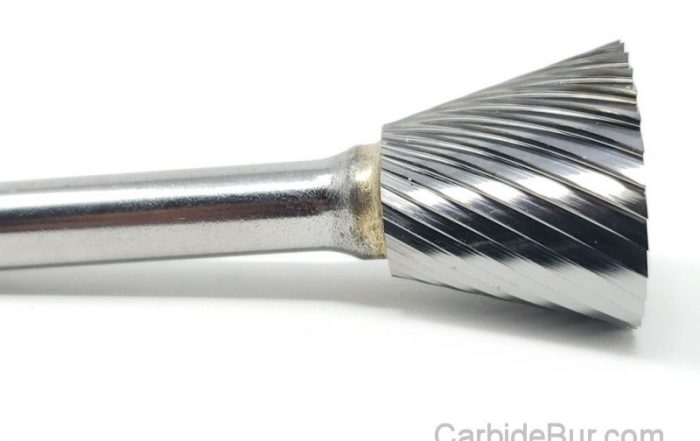
1/8 vs 1/4 Inch Carbide Burrs: What’s the Difference?
1/8 vs 1/4 Inch Carbide Burrs: What's the Difference? Choosing between a 1/8 inch carbide burr and a 1/4 inch carbide burr can change how your project turns out. Many machinists and hobbyists overlook how [...]
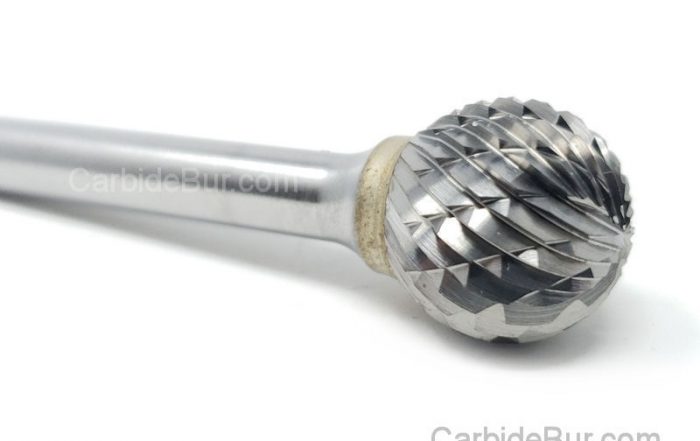
Best Carbide Burr for Removing Flash From Castings
Best Carbide Burr for Removing Flash From Castings Removing flash from castings is a task that can slow down your entire metalworking process if you don’t have the right tools. Picking the best carbide burr [...]
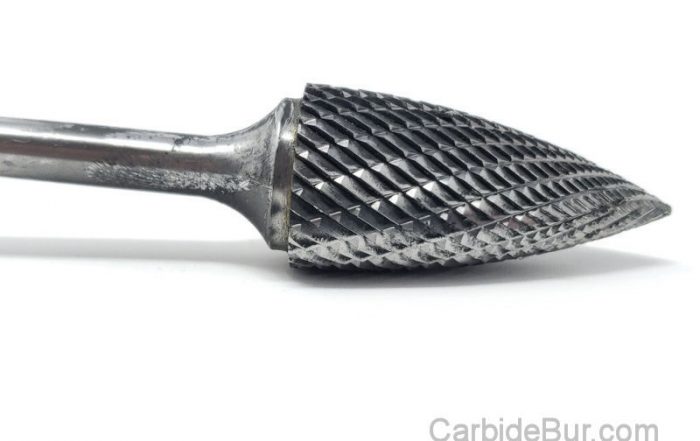
What RPM Should You Use for a 1/4 Inch Carbide Burr?
What RPM Should You Use for a 1/4 Inch Carbide Burr? Most machinists guess the right speed for a 1/4 inch carbide burr and hope for the best. Using the wrong carbide burr RPM can [...]
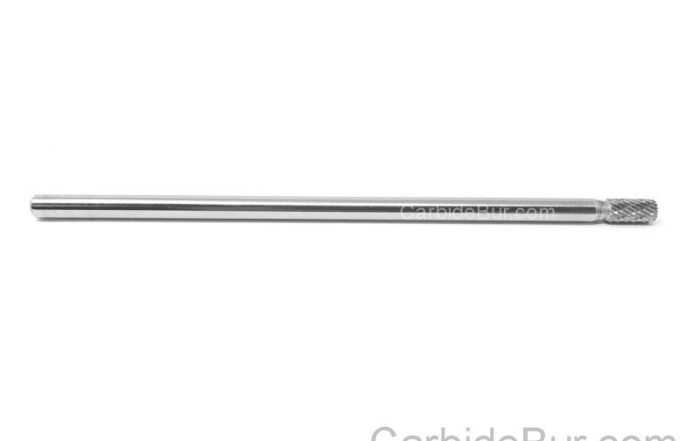
Long Shank Carbide Burrs: When Do You Need One?
Long Shank Carbide Burrs: When Do You Need One? Most machinists overlook the power of long shank carbide burrs until a project demands precision in tight spaces. When your usual tools can’t reach intricate contours, [...]
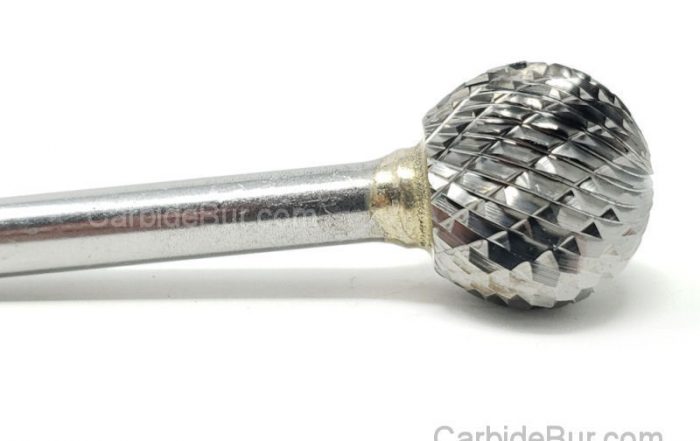
How Deep Can a Carbide Burr Cut Metal?
How Deep Can a Carbide Burr Cut Metal? Carbide burrs often get praised for their precision, but many users hit a wall wondering how deep they can actually cut metal. The truth is, cutting depth [...]
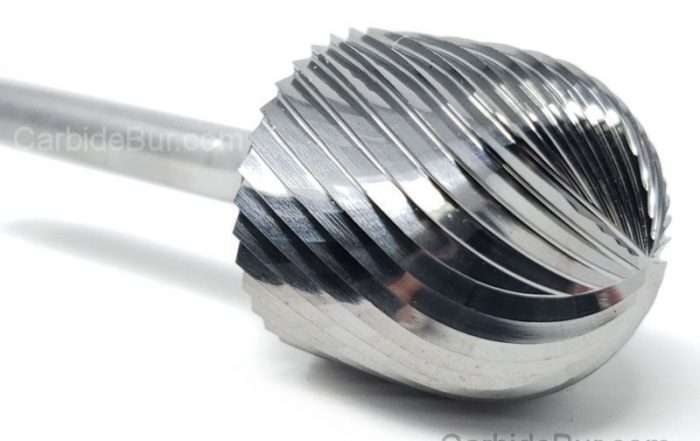
How to Use Carbide Burrs for Port Matching
How to Use Carbide Burrs for Port Matching Most engine builds hit a wall when airflow doesn’t flow smoothly between the ports and manifolds. If your engine isn’t breathing right, your performance stalls. Using the [...]
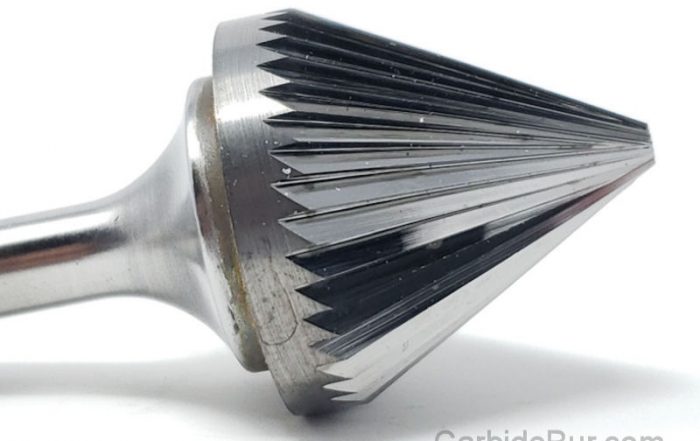
Best Carbide Burr for Porting Intake Manifolds
Best Carbide Burr for Porting Intake Manifolds Porting intake manifolds can make or break your engine’s airflow, yet many struggle with the right tools for the job. Choosing the best carbide burrs is key to [...]
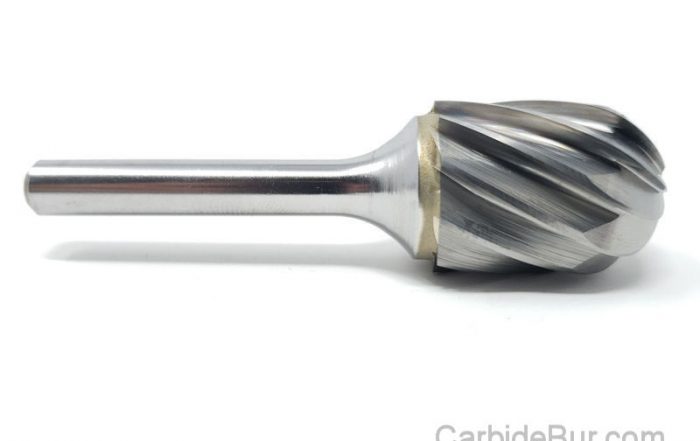
Best Carbide Burr for Concave Surfaces
Best Carbide Burr for Concave Surfaces Concave surfaces can turn a straightforward project into a frustrating challenge if you don’t have the right tool. Carbide burrs designed for these tricky curves make all the difference [...]
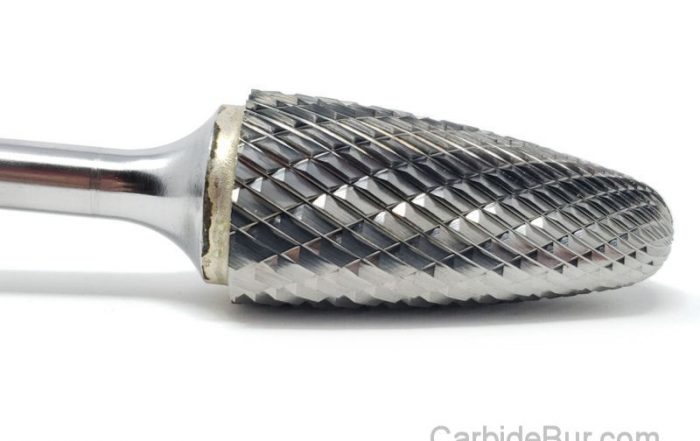
How to Grind a Slot in Metal With a Carbide Burr
How to Grind a Slot in Metal With a Carbide Burr Grinding a precise slot in metal can feel like a tricky task, especially if you’re unsure which tools to trust. Carbide burr grinding offers [...]

Best Carbide Burr for Inside Corners
Best Carbide Burr for Inside Corners Working in tight inside corners can turn even simple projects into frustrating tasks. Many carbide burrs just don’t fit or cut cleanly where you need them most. The best [...]
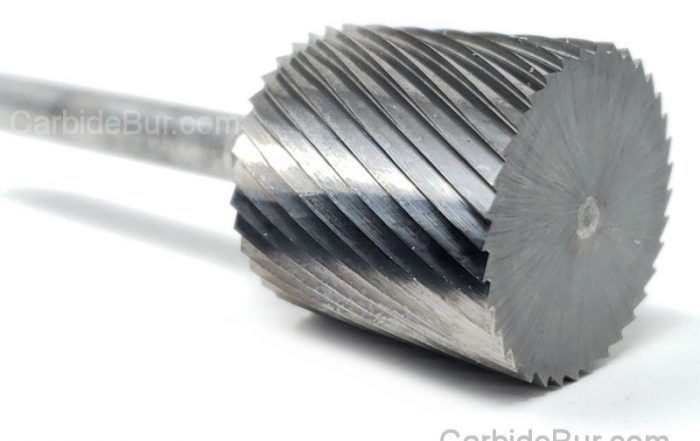
What Size Carbide Burr Do I Need?
What Size Carbide Burr Do I Need? Picking the wrong carbide burr can turn a simple project into a frustrating mess. You might have the best machining tools but still miss the mark if your [...]
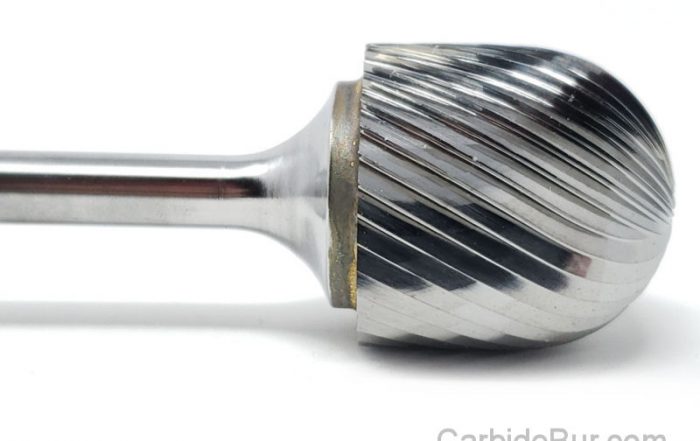
How to Smooth Sharp Metal Edges With a Carbide Burr
How to Smooth Sharp Metal Edges With a Carbide Burr Sharp metal edges can turn your project from professional to risky in seconds. If you’ve struggled with smoothing metal edges without scratching or weakening the [...]
