
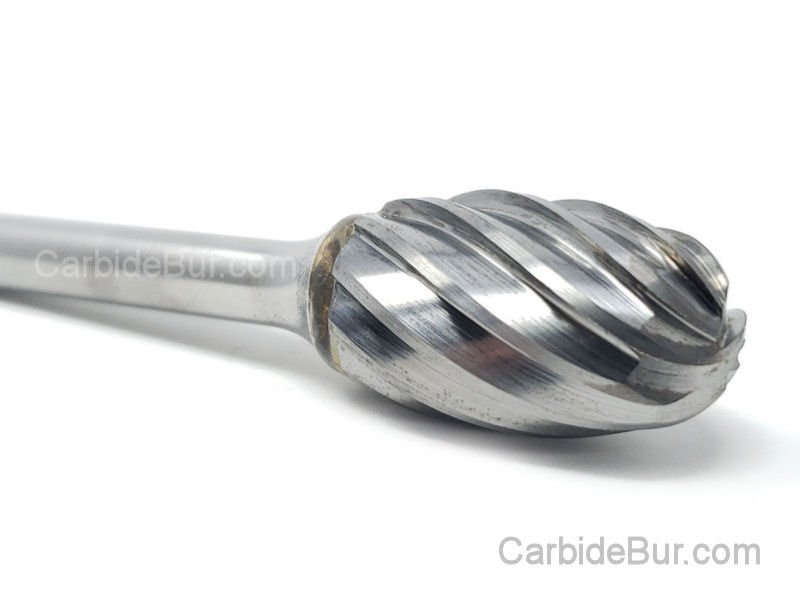
How Can You Select The Optimal Carbide Burr Set For Unique Applications?
Burr cutting tools are imperative for achieving precision results in various tasks, from metalworking to woodworking. When choosing the right carbide burr set for your specific applications, it’s important to consider factors such as the material you’ll be working with, the desired finish, and the type of shapes you need to create. This guide will help you navigate through the options, ensuring you select a set that meets your unique requirements and enhances your craftsmanship.
Find more carbide bur die grinder tool bits here
Understanding Carbide Burrs
Your knowledge of carbide burrs can enhance your machining experience. These cutting tools are crafted from tungsten carbide, making them efficient for a variety of applications, including shaping, deburring, and grinding. Understanding how they function and their specifications will help you make informed choices for your projects.
What are Carbide Burrs?
Below, you find that carbide burrs are unique rotary tools designed for high-speed applications. They come in different shapes and sizes, making them suitable for various materials such as metal, wood, and plastics. Their durable construction allows for extended usage, ensuring that you get the most out of your investment.
Types of Carbide Burrs
Beside their diverse applications, carbide burrs come in several shapes, each serving a specific purpose. Here’s a quick overview:
| Type | Description |
| Ball Nose | Ideal for carving and contouring surfaces |
| Cylinder | Great for flat surfaces and quick material removal |
| Tapered | Suitable for intricate/complex designs |
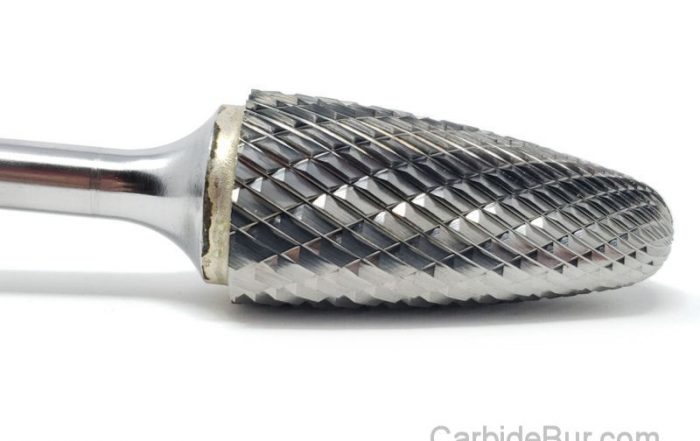
| Flame | Perfect for surface finishing and deburring |
| Double Cut | Allows for faster material removal with reduced vibration |
For instance, understanding the specific characteristics of each type will enable you to select the right one for tasks such as detail work, smoothing, or general shaping. Each style offers distinct advantages to cater to different facets of machining. Here’s an additional breakdown:
- Ball Nose burrs create smooth curves
- Cylinder burrs are designed for rapid material removal
- Tapered burrs assist in detail-oriented tasks
- Flame burrs enhance finishing quality
- Double Cut burrs help mitigate vibration
Perceiving the variations among these carbides is necessary for optimizing your tool selection and achieving superior results in your work.
Assessing Application Needs
Even as you begin on selecting the optimal carbide burr set for your projects, understanding your specific application needs is vital. Different tasks require distinct burr types, shapes, and sizes, making it important for you to clearly define the scope and requirements of your work. Establishing your goals and the details of the materials you’ll be working with will help streamline your decision-making process and lead you toward the most suitable options for your needs.
Identifying Unique Applications
After you have a clear grasp of your application, it’s important to identify the unique aspects that differentiate it from others. Consider factors such as the precision required, the complexity of shapes you need to create, and the operating environment. This thorough assessment helps you pinpoint the specific burr types that will offer you the best performance, efficiency, and results.
Evaluating Material Compatibility
To ensure you select the right carbide burr set, evaluate the types of materials you will be working with. Different burr designs are optimized for specific materials, including metals, plastics, wood, and composites. Understanding the compatibility between the burr and the material is key to achieving the desired results without damaging either. Using an unsuitable burr could lead to ineffective cutting or undesired surface finishes.
At this stage, you’ll want to consider the hardness and toughness of the materials involved. Softer materials might require lighter-duty burrs, while harder materials, such as stainless steel or ceramics, necessitate more robust and durable burr options. Additionally, think about the desired finish—whether you aim for a smooth surface or aggressive material removal. By aligning the burr specifications with your material characteristics, you can ensure optimal performance and longevity of your tools.
Selecting the Right Shape and Size
The shape and size of your carbide burrs play a significant role in achieving optimal results in your unique applications. Identifying the correct combination ensures effective material removal, efficient contouring, and precise finishing work. By selecting the right shapes and sizes, you can improve your efficiency and achieve the best possible outcome in your projects.
Common Shapes and Their Uses
The various shapes of carbide burrs serve different purposes in your work. For instance, cylindrical burrs are ideal for flat surfaces, while ball-shaped burrs are perfect for rounding edges. In contrast, flame-shaped or tapered burrs can be used for creating intricate designs and internal contours. Understanding these shapes helps you choose the right tool for your specific project requirements.
Size Considerations for Precision Work
Shape plays a vital role in precision work, but size is equally important. Selecting the right size carbide burr allows you to access tight spaces and apply the necessary precision to your projects. Sizes range from small, fine burrs for delicate tasks to larger burrs for more extensive material removal, giving you versatility in your applications.
It’s vital to consider the scale of your project when selecting size. For detailed work, smaller burrs enable you to navigate intricate designs without damaging surrounding materials. Additionally, larger burrs remove material faster but may not provide the precision needed for fine detailing. Balancing size and your project’s demands will enhance your overall effectiveness and accuracy.
Understanding Grit and Coating
All carbide burrs come with different grit levels and coatings, which significantly influence their performance. By understanding these aspects, you can make an informed decision on which burr set will best suit your unique applications. This knowledge allows you to optimize your machining processes by selecting the right tools that match the material and desired finish.
Importance of Grit in Burr Selection
Understanding the grit of a carbide burr is crucial for achieving the right finish on various materials. The grit level, measured in numbers, indicates the coarseness or fineness of the tool. A lower grit number results in a rougher cut, making it ideal for material removal, while a higher grit number provides a smoother finish, suitable for detail work. Choosing the appropriate grit affects not only the quality of your work but also the longevity of your tools.
Coatings and Their Benefits
Above all, coatings on carbide burrs can enhance their durability and performance. Whether it’s a titanium or titanium nitride coating, these layers can reduce friction, improve heat resistance, and prolong the tool’s lifespan. Selecting the right coating can vastly improve your machining efficiency and maintain the integrity of the burr under consistent use.
Considering the benefits of coatings can lead to significant advantages in your projects. A properly coated burr reduces wear, which means less frequent replacements and lower operational costs. Additionally, you may experience improved chip removal and less heat production during use, leading to a cleaner work environment and better surface finishes. This can greatly enhance your machining operations, eliminating downtime and helping you achieve professional results.
Manufacturer Recommendations
Now that you understand the importance of selecting the right carbide burr set, considering manufacturer recommendations can help guide your decision. Several manufacturers specialize in creating high-quality burr sets tailored for unique applications. Pay attention to brands that are recognized for their durability, performance, and customer support, as these factors can significantly impact your experience and results.
Trusted Brands in the Market
Around the industry, several brands stand out for their commitment to quality and innovation. Renowned names such as Walter, Osborn, and Dinak offer a wide range of carbide burrs that cater to various applications. By choosing products from these trusted sources, you enhance your chances of getting reliable tools that meet your specific requirements.
Factors to Consider in Manufacturer Selection
Brands that prioritize quality assurance, customer feedback, and a solid warranty offer added value when selecting your carbide burr set. Consider the following factors:
- Reputation in the industry
- Range of products available
- Customer service and support
- Reviews and testimonials
- Warranty and return policy
Any attention to these details will ensure you choose a manufacturer that aligns well with your needs.
Due to varying applications and user preferences, it’s vital to evaluate manufacturers who present an impressive track record in the field. Focus on attributes such as:
- Years of experience in tool production
- Availability of specialized burrs for niche uses
- Consistency in product quality
- Innovative design and technology used
- Accessibility to replacement parts
Any careful consideration of these aspects will streamline your choice for a carbide burr set tailored to your specific applications.
Maintenance and Care for Carbide Burrs
Once again, effective maintenance and care can significantly enhance the lifespan and performance of your carbide burrs. Regularly inspecting for wear and tear is imperative, as it enables you to determine when reburring or replacement is needed. Keeping your burrs clean and properly stored will not only prolong their usability but also maintain optimal efficiency in your projects.
Cleaning Techniques
Among the best practices for maintaining your carbide burrs is implementing effective cleaning techniques. After each use, gently remove any debris and residue using a brush designed for this purpose, ensuring that the cutting edges remain sharp and clear. This simple maintenance step can significantly improve the performance and longevity of your burrs.
Storage Best Practices
Above all, how you store your carbide burrs can impact their longevity and ease of use. Keeping your burrs organized in a protective holder or case prevents accidental damage and ensures they remain easily accessible for your next project.
Techniques such as segregating your burrs by size and type can further streamline your workflow. You should avoid placing them in a loose container where they can clank against one another, leading to chipping or dulling of edges. Additionally, maintaining a dry storage environment helps to prevent corrosion and maintains the integrity of your burrs for optimal performance.
Final Words
Considering all points, selecting the optimal carbide burr set for your unique applications requires an understanding of the specific materials you’ll be working with and the desired outcomes. Assess the shapes, sizes, and cutting types needed to achieve your project’s goals. Evaluate the quality and durability of the burrs, as this impacts their performance and longevity. Lastly, consider your budget and the frequency of use to ensure you make a wise investment. By carefully analyzing these factors, you can choose a carbide burr set that meets your requirements effectively.
Find more carbide bur die grinder tool bits here
Can Carbide Burrs Cut Through Welds?
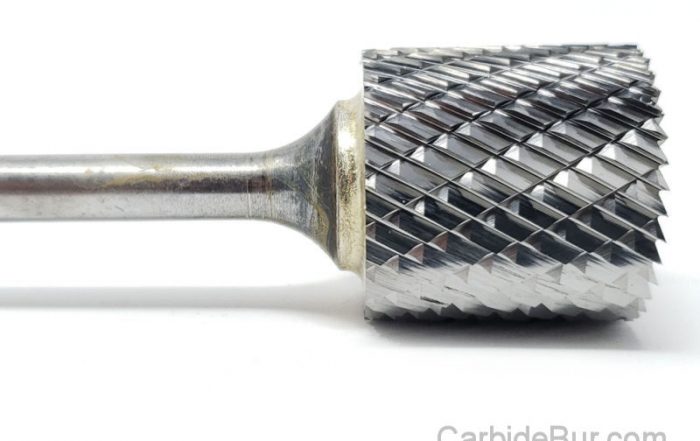
Can Carbide Burrs Cut Through Welds? Cutting through welds can feel like a battle, especially when you need clean results without harming the base metal. Carbide burrs offer a sharp edge in this fight, but [...]
How to Use a Carbide Burr With a Die Grinder
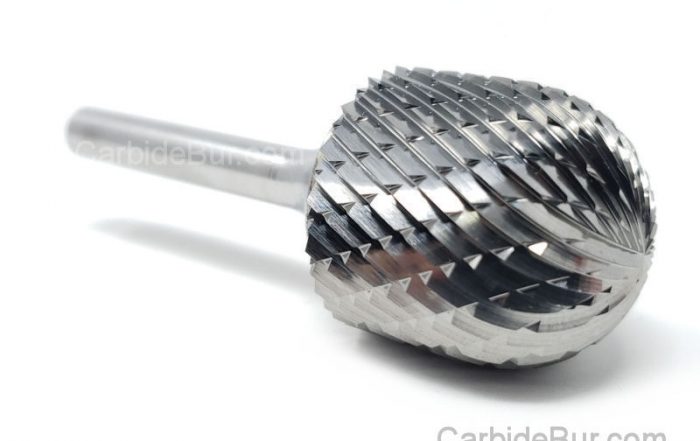
How to Use a Carbide Burr With a Die Grinder Most people treat a carbide burr like just another tool, but using it with a die grinder takes skill. If you’ve struggled with burr installation [...]
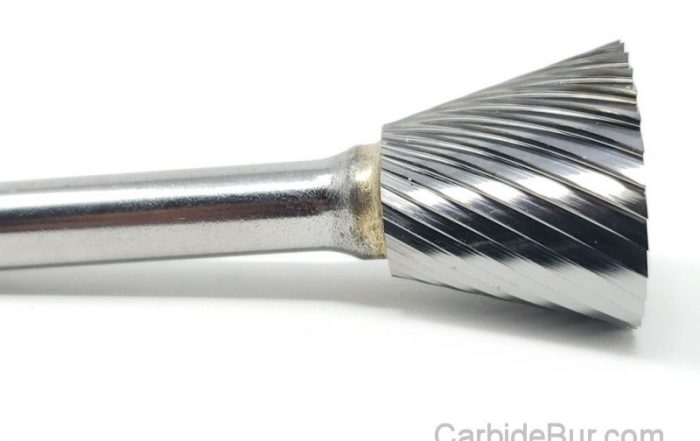
1/8 vs 1/4 Inch Carbide Burrs: What’s the Difference?
1/8 vs 1/4 Inch Carbide Burrs: What's the Difference? Choosing between a 1/8 inch carbide burr and a 1/4 inch carbide burr can change how your project turns out. Many machinists and hobbyists overlook how [...]
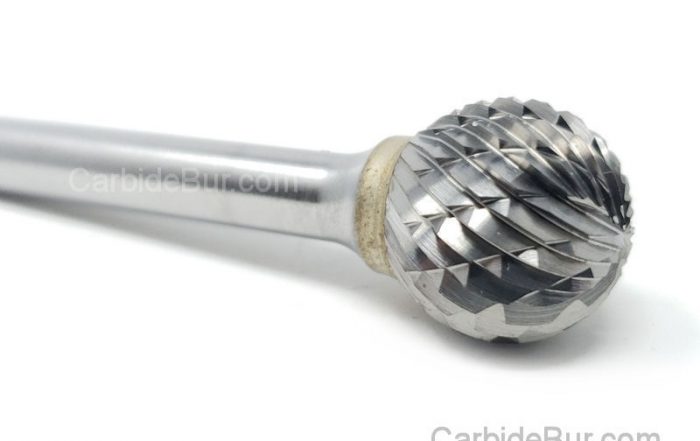
Best Carbide Burr for Removing Flash From Castings
Best Carbide Burr for Removing Flash From Castings Removing flash from castings is a task that can slow down your entire metalworking process if you don’t have the right tools. Picking the best carbide burr [...]
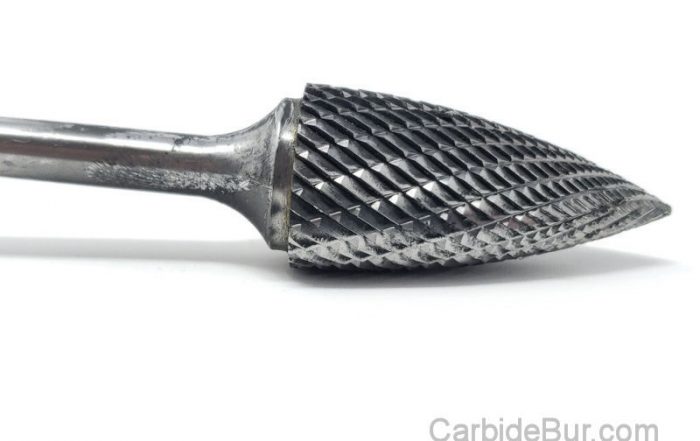
What RPM Should You Use for a 1/4 Inch Carbide Burr?
What RPM Should You Use for a 1/4 Inch Carbide Burr? Most machinists guess the right speed for a 1/4 inch carbide burr and hope for the best. Using the wrong carbide burr RPM can [...]
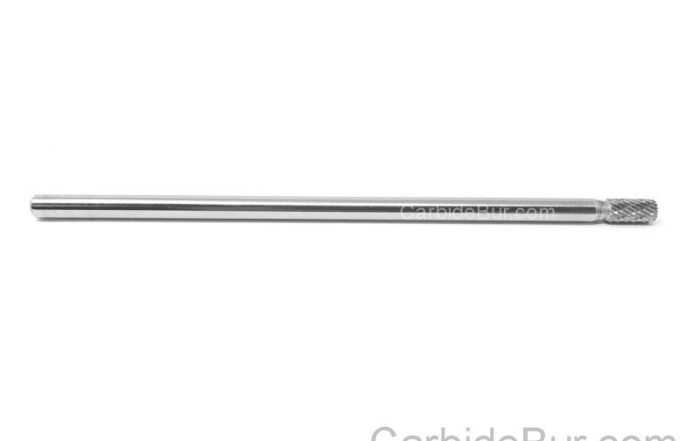
Long Shank Carbide Burrs: When Do You Need One?
Long Shank Carbide Burrs: When Do You Need One? Most machinists overlook the power of long shank carbide burrs until a project demands precision in tight spaces. When your usual tools can’t reach intricate contours, [...]
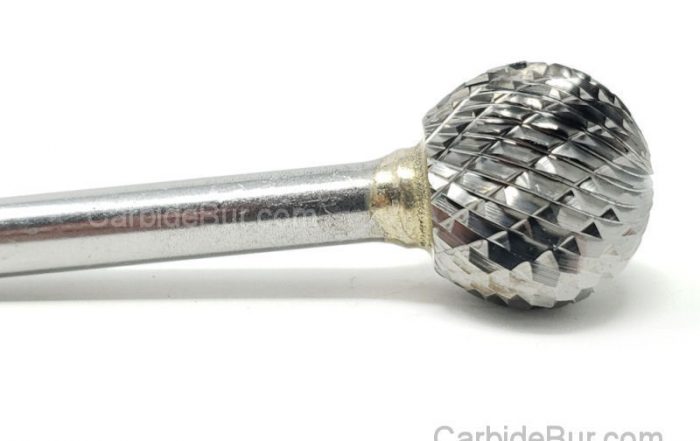
How Deep Can a Carbide Burr Cut Metal?
How Deep Can a Carbide Burr Cut Metal? Carbide burrs often get praised for their precision, but many users hit a wall wondering how deep they can actually cut metal. The truth is, cutting depth [...]
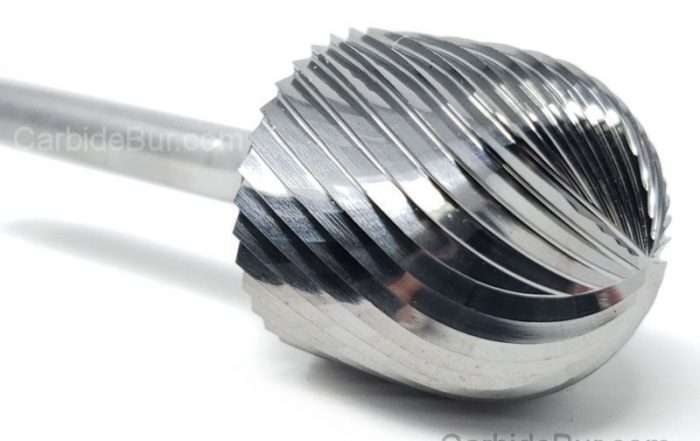
How to Use Carbide Burrs for Port Matching
How to Use Carbide Burrs for Port Matching Most engine builds hit a wall when airflow doesn’t flow smoothly between the ports and manifolds. If your engine isn’t breathing right, your performance stalls. Using the [...]
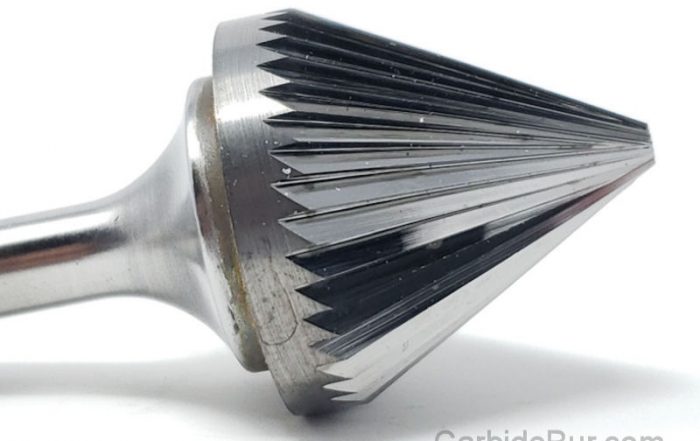
Best Carbide Burr for Porting Intake Manifolds
Best Carbide Burr for Porting Intake Manifolds Porting intake manifolds can make or break your engine’s airflow, yet many struggle with the right tools for the job. Choosing the best carbide burrs is key to [...]
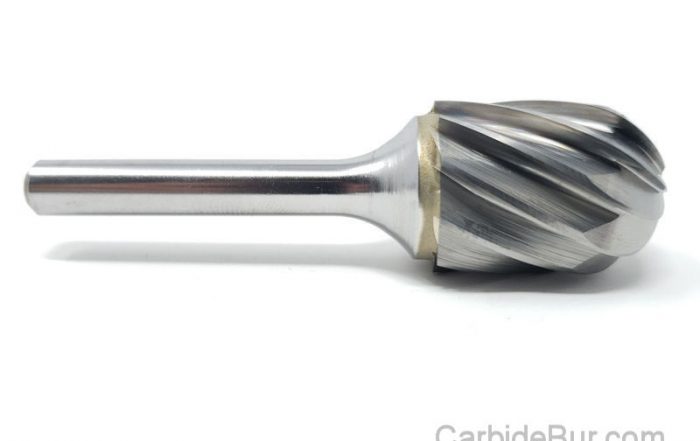
Best Carbide Burr for Concave Surfaces
Best Carbide Burr for Concave Surfaces Concave surfaces can turn a straightforward project into a frustrating challenge if you don’t have the right tool. Carbide burrs designed for these tricky curves make all the difference [...]
How to Grind a Slot in Metal With a Carbide Burr
How to Grind a Slot in Metal With a Carbide Burr Grinding a precise slot in metal can feel like a tricky task, especially if you’re unsure which tools to trust. Carbide burr grinding offers [...]

Best Carbide Burr for Inside Corners
Best Carbide Burr for Inside Corners Working in tight inside corners can turn even simple projects into frustrating tasks. Many carbide burrs just don’t fit or cut cleanly where you need them most. The best [...]
