
Boost Your Engine: How Carbide Burs Enhance Horsepower and Torque
For automotive enthusiasts and engine performance tuners seeking to push the limits of their vehicle’s capabilities, precise porting using carbide burs offers a tangible path to boosting horsepower and torque. Porting techniques that employ these specialized tools can significantly enhance airflow within the engine, leading to noticeable power boosts. By meticulously modifying the intake and exhaust ports, you can achieve a smoother flow, optimizing engine performance and efficiency. This blog post will guide you through the process of performance tuning with carbide burs, empowering you with the knowledge to make informed engine modification choices that deliver impressive results. Get ready to explore the exciting potential of precise porting in transforming your vehicle’s power dynamics. For more information on cylinder head porting, visit [https://www.carbideburr.net/cylinder-head-porting/].## Understanding Carbide Burs
Carbide burs are essential tools in the world of engine modification. They play a critical role in optimizing engine performance by allowing precise alterations to engine components. This section will delve into their fundamental aspects and importance.
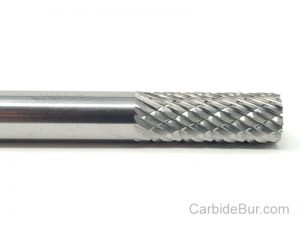
Check out all our USA made carbide bur cutting tools here
What Are Carbide Burs?
Carbide burs are rotary tools made of tungsten carbide, prized for their durability and precision. They are used to cut, shape, and grind materials like metal, providing a fine finish. These tools come in various shapes and sizes, each designed for specific applications.
Their high-speed cutting capabilities make them ideal for engine modification tasks, where precision is paramount. They are integral in enhancing surface finishes and ensuring smooth transitions in engine ports. By improving these areas, you can significantly boost engine performance.
For those interested in seeing carbide burs in action, check out this video tutorial to gain a visual understanding of their functionality.
Essential Tool for Engine Modification
In engine modification, carbide burs are fundamental. They enable enthusiasts and professionals to achieve precise cuts, essential for maximizing performance. The ability to shape and smooth engine ports directly influences airflow and combustion efficiency.
These tools are preferred for their ability to handle high temperatures and maintain sharpness over prolonged usage. Their adaptability to different materials and engine parts makes them indispensable in any performance tuning toolbox.
For more information on the types and uses of carbide burs in engine modification, visit this comprehensive guide.
Impact on Horsepower and Torque
The impact of carbide burs on horsepower and torque is significant. By facilitating better airflow and combustion, these tools directly contribute to improved engine dynamics. This section will explore how they enhance engine power.
How Carbide Burs Boost Power
Carbide burs enhance engine power by optimizing airflow through the intake and exhaust ports. By ensuring smoother surfaces and removing imperfections, they reduce airflow resistance, allowing the engine to breathe better and produce more power.
-
Improved Airflow: Smoother ports enhance the mixture of air and fuel, leading to more efficient combustion.
-
Increased Power: Better combustion translates to more horsepower, making your vehicle more powerful and responsive.
These improvements are crucial for anyone looking to get the most out of their engine without altering its fundamental structure. For further reading, see this article on carbide burs.
Increasing Engine Torque with Precision
Engine torque benefits from precision porting with carbide burs as well. By minimizing surface roughness and ensuring optimal port shapes, the engine can produce more torque, especially at lower RPMs.
-
Enhanced Efficiency: Better airflow results in improved fuel efficiency and torque.
-
Smoother Operation: The engine operates with less strain, prolonging its lifespan.
For an in-depth look at how these tools impact torque, you can explore additional resources on cylinder head porting.
Precise Porting Techniques
Porting techniques using carbide burs are essential for achieving maximum engine efficiency. In this section, we will discuss methods for effective porting and the steps involved.
Achieving Maximum Efficiency
Achieving maximum efficiency with carbide burs involves meticulous attention to detail. The goal is to optimize the shape and size of engine ports for improved airflow.
-
Port Matching: Ensuring intake and exhaust ports align perfectly for seamless airflow.
-
Smoothing Transitions: Eliminating sharp edges that impede airflow.
-
Consistent Port Size: Maintaining uniform dimensions for balanced engine performance.
These techniques require patience and precision, but the rewards are significant in terms of performance gains.
Steps for Effective Porting
Effective porting follows a series of steps that require careful execution. Here’s a basic guide:
-
Inspection: Examine the ports for irregularities and areas that need smoothing.
-
Marking: Use a marker to outline areas to be modified.
-
Cutting: Carefully grind the marked areas using the appropriate carbide bur.
-
Finishing: Polish the ports to ensure a smooth finish.
-
Testing: Re-assemble and test the engine to confirm improvements.
Following these steps can lead to noticeable improvements in engine performance. For a visual guide, consider this YouTube tutorial.
Performance Tuning Insights
Performance tuning involves more than just modifying engine components. It’s about understanding how each change affects overall performance. This section provides insights into fine-tuning and common pitfalls.
Fine-Tuning for Power Boost
Fine-tuning involves making small adjustments for significant power gains. It requires understanding the engine’s current performance and identifying opportunities for enhancement.
-
Data Analysis: Use dyno tests to measure performance before and after modifications.
-
Incremental Changes: Make small adjustments and test the impact on performance.
-
Holistic Approach: Consider all engine components, not just the ports.
These practices ensure that your engine not only gains power but does so reliably and efficiently.
Common Mistakes to Avoid
Avoiding common mistakes is crucial in performance tuning. Here are some pitfalls to be aware of:
-
Over-Modification: Excessive porting can weaken engine components.
-
Inconsistent Porting: Uneven port sizes can lead to imbalance and inefficiency.
-
Ignoring Testing: Failing to test each modification can result in missed opportunities for improvement.
By steering clear of these errors, you can ensure your modifications lead to genuine performance enhancements.
Future of Engine Modification
The future of engine modification looks promising with ongoing advancements in technology and techniques. This section explores trends and innovations shaping the industry.
Trends in Automotive Performance
Emerging trends in automotive performance focus on sustainability and efficiency. Electric vehicles and hybrid engines are pushing the boundaries of traditional tuning.
-
Eco-Friendly Modifications: Focus on reducing emissions while enhancing performance.
-
Integration of Technology: Use of advanced software for precise tuning and diagnostics.
-
Customization: Growing demand for personalized performance solutions.
These trends indicate a shift towards more responsible and efficient engine modification practices.
Innovations in Porting Techniques
Innovations in porting techniques continue to evolve, driven by technological advancements and material science.
-
3D Printing: Allows for precise and customizable port designs.
-
Advanced Materials: New materials that offer better durability and performance.
-
AI-Driven Modifications: Use of artificial intelligence to optimize modifications based on data analysis.
For insights into the latest porting innovations, explore this resource on carbide burs.
Check out all our USA made carbide bur cutting tools here
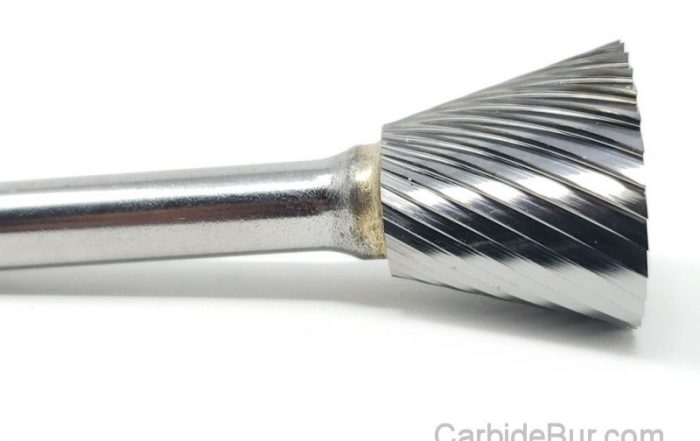
1/8 vs 1/4 Inch Carbide Burrs: What’s the Difference?
1/8 vs 1/4 Inch Carbide Burrs: What's the Difference? Choosing between a 1/8 inch carbide burr and a 1/4 inch carbide burr can change how your project turns out. Many machinists and hobbyists overlook how [...]
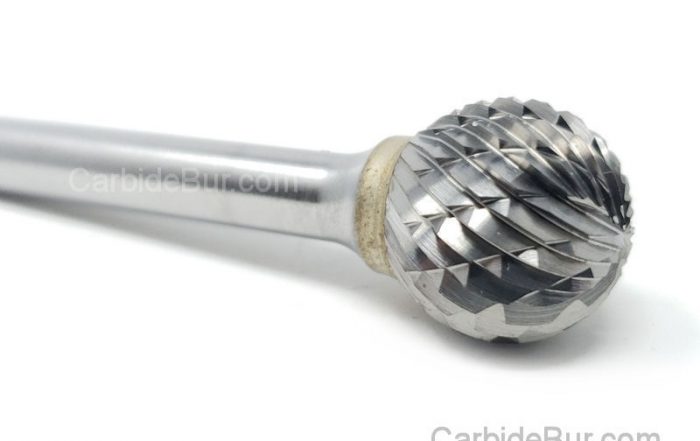
Best Carbide Burr for Removing Flash From Castings
Best Carbide Burr for Removing Flash From Castings Removing flash from castings is a task that can slow down your entire metalworking process if you don’t have the right tools. Picking the best carbide burr [...]
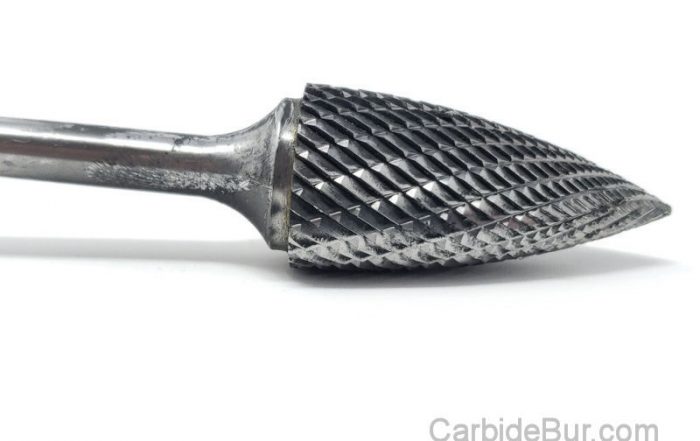
What RPM Should You Use for a 1/4 Inch Carbide Burr?
What RPM Should You Use for a 1/4 Inch Carbide Burr? Most machinists guess the right speed for a 1/4 inch carbide burr and hope for the best. Using the wrong carbide burr RPM can [...]
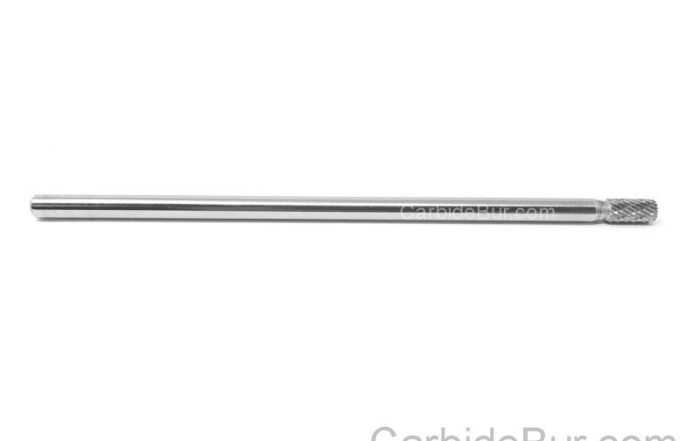
Long Shank Carbide Burrs: When Do You Need One?
Long Shank Carbide Burrs: When Do You Need One? Most machinists overlook the power of long shank carbide burrs until a project demands precision in tight spaces. When your usual tools can’t reach intricate contours, [...]
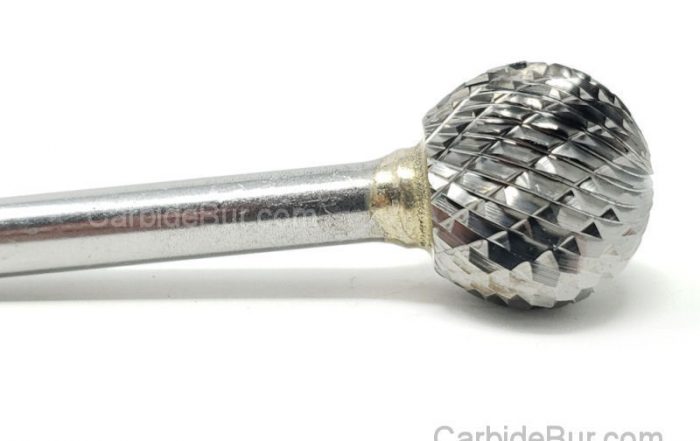
How Deep Can a Carbide Burr Cut Metal?
How Deep Can a Carbide Burr Cut Metal? Carbide burrs often get praised for their precision, but many users hit a wall wondering how deep they can actually cut metal. The truth is, cutting depth [...]
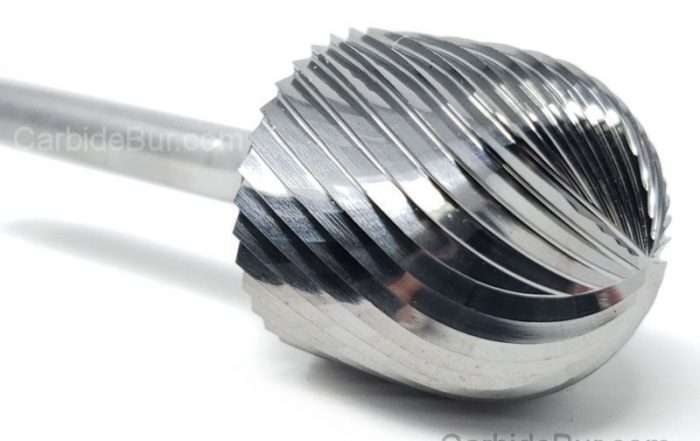
How to Use Carbide Burrs for Port Matching
How to Use Carbide Burrs for Port Matching Most engine builds hit a wall when airflow doesn’t flow smoothly between the ports and manifolds. If your engine isn’t breathing right, your performance stalls. Using the [...]
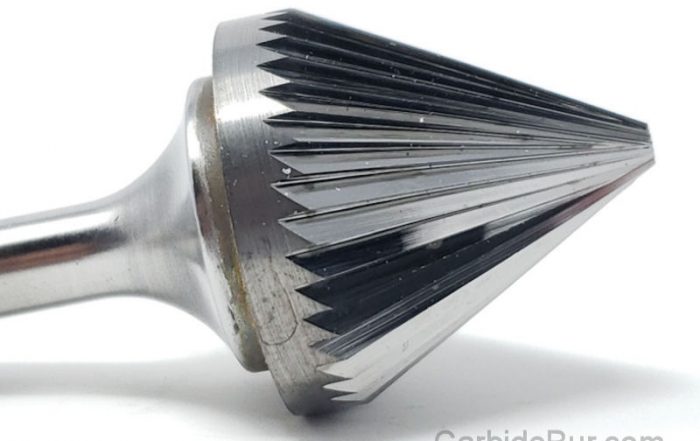
Best Carbide Burr for Porting Intake Manifolds
Best Carbide Burr for Porting Intake Manifolds Porting intake manifolds can make or break your engine’s airflow, yet many struggle with the right tools for the job. Choosing the best carbide burrs is key to [...]
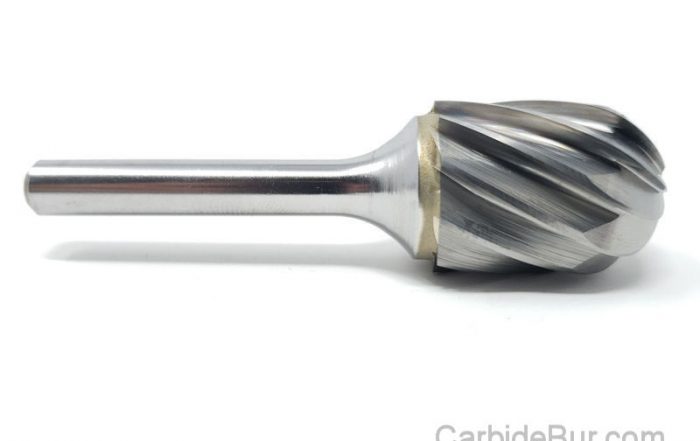
Best Carbide Burr for Concave Surfaces
Best Carbide Burr for Concave Surfaces Concave surfaces can turn a straightforward project into a frustrating challenge if you don’t have the right tool. Carbide burrs designed for these tricky curves make all the difference [...]
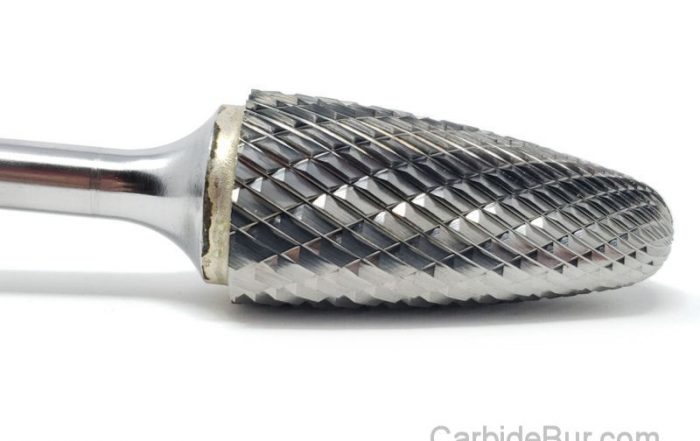
How to Grind a Slot in Metal With a Carbide Burr
How to Grind a Slot in Metal With a Carbide Burr Grinding a precise slot in metal can feel like a tricky task, especially if you’re unsure which tools to trust. Carbide burr grinding offers [...]

Best Carbide Burr for Inside Corners
Best Carbide Burr for Inside Corners Working in tight inside corners can turn even simple projects into frustrating tasks. Many carbide burrs just don’t fit or cut cleanly where you need them most. The best [...]
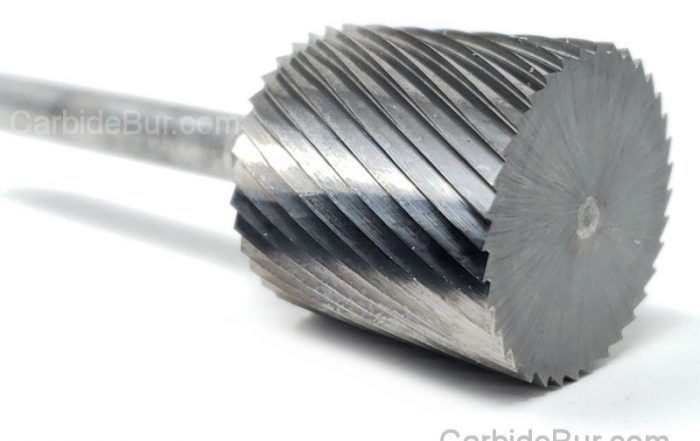
What Size Carbide Burr Do I Need?
What Size Carbide Burr Do I Need? Picking the wrong carbide burr can turn a simple project into a frustrating mess. You might have the best machining tools but still miss the mark if your [...]
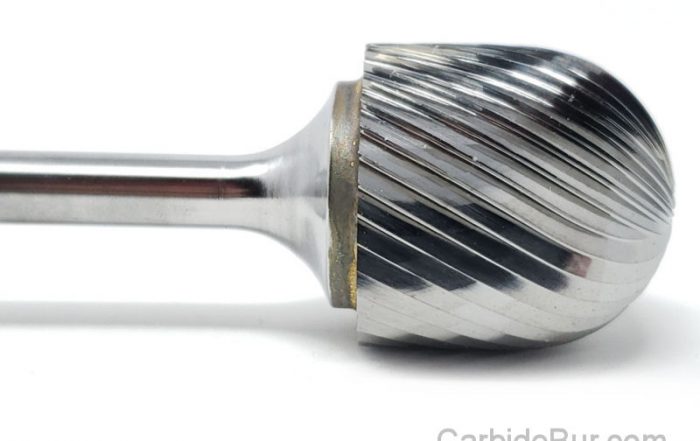
How to Smooth Sharp Metal Edges With a Carbide Burr
How to Smooth Sharp Metal Edges With a Carbide Burr Sharp metal edges can turn your project from professional to risky in seconds. If you’ve struggled with smoothing metal edges without scratching or weakening the [...]
